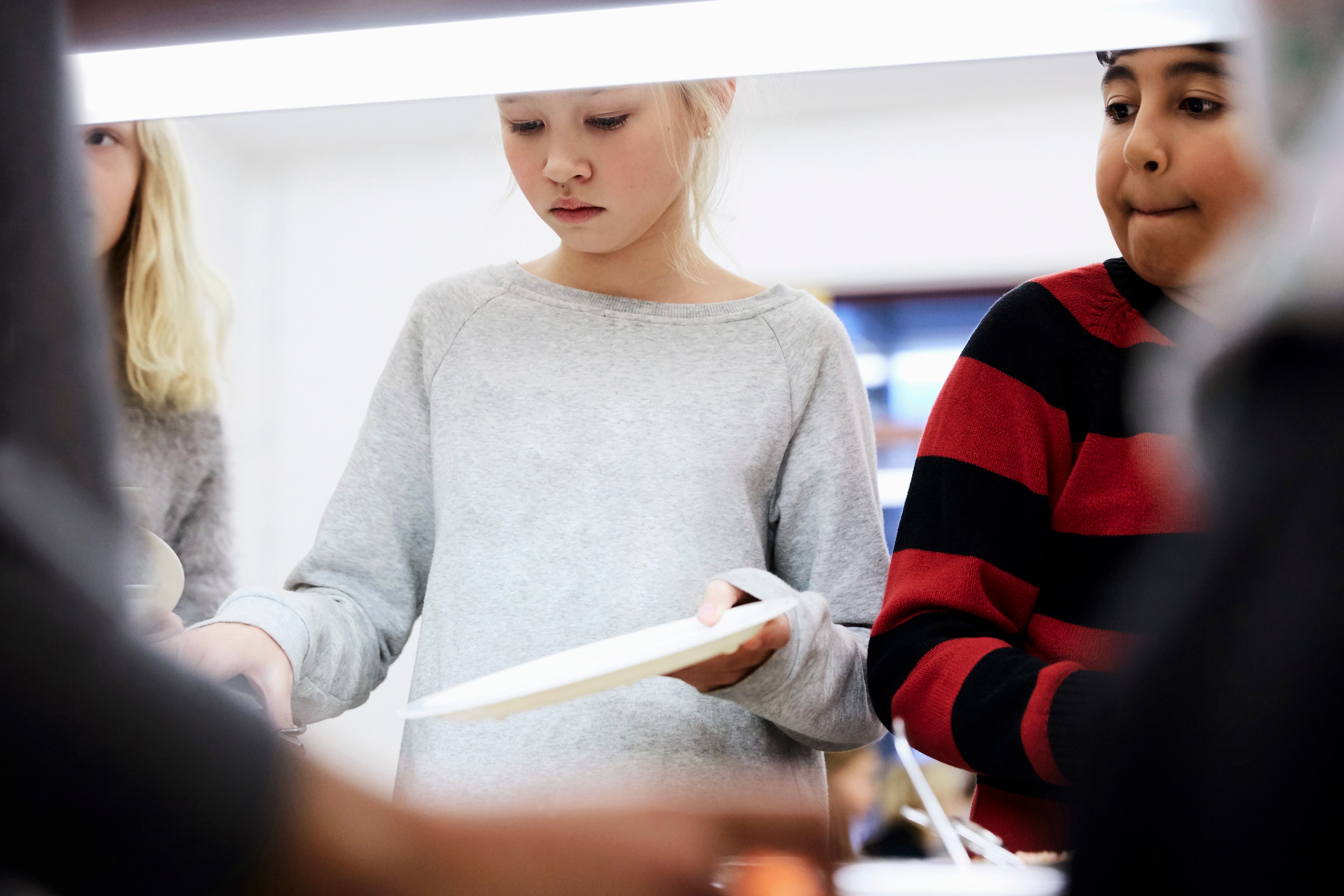
An Obama-era change to school lunches could be linked to a drop in childhood obesity rates, a new study suggests.
The American Journal of Diseases of Children suggested that a modification of public school lunches that boosted the amount of fruits, vegetables and whole grains students consumed could have lowered the body mass index of a swath of youth.
Dr. Aruna Chandran, social epidemiologist at Johns Hopkins Bloomberg School of Public Health and lead researcher on this study, told the Associated Press that making early dietary changes can have lasting effects on children.
"You have the potential to really impact their excess weight gain over the course of their entire childhood," she said.
Over 14,000 students ages 5 to 18 were tracked from January 2005 through March 2020 but there was a significant drop in overall BMI around the time the Hunger Free Kids Act was passed.
In 2010, a study by the American Heart Journal suggested that poor nutritional school lunches were, at least in part, linked to childhood obesity. It noted other factors like decreased physical activity and excessive recreational screen time as contributors to childhood weight gain.
Former first lady Michelle Obama spearheaded the call to make school lunches healthier during the same year.
"The Healthy Hunger Free Kids Act does still have impact in adolescents when they have such differences in dietary preferences, and the ability to purchase their own foods compared to younger children," Dr. Lauren Au, assistant professor at the University of California, Davis, told CNN.
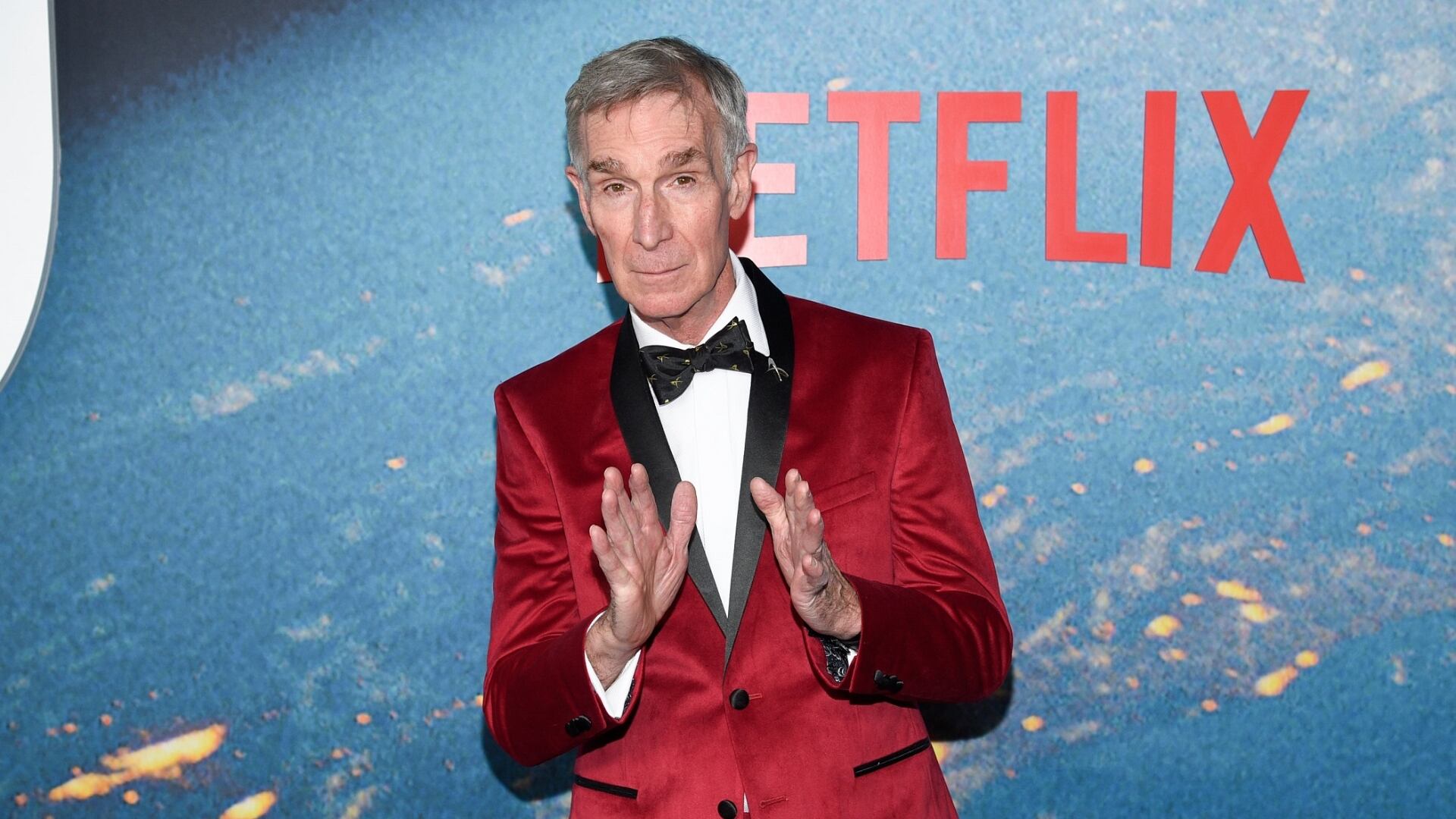
Bill Nye the Science Guy is back but on an even smaller screen. America’s favorite science teacher has racked up more than eight million followers on TikTok, and he joined Cheddar News to talk about his success on the platform, having fun but also being serious about scientific topics like tackling climate change, and his newest hosting project "The End is Nye," a streaming show on Peacock that examines disasters — both natural and manmade. "There are six episodes. We have big disasters. Things go terribly wrong, and then we show you how things could have gone right," he explained.
You probably have your summer music playlist ready to to go, but you're probably not aware how an in-store shopping soundtrack may impact your experience. Spotify Advertising took a look at how audio affects small business shopping. Rochelle Sanchirico, Global Director of Scaled Business and Marketing at Spotify Advertising, joins Cheddar News to discuss.
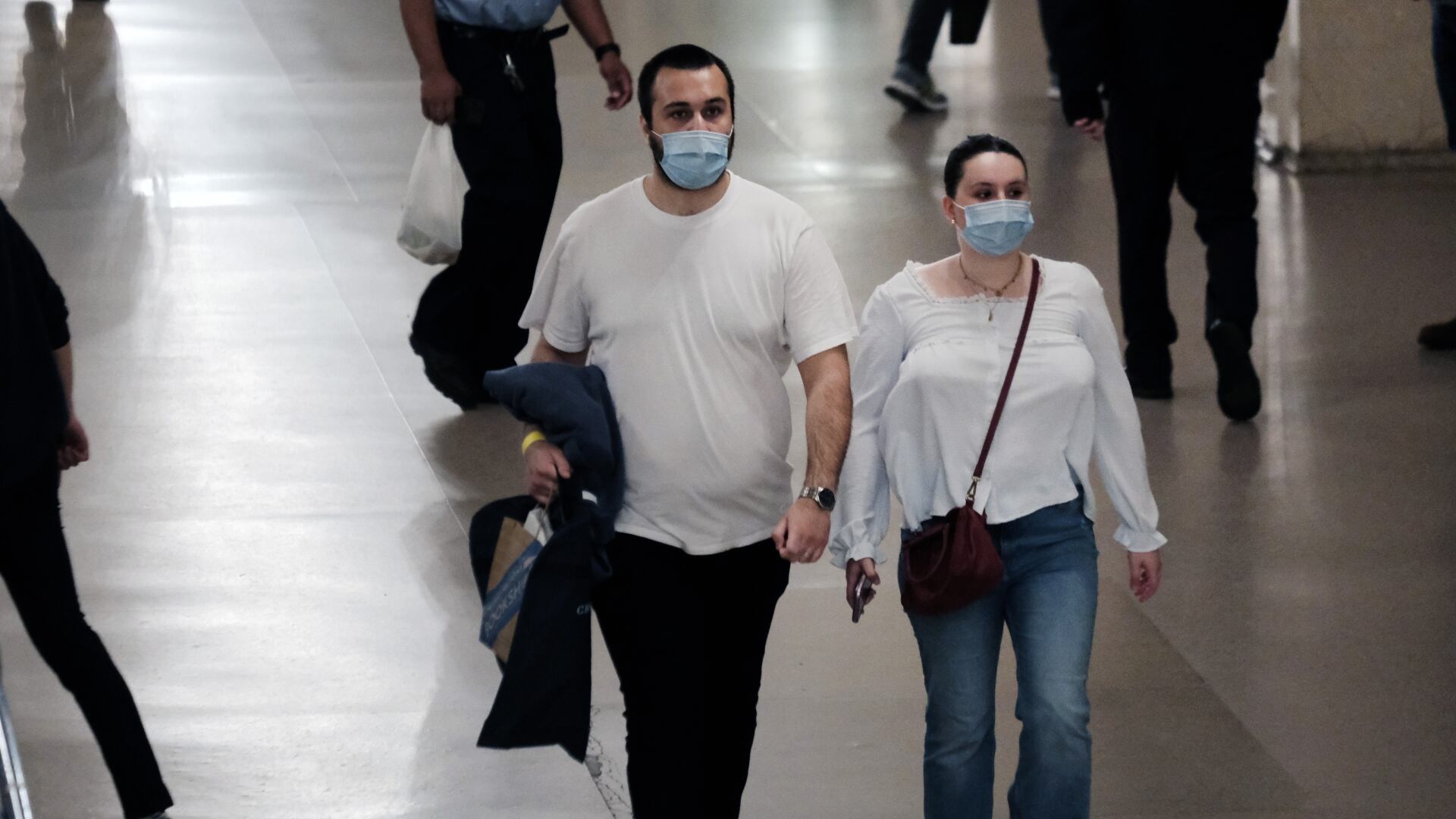
Summer travel season is just around the corner, as the U.S. is entering a fifth COVID-19 wave. Cheddar News speaks with Dr. Jen Caudle, Family Physician and Associate Professor at Rowan University on how to evaluate your vacation plans.
Catching you up on what you need to know on Wednesday, June 1, 2022, House lawmakers hold an emergency hearing on gun control measures in the wake of the Uvalde shooting, the Supreme Court temporarily blocks Texas' law stopping social media moderation, and the James Webb Space Telescope gets a new mission.
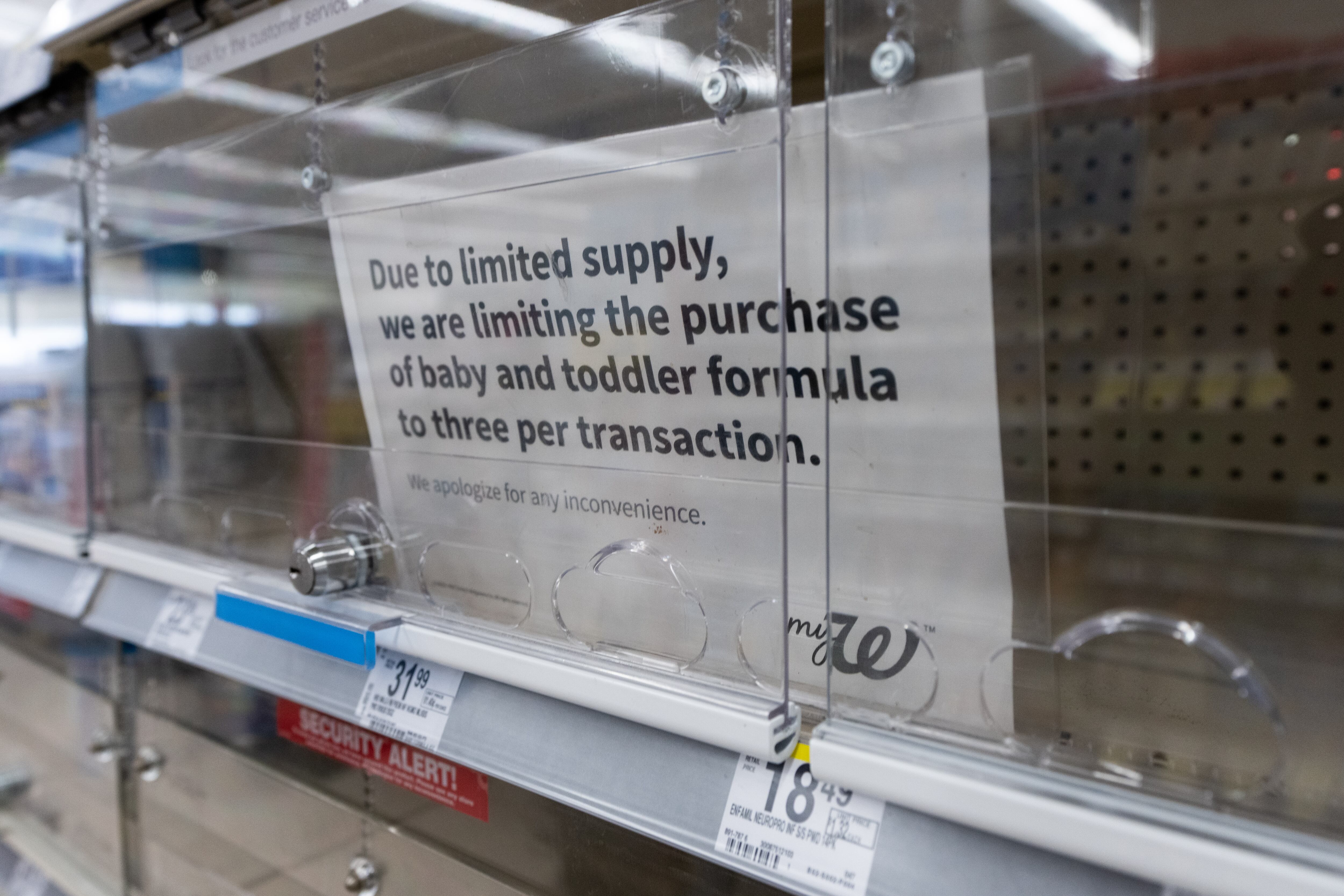
With the baby formula in the United States surging to an out-of-stock rate of 70 percent, the FDA has given Abbott permission to reopen its Michigan plant amid the crisis and authorized foreign imports. Professor Peter Pitts, a former FDA associate commissioner and current president of the Center for Medicine in the Public Interest, joined Cheddar News to discuss the ongoing shortage and its wide impact. “As difficult as things is in urban areas, they’re even worse in small communities and tribal areas where parents can't just go to the next store on the corner," he said. Pitts also noted that the Abbott factory was a "disaster" prior to its shutdown and that it would have been "regulatory malpractice" to have left it open.
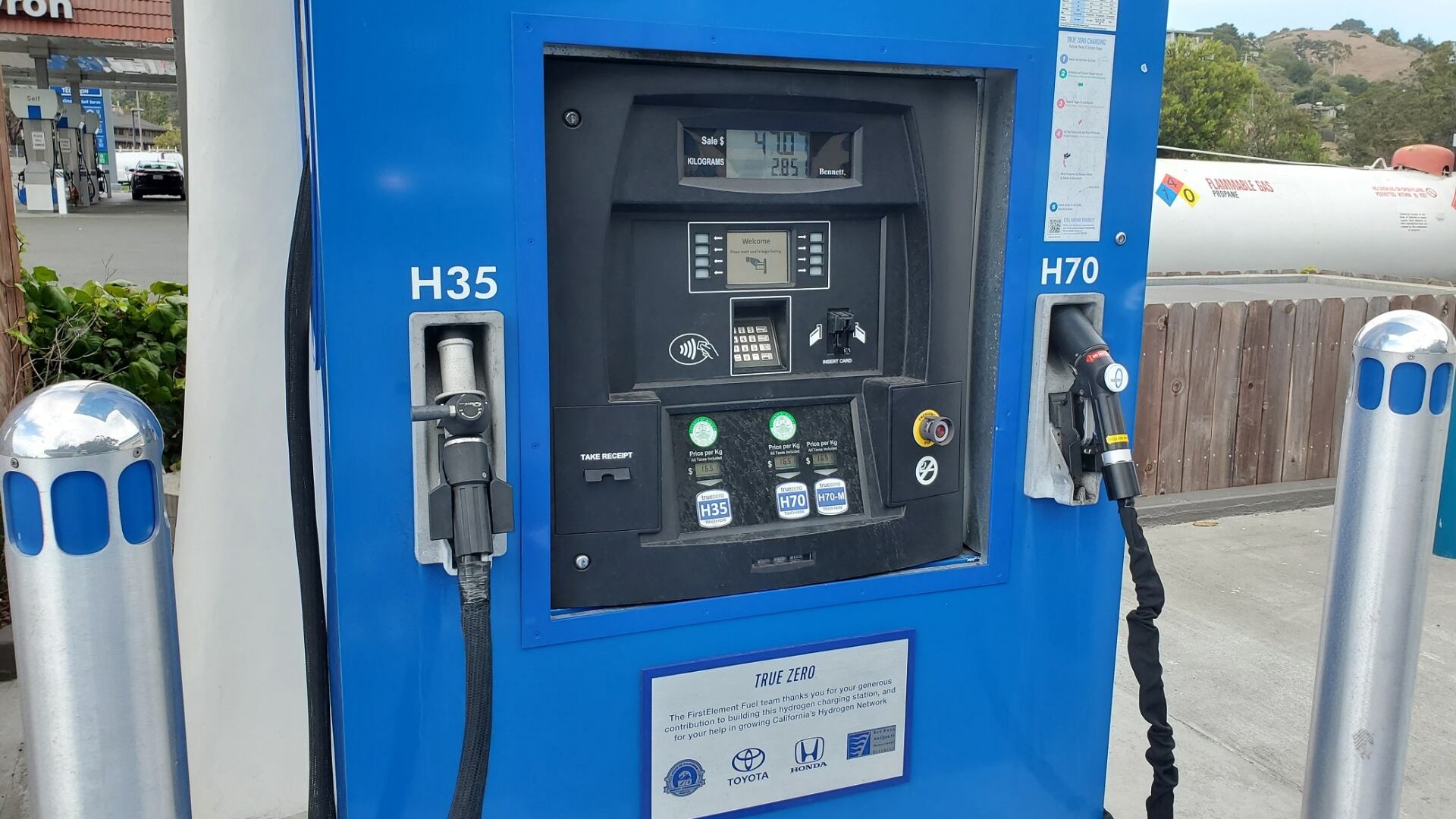
Scientists are hoping that the simplest element in the universe — hydrogen — can be the solution to slowing down climate change. However, it does not come without cost. The process of making hydrogen could potentially add more CO2.