An Obama-era change to school lunches could be linked to a drop in childhood obesity rates, a new study suggests.
The American Journal of Diseases of Children suggested that a modification of public school lunches that boosted the amount of fruits, vegetables and whole grains students consumed could have lowered the body mass index of a swath of youth.
Dr. Aruna Chandran, social epidemiologist at Johns Hopkins Bloomberg School of Public Health and lead researcher on this study, told the Associated Press that making early dietary changes can have lasting effects on children.
"You have the potential to really impact their excess weight gain over the course of their entire childhood," she said.
Over 14,000 students ages 5 to 18 were tracked from January 2005 through March 2020 but there was a significant drop in overall BMI around the time the Hunger Free Kids Act was passed.
In 2010, a study by the American Heart Journal suggested that poor nutritional school lunches were, at least in part, linked to childhood obesity. It noted other factors like decreased physical activity and excessive recreational screen time as contributors to childhood weight gain.
Former first lady Michelle Obama spearheaded the call to make school lunches healthier during the same year.
"The Healthy Hunger Free Kids Act does still have impact in adolescents when they have such differences in dietary preferences, and the ability to purchase their own foods compared to younger children," Dr. Lauren Au, assistant professor at the University of California, Davis, told CNN.
Carlo and Baker discuss the sweeping new vaccine mandate in NYC that will target all private businesses. Plus, Trump's media venture gets its CEO and more.
Humans are scientifically the most successful species in the history of planet earth. And for this we can thank our opposable thumbs, proportionally large brains, and our upright posture. But for all our anatomical wonders, we still have some pretty major flaws.
It’s no secret that the world is amidst a climate crisis never before seen in our time. And our excessive resource consumption is to blame. But just exactly what resources are to blame might surprise you. Hint: fossil fuels are only one part of the problem.
Dr. Robert Lahita, the director of Saint Joseph's Institute for Autoimmune and Rheumatic Diseases, joined Cheddar to discuss the latest on omicron as the new variant has popped up in more than a dozen states so far. He emphasized that vaccinations should remain the priority despite efficacy against the new variant being unknown at this point.
Six states have confirmed cases of the new Omicron coronavirus variant, and this number is expected to grow. Cheddar's Hena Doba speaks with Dr. William Schaffner,
Professor of Preventive Medicine at Vanderbilt University Medical Center, on the latest developments.
Just days after the detection of the Omicron variant, the World Health Organization has agreed to start the process of establishing a global pandemic treaty or accord. Amy Maxmen, senior reporter for Nature, and Dr. Samuel Scarpino, managing director for the Rockefeller Foundation's Pandemic Prevention Institute, joined Cheddar to discuss this effort and what lessons can be learned from the many COVID-19 failures as the world prepares for future pandemics.
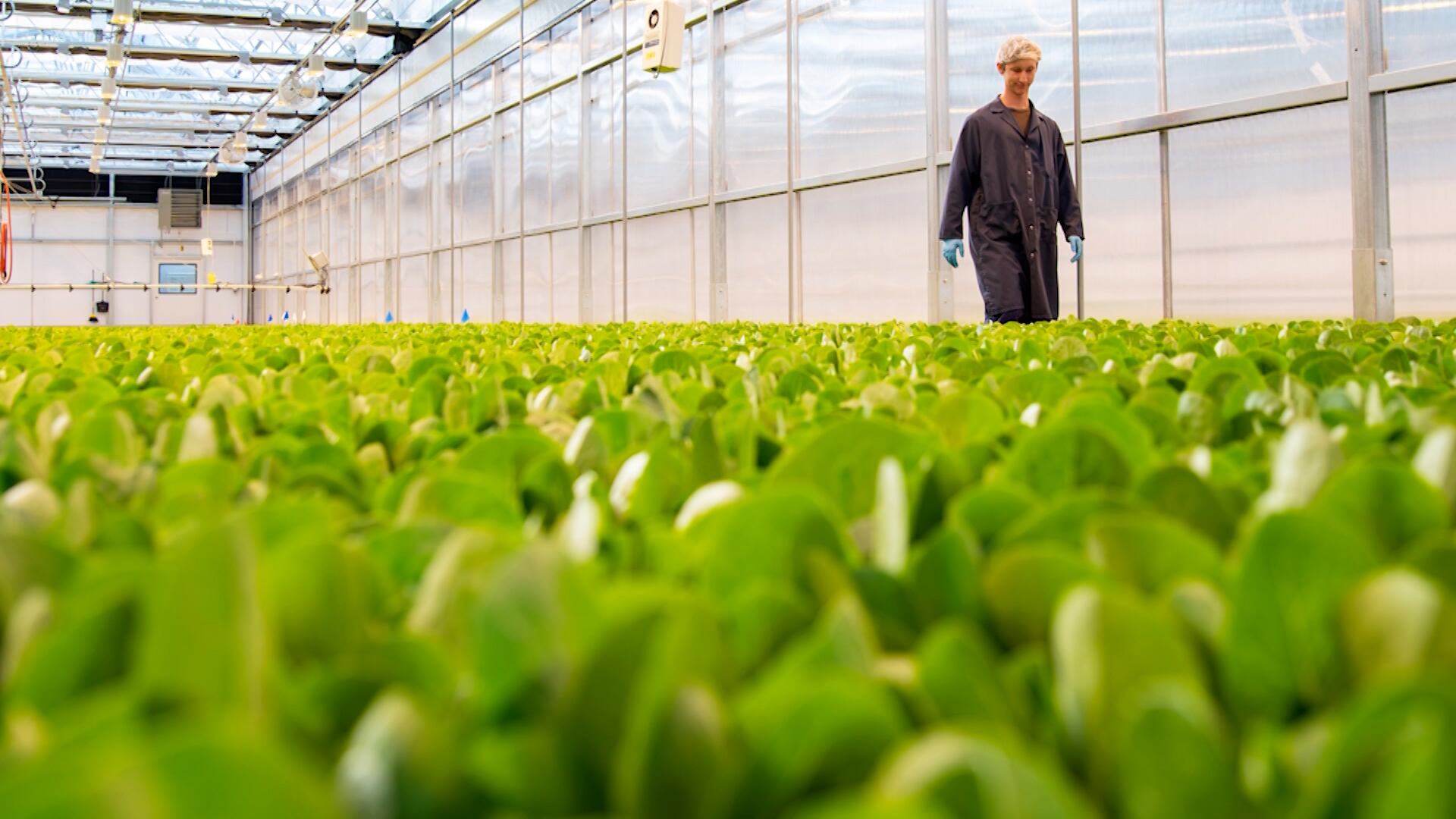
Local Bounti rang the opening bell December 3 in honor of its recent trading debut on the NYSE after closing a $1.1 billion SPAC deal. The company operates an indoor growing facility in Montana and aims to transform the production and delivery of local, fresh and sustainably-grown leafy greens. Craig Hurlbert, co-founder and co-CEO of Local Bounti, joined Cheddar to discuss the company's goals as a newly publicly-traded company.
Stephan Winkelmann, president of Bugatti Automobiles and CEO of Lamborghini, stopped by Cheddar to talk about Lamborghini's 2021 success after the luxury automaker set a company sales record on more than 6,9000 vehicles delivered. With climate change top of mind for the auto industry, Winkelmann also talked about Lamborghini's commitment to hybridizing its entire fleet. Still, when it comes to supercars, the legacy brand isn't quite ready to give up gasoline power, and according to the CEO, three new combustion engine vehicles will be available in 2022.
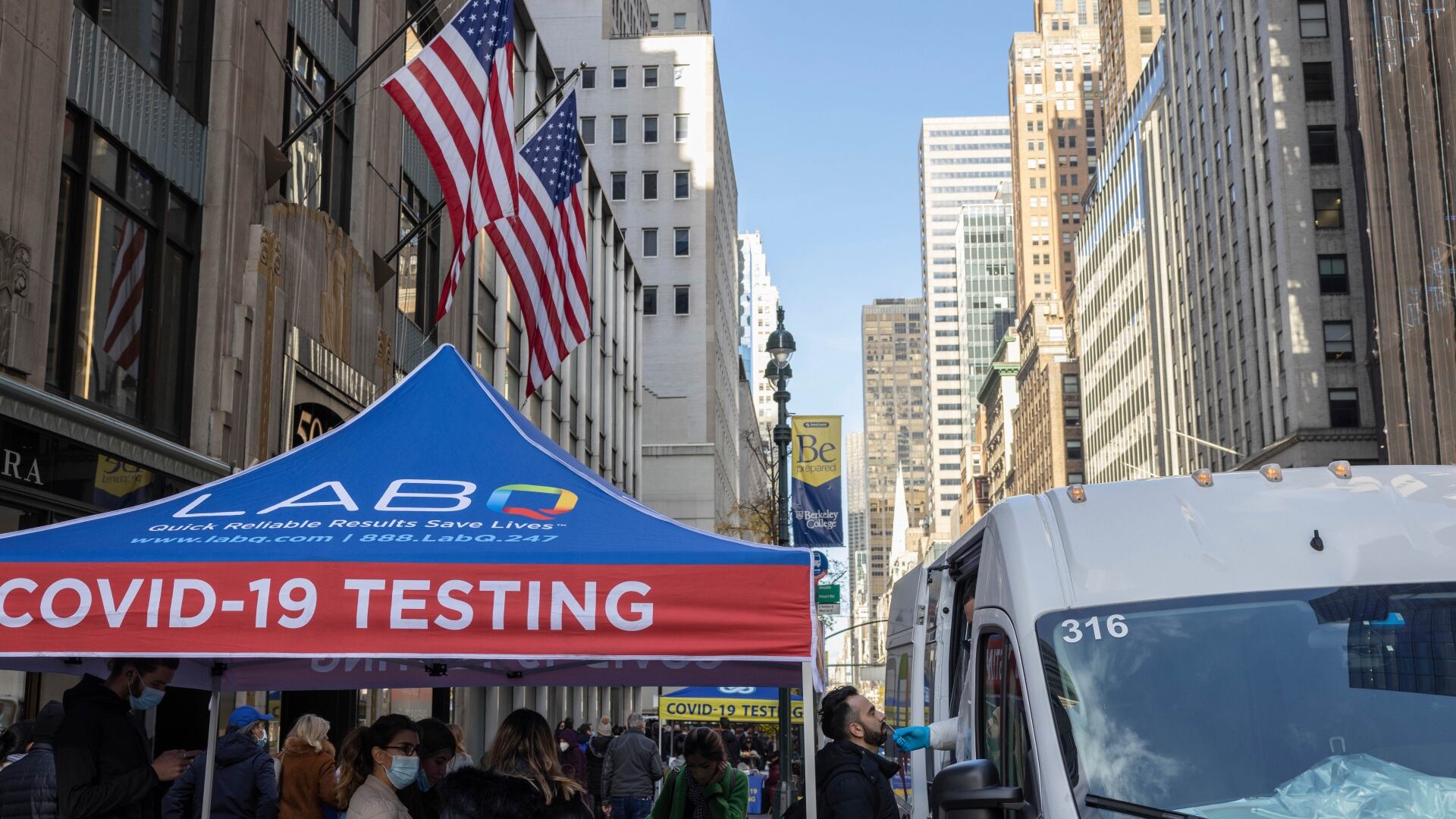
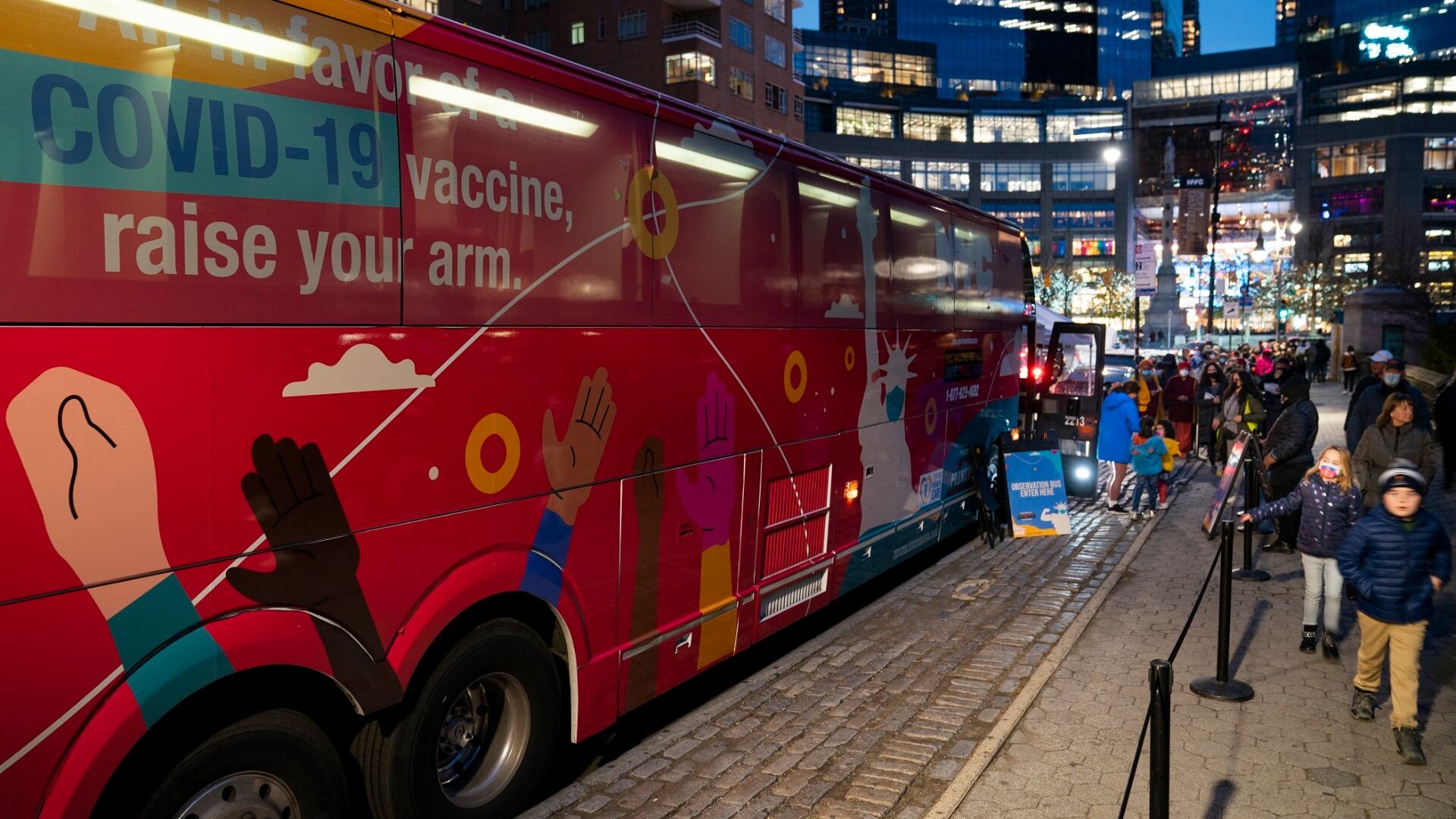
New York officials have confirmed five omicron COVID-19 cases in New York City and on Long Island after a Minnesota man who tested positive for the same variant said he attended a convention in November at the Jacob Javits Center in Manhattan.