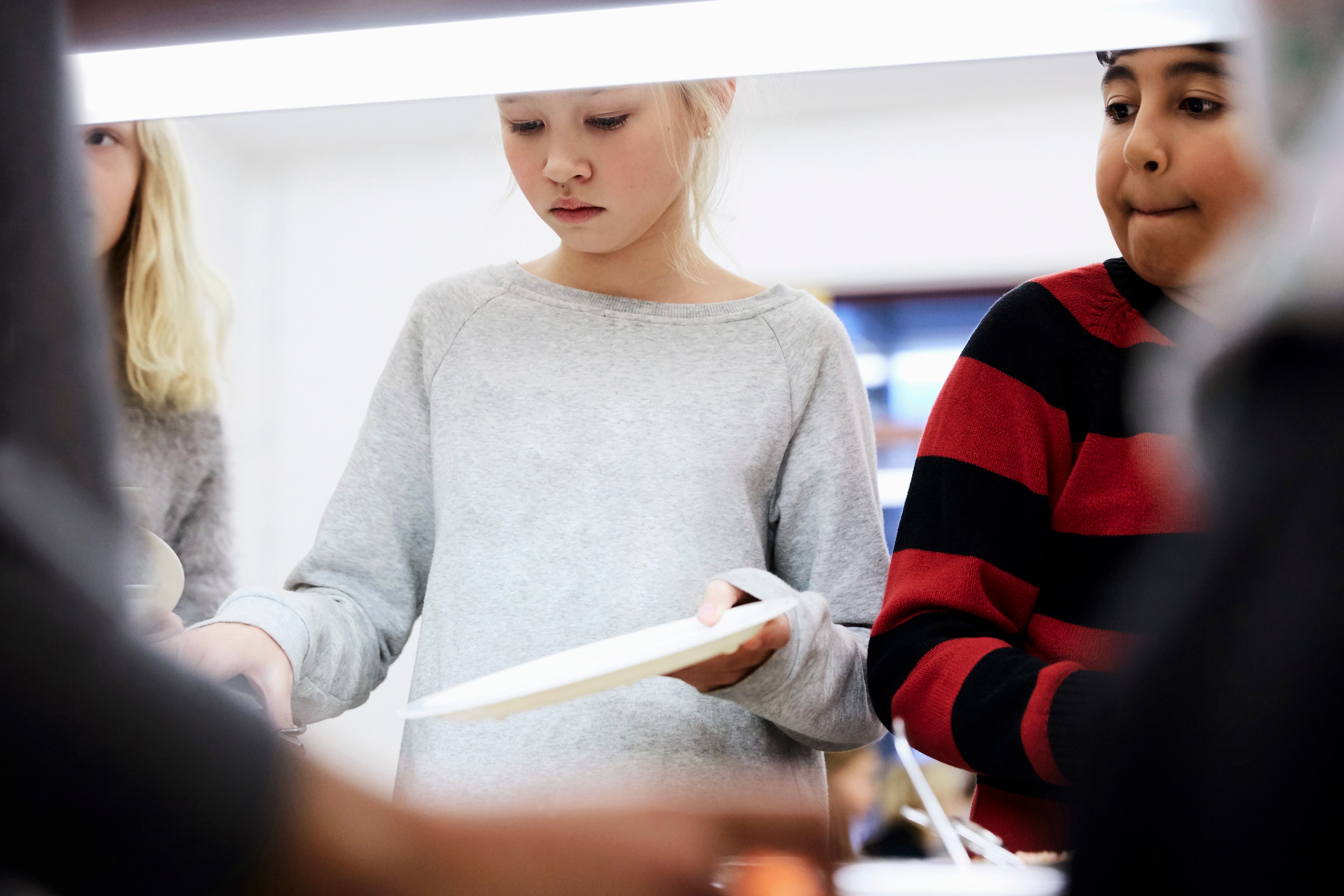
An Obama-era change to school lunches could be linked to a drop in childhood obesity rates, a new study suggests.
The American Journal of Diseases of Children suggested that a modification of public school lunches that boosted the amount of fruits, vegetables and whole grains students consumed could have lowered the body mass index of a swath of youth.
Dr. Aruna Chandran, social epidemiologist at Johns Hopkins Bloomberg School of Public Health and lead researcher on this study, told the Associated Press that making early dietary changes can have lasting effects on children.
"You have the potential to really impact their excess weight gain over the course of their entire childhood," she said.
Over 14,000 students ages 5 to 18 were tracked from January 2005 through March 2020 but there was a significant drop in overall BMI around the time the Hunger Free Kids Act was passed.
In 2010, a study by the American Heart Journal suggested that poor nutritional school lunches were, at least in part, linked to childhood obesity. It noted other factors like decreased physical activity and excessive recreational screen time as contributors to childhood weight gain.
Former first lady Michelle Obama spearheaded the call to make school lunches healthier during the same year.
"The Healthy Hunger Free Kids Act does still have impact in adolescents when they have such differences in dietary preferences, and the ability to purchase their own foods compared to younger children," Dr. Lauren Au, assistant professor at the University of California, Davis, told CNN.
According to a recent analysis compiled by The Washington Post, more than four in 10 Americans lived in areas hit by climate-related disasters in 2021. Jonathan Porter, Chief Meteorologist at AccuWeather, joined Cheddar Climate to discuss what this means and what can be done to prevent severe weather events from becoming even worse.
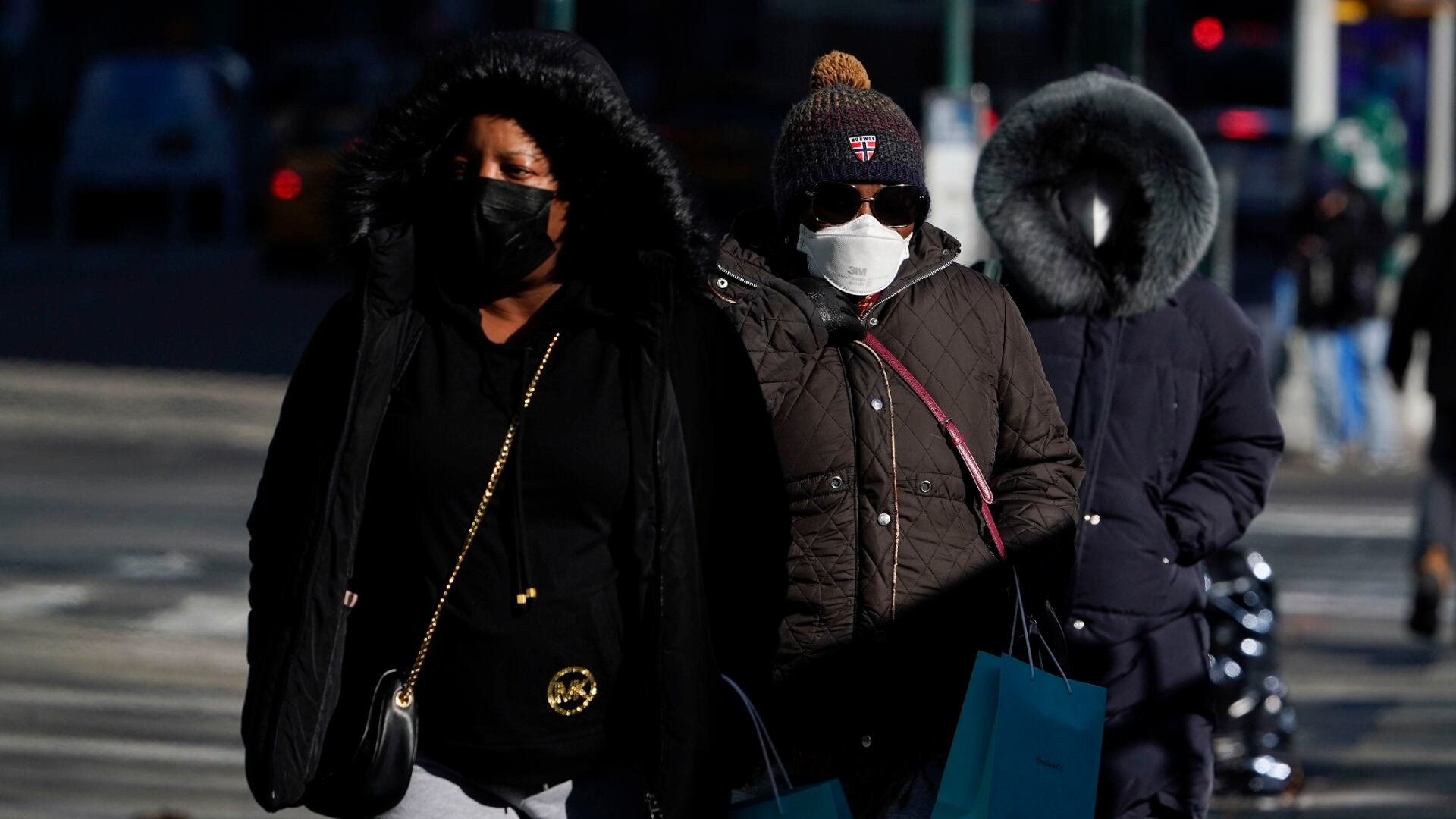
It's a painfully cold week across a large portion of the U.S. with more than 185 million Americans experiencing below-freezing temperatures on Monday and 10 million of them dealing with dangerous sub-zero temps.
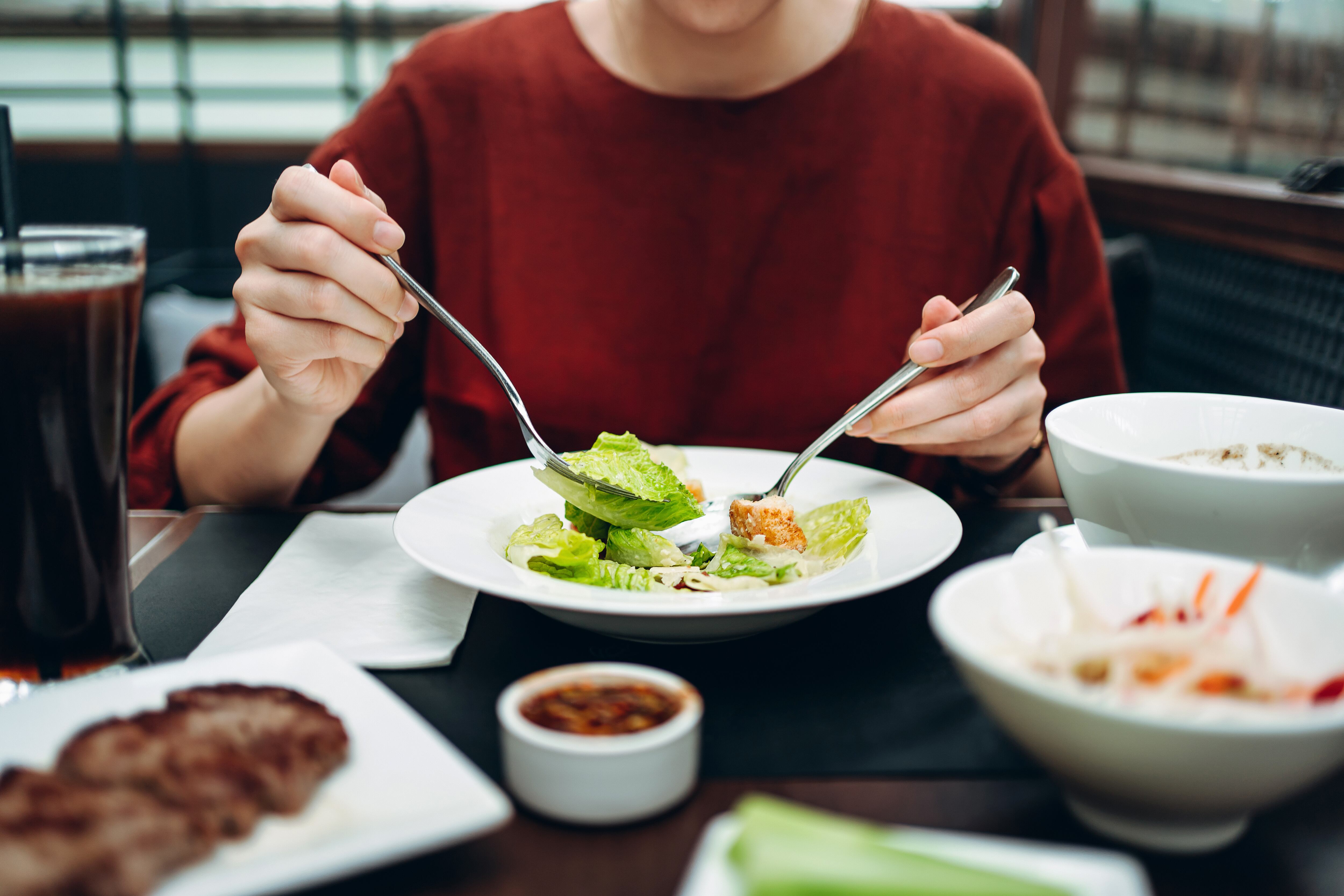
Ellen Fitzsimmons-Craft, assistant professor of psychiatry at Washington University School of Medicine, joins Cheddar News to discuss how chatbots can help prevent eating disorders and the research that uncovered these findings.
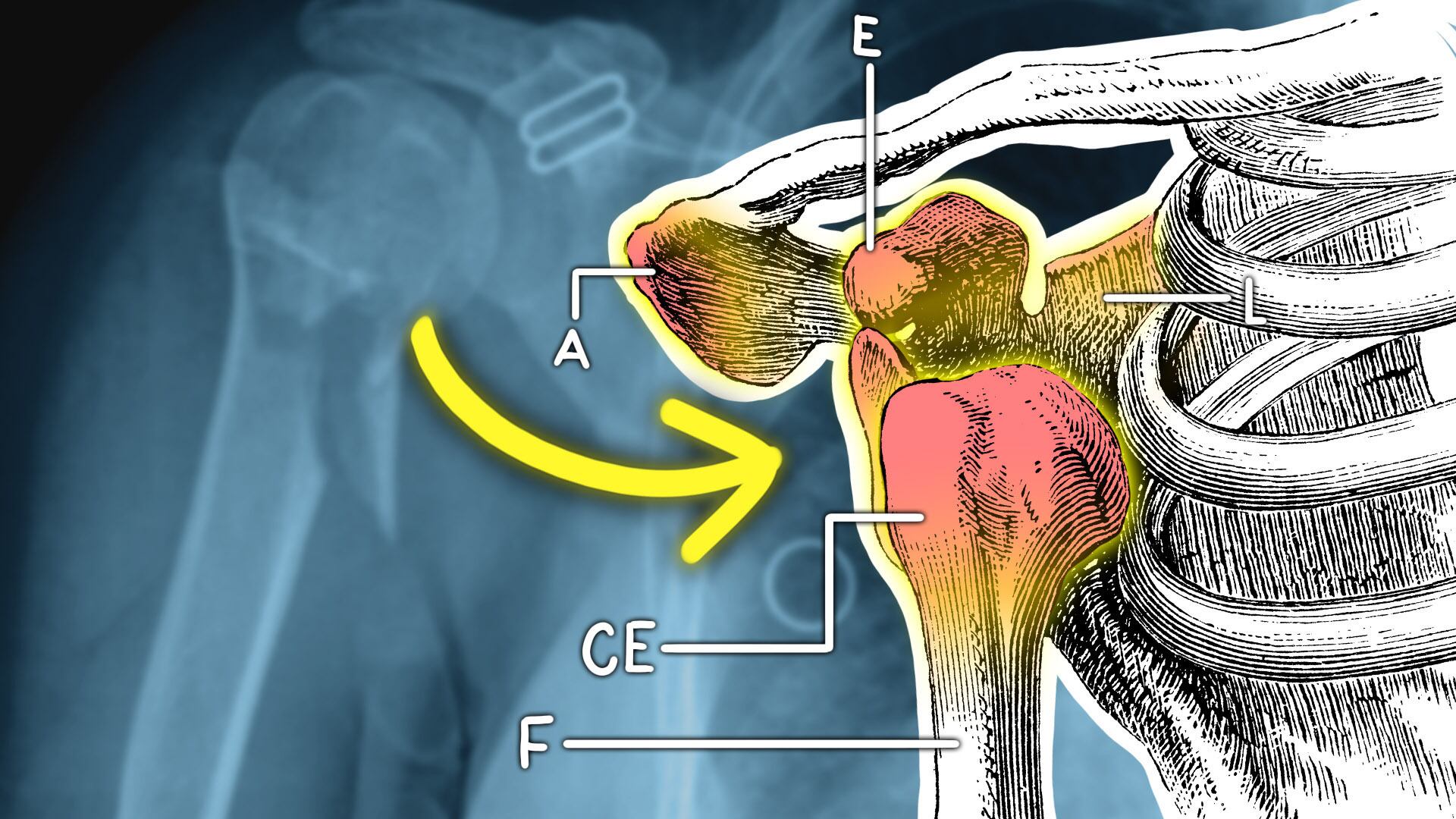
Shoulder injuries are one of the most common orthopedic injuries – and they're also one of the most commonly ignored. But chimpanzees, with whom we share nearly 99% of our DNA, don’t encounter the same issues we do. So why are human shoulders such a design disaster? Well, we can trace the answer back to a very particular moment in our evolution.
As the Omicron variant continues to sweep across the country. The US Supreme Court is expected to hear arguments at the end of this week on whether or not the Biden administration can force private companies to vaccinate or test millions of their employees. In addition, the National Nurses United has spearheaded legal action to protect nurses and health care workers, patients, and the public while on the job. President of the National Nurses Union, Zenei Cortez, joined Cheddar to discuss more.
Digital medical care provider Pear Therapeutics rang the closing bell on the Nasdaq Friday and President and CEO Dr. Corey McCann, joined Cheddar to talk about how the company plans to grow the business of software-based therapeutics and how the first FDA authorized prescription digital therapeutics company will go about treating illnesses like insomnia and addiction. "These really are pieces of software. In many cases, they're apps and in the cases of our addiction products, these are based on something called cognitive behavioral therapy or CBT," he said. "These products change the patient's brain circuitry to help them be abstinent, to help them stay in treatment, and that's exactly what we see in randomized clinical trials and that's what we see in the real world." He also addressed the ongoing mental health crises brought on by the pandemic. **copy updated to remove IPO information as Pear Therapeutics went public in December**
Jake Carbone, senior data analyst at InfluenceMap joins Cheddar News to talk about a new report by The Guardian and InfluenceMap that reveals how companies are creating fossil fuel ads designed to look like Google search results.
Satellite launch service Virgin Orbit has gone public on the Nasdaq via a SPAC merger with NextGen Acquisitions with a valuation of about $3.2 billion. CEO Dan Hart joined Cheddar's "Between Bells" from in front of his LauncherOne rocket in New York City's Times Square to talk about what's next after the IPO, an upcoming "Above the Clouds" mission to deliver commercial and national security payloads, and the benefits of their rockets being launched from commercial 747 aircraft. "We can launch anywhere in the world," he said. "There are almost 80 space agencies across the world, for instance, and about 10 of them have space launch. We can give them a space flight capability overnight by taking a runway and turning it into a spaceport."
The year 2021 saw numerous natural disasters around the world, including extreme heat and wildfires, rare deep freezes, and historic flooding. This year's United Nations COP26 conference was key for getting world leaders on board with emissions reductions and other climate-focused policies as the UN Secretary-General said the agency's report on global warming is a 'code red for humanity.' In the U.S., President Joe Biden has focused most of his domestic agenda on slashing emissions and building climate-focused infrastructure. Guests from The Economist, UNC-Chapel Hill, Global Rescue, and more join Cheddar Climate's year-end special to discuss how the climate changed in 2021, and what to expect in 2022.
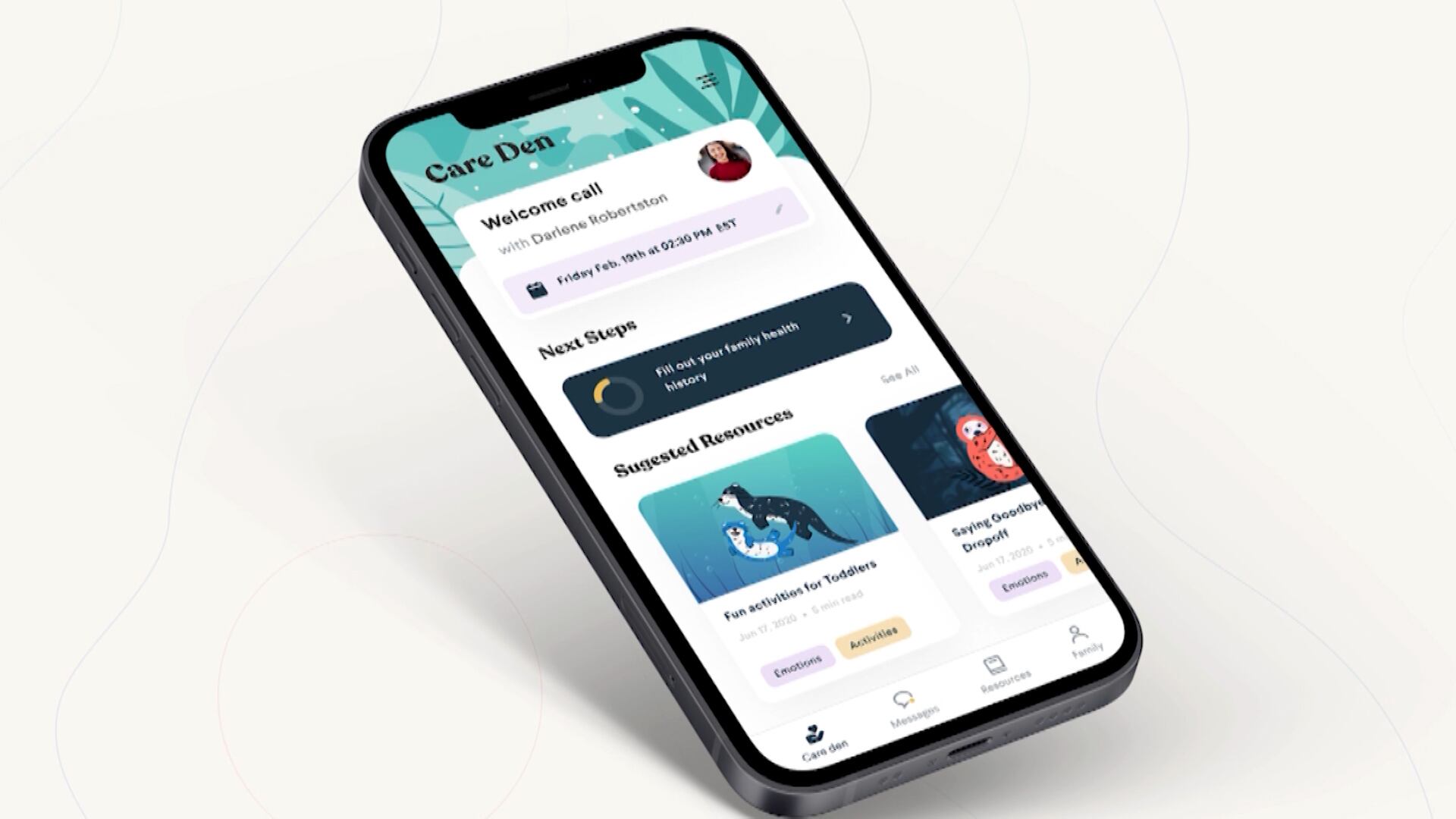
Digital mental health company Little Otter recently announced it closed a $22 million Series A round. Little Otter was founded in 2020 by a mother-daughter team, which based the company on the idea that a child's mental health can only be addressed by treating the whole family through technology available to everyone. Little Otter CEO and co-founder Rebecca Egger and her mother, Little Otter Chief Medical and Scientific Officer and co-founder Dr. Helen Egger joined Cheddar News' Closing Bell to discuss.