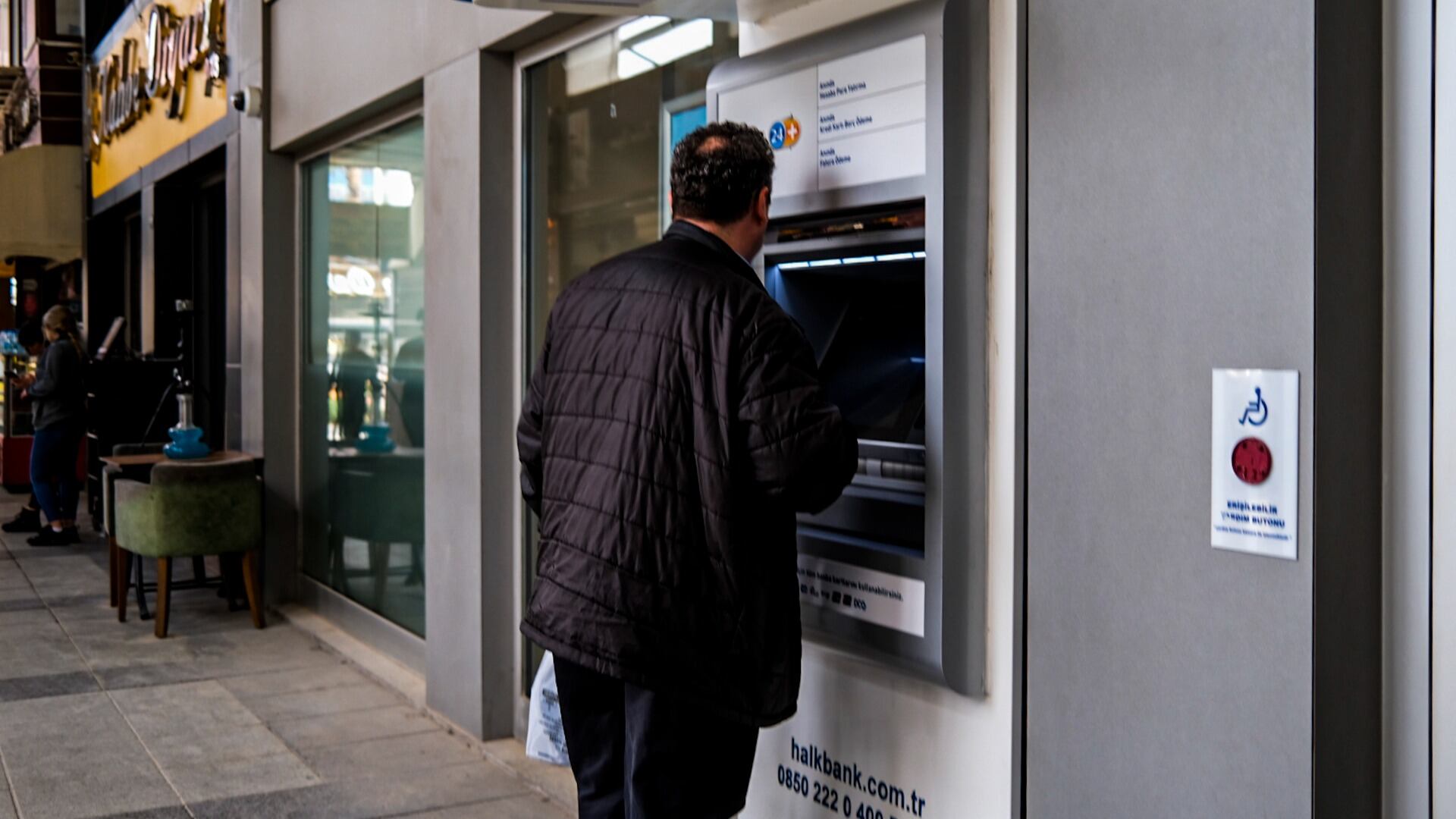
A man seen making a transaction at an ATM. (Photo by Murat Kocabas/SOPA Images/LightRocket via Getty Images)
Cash is becoming less relevant by the day as more people opt for digital payment methods resulting in a dip in ATM usage.
A study by research company Euromonitor International found that the number of available banking machines in the U.S. has dropped by more than 18,000 since 2019, a time when there was the highest number of them at any time in history.
The drop off is being linked directly to the gradual transition towards digital payment options, which accelerated during the COVID-19 pandemic.
"There was that scare that the virus was transmitted by paper, plus the trend of just buying everything online," said Kendrick Sands, consumer finance research manager at Euromonitor International, according to The Wall Street Journal.
The accessibility of digital payment platforms like Venmo, Cash App, and Zelle have also seemingly contributed to the decline in the use of cash. But for making small payments, the ATM Industry Association notes that cash is still the preferred method of payment on items that cost less than $25.
The decrease in ATM usage comes with its own set of issues, as large numbers of people still rely on cash. As fewer cash machines become available, access to funds for those groups will become more difficult.
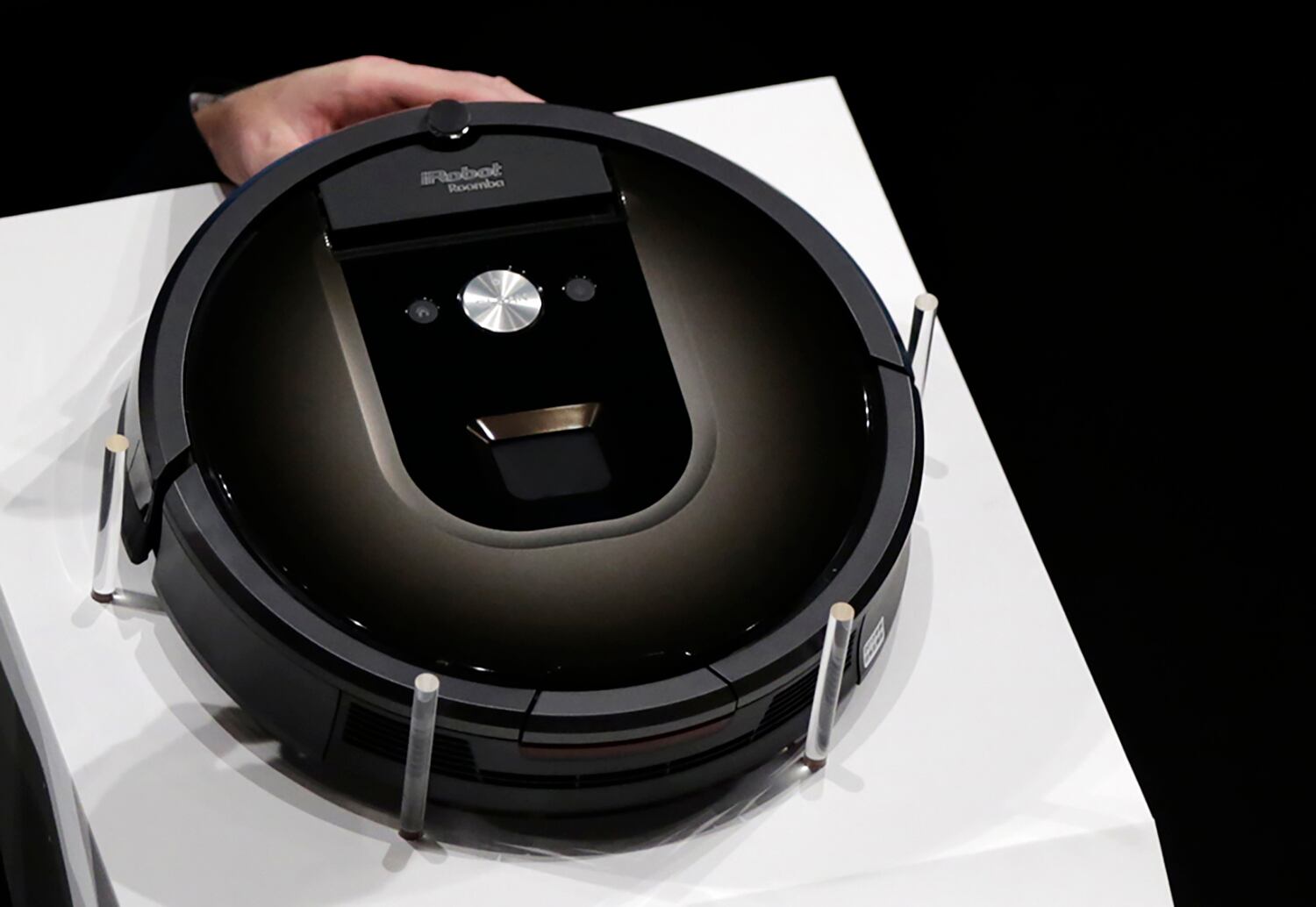
Amazon blamed "regulatory hurdles" for calling off its proposed acquisition of robot vacuum maker iRobot. Not even a Roomba could clean up the deal's antitrust scrutiny.
To celebrate Flutter Entertainment's debut on the NYSE, FanDuel CEO Amy Howe shares her thoughts on the company's plans for growth, the future of online sportsbetting, and Super Bowl Sunday.
Investopedia's Caleb Silver shares thoughts on the upcoming Fed meeting, why individual investors are still slightly skeptical, and what he's looking for from mega cap tech earnings.
Season's greetings! Tax season, that is. January 29 is the first day you can file your tax return. We walk you through each step — plus a checklist you can download.
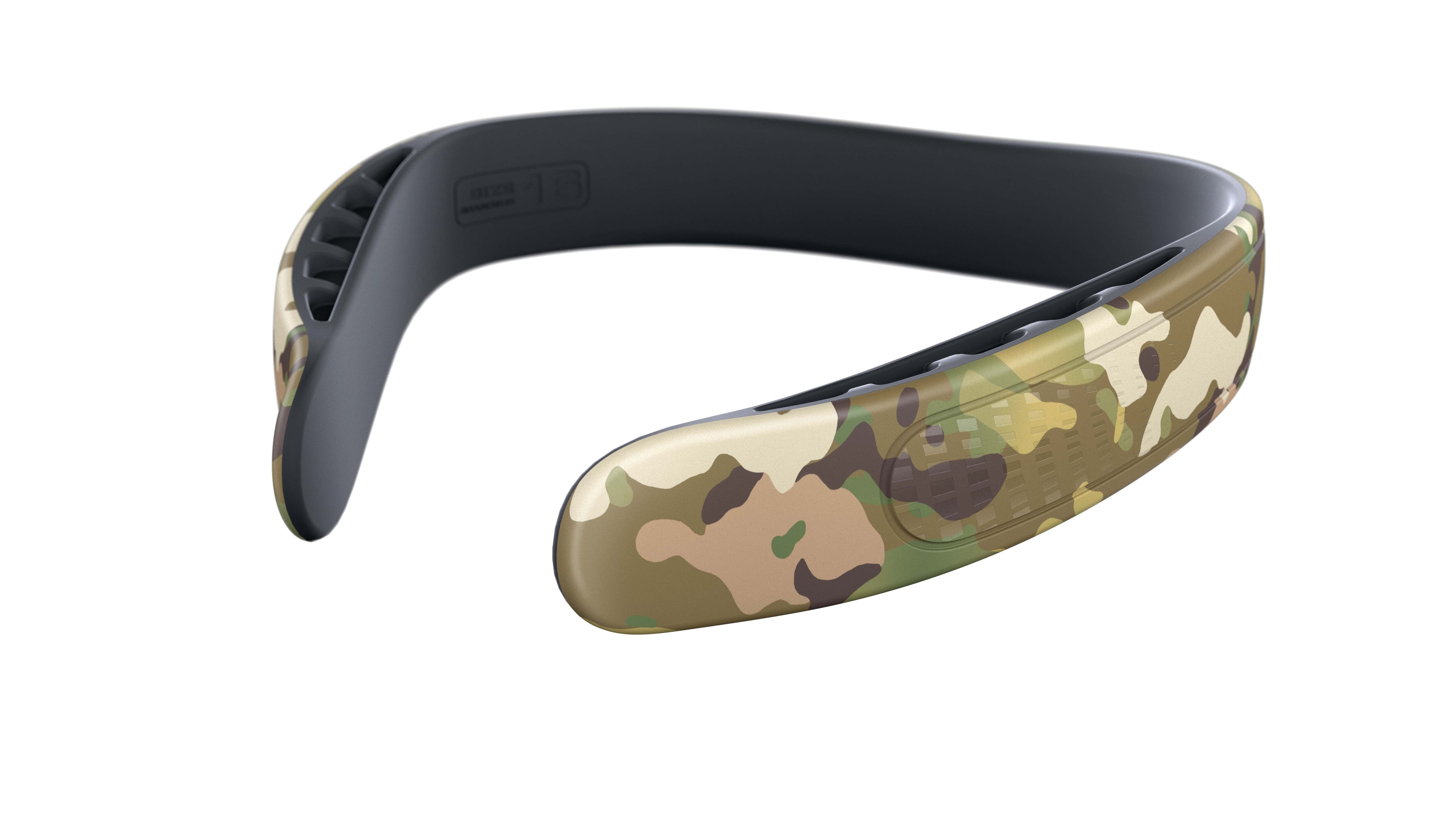
The Q-Collar helps protect athletes from impact-related concussions. Now, the U.S. Army is evaluating if the device could help reduce traumatic brain injury cased by blast weapons.
Co-founder and executive chairman of the board at Vaxxinity Lou Reese shares how the company is working to bring vaccines for chronic illnesses like heart disease and Parkinson’s to market with an eye for accessibility.
Mario Veneroso, Kingsview Asset Management Partner, weighs in on the latest economic data and whether the market is pricing in too many rate cuts for the coming year.