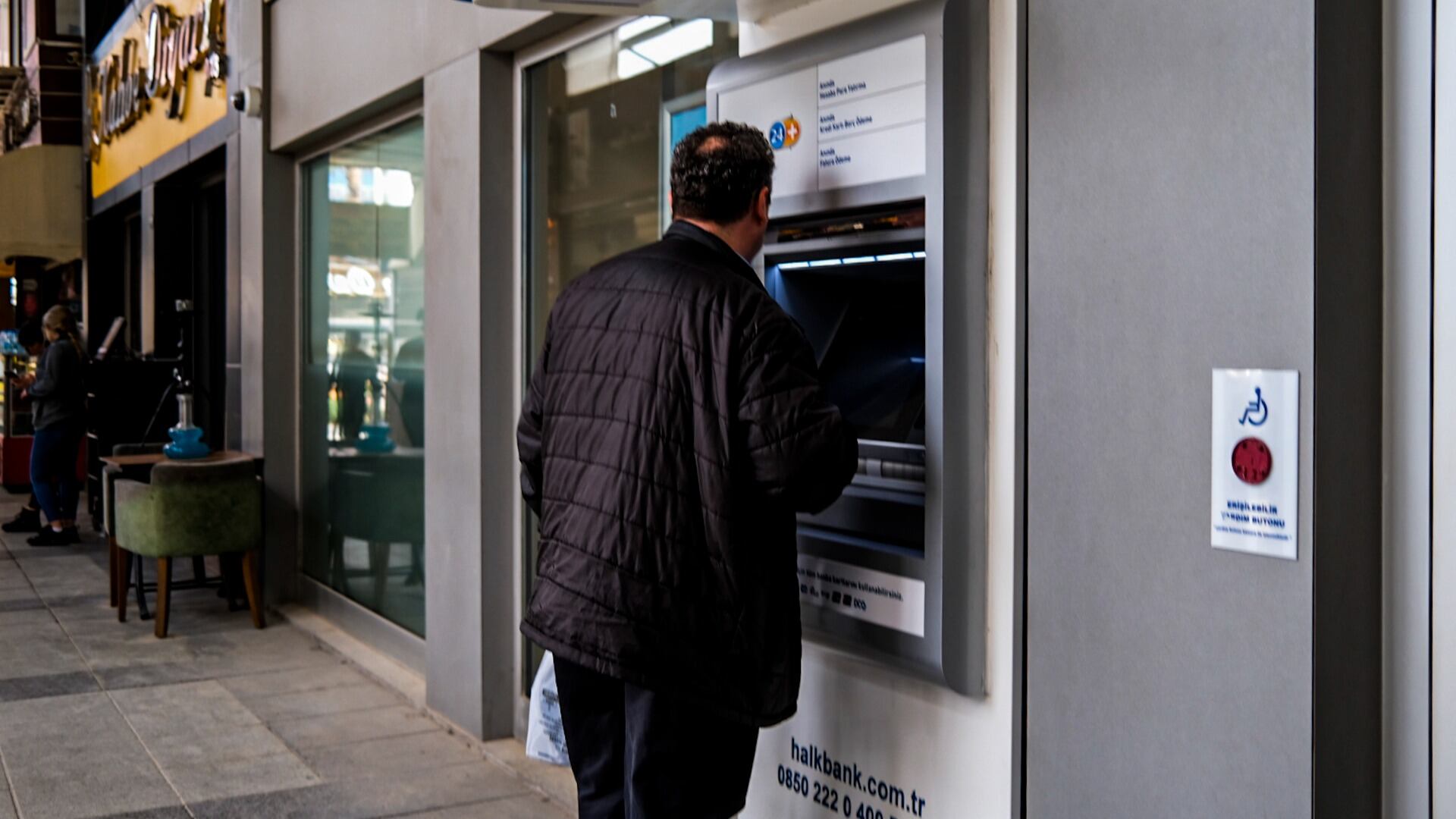
A man seen making a transaction at an ATM. (Photo by Murat Kocabas/SOPA Images/LightRocket via Getty Images)
Cash is becoming less relevant by the day as more people opt for digital payment methods resulting in a dip in ATM usage.
A study by research company Euromonitor International found that the number of available banking machines in the U.S. has dropped by more than 18,000 since 2019, a time when there was the highest number of them at any time in history.
The drop off is being linked directly to the gradual transition towards digital payment options, which accelerated during the COVID-19 pandemic.
"There was that scare that the virus was transmitted by paper, plus the trend of just buying everything online," said Kendrick Sands, consumer finance research manager at Euromonitor International, according to The Wall Street Journal.
The accessibility of digital payment platforms like Venmo, Cash App, and Zelle have also seemingly contributed to the decline in the use of cash. But for making small payments, the ATM Industry Association notes that cash is still the preferred method of payment on items that cost less than $25.
The decrease in ATM usage comes with its own set of issues, as large numbers of people still rely on cash. As fewer cash machines become available, access to funds for those groups will become more difficult.
Doug Clinton, Deepwater Asset Management managing partner, shares tips for investors looking to take advantage of the massive boom in artificial intelligence beyond Microsoft and Nvidia.
Jason Moser, analyst and adviser at the Motley Fool, shares thoughts on recent tech earnings, including what’s behind Google’s share price drop and why A.I. could be Microsoft’s ‘iPhone moment.’
CEOs of social media platforms like Facebook, TikTok, and more meet with lawmakers Wednesday about how they are protecting children from sexual exploitation.
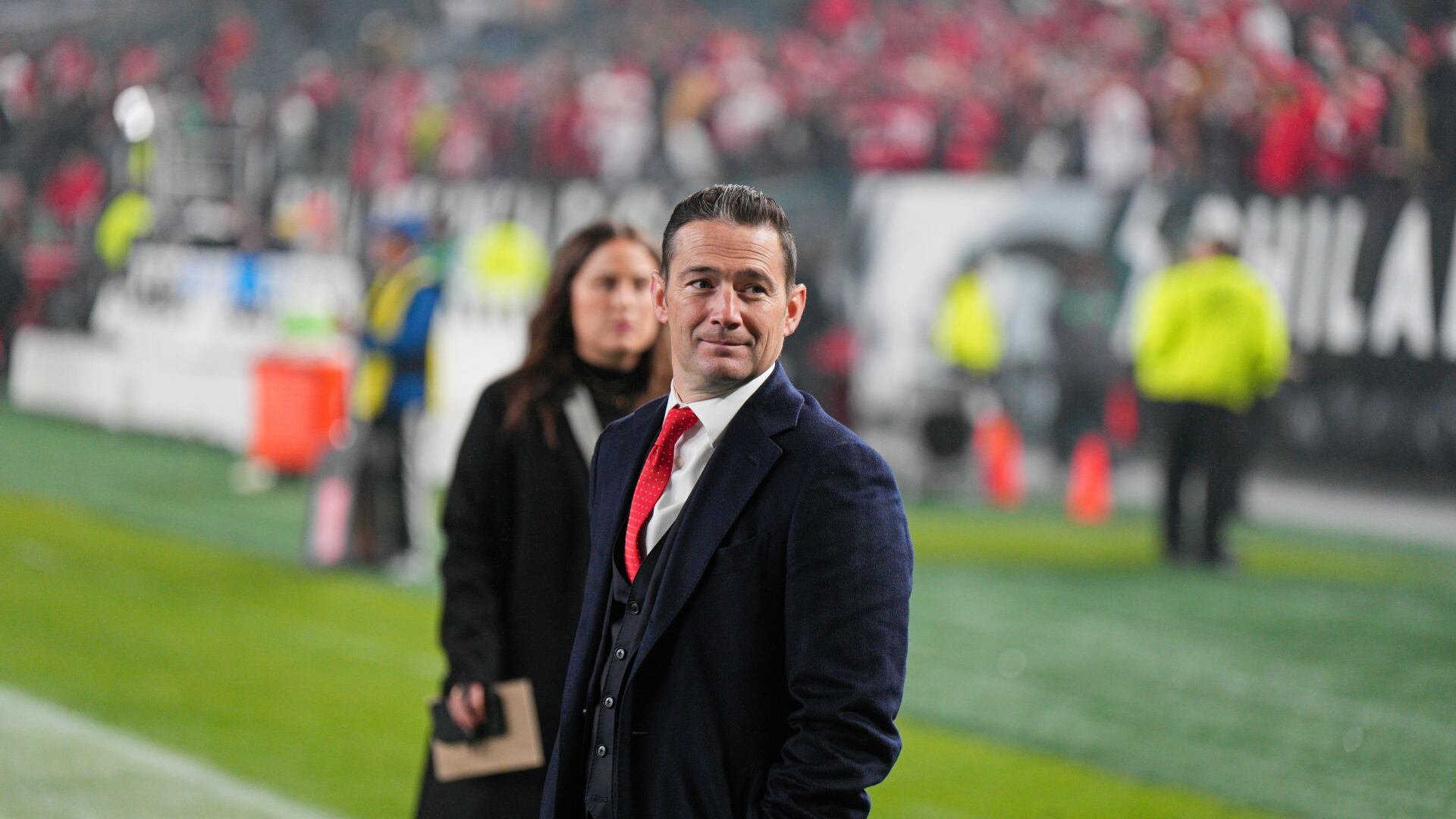
San Francisco 49ers president Al Guido discusses what goes into preparing for Super Bowl LVIII, building a championship-ready team, and how Taylor Swift and streaming are both bringing new fans to the NFL.
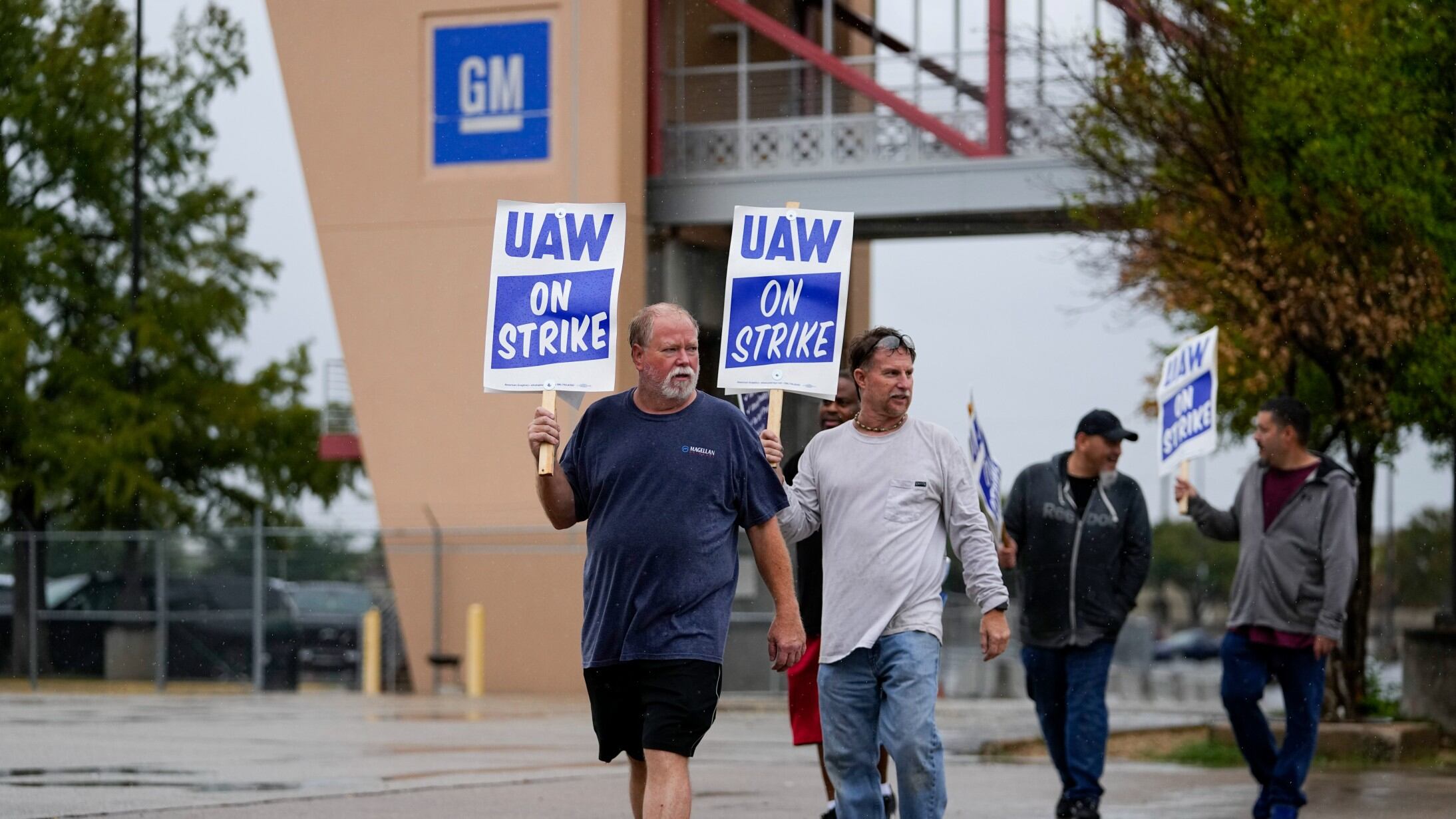
A $1 billion loss from a six-week strike did not crash GM's net income last year, which instead rose 12% — and the automaker expects improvement in 2024, too.
Accrue CEO and founder Michael Hershfield explains why Americans' credit card delinquencies are on the rise, advice on what can help, and the key difference between Boomers and Gen Z when it comes to money.
Senior Economist at Morning Consult Kayla Bruun shares thoughts on what to expect from the Fed's January meeting and where monetary policy is headed, as well as how consumers are faring.
Former Medtronic CEO and author of 'True North' Bill George explains the steps Boeing leadership must take to regain client and consumer trust after 737 Max 9 production was stopped.