Stonyfield Expands Beyond Organic Yogurt to Organic Fields
Stonyfield Organic, one of the brands often credited with introducing Americans to organic foods, is celebrating its 35th anniversary with a three-year, $500,000 initiative to eliminate the use of pesticides in parks and fields of 35 communities across the country.
"A lot of the epidemic health problems that kids are facing ー ADHD, asthma, and all kinds of immune issues ー are related to the pesticide exposures, not just in what we eat but what we put on our bodies," said the Stonyfield Organic founder Gary Hirshberg.
In an interview with Cheddar on Tuesday, Hirshberg said the latest research from Mount Sinai School of Medicine in New York was "shocking", noting that children are exposed to a "cocktail" of pesticides on a daily basis.
The good news, Hirshberg said, is that the more we know about the problems, the more we can learn about the solutions.
Stonyfield Organic decided to take action after conducting its own study, which showed 67% of parents in the United States were more likely to buy an organic product because of fear of pesticides. But nearly the same number, 69%, were uninformed when it came to what kind of pesticides were being used in the fields and parks where their children play.
For the full interview, [click here](https://cheddar.com/videos/stonyfield-organic-celebrates-35-years).
Student loan debt continues to be a major concern for tens of millions of Americans who collectively owe about $1.7 trillion. Black college students often take on larger amounts of student debt in order to pay for a higher education. In turn, they are more likely to struggle post-graduation with repaying their debt, creating a racial wealth gap divide. Andre Perry, senior fellow at Brookings Institution joined All Hands to help break down the black student debt crisis.
BTS’ hit single “Butter” tops the zeitgeist again, bumping back up to number one on Billboard’s Hot Trending Chart. The chart tracks what songs people are talking about rather than what they're listening to.
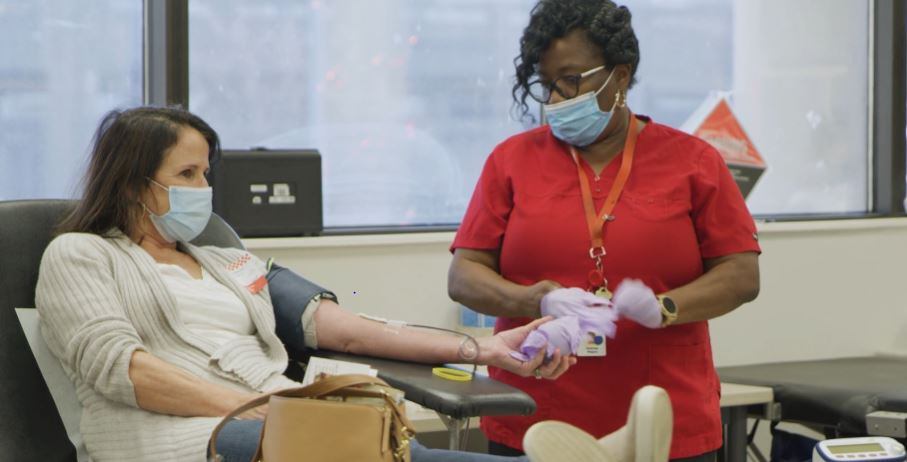
The American Red Cross has declared its first-ever "national blood crisis" in the United States. Since COVID hit the U.S. in March 2020, blood donations have declined by 10 percent. American Red Cross Medical Director, Dr. Baia Lasky joined Cheddar News to discuss the country facing the worst blood shortage in over a decade. Dr. Lasky noted that as much as 40 percent of Americans are eligible to donate blood but only about 4 percent do so. "This is going to be ongoing," she said. "This is not an acute shortage. We really do need the commitment of people to come out and donate and donate again." Appointments to donate can be made by using the Red Cross Donor App, at RedCrossBlood.org, or calling 1-800-RED CROSS (1-800-733-2767).
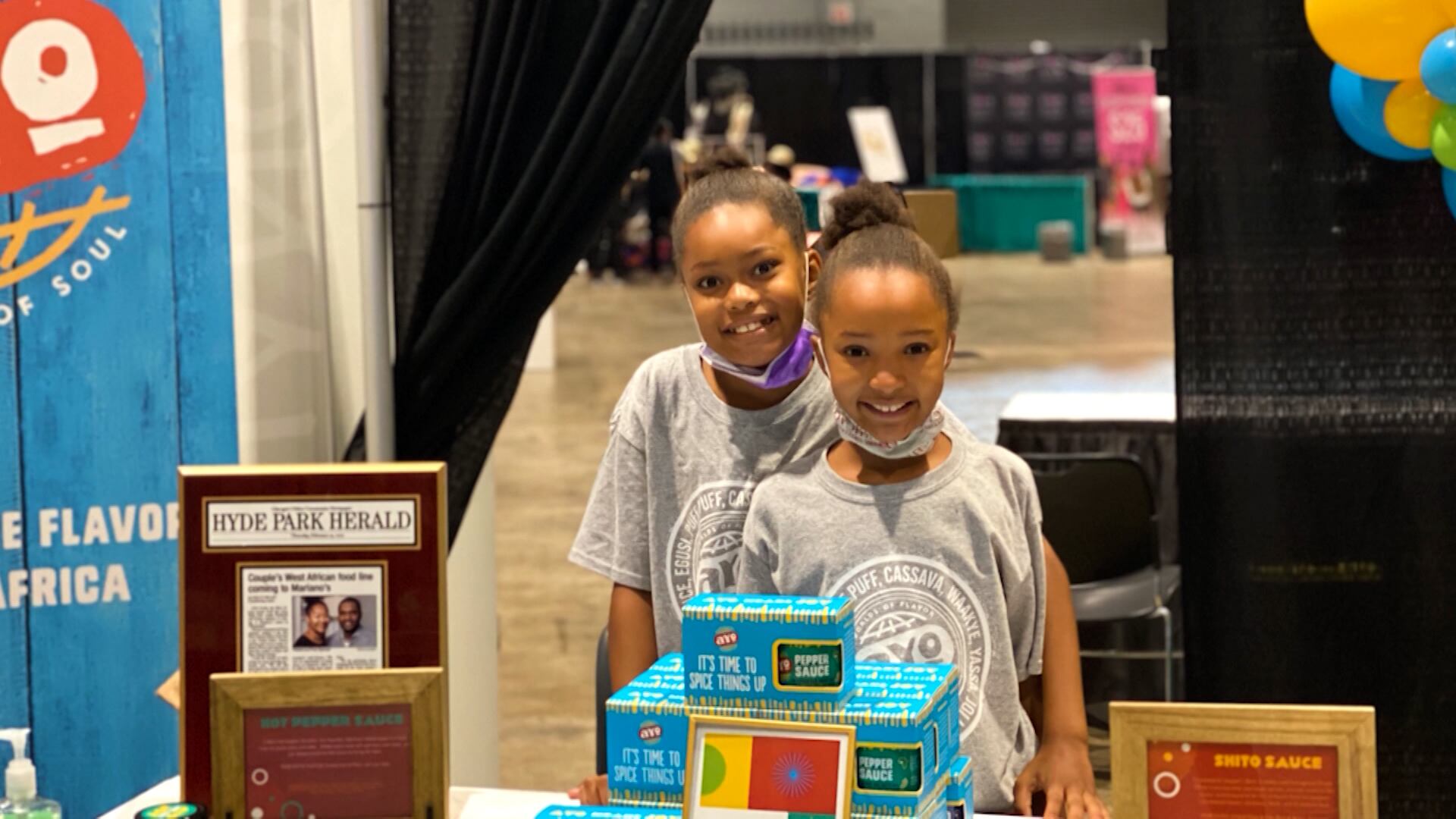
On this episode of ChedHER: Co-Founder of VC firm CaJE breaks down how she's creating a new era of venture capital and empowering Black women with 'soil' funding to start and grow their businesses; AYO Foods Co-Founder discusses how the brand is bringing West African cuisine to the frozen food industry and building a grocery aisle her daughters can be proud of; Chief Marketing & Customer Experience Officer at Chase Auto talks her experience being a woman of color in the auto industry, and why transportation is so important to financial freedom.
Renée Horne, chief marketing and customer experience officer at Chase Auto, joins ChedHER to discuss her experience being a woman of color in the auto industry and why transportation is so important to financial freedom.
Perteet Spencer, Co-Founder of AYO Foods, joins ChedHER to discuss how the brand is bringing West African cuisine to the frozen food industry and building a grocery aisle her daughters can be proud of.
Crystal Etienne, Founder and CEO of period apparel company Ruby Love and Co-Founder of VC firm CaJE, joins ChedHER to discuss her experience bootstrapping her company to $10 million, and how she's creating a new era of venture capital and empowering Black women with 'soil' funding to start and grow their businesses.