By Stan Choe
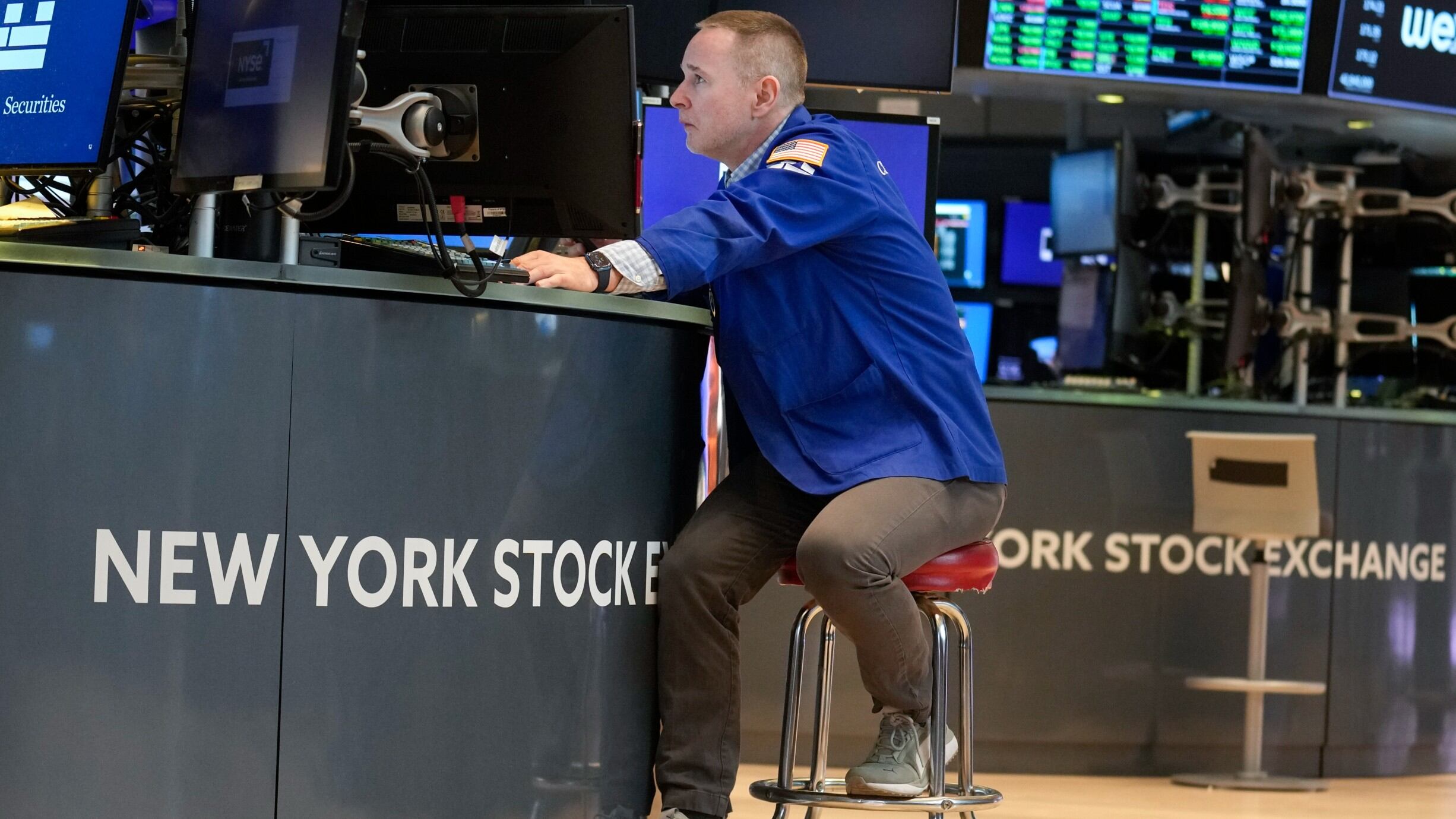
Most stocks marched lower Wednesday as stubbornly sticky inflation has Wall Street bracing for interest rates to stay higher for longer.
The S&P 500 fell 0.5% in its first trading after coming off a frigid February. The Dow Jones Industrial Average edged up by 5 points, or less than 0.1%, while the Nasdaq composite fell 0.7%.
After a hot start to the year, the stock market has struggled as data piled up to show inflation and the overall economy are remaining more resilient than expected. That forced many investors to delay their forecasts for a recession to later in the year, while also raising their expectations for how high the Federal Reserve will take interest rates.
Higher rates can drive down inflation, but they hurt the economy by making borrowing more expensive and raise the risk of a recession later on. They also drag down on prices for stocks and other investments.
Wall Street got another reminder of inflation's stubbornness from the latest report to show that U.S. manufacturing is weakening. A report from the Institute for Supply Management said that a measure of prices paid rose in February and hit its highest level since September.
“The biggest risk to markets is an economy that stagnates yet continues to struggle with nagging inflation pressures,” said Jeffrey Roach, chief economist for LPL Financial, in a note to investors.
The market's expectations have firmed for the Fed to stay aggressive in order to ensure inflation falls toward its 2% goal. Traders have pulled back bets that the central bank could cut rates later this year, and some have increased bets it may reaccelerate the pace of its hikes later this month.
The widespread expectation is now for the Fed to take its key overnight rate to at least 5.25% by June. Some bets are also calling for the rate to top 5.50%, its highest level since 2001. The rate is currently in a range of 4.50% to 4.75% after starting last year at basically zero.
Treasury yields rose immediately after the release of the manufacturing data. They had shot higher in February as expectations rose for the Fed and rates.
Several big-name retailers have already offered discouraging forecasts for the upcoming year given the challenges U.S. households are facing because of high inflation and other factors.
Kohl’s fell 1.9% after it joined them. It also said it swung to a surprise loss for the three months through Jan. 28.
Ross Stores edged up 0.1% after spending most of the day lower despite reporting better profit and revenue for the latest quarter than expected. It gave a forecast for profit this upcoming year that fell short of Wall Street’s expectations.
Its CEO, Barbara Rentler, said the company wanted to be conservative given so much uncertainty about the economy and world. She said high inflation is continuing to hit low to moderate-income customers.
Vaccine company Novavax tumbled 25.9% after it warned there’s “substantial doubt” about its ability to stay in business over the next year. It reported a net loss of $657.9 million for the last year.
Lowe’s fell 5.6% for one of the largest losses in the S&P 500 after it reported weaker revenue for the latest quarter than expected.
On the winning side was First Solar, which jumped 15.7% after it reported stronger results for the latest quarter than expected and continued bookings for the future.
All told, the S&P 500 fell 18.76 points to 3,951.39. The Dow rose 5.14 to 32,661.84, and the Nasdaq fell 76.06 to 11,379.48.
Stock markets overseas were strong following some encouraging data on the world’s second-largest economy.
Hong Kong’s Hang Seng index jumped 4.2% and stocks in Shanghai gained 1% after reports on manufacturing in China showed a strong recovery after anti-virus controls were lifted late last year. That followed a slump in activity that dragged last year’s economic growth to 3%, China's second-lowest level since at least the 1970s.
In the bond market, the yield on the 10-year U.S. Treasury rose to 3.99% from from 3.93% late Tuesday. It helps set rates for mortgages and other loans that shape the economy, and it's near its highest level since November after topping 4% earlier in the day.
The two-year yield, which moves more on expectations for the Fed, rose to 4.89% from 4.82%
___
AP Business Writers Damian J. Troise, Yuri Kageyama and Matt Ott contributed.