By Stan Choe and Damian J. Troise
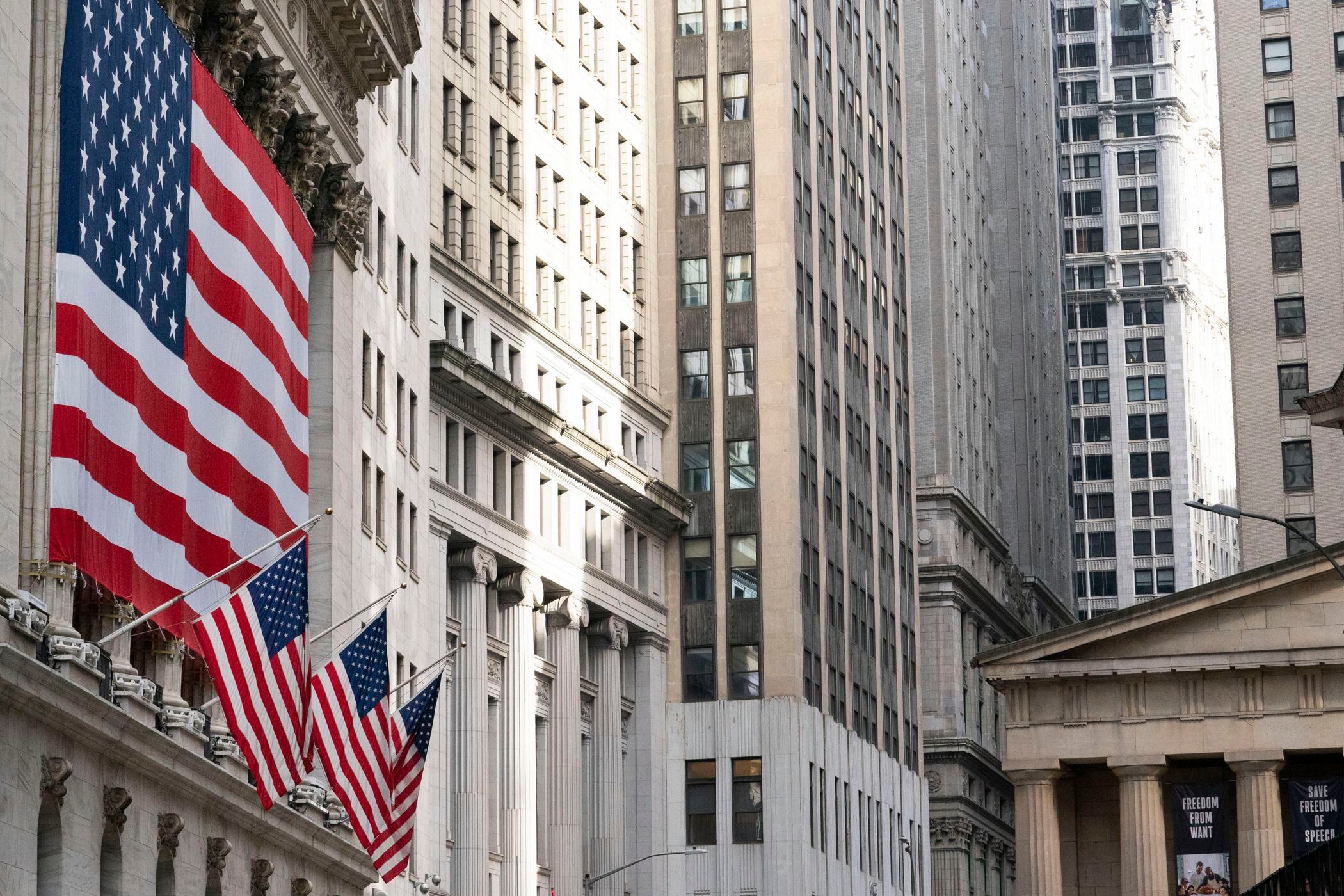
Wall Street took a breather Friday after a blistering rally that gave the market its biggest weekly gain since April and indicated investors see plenty of benefits from more gridlock in Washington.
The S&P 500 inched down 1.01 point, or less than 0.1%, to 3,509.44, leaving its blockbuster gain for the week at 7.3%. The wild week was dominated by an election that, as of Friday afternoon, had yet to definitively show who the U.S. president would be next year or which party would control the next Congress.
While stocks cooled, the bond market got a shot of optimism about the economy from a report showing U.S. employers hired more workers last month than economists expected. Treasury yields climbed, a sign of improved confidence.
This week’s gains for stocks more than made up the sharp losses from the prior week, when all the uncertainty around the election helped send markets tumbling.
Even though plenty of uncertainties remain, stocks surged after early election results indicated control of Congress may remain split between Democrats and Republicans. That raised investors’ expectations that business-friendly policies may stick around in Washington, regardless of who wins the presidency. The gains were so forceful, though, that analysts cautioned more volatility may be ahead given all the risks that remain for the market.
The Dow Jones Industrial Average slipped 66.78 points, or 0.2%, to 28,323.40. The Nasdaq composite edged up by 4.30 points, or less than 0.1%, to 11,895.23. For both the Dow and S&P 500, Friday’s tiptoe lower was their first loss of the week.
The yield on the 10-year Treasury climbed to 0.81% from 0.78% late Thursday after the U.S. government said employers added 638,000 jobs last month. The stronger-than-expected tally suggests the economic recovery may still be intact, though it also marked another slowdown in monthly job growth.
The rally helped the 10-year Treasury yield claw back some of its recent slide. It had been above 0.90% earlier this week when expectations were rising that a Democratic sweep of Tuesday’s elections could open the door for a big stimulus effort for the economy.
Electoral results so far, though, have sharply cut the prospects for such a “blue wave.” Democrat Joe Biden looks to be closing in on the presidency, with votes still being counted in several key states, but Republicans held onto several seats in the Senate that were considered vulnerable.
The upside of gridlock for stock investors is that it may prevent Democrats from approving some of the measures they feared, such as higher tax rates and tougher antitrust policies for big technology companies. Stocks around the world have surged on what analysts are calling a “Goldilocks” scenario.
But split control of Washington has downsides too, and analysts said those and other risks for the market could upend what's been a jubilant week.
“Investors are seemingly turning a blind eye to these risks, which could keep market volatility elevated near-term,” said Lindsey Bell, chief investment strategist at Ally Invest.
One downside of a divided Washington is that any support package for the economy from Congress would likely be less generous than if Democrats had swept the election.
Investors and economists say the economy needs such stimulus, particularly when the country’s new coronavirus cases are setting records once again. Europe is also facing a troubling rise in infections, and governments there have already brought back restrictions on businesses in hopes of slowing the spread.
Even if the strictest lockdowns don’t return in the United States, the worry is that the worsening pandemic will scare consumers by itself and erase profits for businesses.
“We're still kind of beholden to the pandemic,” said Ross Mayfield, investment strategist at Baird. “The pace of a vaccine and the path of the virus, that’s still what controls our fate.”
Another risk for the market is that of a drawn-out, disputed election for the presidency. Markets see cause for optimism if either Biden or President Donald Trump wins, and what investors want more than anything is for a clear winner to emerge.
Biden appears to be closing in on the needed electoral votes to win, but Trump has launched a litany of claims, without proof, about how Democrats were trying to unfairly deprive him of a second term.
His campaign has already filed legal challenges in several states. If the election drags on through court challenges, the resulting rise in uncertainty could send stocks spinning, analysts say.
“Financial markets probably will look past the lawsuits, if Biden can win without Pennsylvania or Georgia,” said Paul Christopher, head of global market strategy at Wells Fargo Investment Institute.
Control of the Senate by Republicans is also still not a certainty, even if indications lean that way. It could depend on results from a January runoff election in Georgia, and a surprise there could upset markets.
Among Wall Street's biggest losers Friday was Electronic Arts, whose shares slumped 7.1%. It reported stronger results for the latest quarter than analysts expected, but it fell short of forecasts for revenue.
On the winning side was CVS Health, which rose 5.8% after it named veteran insurance executive Karen Lynch its next CEO and reported better results for the latest quarter than expected.
European markets closed mostly lower, and Asian markets ended mostly higher.
AP Business Writer Joe McDonald contributed.
Updated on November 6, 2020, at 4:38 p.m. ET with additional details.