By Damian J. Troise and Alex Veiga
Stocks fell broadly on Wall Street Wednesday, adding to losses in the market a day after the S&P 500 had its biggest drop in four weeks.
The benchmark index fell 1.1%, its second straight loss coming off a five-day winning streak. The selling accelerated in the final hour of trading, with the S&P 500's technology, health care, financial and industrial companies weighing down the index the most.
Only the index's consumer discretionary sector, which includes a mix of companies that rely on consumer spending, rose as investors bid up shares in Lowe's and other big retailers that reported better-than-expected quarterly results. Even so, the S&P remains near its all-time high set on Monday.
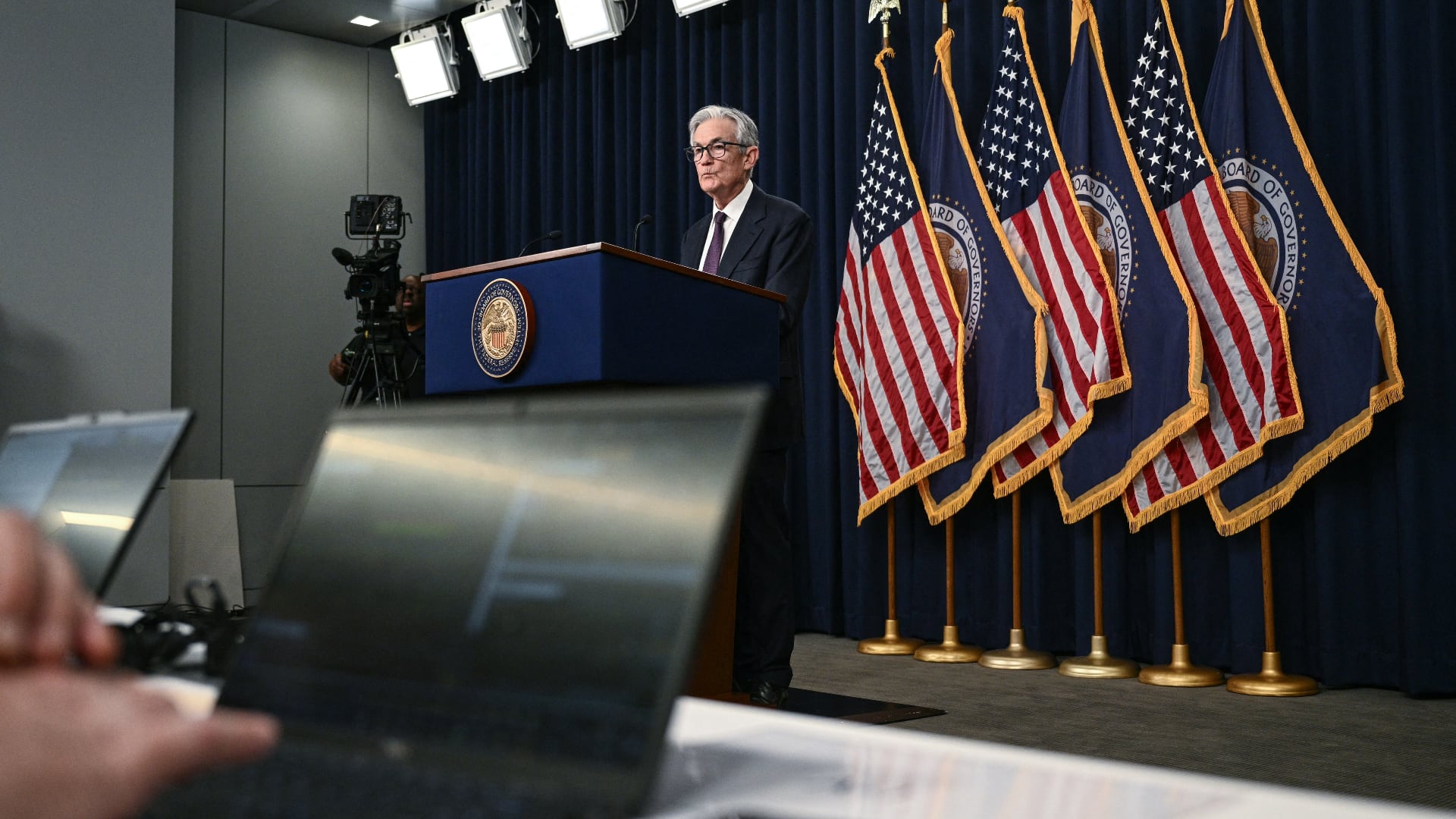
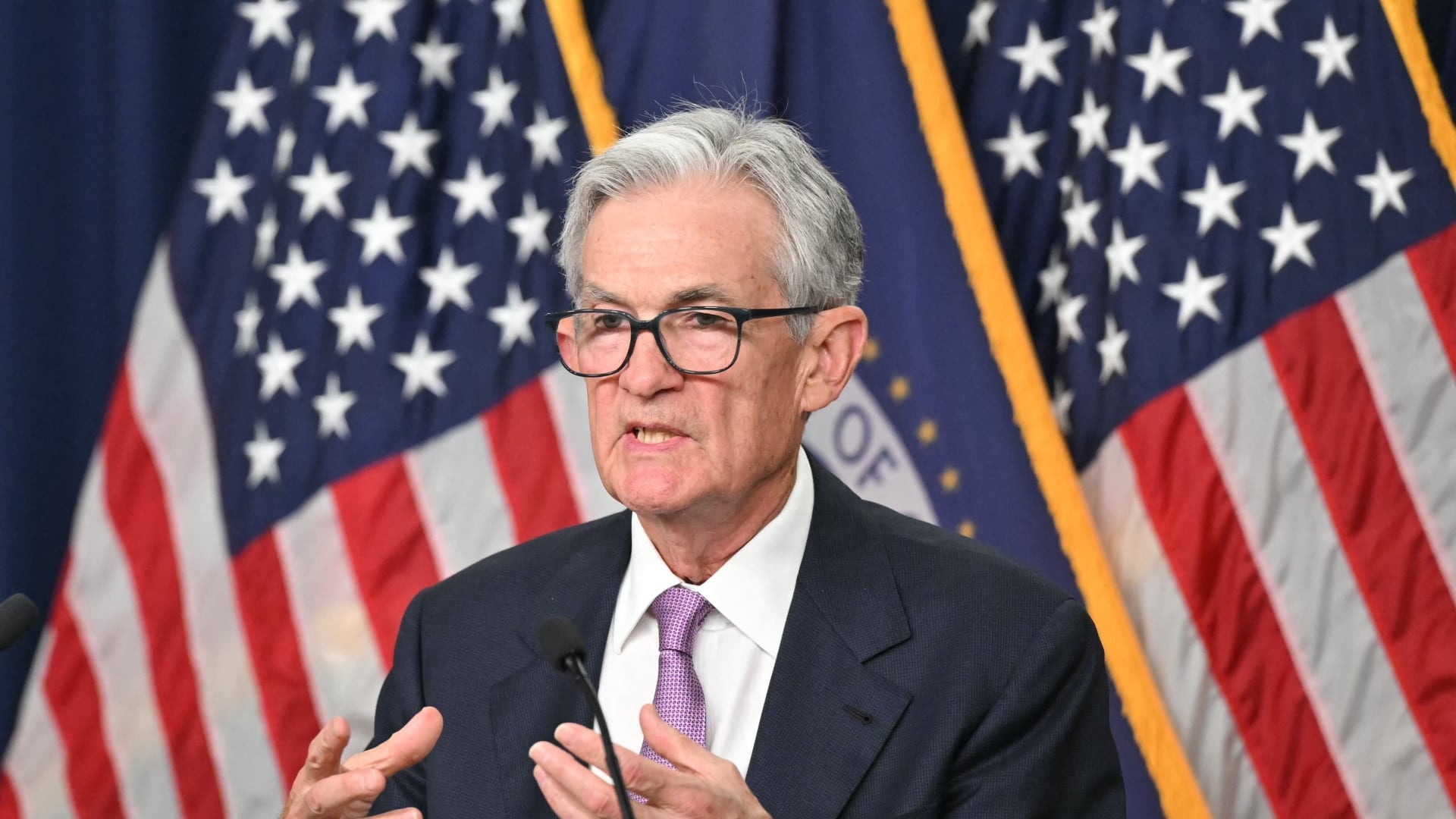
The market didn’t react much initially to the afternoon release of the minutes from the Federal Reserve’s latest policy meeting, which confirmed that central bank policymakers have made no firm decision about when to start unwinding their support measures for the economy, which has been steadily recovering from the pandemic recession.
The surge this summer of virus cases because of the highly contagious delta variant now hangs over the broader market and is blurring the view on the economy’s continued recovery. The path of the virus and its impact on consumer spending and job growth could be a factor in the Fed’s decision making.
“We’re having a pretty cautious week for the most part,” said Chris Zaccarelli, chief investment officer for Independent Advisor Alliance. “A lot of the people who were optimistic that reopening would happen quickly are obviously disappointed, but we’re looking at what’s happening with the delta variant as more of a setback, not a change in direction."
The S&P 500 index fell 47.81 points to 4,400.27. The Dow Jones Industrial Average slid 382.59 points, or 1.1%, to 34,960.69. The Nasdaq composite lost 130.27 points, or 0.9%, to 14,525.91.
Small company stocks also fell, sending the Russell 2000 index down by 18.39 points, or 0.8%, to 2,158.78.
The yield on the 10-year Treasury note rose to 1.27% from 1.25% late Tuesday.
The minutes from the Federal Reserve’s policy meeting last month, released at 2 p.m. Eastern, showed that Fed officials discussed the idea of beginning to taper the Fed's extraordinary support for the U.S. economy later this year, though they stopped short of a firm decision on a timetable.
They also concluded that the economic recovery from the pandemic recession was moving closer to achieving the central bank’s goals on inflation and employment. As a result, the Fed is edging toward an announcement that it will begin paring the pace of its Treasury and mortgage bond buying, which now amounts to $120 billion a month. These purchases have been intended to lower longer-term interest rates and encourage borrowing and spending.
Investors are monitoring the Fed’s deliberations because the officials are likely to conclude their bond-buying program before starting to raise their benchmark short-term interest rate. That rate has been pinned near zero since the viral pandemic erupted in March 2020 and essentially shut down the economy.
Wall Street's biggest worry is that the Fed will end its easy money policies earlier than expected to combat inflation, which would put some drag on the U.S. economy in its recovery. Investors will be looking for more clues as to the Fed's moves next week, at the central bank's annual conference in Jackson Hole, Wyoming.
Beyond watching the Fed, investors sized up quarterly report cards from retailers, which are among the last industries to issue results this earnings season.
Lowe's Cos. jumped 9.6% for the biggest gain in the S&P 500 after the home improvement chain gave investors a strong sales forecast. TJX Cos. rose 5.6% after the parent of T.J. Maxx, Marshalls and other stores beat analysts’ second-quarter profit and revenue forecasts.
The surprisingly aggressive spread of the delta variant has prompted U.S. health officials to recommend COVID-19 booster shots to all vaccinated Americans, though the overall plan awaits a Food and Drug Administration evaluation of the safety and effectiveness of a third dose. Makers of COVID-19 vaccines were down following the news. Pfizer slipped 2.2% and Moderna fell 0.8%.
Updated on August 18, 2021, at 5:19 p.m. ET.