By Alex Veiga
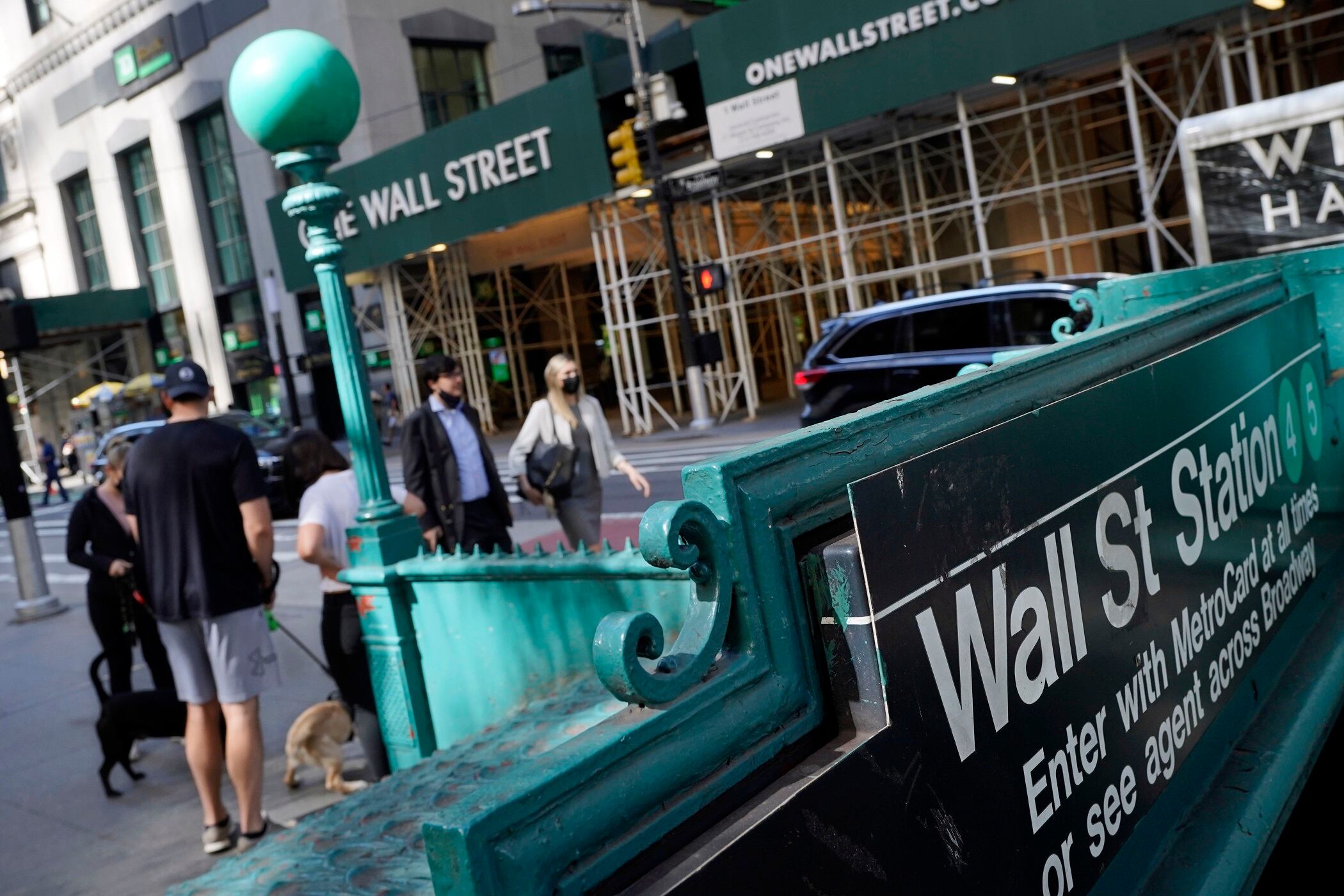
Major stock indexes on Wall Street closed mostly lower Friday, though a rally in Big Tech companies nudged the Nasdaq to another all-time high.
The S&P 500 fell less than 0.1% a day after notching a record high. The benchmark index still managed its second straight weekly gain. Losses in financial, industrial and utilities companies outweighed gains in technology stocks and other sectors of the S&P 500. Energy prices mostly fell. Gold and silver rose. Treasury yields were mixed.
Stock indexes' uneven finish followed a government report showing that U.S. employers created far fewer jobs than expected last month. The report led investors to question whether the delta variant is starting to impact economic growth.
“Investors are saying, ‘looks like this transition from reopening to a reopened economy is going to take a little bit longer,’” said Tom Hainlin, national investment strategist at U.S. Bank Wealth Management.
The S&P 500 slipped 1.52 points to 4,535.43. The Dow Jones Industrial Average fell 74.73 points, or 0.2%, to 35,369.09. The Nasdaq composite rose 32.34 points, or 0.2%, to 15,363.52, its third straight gain. The technology-heavy index also posted a weekly gain.
The indexes’ moves were mostly muted ahead of a long holiday weekend. U.S. stock markets will be closed Monday for Labor Day.
Investors focused Friday on a key barometer of economic health: the Labor Department's monthly snapshot of hiring by nonfarm companies. The report found that America’s employers added just 235,000 jobs in August, a surprisingly weak gain after two months of robust hiring, at a time when the coronavirus' highly contagious delta variant’s spread has discouraged some people from flying, shopping and eating out.
The August job gains fell far short of the big gains in June and July of roughly 1 million a month. Those gains followed widespread vaccinations that allowed the easing of many pandemic restrictions.
Technology stocks did particularly well last year during the pandemic, so it was unsurprising to see traders move back into those investments again. Broadcom and NetApp each rose 1% or more.
Travel companies took some of the heaviest losses. Carnival Corp. slid 4.4% for the biggest decline in the S&P 500. Rival Royal Caribbean fell 4.2%. Las Vegas Sands, Marriott International and Wynn Resorts also fell.
Friday's weak jobs report could actually benefit stock investors over the longer run. The Federal Reserve has indicated it might begin winding down its bond purchases of $120 billion a month that pump money into the financial system until they have more data that the U.S. recovery is on solid footing. The report may help prompt Fed policymakers to delay those plans.
Bond yields moved higher. The yield on the 10-year Treasury note rose to 1.32% from 1.30% the day before.
Updated on September 3, 2021, at 5:10 p.m. ET.