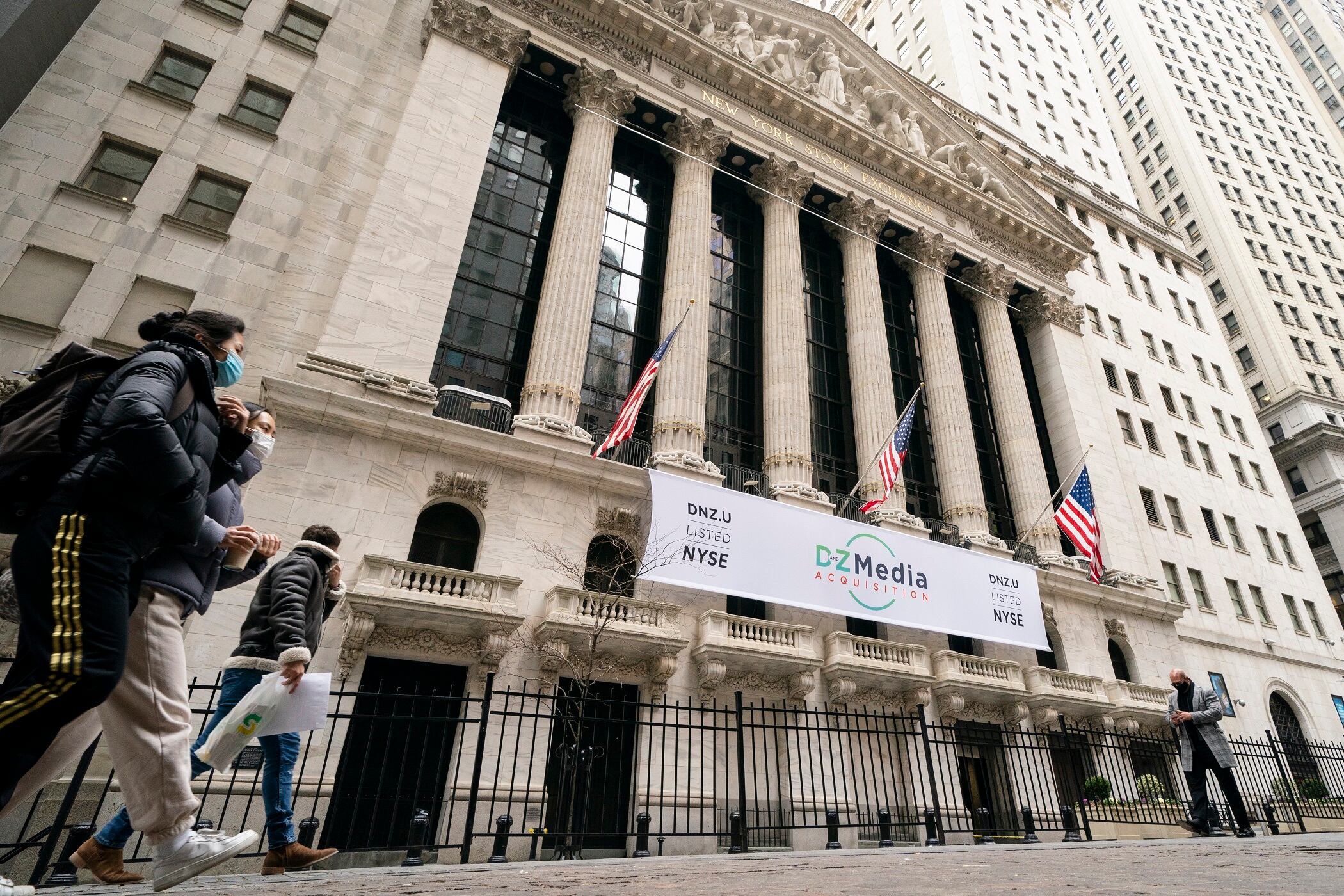
Pedestrians pass the New York Stock Exchange, Wednesday, Jan. 27, 2021, in New York. Stocks are inching higher in early trading on Wall Street Friday, Aug. 20, but not enough to erase their losses from the week. (AP Photo/John Minchillo, File)
By Alex Veiga
Technology companies led stocks broadly higher on Wall Street Friday, though the gains were not enough to erase the market's losses from earlier in the week.
The S&P 500 index rose 0.8%, but still posted a weekly loss of 0.6% after two weeks of gains. Even so, the benchmark index is less than 1% from the all-time high it set Monday.
More than 80% of S&P 500 companies notched gains, including tech sector stocks. Microsoft rose 2.6% and chipmaker Nvidia gained 5.1% for the biggest gain in the index. A mix of companies that rely on consumer spending and communications stocks also made up a big share of the rally. Energy stocks also rose, despite another decline in the price of U.S. crude oil. Treasury yields mostly rose.
Investors turned cautious this week following some disappointing economic reports on retail sales, housing and consumer sentiment. Escalating coronavirus infections across the U.S. and around the globe due to the highly contagious delta variant have also given traders reason to pause with the market near all-time highs.
“Today was the first day that the market didn’t have to deal with disappointing economic data,” said Willie Delwiche, investment strategist at All Star Charts. “We also need to remember it's a Friday in August, not typically an environment where we look for big signals out of the market.”
The S&P 500 rose 35.87 points to 4,441.67. The Dow Jones Industrial Average added 225.96 points, or 0.7%, to 35,120.08. The Nasdaq composite picked up 172.87 points, or 1.2%, to 14,714.66. The Dow and Nasdaq also posted weekly losses.
Small company stocks recovered some of their losses from earlier in the week. The Russell 2000 index added 35.18 points, or 1.7%, to 2,167.60. The index still finished with a 2.5% weekly drop.
Bond trading was quiet. The yield on the 10-year Treasury note rose to 1.26% from 1.24% late Thursday.
With earnings season winding down, investors got to see quarterly report cards from mostly retailers this week. On Friday, Ross Stores fell 2.7%, the biggest decline among S&P 500 companies, after issuing a full-year forecast that fell short of Wall Street’s expectations. Foot Locker jumped 7.3% after blowing past analysts’ forecasts for its latest quarter.
Fund managers aren’t expecting much volatility this month as investors will have little data to work with. August also tends to be a popular time for investors to take vacations, so trading volume typically declines. September tends to be a much more volatile month once Wall Street is back to work.
Still, next week could provide Wall Street with more insight on what the Federal Reserve may do about inflation. Earlier this week, minutes from the most recent Fed meeting showed that officials had discussed reducing the central bank's bond-buying program later this year to start winding down some of the emergency measures that were implemented during the pandemic. But they stopped short of setting a firm timeline.
The Fed's annual conference in Jackson Hole, Wyoming next week could offer hints on when such tapering may begin.
“From a historical perspective, the Fed doesn't make news in its minutes, but it does tend to set out policy shifts at its symposium,” Delwiche said.
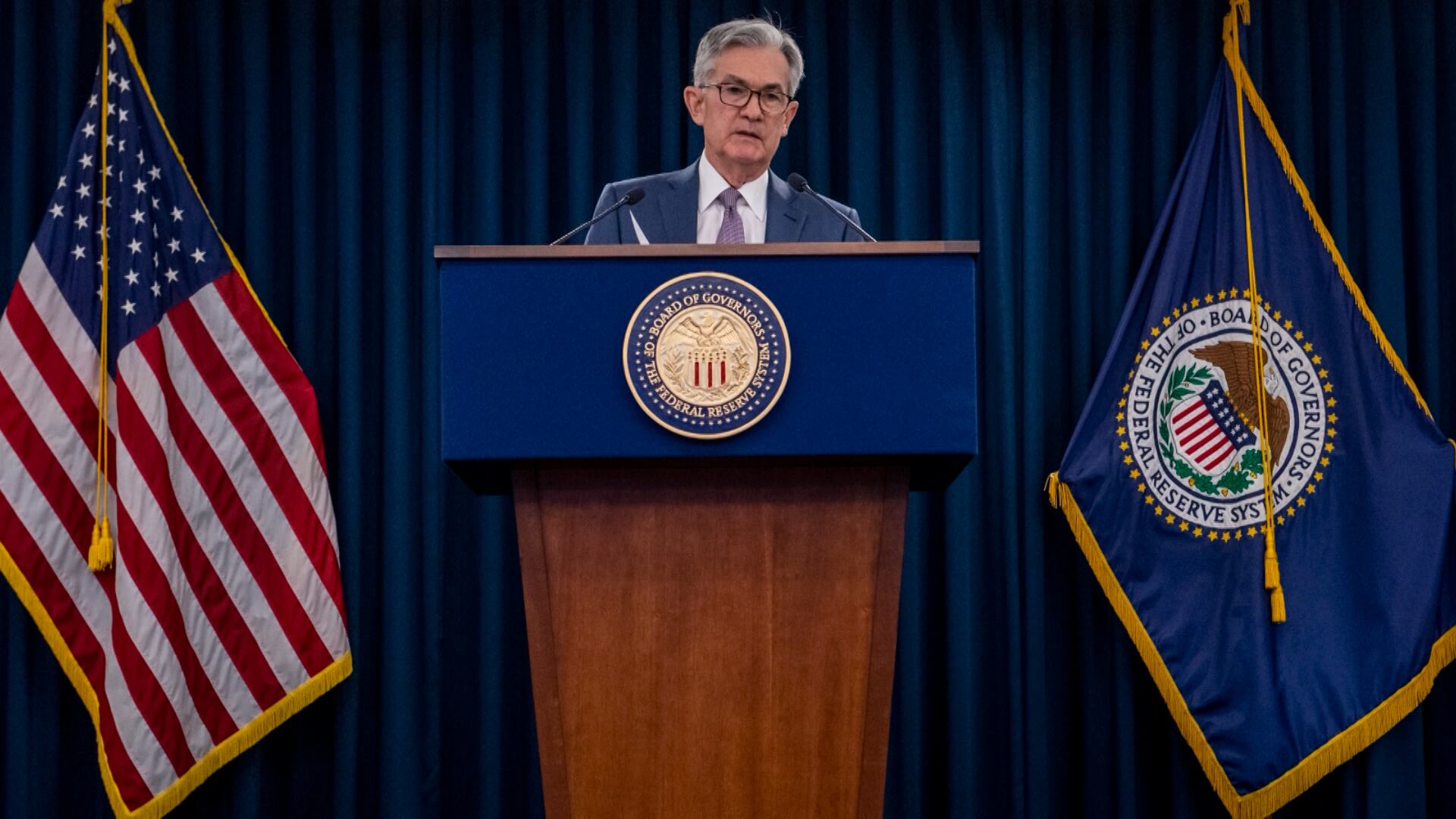
Matt Peron, Director of Research at Janus Henderson Investors, joins Cheddar News' Closing Bell, where he breaks down the factors leading to today's market slide and says there's more to it than Fed Chair Jerome Powell's comments about speeding up tapering efforts.
The United Nations Secretary-General said this year that his agency's warning about climate change was a 'code red for humanity.' So how will political pledges to lower emissions, increase green energy, and ramp up electric vehicle infrastructure play out, and can we reverse some climate damage next year? Vijay Vaitheeswaran, Global energy & climate innovation editor for The Economist, and host of 'To a Lesser Degree,' The Economist’s podcast on climate change, joins Cheddar Climate to discuss what we can look ahead to in 2022, including global policy shifts and investments from the private and public sectors, holding global leaders accountable, and more.
In recent years, extreme weather events like flooding and wildfires have become more frequent, and more severe - and scientists say global warming is to blame. Climate crises could leave people in need of help, and that's where Global Rescue steps in. The crisis response firm employs former Navy Seals and Army Rangers to rescue travelers from climate-related emergencies. Global Rescue CEO Dan Richards joins Cheddar Climate to discuss.
Cloud-based AI-powered writing assistant Grammarly recently raised $200 million in a funding round that values the company at $13 billion. The funding will be used to help Grammarly achieve its goal of becoming more ubiquitous, as the company says it wants to be the go-to writing assistant for wherever people type. Grammarly also says it aims to solve what it calls one of the most critical problems facing people and businesses today -- ineffective communication. Grammarly global head of product Rahul Roy-Chowdhury joins Cheddar News' Closing Bell to discuss.
The Competition and Markets Authority in the UK moved to block Facebook parent company Meta from acquiring the image sharing platform Giphy after saying advertisers and consumers would be adversely impacted. Hatem Dhiab, managing partner at Gerber Kawasaki Wealth & Investment, joined Cheddar to break down the decision and noted that the CMA's order could also halt other big tech firms from making similar purchases in the future. "I think this is going to be true for Facebook, it's going to happen for other big tech companies — Amazon, perhaps Google, so it's interesting that the UK is starting this wave," he said.
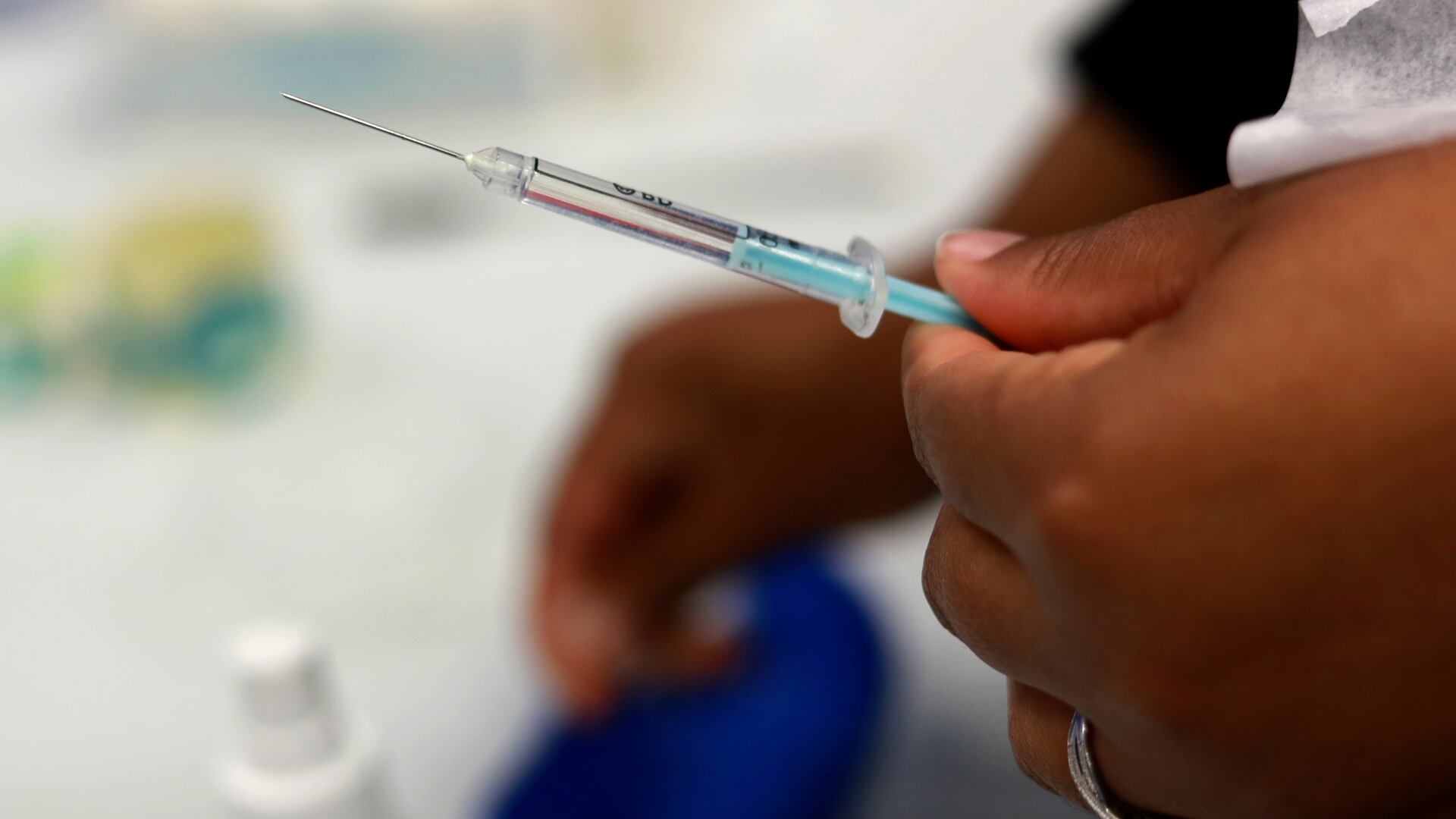
Jennifer Lotito, president and COO at the non-profit (RED), joined Cheddar to discuss the CODE (RED) campaign as the organization looks to expand its mission to support both AIDS and COVID-19 relief. She explained that people can get involved in the campaign for Giving Tuesday and ahead of World AIDS Day by shopping (RED) branded products and even using credit card rewards points to add their own support. Lotito also pointed out that COVID-19 has also impacted HIV testing as people avoid clinics out of fear of the other pandemic.
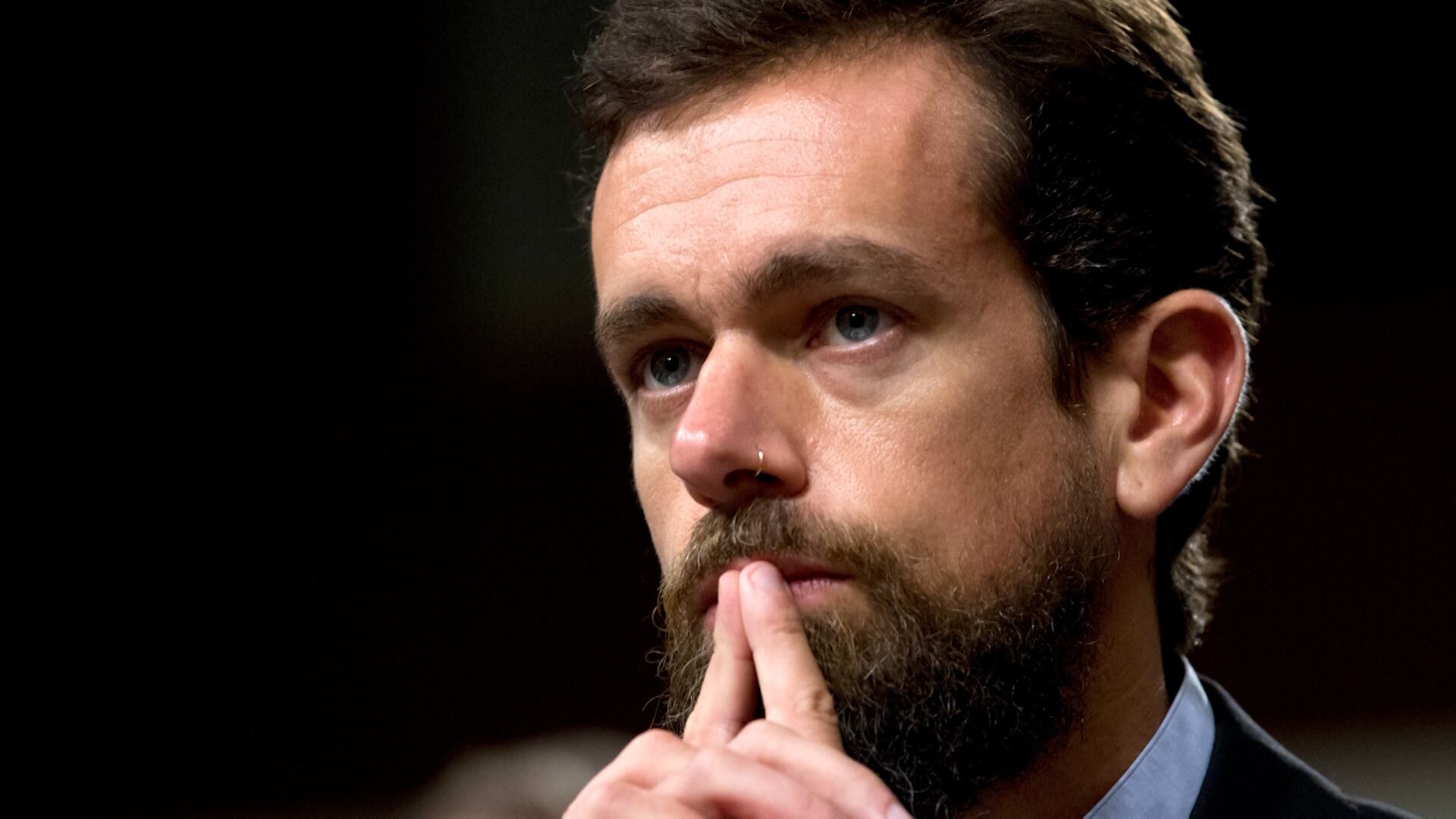
Jack Dorsey has officially stepped down as CEO of Twitter.
In a statement -- he says he is leaving because the company is ready to move on from its founders. Tom Morton, Global Chief Strategy Officer, R/GA joined Cheddar's Opening Bell to discuss the implications of the move.
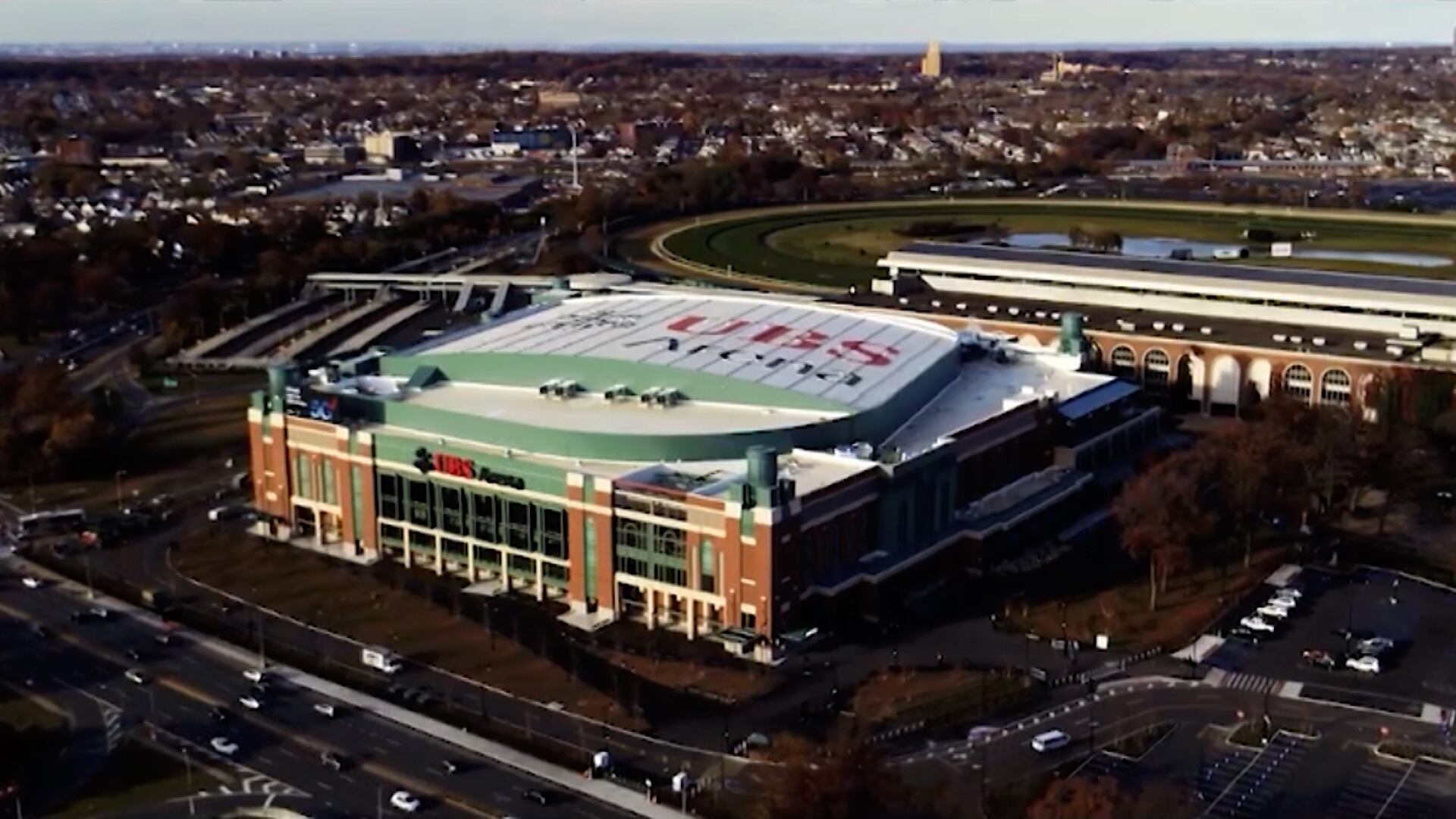
After a nearly 30-year saga, the New York Islanders have officially found a new home. The NHL team kicked off their very first game at the state of the art UBS arena earlier this month, bringing fans together in Belmont Park, NY.
The over $1 billion dollar project comes as the city attempts to return to normalcy. Tom Naratil, President of the Americas at UBS and Jon Ledecky Co-Owner of the New York Islanders joined Cheddar's Opening Bell to discuss the new beginning.
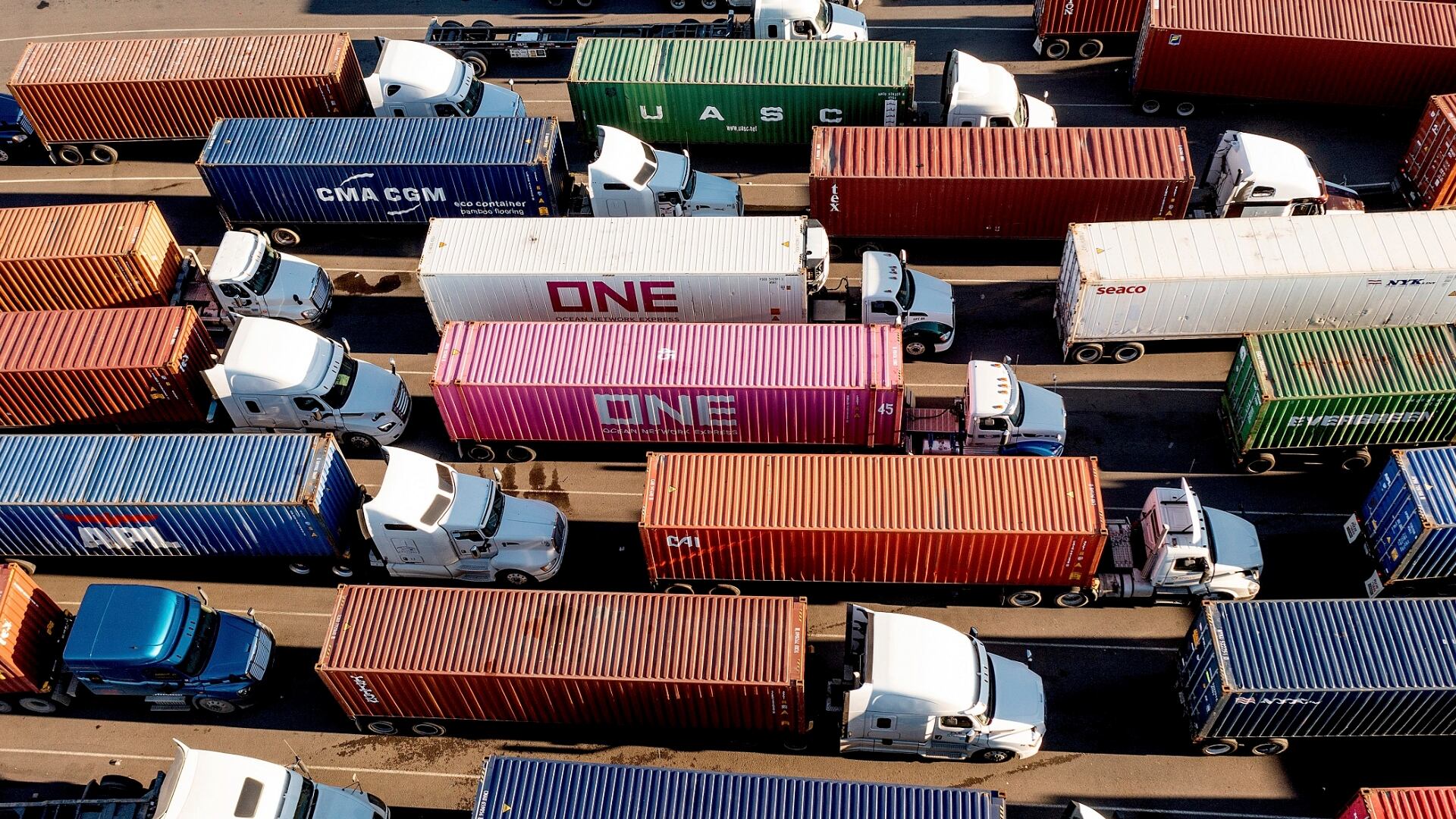
Walmart CEO Dough McMillon praised the Biden administration's efforts to ease supply chain constraints after the company saw a 26 percent jump in shipments over the last month. President Joe Biden had announced back in October that California ports would operate on a 24/7 basis.