By Alex Veiga
Technology companies led stocks broadly higher on Wall Street Friday, though the gains were not enough to erase the market's losses from earlier in the week.
The S&P 500 index rose 0.8%, but still posted a weekly loss of 0.6% after two weeks of gains. Even so, the benchmark index is less than 1% from the all-time high it set Monday.
More than 80% of S&P 500 companies notched gains, including tech sector stocks. Microsoft rose 2.6% and chipmaker Nvidia gained 5.1% for the biggest gain in the index. A mix of companies that rely on consumer spending and communications stocks also made up a big share of the rally. Energy stocks also rose, despite another decline in the price of U.S. crude oil. Treasury yields mostly rose.
Investors turned cautious this week following some disappointing economic reports on retail sales, housing and consumer sentiment. Escalating coronavirus infections across the U.S. and around the globe due to the highly contagious delta variant have also given traders reason to pause with the market near all-time highs.
“Today was the first day that the market didn’t have to deal with disappointing economic data,” said Willie Delwiche, investment strategist at All Star Charts. “We also need to remember it's a Friday in August, not typically an environment where we look for big signals out of the market.”
The S&P 500 rose 35.87 points to 4,441.67. The Dow Jones Industrial Average added 225.96 points, or 0.7%, to 35,120.08. The Nasdaq composite picked up 172.87 points, or 1.2%, to 14,714.66. The Dow and Nasdaq also posted weekly losses.
Small company stocks recovered some of their losses from earlier in the week. The Russell 2000 index added 35.18 points, or 1.7%, to 2,167.60. The index still finished with a 2.5% weekly drop.
Bond trading was quiet. The yield on the 10-year Treasury note rose to 1.26% from 1.24% late Thursday.
With earnings season winding down, investors got to see quarterly report cards from mostly retailers this week. On Friday, Ross Stores fell 2.7%, the biggest decline among S&P 500 companies, after issuing a full-year forecast that fell short of Wall Street’s expectations. Foot Locker jumped 7.3% after blowing past analysts’ forecasts for its latest quarter.
Fund managers aren’t expecting much volatility this month as investors will have little data to work with. August also tends to be a popular time for investors to take vacations, so trading volume typically declines. September tends to be a much more volatile month once Wall Street is back to work.
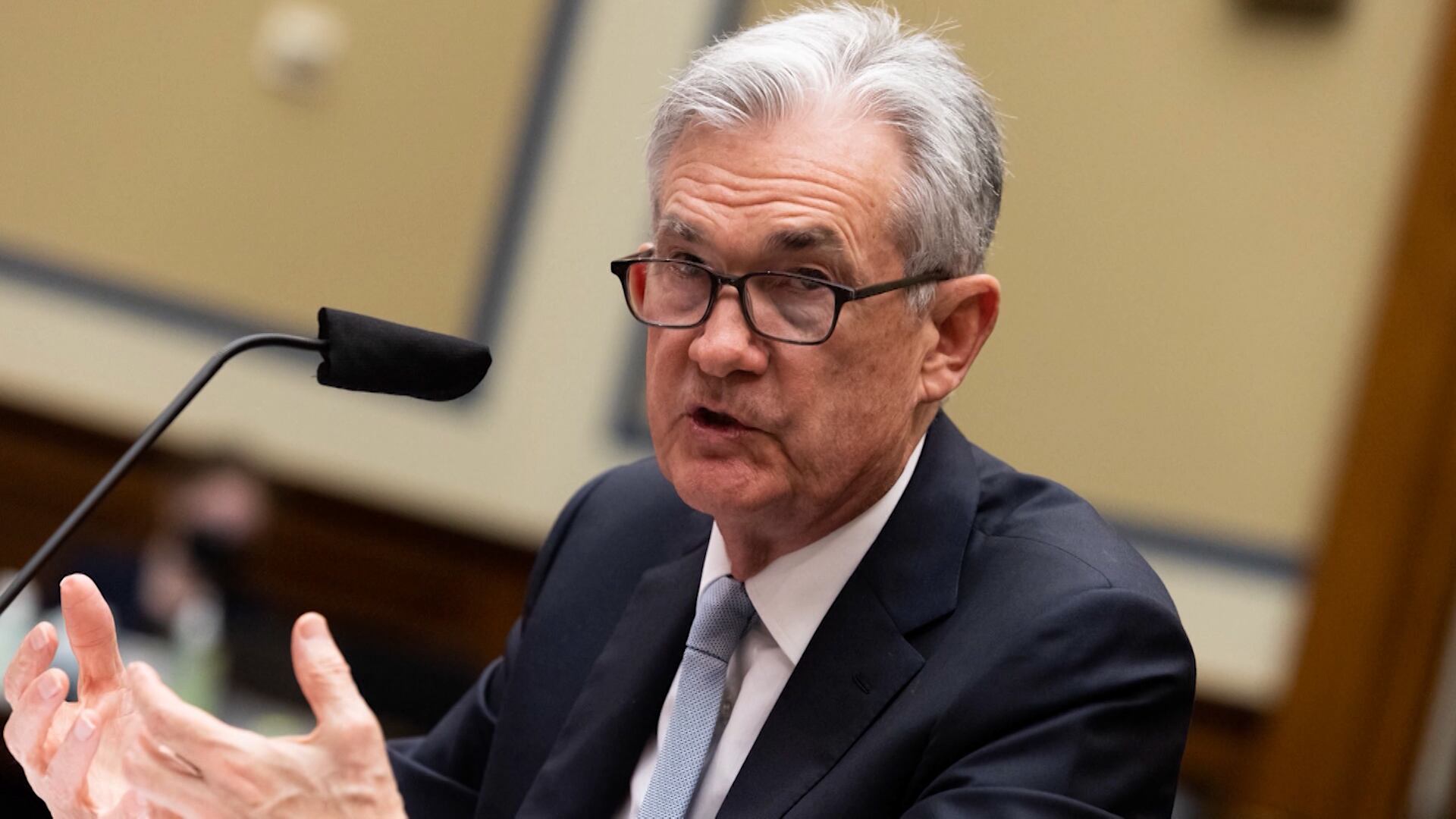
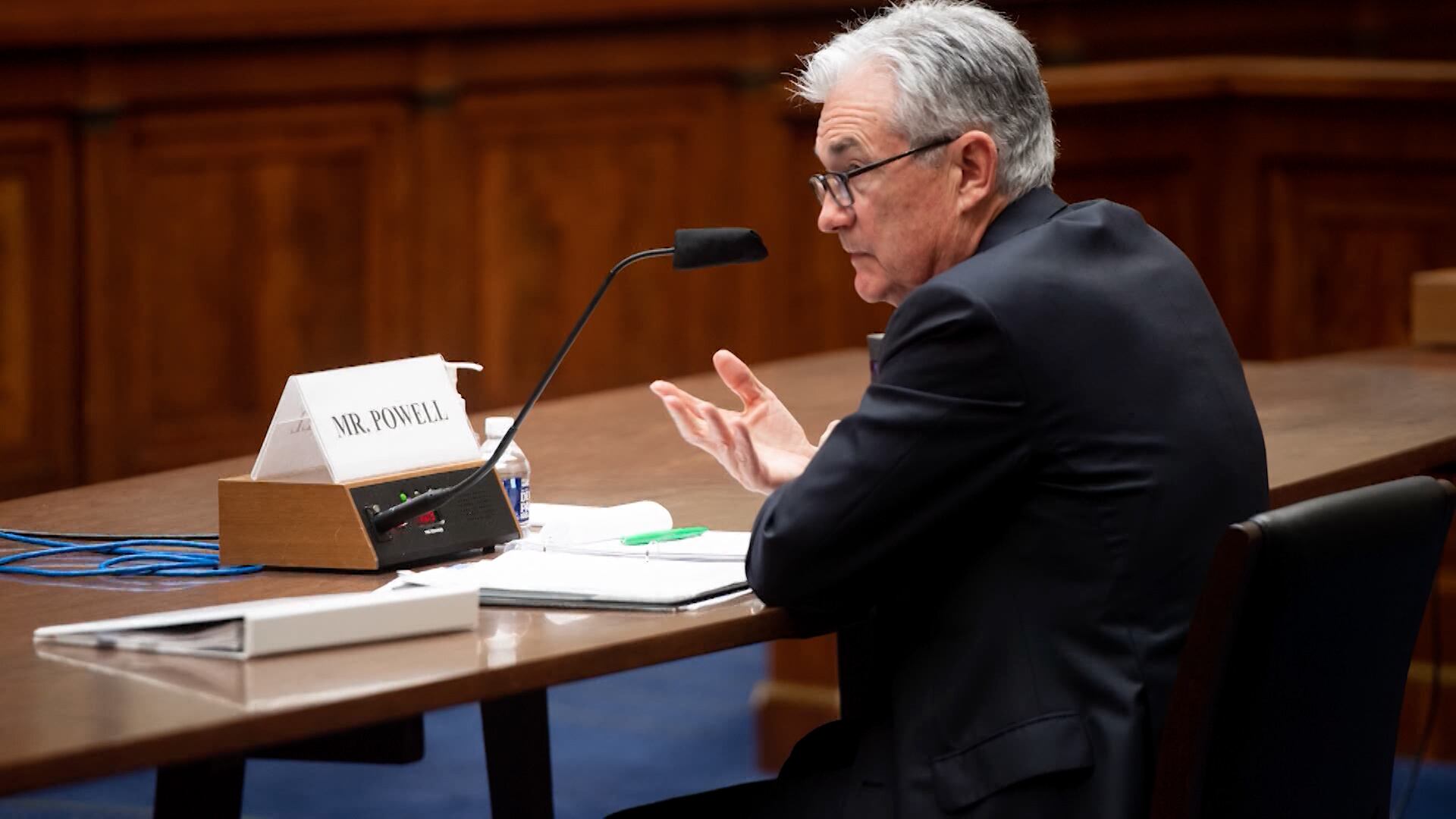
Still, next week could provide Wall Street with more insight on what the Federal Reserve may do about inflation. Earlier this week, minutes from the most recent Fed meeting showed that officials had discussed reducing the central bank's bond-buying program later this year to start winding down some of the emergency measures that were implemented during the pandemic. But they stopped short of setting a firm timeline.
The Fed's annual conference in Jackson Hole, Wyoming next week could offer hints on when such tapering may begin.
“From a historical perspective, the Fed doesn't make news in its minutes, but it does tend to set out policy shifts at its symposium,” Delwiche said.
Updated on August 20, 2021, at 4:54 p.m. ET.