By Alex Veiga

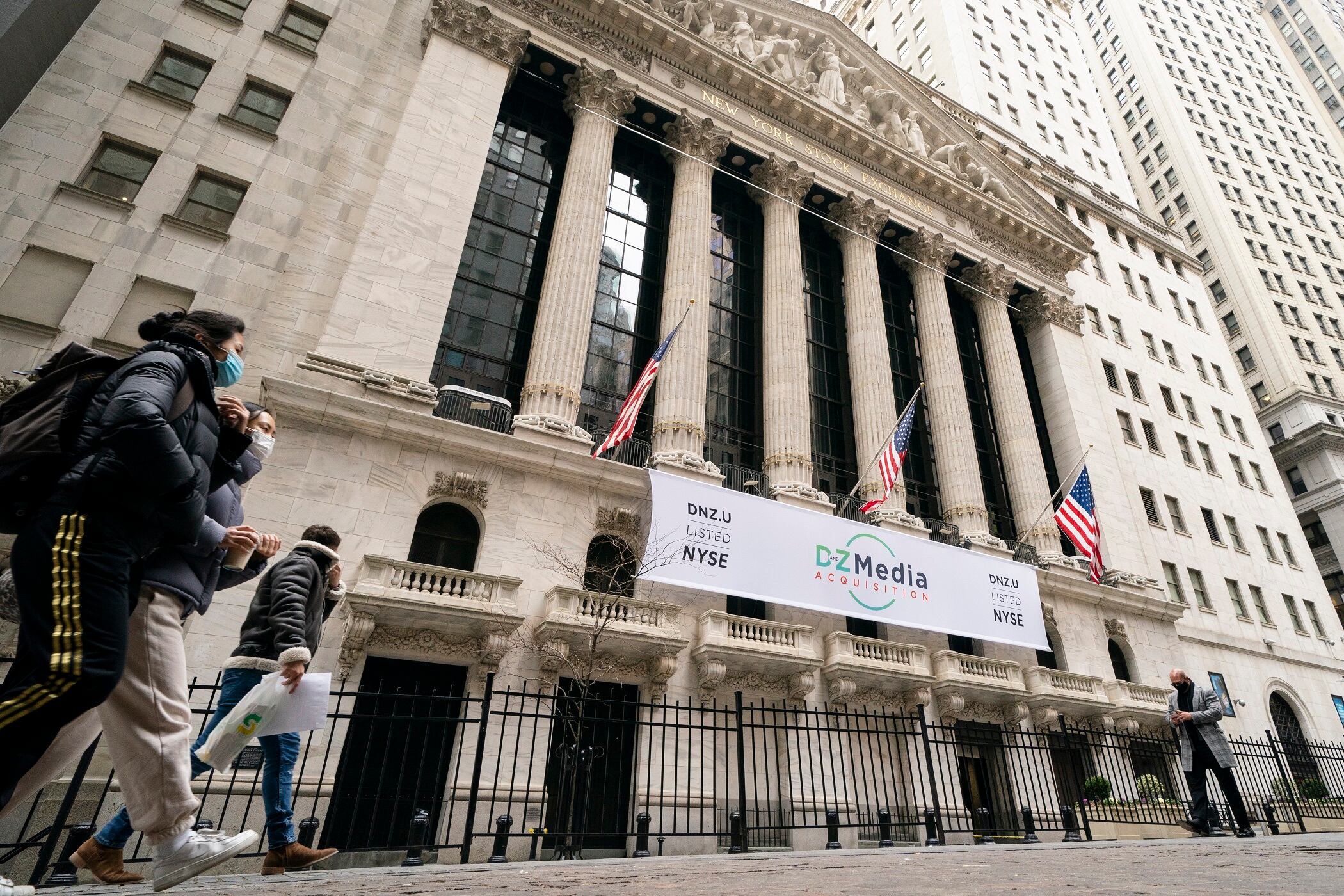
Technology companies led stocks broadly higher on Wall Street Friday, though the gains were not enough to erase the market's losses from earlier in the week.

The S&P 500 index rose 0.8%, but still posted a weekly loss of 0.6% after two weeks of gains. Even so, the benchmark index is less than 1% from the all-time high it set Monday.

More than 80% of S&P 500 companies notched gains, including tech sector stocks. Microsoft rose 2.6% and chipmaker Nvidia gained 5.1% for the biggest gain in the index. A mix of companies that rely on consumer spending and communications stocks also made up a big share of the rally. Energy stocks also rose, despite another decline in the price of U.S. crude oil. Treasury yields mostly rose.

Investors turned cautious this week following some disappointing economic reports on retail sales, housing and consumer sentiment. Escalating coronavirus infections across the U.S. and around the globe due to the highly contagious delta variant have also given traders reason to pause with the market near all-time highs.

“Today was the first day that the market didn’t have to deal with disappointing economic data,” said Willie Delwiche, investment strategist at All Star Charts. “We also need to remember it's a Friday in August, not typically an environment where we look for big signals out of the market.”

The S&P 500 rose 35.87 points to 4,441.67. The Dow Jones Industrial Average added 225.96 points, or 0.7%, to 35,120.08. The Nasdaq composite picked up 172.87 points, or 1.2%, to 14,714.66. The Dow and Nasdaq also posted weekly losses.

Small company stocks recovered some of their losses from earlier in the week. The Russell 2000 index added 35.18 points, or 1.7%, to 2,167.60. The index still finished with a 2.5% weekly drop.

Bond trading was quiet. The yield on the 10-year Treasury note rose to 1.26% from 1.24% late Thursday.

With earnings season winding down, investors got to see quarterly report cards from mostly retailers this week. On Friday, Ross Stores fell 2.7%, the biggest decline among S&P 500 companies, after issuing a full-year forecast that fell short of Wall Street’s expectations. Foot Locker jumped 7.3% after blowing past analysts’ forecasts for its latest quarter.

Fund managers aren’t expecting much volatility this month as investors will have little data to work with. August also tends to be a popular time for investors to take vacations, so trading volume typically declines. September tends to be a much more volatile month once Wall Street is back to work.

Still, next week could provide Wall Street with more insight on what the Federal Reserve may do about inflation. Earlier this week, minutes from the most recent Fed meeting showed that officials had discussed reducing the central bank's bond-buying program later this year to start winding down some of the emergency measures that were implemented during the pandemic. But they stopped short of setting a firm timeline.

The Fed's annual conference in Jackson Hole, Wyoming next week could offer hints on when such tapering may begin.

“From a historical perspective, the Fed doesn't make news in its minutes, but it does tend to set out policy shifts at its symposium,” Delwiche said.

Updated on August 20, 2021, at 4:54 p.m. ET.
Share:
More In Business
Artists Cash In On Selling Their Music Rights
David Bowie's entire catalog of songs has officially been sold to Warner Music Group by his estate for an estimated $250 million. This means the group now has the full rights to almost all of David Bowie's recordings. But Bowie, just the latest music mega deal. Just last month, Bruce Springsteen sold his entire catalog to Sony Music Entertainment at what in fact maybe be the biggest transaction ever for a single artist's body of work. In addition, John Legend also cashed in by selling rights to his songs from 2004 to early last year. Culture Correspondent at NPR, Anastasia Tsioulcas, joined Cheddar to discuss more.
IRS Warns Taxpayers of a Messy 2020 Tax Filing Season
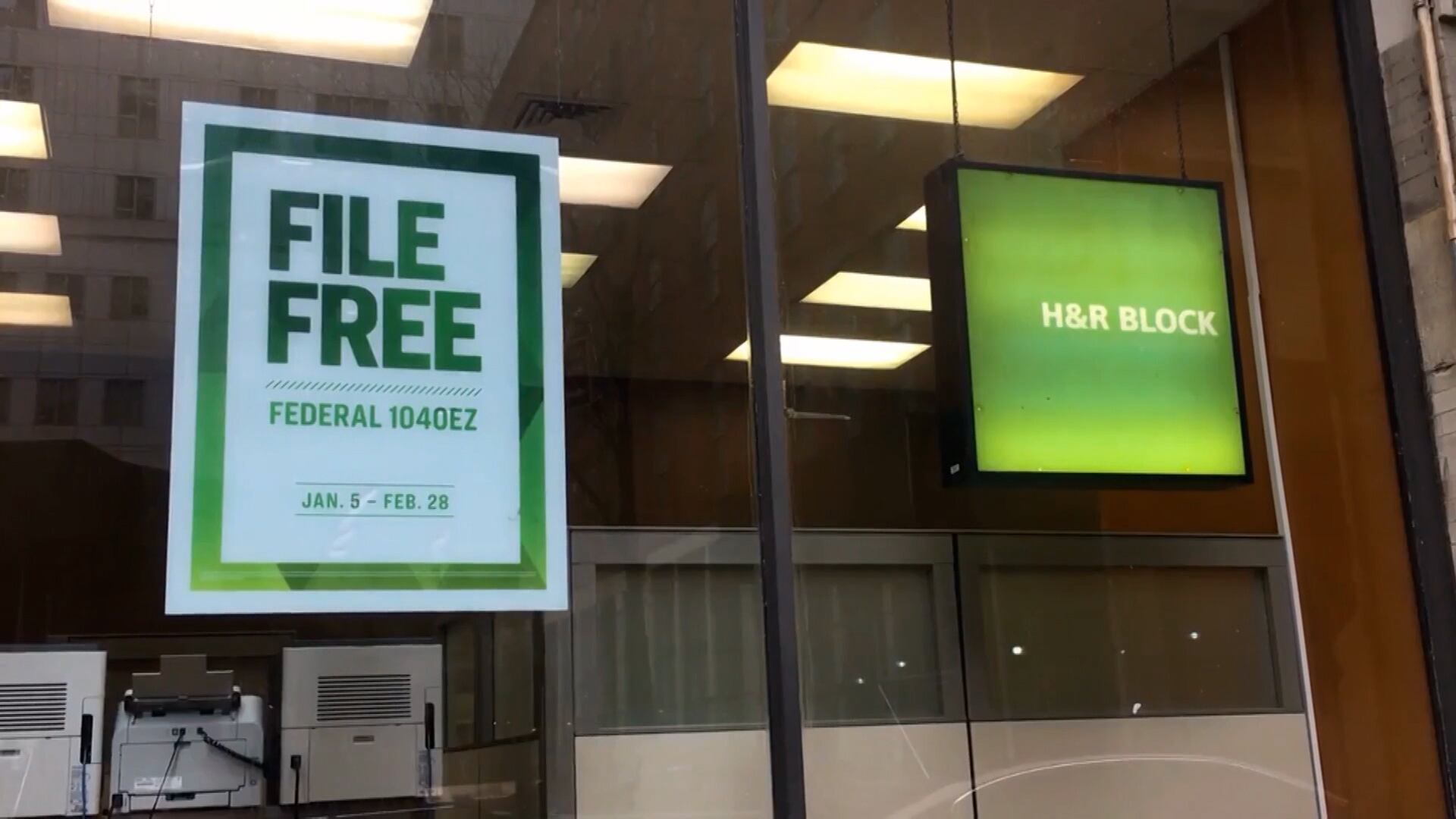
Treasury officials say that filing taxes this year could be frustrating due to staffing shortages at the IRS and paperwork backlog. Cheddar News speaks with Brent Weiss, certified financial planner and co-founder of Facet Wealth, on how to best file your returns in 2022.
Walmart and Kroger Raise At-Home Covid Test Prices
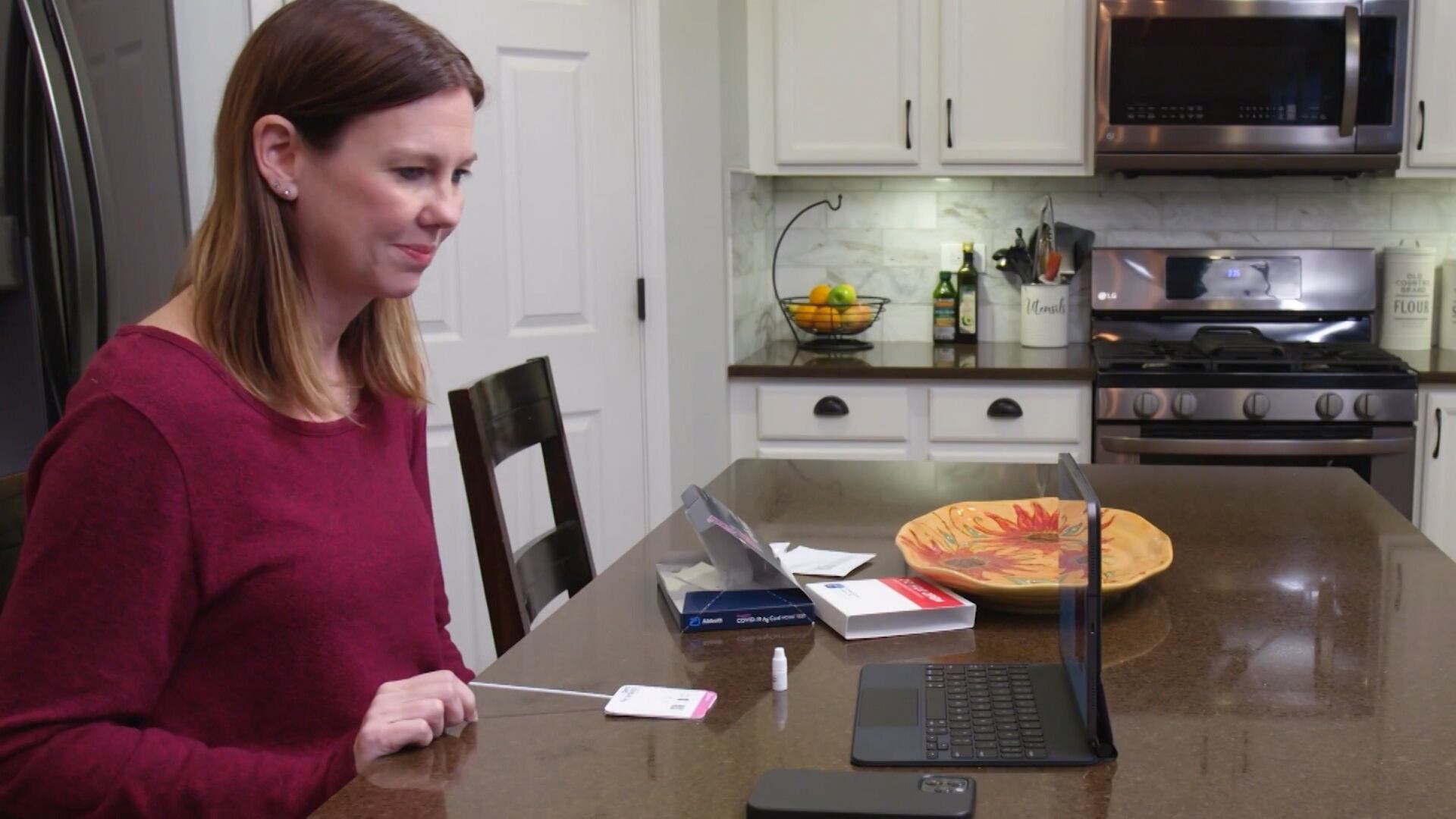
As the need for COVID-19 testing increases, so does the price of the tests themselves. An agreement with The White House and several major companies to sell the tests at a lower cost has now expired, sending prices up as retailers struggle to keep kits on shelves. Dr. Thomas McGinn, executive VP of physician enterprise at Common Spirit Health, joins Cheddar News to discuss.
Companies Rethinking Supply Chain Norms as Snarls Continue
With no end in sight to supply chain snarls, some companies are reconsidering the way they manufacture goods. Harry Moser, founder and president of Reshoring Initiative and Jennifer Smith, logistics and supply chain reporter for the Wall Street Journal, joined Cheddar News' Closing Bell to discuss some of the ways companies are trying to solve their supply chain problems in the long term.
Stocks Close Higher, Nasdaq Rises for Second Day After Rocky Start to 2022
Stocks closed higher Tuesday with the tech-heavy Nasdaq rising for a second straight day as tech stocks rebound. Investors also felt some relief after Federal Reserve Chair Jerome Powell today said the central bank is prepared to raise interest rates 'more over time' if inflation continues to run hot. Ross Mayfield, investment strategy analyst at Baird, joins Cheddar News' Closing Bell to discuss today's market close, whether and how markets are pricing in Fed activity, and more.
Bitcoin, Other Crypto Assets Under Pressure as They Are Increasingly Tied to Macro Trends
Bitcoin dipped below $40,000 this week amid a broader slump to begin the year. Some speculate that as cryptocurrencies correlate closer to traditional assets that factors like the Federal Reserve tightening monetary policy will weigh on digital coins. Jalak Jobanputra, managing partner at Future Perfect Ventures, joins Cheddar News' Closing Bell to discuss why crypto markets are feeling pressure from the Fed's potential 2022 rate hikes, broader crypto market predictions, and more.
A.I. Startup Fractal Raises $360 Million In New Funding
A.I. startup Fractal has raised $360 million in funding, officially entering the unicorn club. Pranay Agrawal, CEO and Co-Founder of Fractal, joined Cheddar News' Closing Bell to discuss what the company plans to do with the fresh capital.
Load More