By Damian J. Troise and Alex Veiga
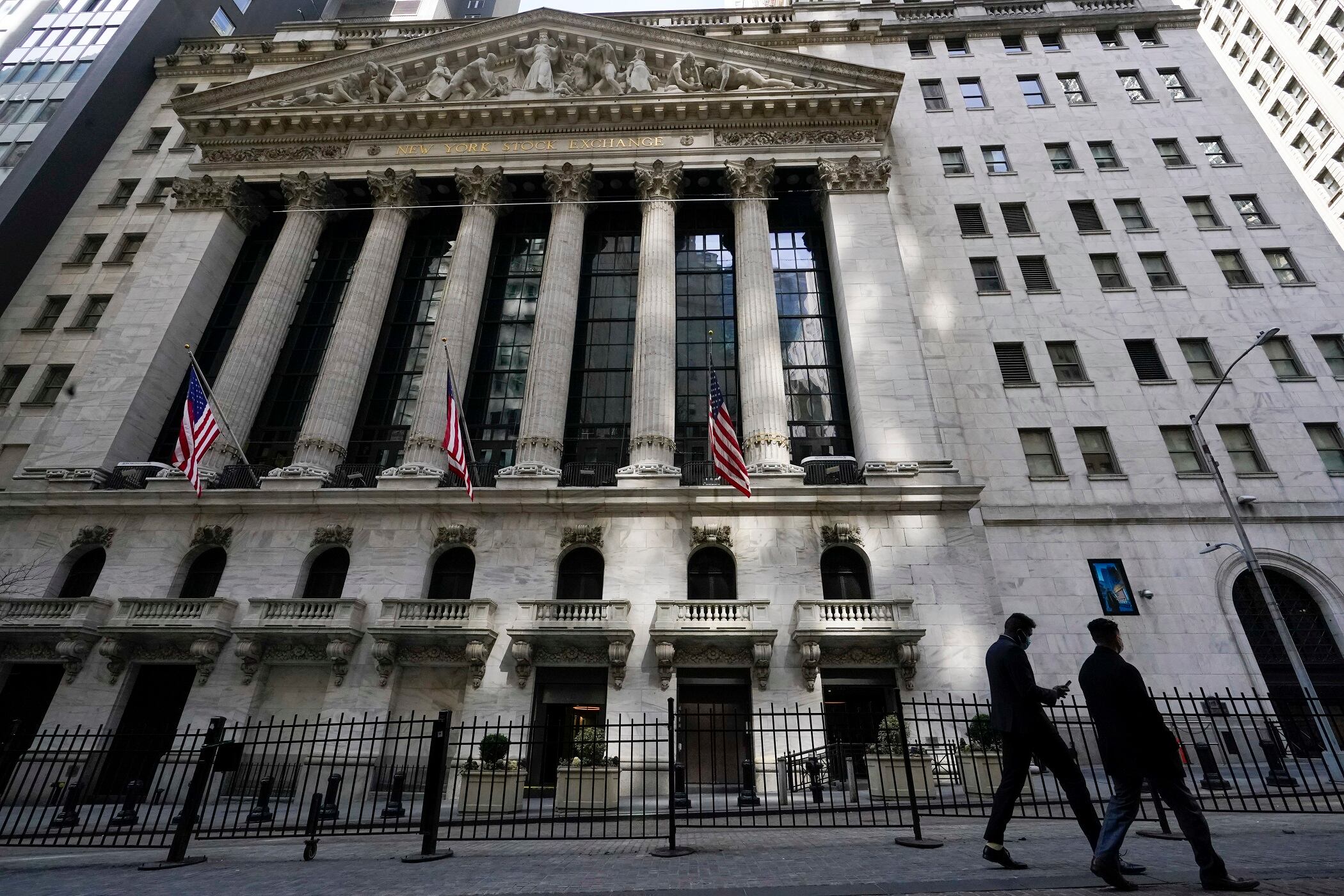
Stocks capped another wobbly day of trading on Wall Street with more gains Thursday, as strength in technology and health care companies outweighed a pullback elsewhere in the market.
The S&P 500 eked out a 0.3% gain, good enough for its third straight all-time high. The benchmark index managed to end higher despite a majority of its companies closing lower. Gains for several big technology stocks, including Apple, countered weakness in chipmakers, industrial firms and energy companies. Treasury yields rose and crude oil prices fell.
Stocks wobbled between small gains and losses for much of the day in quiet trading as investors weighed a mix of new economic data showing jobless claims fell last week and inflation at the wholesale level jumped more than expected last month.
“The market is a little sleepy today,” said Greg Bassuk, CEO of Axs Investments. “Investors are looking to hang their hat on some outsized economic data that can give more certainty around the extent to which the economy is opening up.”
The S&P 500 rose 13.13 points to 4,460.83. The Dow Jones Industrial Average also recovered from an early slide to gain 14.88 points, or less than 0.1%, to 35,499.85. The blue-chip index also set its third record high in three days.
The tech-heavy Nasdaq added 51.13 points, or 0.3%, to 14,816.26. Small-company stocks fell, dragging the Russell 2000 index down 6.27 points, or 0.3%, to 2,244.07.
Investors worked through a mixed picture of economic data Thursday. The Labor Department said that jobless claims fell to 375,000 from 387,000 the previous week, another sign that the job market is healing from the pandemic.
At the same time, inflation at the wholesale level jumped a higher-than-expected 1% in July, matching the rise from the previous month, and dimming hopes that the upward trajectory of prices would begin to slow. The producer price index has risen a record 7.8% over the last 12 months. That's the largest one-year increase in a series going back to 2010.
Much of the increase is coming from services, such as airline travel. Airline ticket prices are especially high as the industry tries to recover from the pandemic-forced slump in travel. Other areas are starting to ease up, though, with food costs falling for the time since December.
Investors have been particularly concerned about inflation for several months, despite assurances from the Federal Reserve and other officials that any inflation would be temporary and a result of the economy recovering. Bond yields have risen sharply the last week on those concerns, with the 10-year Treasury note trading at 1.37% versus 1.34% the day before.
The hopes for a continued recovery in the jobs market and concerns about inflation are hovering over the market as investors try to gauge the pace of economic growth after a sharp increase earlier in the year. Analysts expect the economy to grow at a slower pace as the economy moves past the pandemic and the sharp comparisons between 2021 and 2020.
“We don’t have a different economy than what we had going into the pandemic,” said Kimberly Woody, senior portfolio manager at Globalt. “Once you get rid of the comparisons and you cross the anniversary of the fourth quarter, you’re right back at the same economy you had before.”
Big Tech companies helped add to the S&P 500's gains Thursday. Apple rose 2.1% and Adobe gained 1.3%, while chipmakers Micron Technology fell 6.4% and Lam Research slid 4.1% for some of the biggest declines in the index.
Investors also bid up shares in companies that reported better-than-expected quarterly results. Organon & Co. jumped 11.9% for the biggest gain in the S&P 500 after the company's earnings and revenue topped Wall Street's forecasts. Dillard's also got a boost from its latest quarterly report card and rose 5.1%.
The Walt Disney Co. rose 5.1% in after-hours trading after the media giant returned to profitability in its most recent quarter as reopened theme parks sent its revenue higher.
Updated on August 12, 2021, at 5:05 p.m. ET.