USA Women's Olympic Water Polo Goalkeeper Ashleigh Johnson holds her gold medal as she poses for photos outside the New York Stock Exchange, before ringing the opening bell, Tuesday, Aug. 10, 2021. (AP Photo/Richard Drew)
By Damian J. Troise and Alex Veiga
Stocks capped another wobbly day of trading on Wall Street with modest gains Tuesday, as financial and industrial companies helped lift the market, outweighing a pullback in technology stocks.
The S&P 500 recovered from an early slip and eked out a 0.1% gain, enough to eclipse the record high it set Friday. The majority of companies in the benchmark index made gains, but they were kept in check by technology companies, which have an outsized weight on the S&P 500.
Banks made some of the strongest gains as bond yields edged higher. Banks benefit from higher yields, which allow them to charge higher interest rates on loans. The yield on the 10-year Treasury rose to 1.35% from 1.31% late Monday.
Oil prices pulled up after sliding most of the last week and into Monday. U.S. benchmark crude oil rose 2.7% and helped lift the S&P 500's energy sector to 1.7% gain. Exxon Mobil rose 1.7% and Chevron gained 1.8%.
The broader market remains choppy with investors in the midst of a relatively quiet week. The latest round of corporate earnings is nearly finished and there are only a few pieces of economic data expected.
“We think this is a growing market and a growing economy and there’s room for this market to move,” said Rob Haworth, senior investment strategy director at U.S. Bank Wealth Management. “But that growth story does have some risk to it.”
The S&P 500 gained 4.40 points to 4,436.75. The Dow Jones Industrial Average rose 162.82 points, or 0.5%, to 35,264.67. The blue-chip index also notched an all-time high.
The slide in technology stocks weighed on the tech-heavy Nasdaq, which lost 72.09 points, or 0.5%, to 14,788.09. Small company stocks rose. The Russell 2000 index gained 4.55 points, or 0.2%, to 2,239.36.
Wall Street is still trying to gauge the pace of economic growth amid new worries about the latest wave of COVID-19 from the more contagious delta variant. Parts of Japan, including Tokyo, the capital, remain under a state of emergency as surging numbers of infections put more COVID-19 patients in already overburdened hospitals.
Analysts have said that the pace of growth will likely continue to slow as the year rolls on, but the latest surge with the virus has raised more concerns about just how much. Investors could have a better sense of the virus' impact on the economy in the coming months as schools reopen from summer break and people try to get back to normal activities, Haworth said.
Inflation concerns and the Federal Reserve's future plans to ease up on its support for low interest rates also hangs over the markets.
Earnings season is wrapping up with several big names. Sysco surged 6.5% after the food distributor reported quarterly results that topped Wall Street's estimates.
Ebay will report its results on Wednesday and Walt Disney will report results on Thursday.
Kansas City Southern jumped 7.5% after Canadian Pacific raised its offer for the railroad operator, reigniting a bidding war with Canadian National.
Stocks closed higher as the retail sector showed continued strength - including higher retail sales data in October and strong earnings for big-box retailers Walmart and Home Depot, which lifted the Dow. Lance Ippolito, head trader at the Future Of Wealth, joins Cheddar News' Closing Bell to discuss today's close, where investors should look for growth, and how the electric vehicle space will drive markets.
Bitcoin hit a new high last week, rising above $68,000. But the coin has tumbled since, and it's not the only coin under pressure. Crypto is down today across the board. Bobby Zagotta, CEO of Bitstamp USA, joins Cheddar News' Closing Bell to discuss the possible reasons why Bitcoin has slumped, how President Joe Biden's new crypto tax clause will impact investors, and more.
The Green Bay Packers are selling shares of their stock for just the sixth time in its 102-year history. The Packers are the only major professional sports team in the U.S. that is publicly owned and not-for-profit. Now, it is offering 300,000 shares at $300 apiece; however, fans who become shareholders will not have much power, as the Packers' stock is not technically a stock. Washington Post sports reporter Des Bieler joins Cheddar News' Closing Bell to discuss.
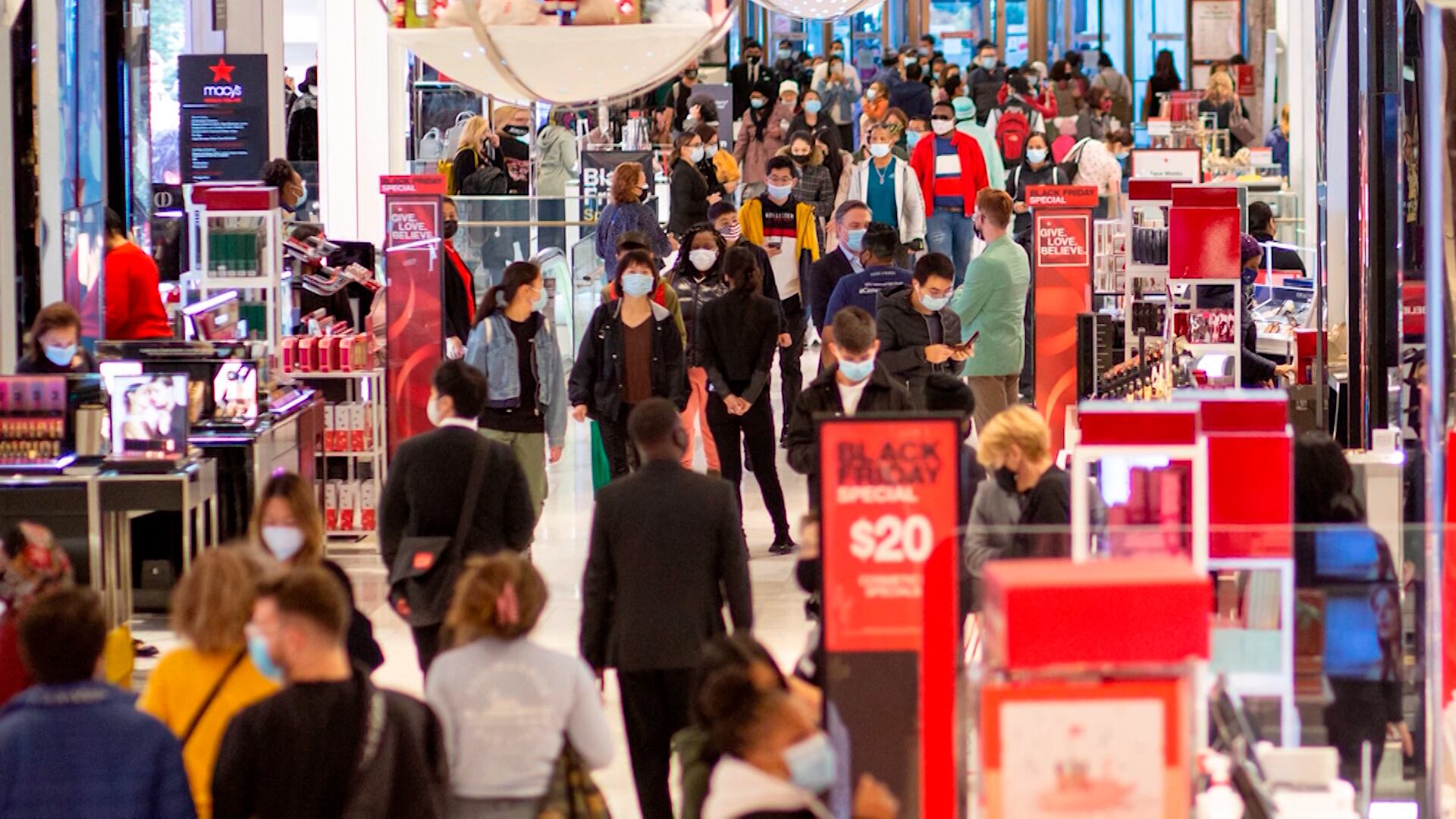
Katie Thomas, lead at Kearney Consumer Institute, joined Cheddar to talk about Walmart's Q3 earnings beat and what it means for the larger retail industry ahead of the gift-giving season. "Getting strong numbers from Walmart and from the retail sector overall is good news going into the holiday season. It shows that even though despite some of the news around supply constraints, consumers are still getting out there and shopping," she said. With the holiday rush nearly setting in, Thomas said a clearer view of the economy will be found after Q4 results are posted, giving some time to account for how well businesses were able to maintain amid supply constraints.
Inflation has risen to its highest level in 31 years, sending consumer prices on everything from groceries to gas to rent surging. For many businesses, that's good news as inflation typically means better profit margins. According to data from FactSet, nearly two out of three of the biggest U.S. publicly traded companies have reported fatter profit margins so far this year compared to the same stretch of 2019, before the pandemic. Gregory Daco, chief U.S. economist for Oxford Economics, breaks down how the top businesses are reaping the benefits of inflation, and when consumers can expect inflation to ease.
As the U.S. opens its borders to vaccinated international travelers after months of restrictions, the hospitality industry is preparing for a comeback. Radha Arora, President and Co-Chief Development Officer, Rosewood Hotel Group joined Cheddar's Opening Bell to discuss his outlook for the broader travel industry.
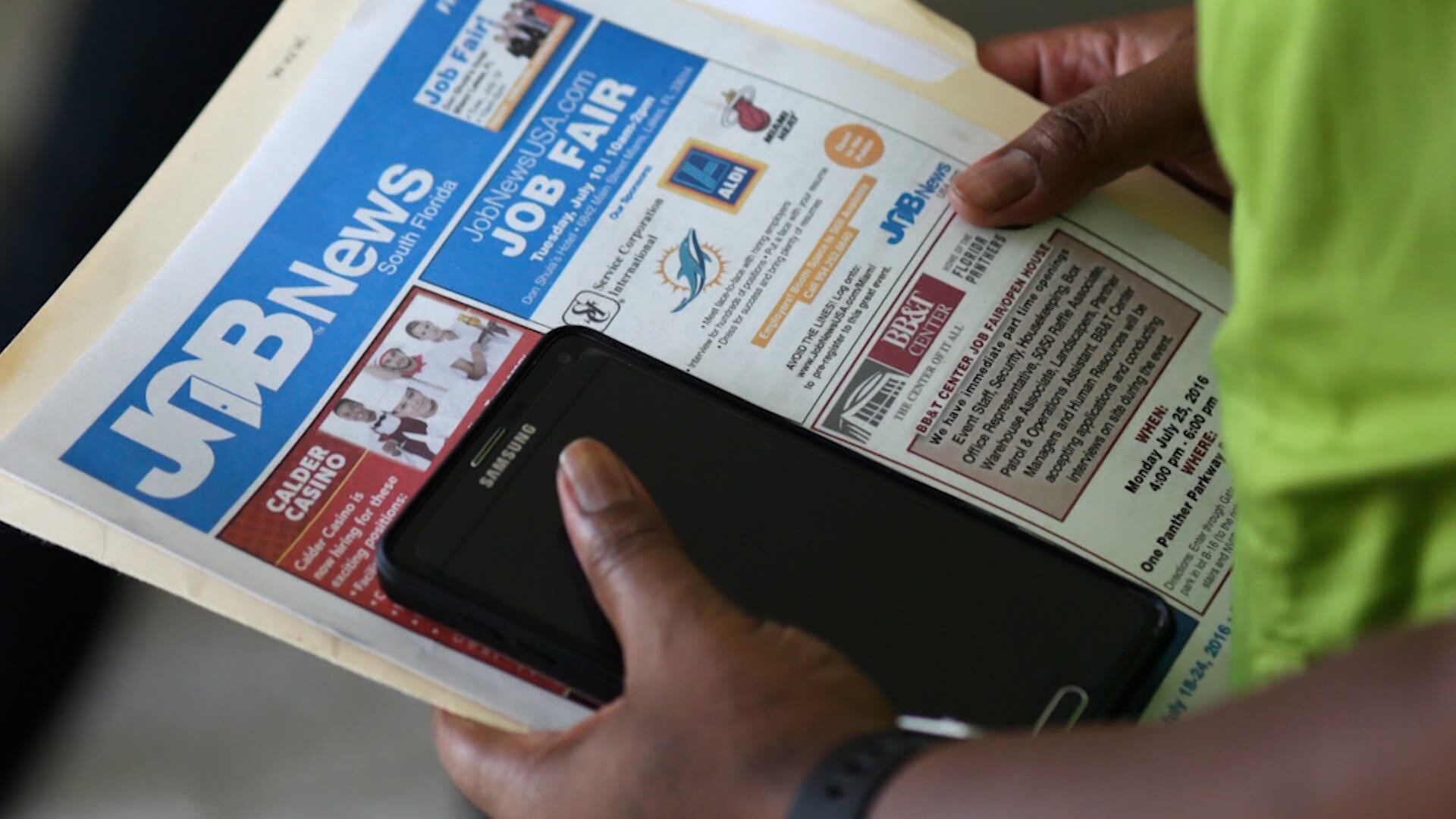
Dominick Reuter, Senior Reporter at Insider, breaks down the challenges within the labor market, and how unionization and inflation are impacting the future of work.
Roblox is getting into education. The gaming platform is investing $10 million into developing educational video games for middle schools, high schools, and colleges across the country. This marks the first time Roblox is putting money into developing games for the platform, and it comes as Roblox also plans to build a stake in the metaverse. Sarah Needleman, technology reporter for The Wall Street Journal, breaks it all down for Cheddar.
The collaboration platform Slack is launching a massive revamp at its annual customer conference, aimed at creating a more flexible and connected work experience. CEO and co-founder Stewart Butterfield joined Cheddar to provide some additional details about the digital HQ upgrade.