USA Women's Olympic Water Polo Goalkeeper Ashleigh Johnson holds her gold medal as she poses for photos outside the New York Stock Exchange, before ringing the opening bell, Tuesday, Aug. 10, 2021. (AP Photo/Richard Drew)
By Damian J. Troise and Alex Veiga
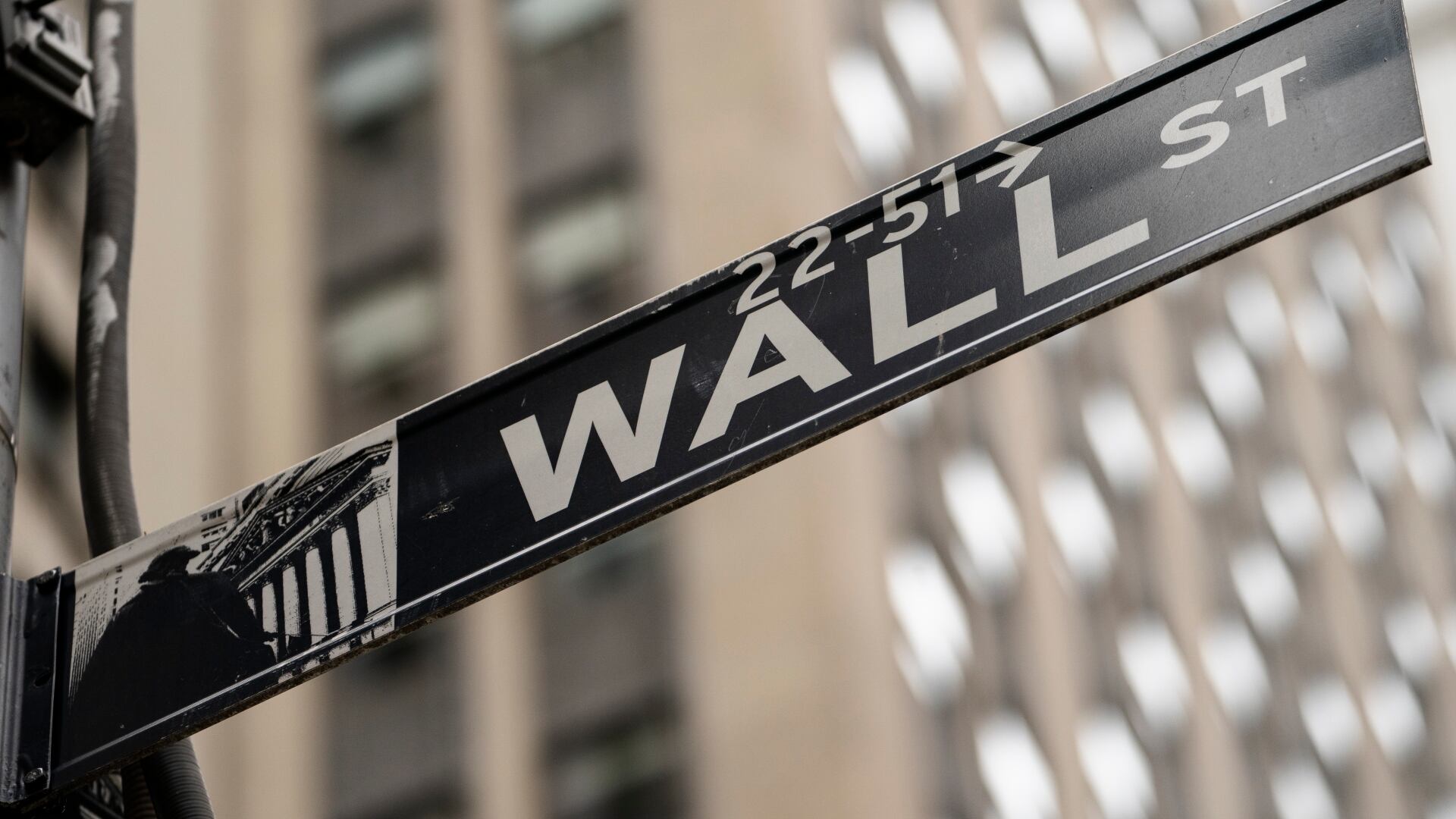
Stocks capped another wobbly day of trading on Wall Street with modest gains Tuesday, as financial and industrial companies helped lift the market, outweighing a pullback in technology stocks.
The S&P 500 recovered from an early slip and eked out a 0.1% gain, enough to eclipse the record high it set Friday. The majority of companies in the benchmark index made gains, but they were kept in check by technology companies, which have an outsized weight on the S&P 500.
Banks made some of the strongest gains as bond yields edged higher. Banks benefit from higher yields, which allow them to charge higher interest rates on loans. The yield on the 10-year Treasury rose to 1.35% from 1.31% late Monday.
Oil prices pulled up after sliding most of the last week and into Monday. U.S. benchmark crude oil rose 2.7% and helped lift the S&P 500's energy sector to 1.7% gain. Exxon Mobil rose 1.7% and Chevron gained 1.8%.
The broader market remains choppy with investors in the midst of a relatively quiet week. The latest round of corporate earnings is nearly finished and there are only a few pieces of economic data expected.
“We think this is a growing market and a growing economy and there’s room for this market to move,” said Rob Haworth, senior investment strategy director at U.S. Bank Wealth Management. “But that growth story does have some risk to it.”
The S&P 500 gained 4.40 points to 4,436.75. The Dow Jones Industrial Average rose 162.82 points, or 0.5%, to 35,264.67. The blue-chip index also notched an all-time high.
The slide in technology stocks weighed on the tech-heavy Nasdaq, which lost 72.09 points, or 0.5%, to 14,788.09. Small company stocks rose. The Russell 2000 index gained 4.55 points, or 0.2%, to 2,239.36.
Wall Street is still trying to gauge the pace of economic growth amid new worries about the latest wave of COVID-19 from the more contagious delta variant. Parts of Japan, including Tokyo, the capital, remain under a state of emergency as surging numbers of infections put more COVID-19 patients in already overburdened hospitals.
Analysts have said that the pace of growth will likely continue to slow as the year rolls on, but the latest surge with the virus has raised more concerns about just how much. Investors could have a better sense of the virus' impact on the economy in the coming months as schools reopen from summer break and people try to get back to normal activities, Haworth said.
Inflation concerns and the Federal Reserve's future plans to ease up on its support for low interest rates also hangs over the markets.
Earnings season is wrapping up with several big names. Sysco surged 6.5% after the food distributor reported quarterly results that topped Wall Street's estimates.
Ebay will report its results on Wednesday and Walt Disney will report results on Thursday.
Kansas City Southern jumped 7.5% after Canadian Pacific raised its offer for the railroad operator, reigniting a bidding war with Canadian National.
The TSA screened more than 2.2 million airline passengers on Friday, the most since March 2020. Willis Orlando, senior product operations specialist at Scott's Cheap Flights, discusses the impact of the surge on the travel industry as well as travel infrastructure itself.
Stocks began the week closing at session lows on a day when bond yields rose and President Biden decided to stick with Jerome Powell as Fed Chair. Bryan Lee, Chief Investment Officer at Blue Zone Wealth Advisors, joins Cheddar News' Closing Bell, where he breaks down the day's activity and discusses what the Fed now needs to do going forward.
A group of crypto enthusiasts pooled over $40 million dollars in an attempt to win a copy of the U.S. Constitution last week. However, their efforts came up short, as hedge fund billionaire Ken Griffin emerged as the victor in a $43.2 million Sotheby's auction. Matt Cutler, CEO & Co-Founder of Blocknative, joins Cheddar News' Closing Bell, where he explains why ConstitutionDAO ultimately came up short.
Gparency, a company that says its mission is to revolutionize the commercial mortgage industry, raised $15 million in its first funding round - representing the largest ever seed round in the commercial real estate space. Gparency's service will allow landlords and real estate developers to receive funding directly from banks, without the need for a mortgage broker. The company says its new approach will give power back to the consumer. Gparency founder and CEO Ira Zlotowitz joins Cheddar News' Closing Bell to discuss.
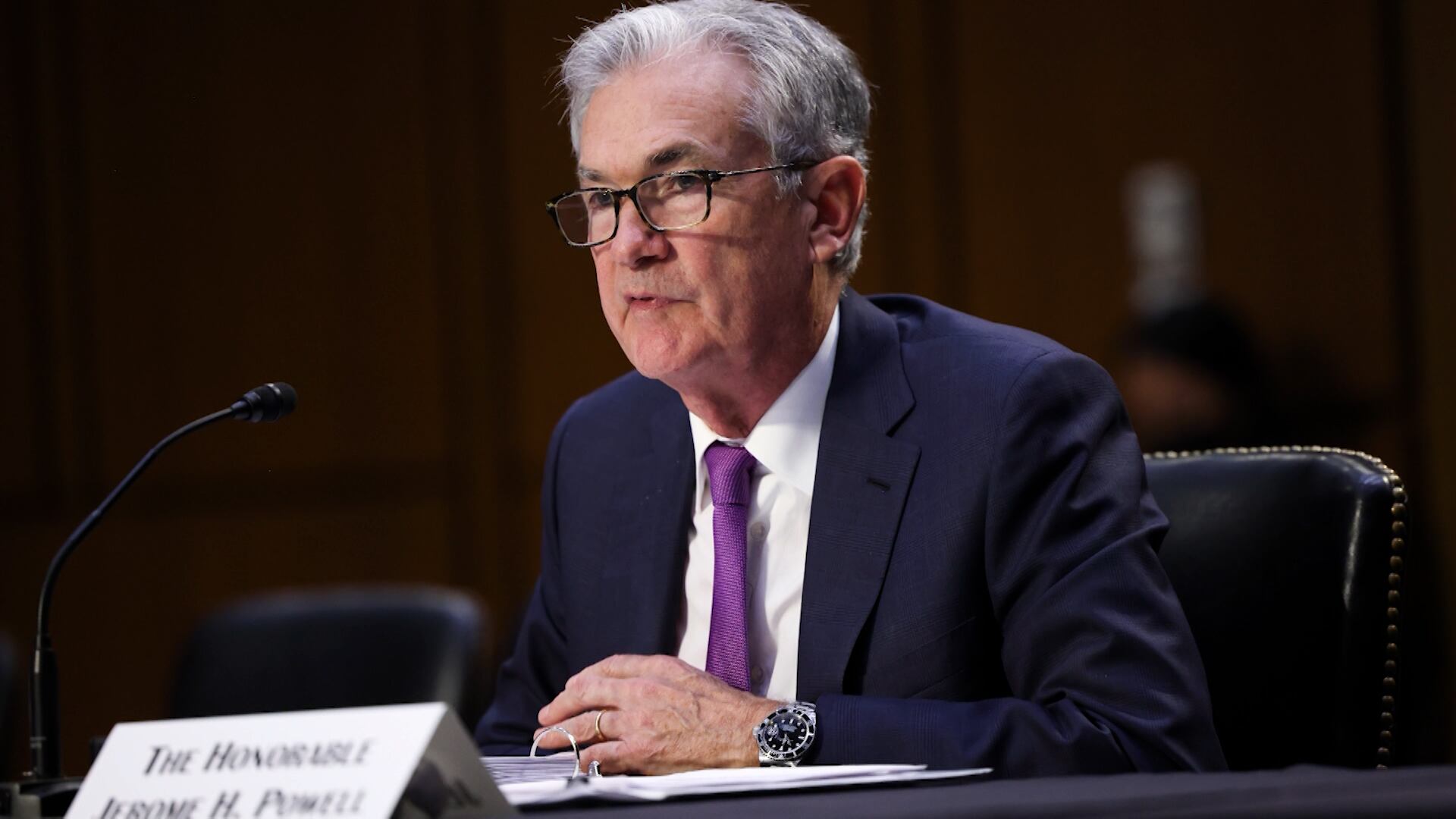
President Joe Biden announced Monday he is re-nominating Federal Reserve Chairman Jerome Powell after weeks of speculation that he would choose Democrat and Fed Governor Lael Brainard to fill the role. Biden could be looking for continuity as the U.S. continues to grapple with COVID-19 and high inflation, and investors could be on the same page: markets and treasuries ticked up after the White House made the announcement. MarketWatch Senior Reporter Greg Robb joins Cheddar News' Closing Bell to discuss Powell's re-nomination, what we can expect from the Fed's December meeting, whether it will speed up its taper timeline, and more.
President Joe Biden named Jerome Powell, initially appointed by President Trump, to keep his seat as the chair of the Federal Reserve on Monday amid the ongoing challenges of the pandemic, inflation, and unemployment. David Beckworth, a former international economist for the Treasury Department and a senior fellow with the Mercatus Center, joined Cheddar to discuss what he sees as the practicality of Biden's decision. "What Powell brings to the table is he's built up political capital with Republicans and Democrats," he said. "It's easy for him to get the job done. I think in one way he was the path of least resistance for the president."
As housing prices continues to rise, Tim Rood, managing director at the real estate finance solutions company SitusAMC, joined Cheddar's "Closing Bell" to talk about what is driving up the costs, attributing it to supply chain constraints and regulatory expenses. Rood stated that the federal government's response to the 2008 financial crisis has added to the growing price tags. "The government came down super hard on banks and independent mortgage companies because of the defaults," he said.