USA Women's Olympic Water Polo Goalkeeper Ashleigh Johnson holds her gold medal as she poses for photos outside the New York Stock Exchange, before ringing the opening bell, Tuesday, Aug. 10, 2021. (AP Photo/Richard Drew)
By Damian J. Troise and Alex Veiga
Stocks capped another wobbly day of trading on Wall Street with modest gains Tuesday, as financial and industrial companies helped lift the market, outweighing a pullback in technology stocks.
The S&P 500 recovered from an early slip and eked out a 0.1% gain, enough to eclipse the record high it set Friday. The majority of companies in the benchmark index made gains, but they were kept in check by technology companies, which have an outsized weight on the S&P 500.
Banks made some of the strongest gains as bond yields edged higher. Banks benefit from higher yields, which allow them to charge higher interest rates on loans. The yield on the 10-year Treasury rose to 1.35% from 1.31% late Monday.
Oil prices pulled up after sliding most of the last week and into Monday. U.S. benchmark crude oil rose 2.7% and helped lift the S&P 500's energy sector to 1.7% gain. Exxon Mobil rose 1.7% and Chevron gained 1.8%.
The broader market remains choppy with investors in the midst of a relatively quiet week. The latest round of corporate earnings is nearly finished and there are only a few pieces of economic data expected.
“We think this is a growing market and a growing economy and there’s room for this market to move,” said Rob Haworth, senior investment strategy director at U.S. Bank Wealth Management. “But that growth story does have some risk to it.”
The S&P 500 gained 4.40 points to 4,436.75. The Dow Jones Industrial Average rose 162.82 points, or 0.5%, to 35,264.67. The blue-chip index also notched an all-time high.
The slide in technology stocks weighed on the tech-heavy Nasdaq, which lost 72.09 points, or 0.5%, to 14,788.09. Small company stocks rose. The Russell 2000 index gained 4.55 points, or 0.2%, to 2,239.36.
Wall Street is still trying to gauge the pace of economic growth amid new worries about the latest wave of COVID-19 from the more contagious delta variant. Parts of Japan, including Tokyo, the capital, remain under a state of emergency as surging numbers of infections put more COVID-19 patients in already overburdened hospitals.
Analysts have said that the pace of growth will likely continue to slow as the year rolls on, but the latest surge with the virus has raised more concerns about just how much. Investors could have a better sense of the virus' impact on the economy in the coming months as schools reopen from summer break and people try to get back to normal activities, Haworth said.
Inflation concerns and the Federal Reserve's future plans to ease up on its support for low interest rates also hangs over the markets.
Earnings season is wrapping up with several big names. Sysco surged 6.5% after the food distributor reported quarterly results that topped Wall Street's estimates.
Ebay will report its results on Wednesday and Walt Disney will report results on Thursday.
Kansas City Southern jumped 7.5% after Canadian Pacific raised its offer for the railroad operator, reigniting a bidding war with Canadian National.
China-based DiDi is delisting from the New York Stock Exchange after Chinese officials reportedly asked the ride-hailing company to do so. It will instead list on the Stock Exchange of Hong Kong.
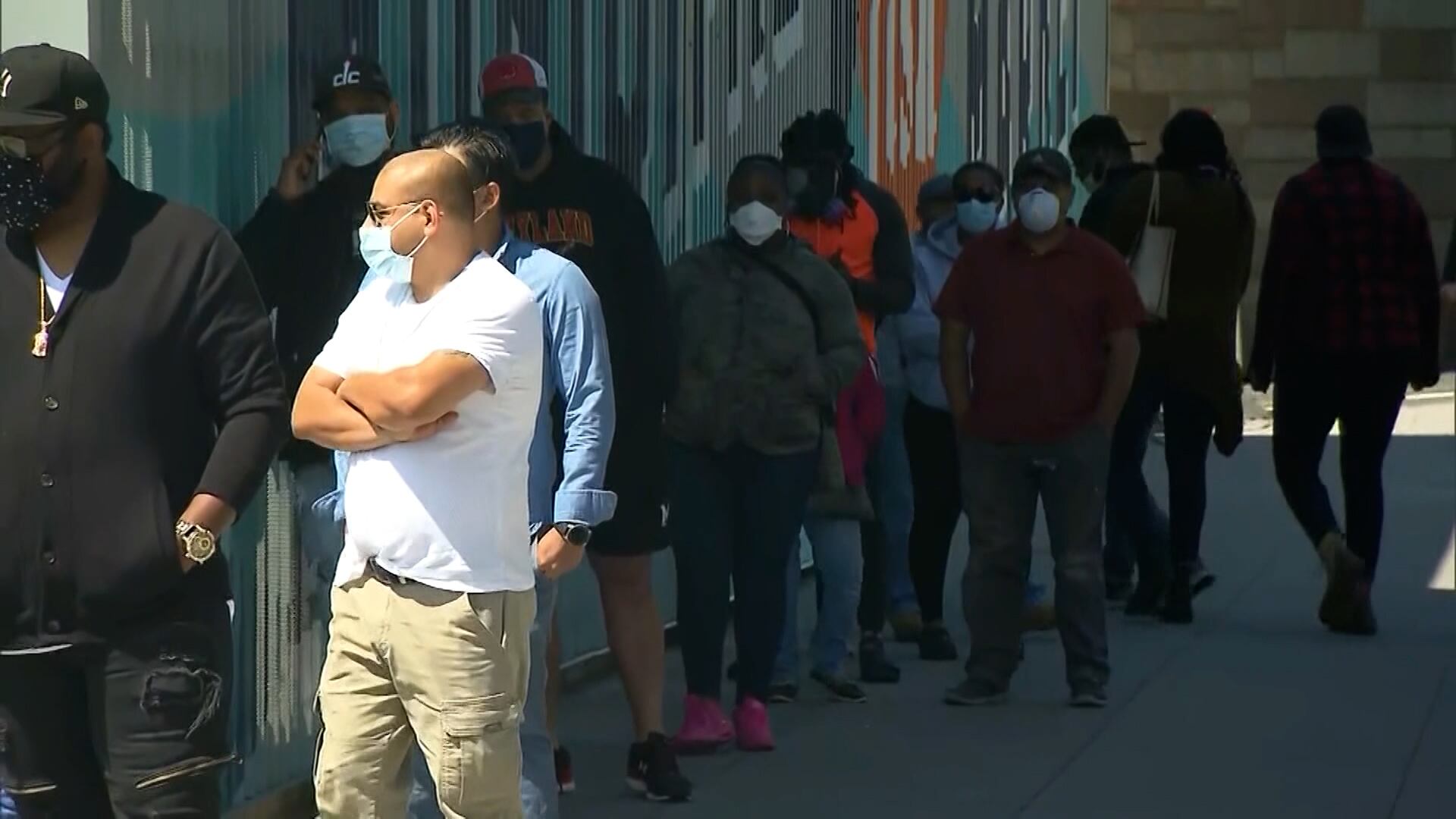
U.S. Futures were pointing to a higher open to round out the week despite a miss on the November Jobs Report, which showed slower job growth than expected-- and as the omicron variant continues to spread across the country. Patrick Healey, Founder & President at Caliber Financial Partners joined Cheddar's Opening Bell to discuss.
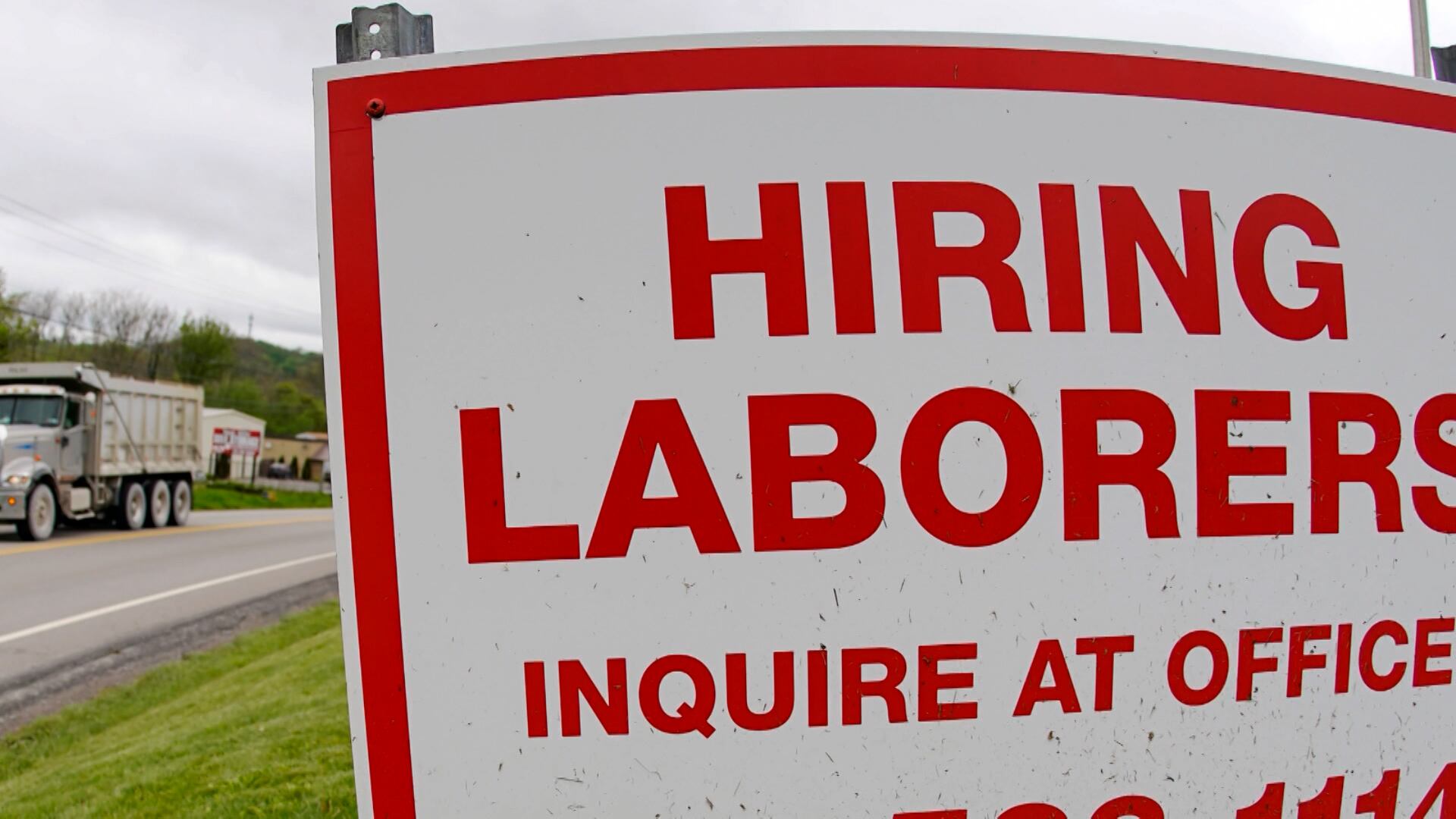
It's a mixed bag for the November jobs report. Hiring slowed last month as employers only added 210,000 jobs, massively missing the estimate of 550,000. But there was one bright spot: the unemployment rate fell to 4.2%, with the number of unemployed people dropping to 6.9 million. Both of those numbers are considerably down from their highs at the end of the 2020 recession. Heather Boushey, a member of President Biden's Council of Economic Advisers, joined Cheddar to discuss the report and the state of the country's ongoing economic recovery.
Many people are quitting their jobs just to have the flexibility of working from anywhere. A new survey conducted by The Conference Board reveals of those who have quit during the pandemic, 1 in 4 did so for the ability to work remotely. Rebecca Ray, executive vice president of Human Capital at The Conference Board, joined Cheddar to discuss why workplace flexibility is so important to employees, and how companies can better support the desires of their workers.
Chris Willman, Features Editor for Variety, discusses changes within the music industry and how venues can provide a safer environment for concert-goers.
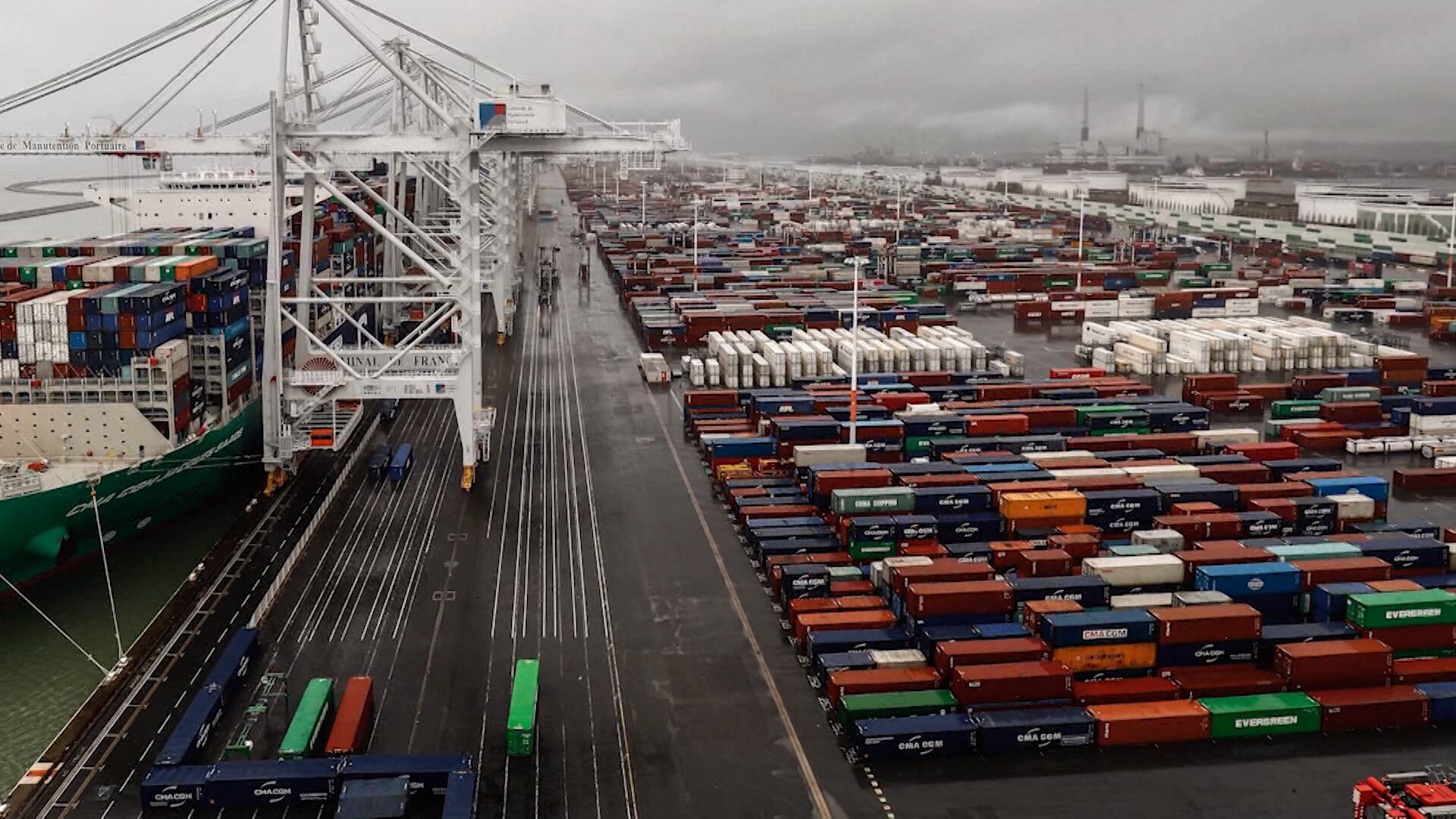
As the U.S. continues to face supply chain shortages, President Joe Biden is reassuring U.S. consumers that the supply chain is in "very strong shape" ahead of the all-important holiday season. As supply bottlenecks start to show signs of improvement, the industry may be faced with yet another challenge: the Omicron variant. Rob Caucci, Co-Founder & Co-CEO of Fillogic joined Cheddar's Opening Bell to discuss.
Local Bounti rang the opening bell December 3 in honor of its recent trading debut on the NYSE after closing a $1.1 billion SPAC deal. The company operates an indoor growing facility in Montana and aims to transform the production and delivery of local, fresh and sustainably-grown leafy greens. Craig Hurlbert, co-founder and co-CEO of Local Bounti, joined Cheddar to discuss the company's goals as a newly publicly-traded company.
Markets rebounded Monday morning after Friday's deep sell-off that saw the Dow suffer its worse day since 2020. It comes as investors continue to react to the impact of the omicron variant on the broader reopening. Eddie Ghabour, Co-Owner at the Key Advisors Group joined Cheddar's Opening Bell to discuss.