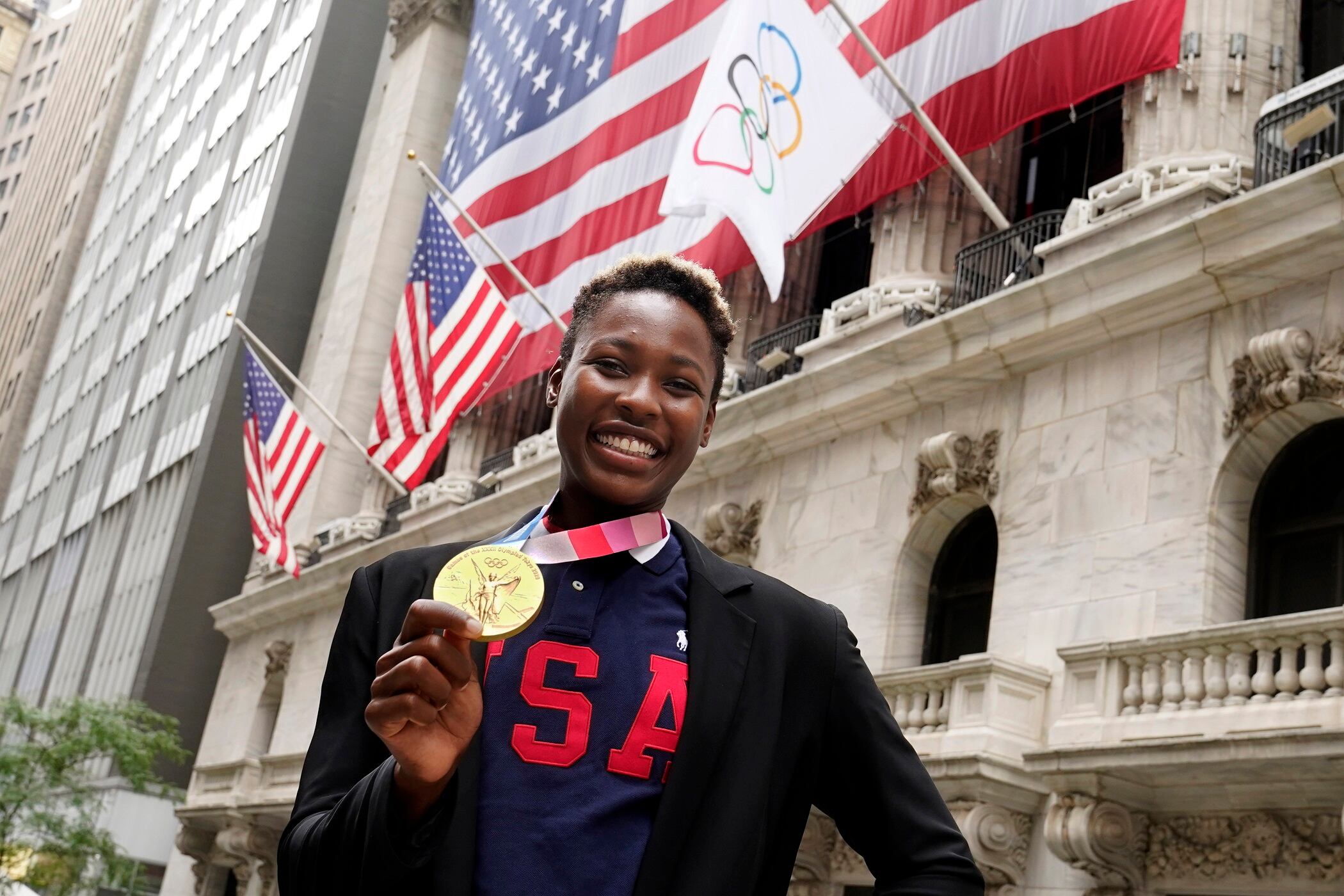
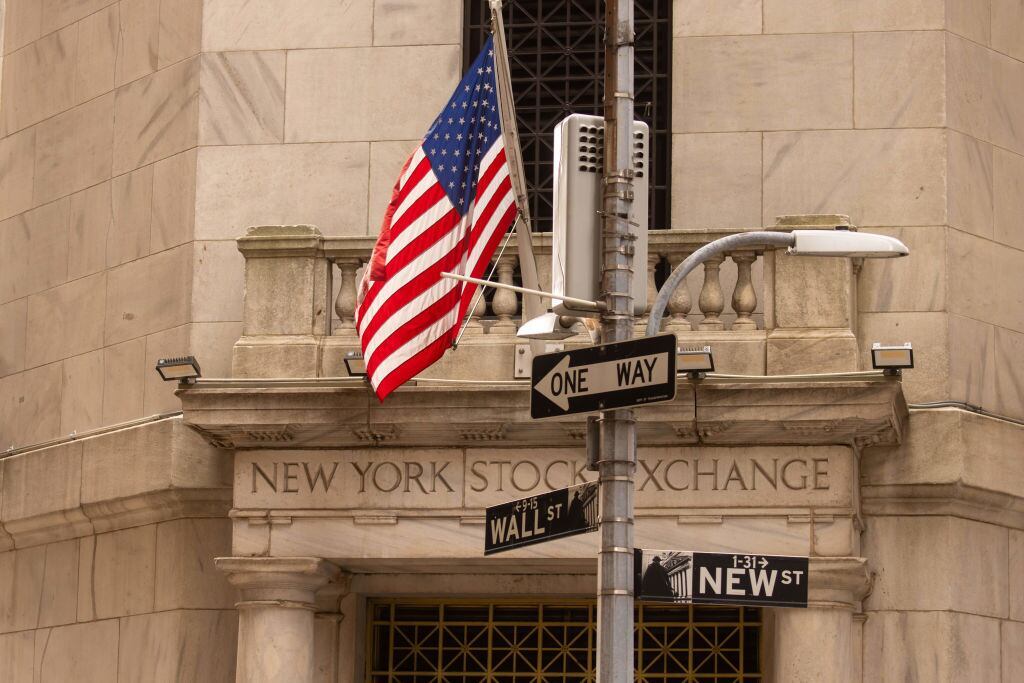
USA Women's Olympic Water Polo Goalkeeper Ashleigh Johnson holds her gold medal as she poses for photos outside the New York Stock Exchange, before ringing the opening bell, Tuesday, Aug. 10, 2021. (AP Photo/Richard Drew)
By Damian J. Troise and Alex Veiga
Stocks capped another wobbly day of trading on Wall Street with modest gains Tuesday, as financial and industrial companies helped lift the market, outweighing a pullback in technology stocks.
The S&P 500 recovered from an early slip and eked out a 0.1% gain, enough to eclipse the record high it set Friday. The majority of companies in the benchmark index made gains, but they were kept in check by technology companies, which have an outsized weight on the S&P 500.
Banks made some of the strongest gains as bond yields edged higher. Banks benefit from higher yields, which allow them to charge higher interest rates on loans. The yield on the 10-year Treasury rose to 1.35% from 1.31% late Monday.
Oil prices pulled up after sliding most of the last week and into Monday. U.S. benchmark crude oil rose 2.7% and helped lift the S&P 500's energy sector to 1.7% gain. Exxon Mobil rose 1.7% and Chevron gained 1.8%.
The broader market remains choppy with investors in the midst of a relatively quiet week. The latest round of corporate earnings is nearly finished and there are only a few pieces of economic data expected.
“We think this is a growing market and a growing economy and there’s room for this market to move,” said Rob Haworth, senior investment strategy director at U.S. Bank Wealth Management. “But that growth story does have some risk to it.”
The S&P 500 gained 4.40 points to 4,436.75. The Dow Jones Industrial Average rose 162.82 points, or 0.5%, to 35,264.67. The blue-chip index also notched an all-time high.
The slide in technology stocks weighed on the tech-heavy Nasdaq, which lost 72.09 points, or 0.5%, to 14,788.09. Small company stocks rose. The Russell 2000 index gained 4.55 points, or 0.2%, to 2,239.36.
Wall Street is still trying to gauge the pace of economic growth amid new worries about the latest wave of COVID-19 from the more contagious delta variant. Parts of Japan, including Tokyo, the capital, remain under a state of emergency as surging numbers of infections put more COVID-19 patients in already overburdened hospitals.
Analysts have said that the pace of growth will likely continue to slow as the year rolls on, but the latest surge with the virus has raised more concerns about just how much. Investors could have a better sense of the virus' impact on the economy in the coming months as schools reopen from summer break and people try to get back to normal activities, Haworth said.
Inflation concerns and the Federal Reserve's future plans to ease up on its support for low interest rates also hangs over the markets.
Earnings season is wrapping up with several big names. Sysco surged 6.5% after the food distributor reported quarterly results that topped Wall Street's estimates.
Ebay will report its results on Wednesday and Walt Disney will report results on Thursday.
Kansas City Southern jumped 7.5% after Canadian Pacific raised its offer for the railroad operator, reigniting a bidding war with Canadian National.
Elon Musk continues on his path to make a reusable rocket with his starship project, but it's not going to be easy. If successful, the rocket would heavily reduce launch costs, in addition to further developing Starlink, Musk’s satellite-based internet service. Rick Tumlinson, founding partner at Space Fund, spoke to Cheddar News about the future of SpaceX.
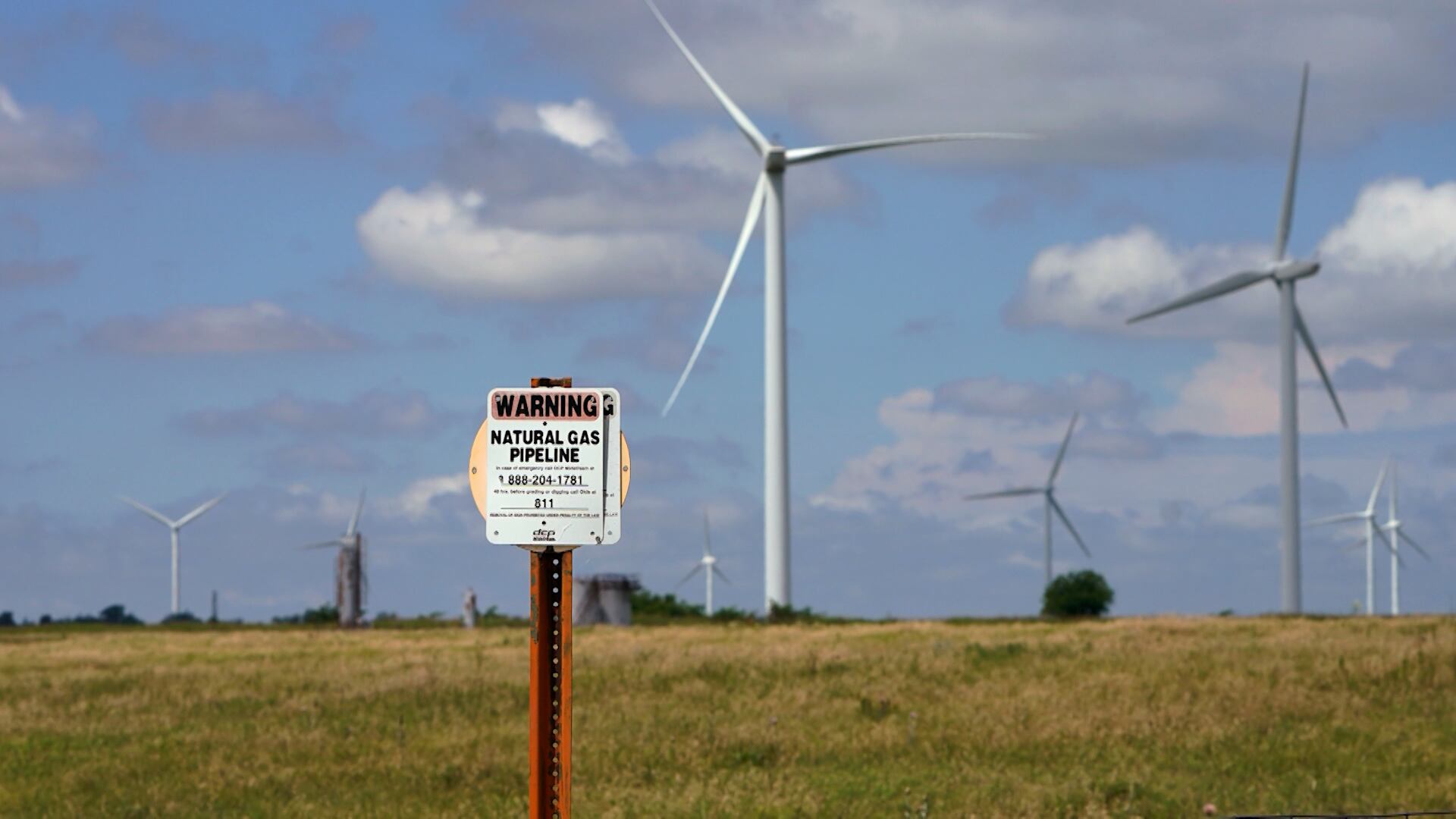
Kevin Book, Managing Director at Clearview Energy Partners, breaks down the factors that impact the price of gas and what this means for renewable energy initiatives.
Kelsey Sutton, streaming editor at Adweek, talks about the offers going on during Disney+ Day and what the entertainment giant is doing to boost subscriber growth.
We are just one day away from what has been called the most influential tech event in the world. CES 2022 will officially kick off on Wednesday in Las Vegas, but the annual tech summit is being impacted by COVID-19, like so many other recent events. The Consumer Technology Association originally planned for a hybrid event to take place from January 5-8, with some in-person events and some virtual; however, a few big-name companies announced they will not be attending in-person, so the CTA decided to shorten the event by one day, with it now ending on Friday. Consumer electronics senior analyst Will Greenwald joins Cheddar News' Closing Bell to discuss.
Stocks closed mixed Tuesday, with the Dow hitting a record close, but the tech-heavy Nasdaq remained under pressure as bond yields continue to rise. Meanwhile, the S&P 500 closed lower, just shy of a record high. Nancy Prial, Co-CEO & Senior Portfolio Manager of Essex Investment Management joins Cheddar News' Closing Bell to discuss today's close, market predictions for 2022, and more.
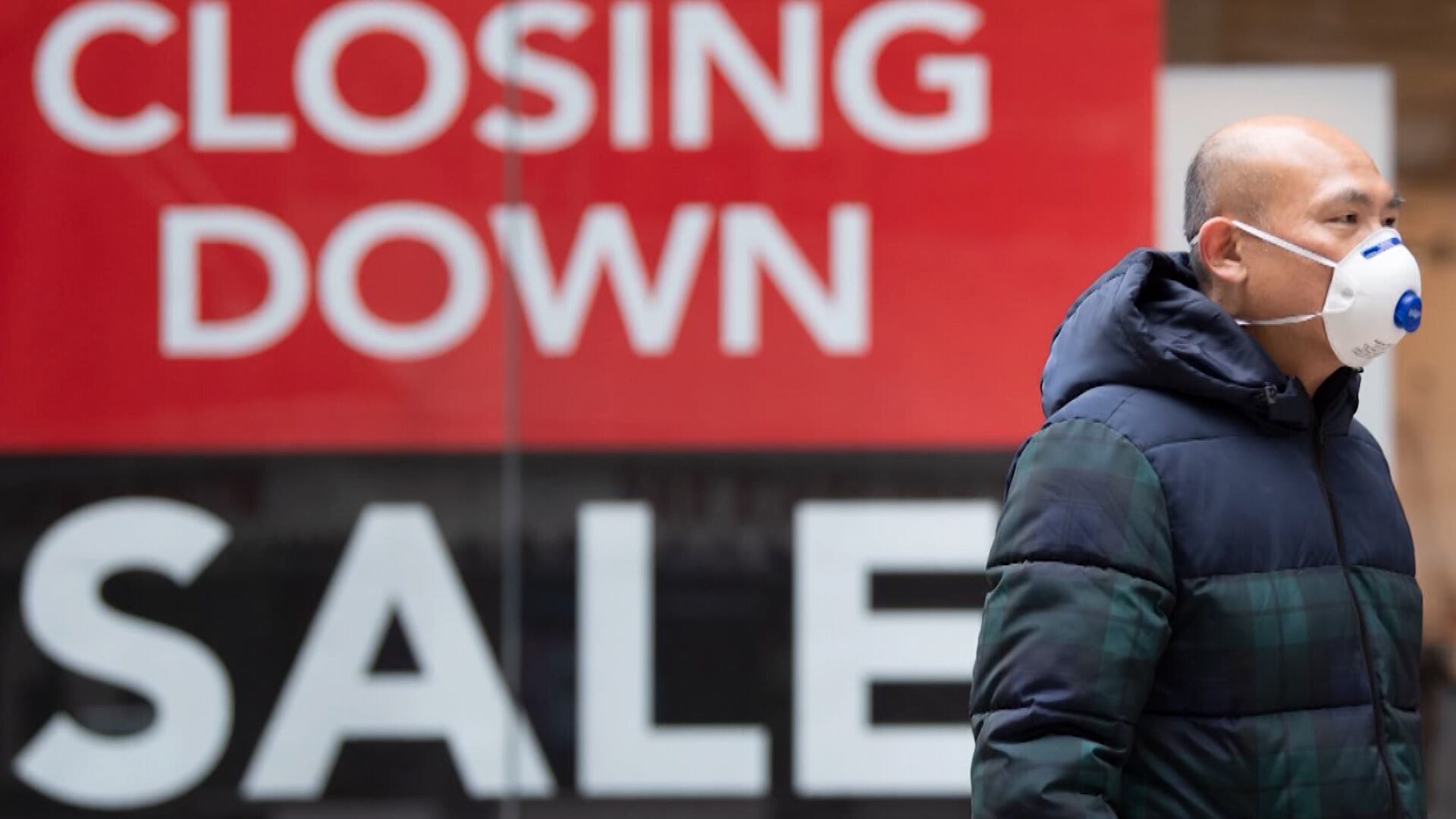
This year - for the first time in five years - store openings might actually top announced store closings. Reports show that we're seeing companies opening up new locations by the dozens, and by the hundreds. The need for customers to touch and feel its' products is only one factor in the equation. John Harmon, senior analyst at Coresight Research, joins Cheddar News' Closing Bell to discuss.
Harry Yeh, Managing Director at Quantum Fintech Group, joins Cheddar News' Closing Bell, where he explains why his firm has a target estimate of $400,000 for Bitcoin this year.
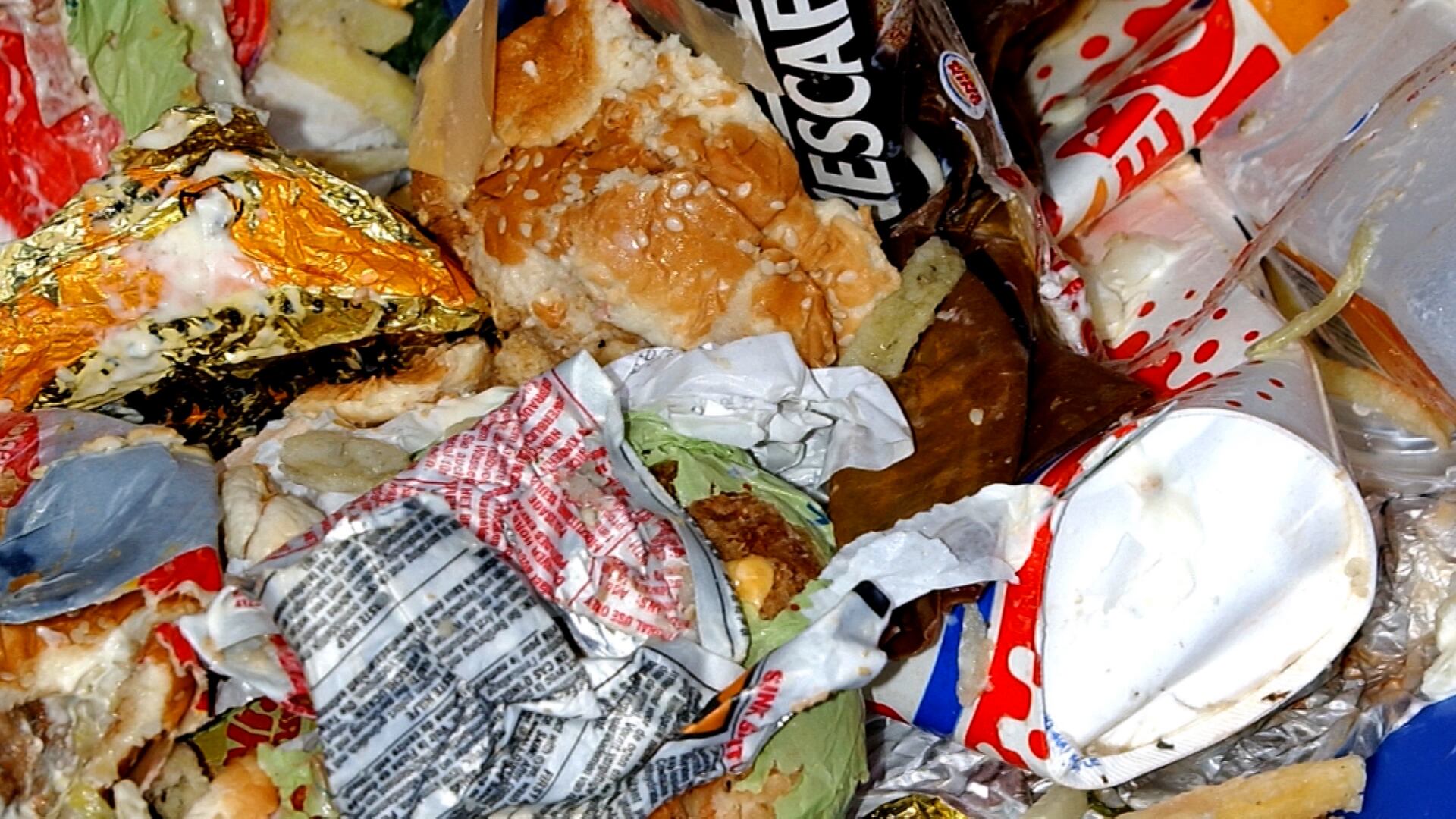
California's new composting law will affect what residents do in their kitchens. As of this week, Californians will have to recycle excess food in an effort to reduce emissions caused by food waste. Cities and counties will turn recycled food into compost or use it as a renewable energy source. California's new law is the largest mandatory residential food waste recycling program in the country. Rachel Wagoner, Director of the California Department of Resources, Recycling and Recovery called the law 'the biggest change to trash' since recycling started in the 1980s. She joined Cheddar Climate to discuss.
Like the big changeover to e-commerce for retail, the COVID-19 pandemic has moved car buying trends to the digital showroom. Karl Brauer, an executive analyst at iSeeCars.com, joined Cheddar to talk about the "mindset shift" in consumers and businesses to order-based systems in the United States (something more common in other countries). While more than 60 percent of consumers still prefer to visit dealerships in-person, Brauer noted that consumers are better off ordering a car to spec, which would also help improve supply constraints. "It's really bad right now to be building cars and not really knowing who's going to buy them or when they're going to sell," he said. Manufacturing a car to order would maximize the efficiency of obtaining materials through the supply chain rather than "shotgunning it" at dealerships.