Trader Robert Charmak works on the floor of the New York Stock Exchange, Monday, July 12, 2021. (AP Photo/Richard Drew)
By Damian J. Troise and Alex Veiga
Major US stock indexes closed mostly lower Thursday, pulling back further from the record highs they reached at the start of the week.
The S&P 500 fell 0.3% after shedding an early gain. The benchmark index is now on pace for its first weekly loss in four weeks.
Technology and communications stocks, and companies that rely on consumer spending, accounted for much of the pullback, outweighing gains elsewhere in the market. Energy stocks fell following a broad slide in energy prices. Among the winners were financial stocks, including banks, which have been reporting mostly solid earnings.
Bond yields fell. The yield on the 10-year Treasury note slipped to 1.30% from 1.35% the day before.
Investors continued to focus on where the economy is headed as the pandemic wanes and on what companies have to say about how higher inflation is affecting their business.
“As long as inflation ends up being transitory, as the Fed believes, the economy is set to continue to do real well,” said Chris Gaffney, president of TIAA Bank World Markets. "The big risk is that inflation spikes and stays here.”
The S&P 500 fell 14.27 points to 4,360.03. The tech-heavy Nasdaq slid 101.82 points, or 0.7%, to 14,543.13. The Dow Jones Industrial Average bucked the trend and bounced back after being down much of the day. The blue-chip index gained 53.79 points, or 0.2%, to 34,987.02.
Small company stocks also fell. The Russell 2000 index lost 12.07 points, or 0.6%, to 2,190.29.
On Thursday, Federal Reserve Chair Jerome Powell delivered his second day of testimony before Congress. Powell reiterated that signs of inflation should ease or reverse over time, while acknowledging that the U.S. is in the midst of an unparalleled economic reopening on the heels of a pandemic-induced recession.
The government said Wednesday that inflation at the wholesale level jumped 1% in June, pushing price gains over the past 12 months up by a record 7.3%. That followed a report a day earlier showing consumer prices posted the biggest 12-month gain in 13 years.
Investors are also trying to determine how the economic recovery will play out for the rest of the year as the world tries to get back to normal with COVID-19 waning, but still lingering.
“There’s a big question mark around COVID-19 shifting from an acute to a chronic condition for the global market,” said Rod von Lipsey, managing director at UBS Private Wealth Management.
While the virus and its variants aren’t likely to severely disrupt the economic recovery, expectations for a quick snapback have been stymied by persistent mutations, he said.
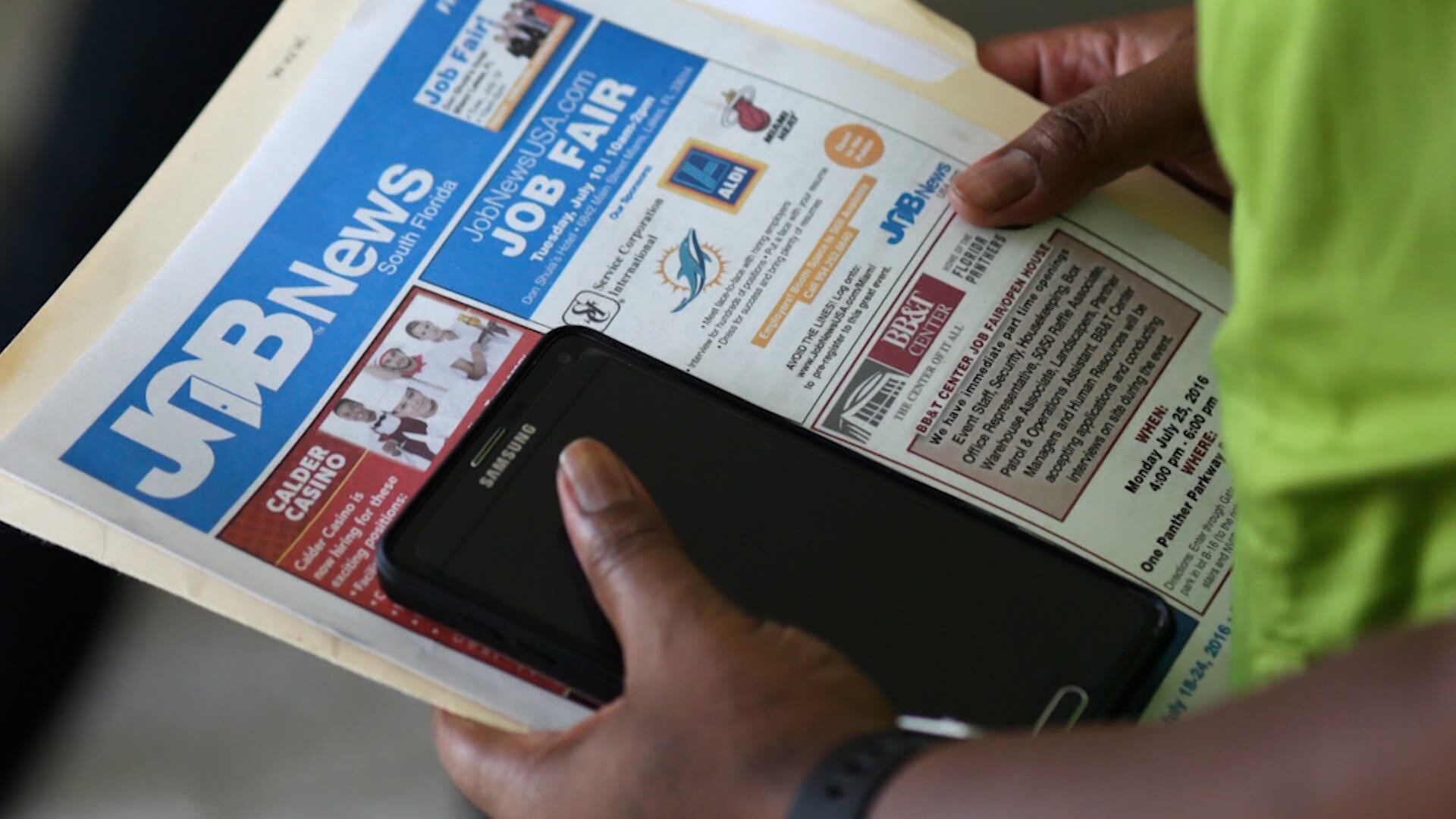
New data on applications for unemployment benefits signaled the labor market continues to improve. The Labor Department said Thursday that unemployment claims fell by 26,000 last week to 360,000, the lowest level since the pandemic struck last year.
More companies released their latest quarterly earnings Thursday. Progressive fell 2.6% after the insurance company’s results fell far short of analysts’ forecasts. Morgan Stanley rose 0.2% after reporting a 10% rise in quarterly profits from a year earlier.
A larger bulk of companies will start reporting next week, when earnings season gets into full swing.
American International Group, better known as AIG, rose 3.6% after the insurance company reached a deal with Blackstone Group to help manage some of its life insurance assets.
Stocks closed higher as the retail sector showed continued strength - including higher retail sales data in October and strong earnings for big-box retailers Walmart and Home Depot, which lifted the Dow. Lance Ippolito, head trader at the Future Of Wealth, joins Cheddar News' Closing Bell to discuss today's close, where investors should look for growth, and how the electric vehicle space will drive markets.
Bitcoin hit a new high last week, rising above $68,000. But the coin has tumbled since, and it's not the only coin under pressure. Crypto is down today across the board. Bobby Zagotta, CEO of Bitstamp USA, joins Cheddar News' Closing Bell to discuss the possible reasons why Bitcoin has slumped, how President Joe Biden's new crypto tax clause will impact investors, and more.
The Green Bay Packers are selling shares of their stock for just the sixth time in its 102-year history. The Packers are the only major professional sports team in the U.S. that is publicly owned and not-for-profit. Now, it is offering 300,000 shares at $300 apiece; however, fans who become shareholders will not have much power, as the Packers' stock is not technically a stock. Washington Post sports reporter Des Bieler joins Cheddar News' Closing Bell to discuss.
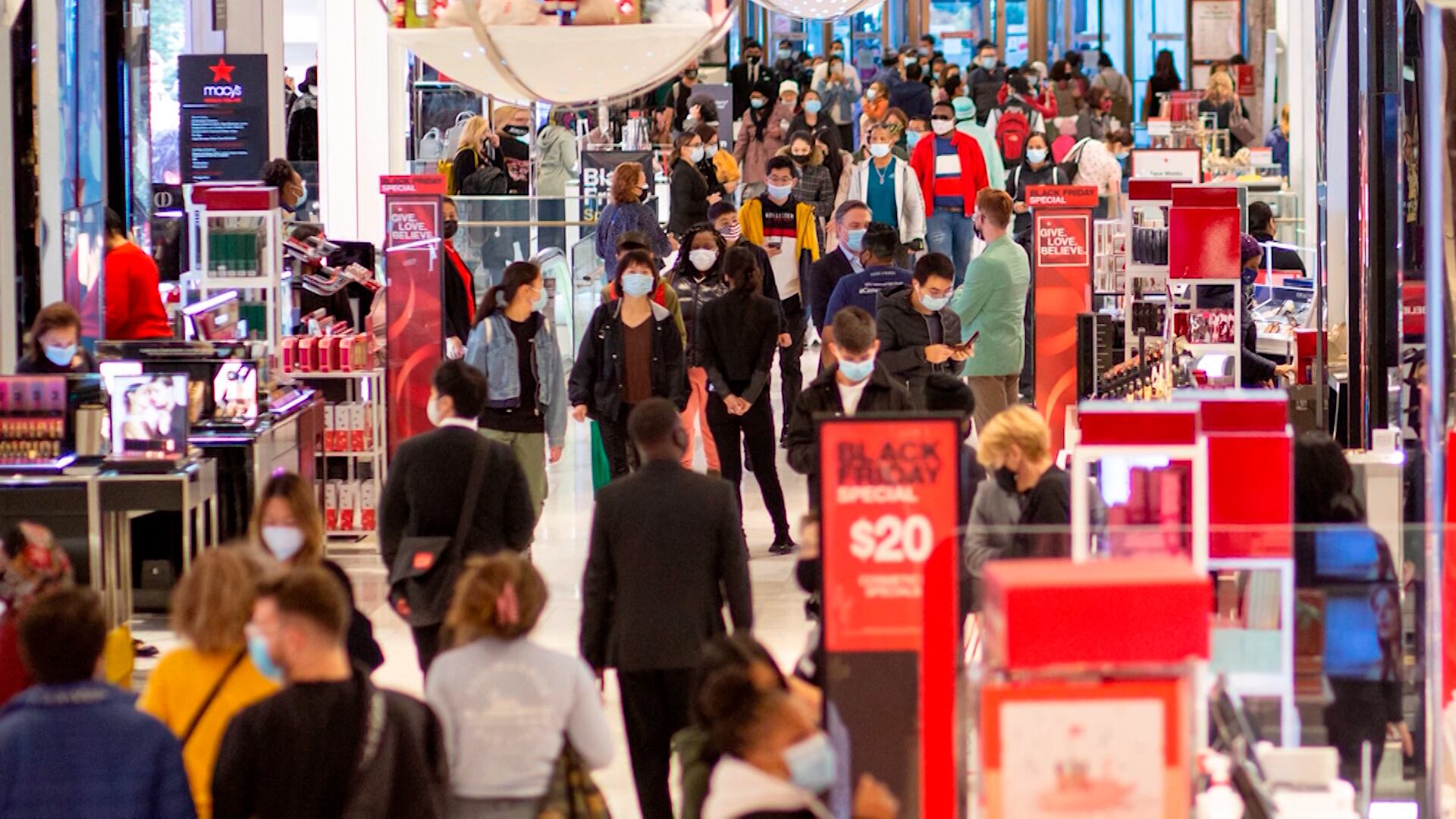
Katie Thomas, lead at Kearney Consumer Institute, joined Cheddar to talk about Walmart's Q3 earnings beat and what it means for the larger retail industry ahead of the gift-giving season. "Getting strong numbers from Walmart and from the retail sector overall is good news going into the holiday season. It shows that even though despite some of the news around supply constraints, consumers are still getting out there and shopping," she said. With the holiday rush nearly setting in, Thomas said a clearer view of the economy will be found after Q4 results are posted, giving some time to account for how well businesses were able to maintain amid supply constraints.
Inflation has risen to its highest level in 31 years, sending consumer prices on everything from groceries to gas to rent surging. For many businesses, that's good news as inflation typically means better profit margins. According to data from FactSet, nearly two out of three of the biggest U.S. publicly traded companies have reported fatter profit margins so far this year compared to the same stretch of 2019, before the pandemic. Gregory Daco, chief U.S. economist for Oxford Economics, breaks down how the top businesses are reaping the benefits of inflation, and when consumers can expect inflation to ease.
As the U.S. opens its borders to vaccinated international travelers after months of restrictions, the hospitality industry is preparing for a comeback. Radha Arora, President and Co-Chief Development Officer, Rosewood Hotel Group joined Cheddar's Opening Bell to discuss his outlook for the broader travel industry.
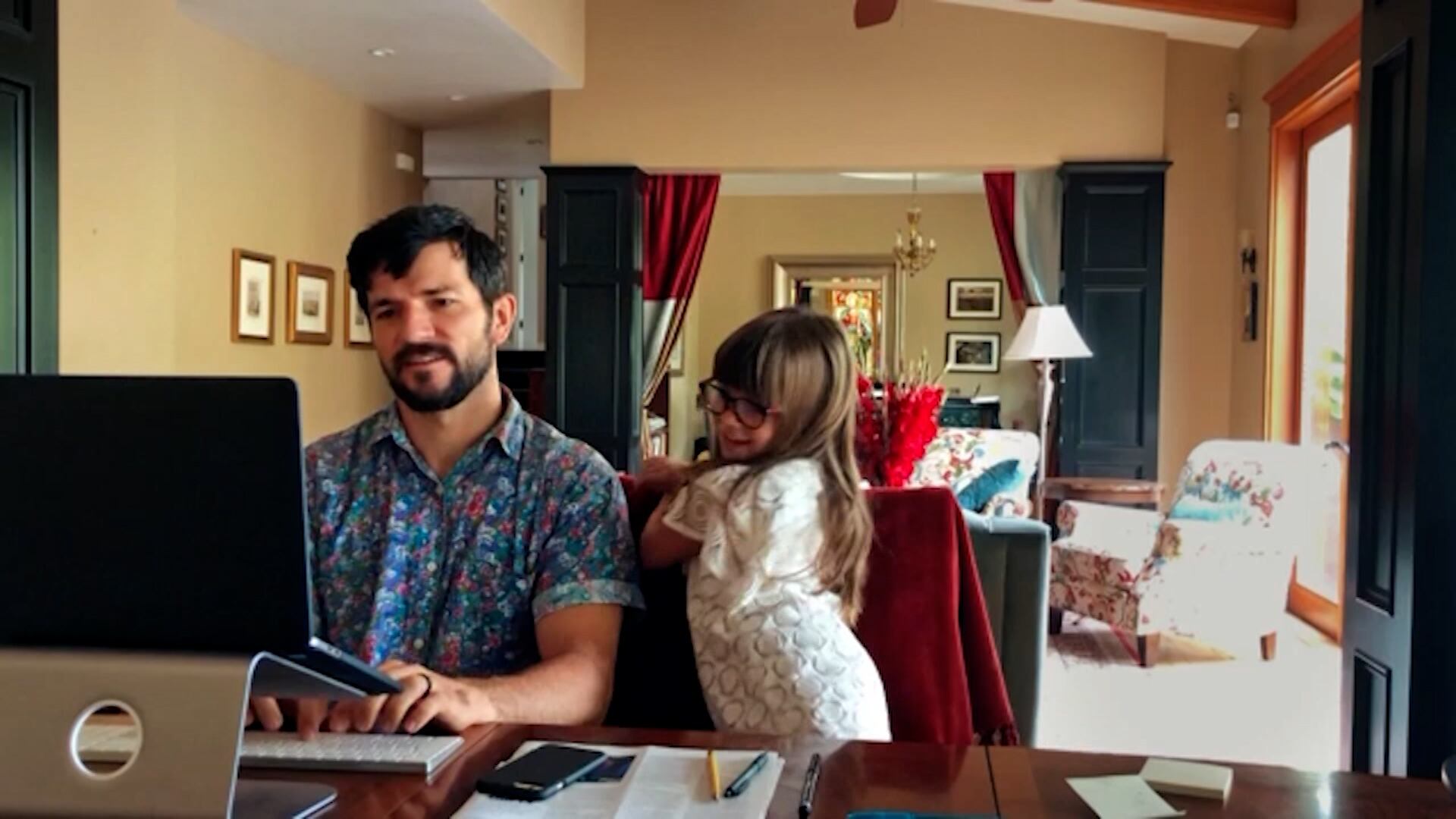
Dominick Reuter, Senior Reporter at Insider, breaks down the challenges within the labor market, and how unionization and inflation are impacting the future of work.
Roblox is getting into education. The gaming platform is investing $10 million into developing educational video games for middle schools, high schools, and colleges across the country. This marks the first time Roblox is putting money into developing games for the platform, and it comes as Roblox also plans to build a stake in the metaverse. Sarah Needleman, technology reporter for The Wall Street Journal, breaks it all down for Cheddar.
The collaboration platform Slack is launching a massive revamp at its annual customer conference, aimed at creating a more flexible and connected work experience. CEO and co-founder Stewart Butterfield joined Cheddar to provide some additional details about the digital HQ upgrade.