Trader Robert Charmak works on the floor of the New York Stock Exchange, Monday, July 12, 2021. (AP Photo/Richard Drew)
By Damian J. Troise and Alex Veiga
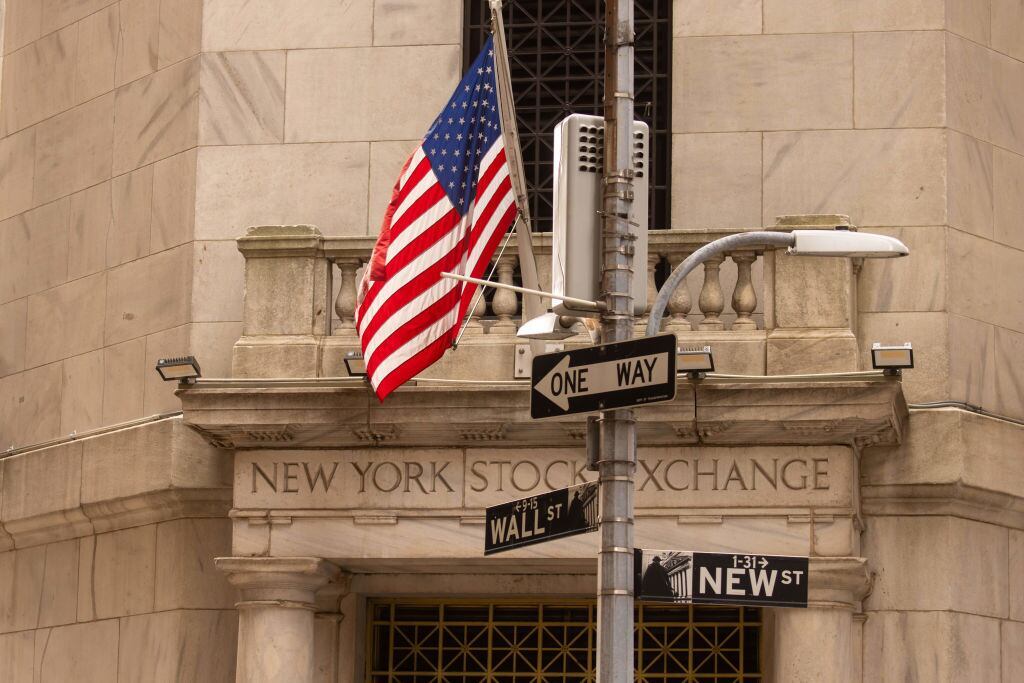
Major US stock indexes closed mostly lower Thursday, pulling back further from the record highs they reached at the start of the week.
The S&P 500 fell 0.3% after shedding an early gain. The benchmark index is now on pace for its first weekly loss in four weeks.
Technology and communications stocks, and companies that rely on consumer spending, accounted for much of the pullback, outweighing gains elsewhere in the market. Energy stocks fell following a broad slide in energy prices. Among the winners were financial stocks, including banks, which have been reporting mostly solid earnings.
Bond yields fell. The yield on the 10-year Treasury note slipped to 1.30% from 1.35% the day before.
Investors continued to focus on where the economy is headed as the pandemic wanes and on what companies have to say about how higher inflation is affecting their business.
“As long as inflation ends up being transitory, as the Fed believes, the economy is set to continue to do real well,” said Chris Gaffney, president of TIAA Bank World Markets. "The big risk is that inflation spikes and stays here.”
The S&P 500 fell 14.27 points to 4,360.03. The tech-heavy Nasdaq slid 101.82 points, or 0.7%, to 14,543.13. The Dow Jones Industrial Average bucked the trend and bounced back after being down much of the day. The blue-chip index gained 53.79 points, or 0.2%, to 34,987.02.
Small company stocks also fell. The Russell 2000 index lost 12.07 points, or 0.6%, to 2,190.29.
On Thursday, Federal Reserve Chair Jerome Powell delivered his second day of testimony before Congress. Powell reiterated that signs of inflation should ease or reverse over time, while acknowledging that the U.S. is in the midst of an unparalleled economic reopening on the heels of a pandemic-induced recession.
The government said Wednesday that inflation at the wholesale level jumped 1% in June, pushing price gains over the past 12 months up by a record 7.3%. That followed a report a day earlier showing consumer prices posted the biggest 12-month gain in 13 years.
Investors are also trying to determine how the economic recovery will play out for the rest of the year as the world tries to get back to normal with COVID-19 waning, but still lingering.
“There’s a big question mark around COVID-19 shifting from an acute to a chronic condition for the global market,” said Rod von Lipsey, managing director at UBS Private Wealth Management.
While the virus and its variants aren’t likely to severely disrupt the economic recovery, expectations for a quick snapback have been stymied by persistent mutations, he said.
New data on applications for unemployment benefits signaled the labor market continues to improve. The Labor Department said Thursday that unemployment claims fell by 26,000 last week to 360,000, the lowest level since the pandemic struck last year.
More companies released their latest quarterly earnings Thursday. Progressive fell 2.6% after the insurance company’s results fell far short of analysts’ forecasts. Morgan Stanley rose 0.2% after reporting a 10% rise in quarterly profits from a year earlier.
A larger bulk of companies will start reporting next week, when earnings season gets into full swing.
American International Group, better known as AIG, rose 3.6% after the insurance company reached a deal with Blackstone Group to help manage some of its life insurance assets.
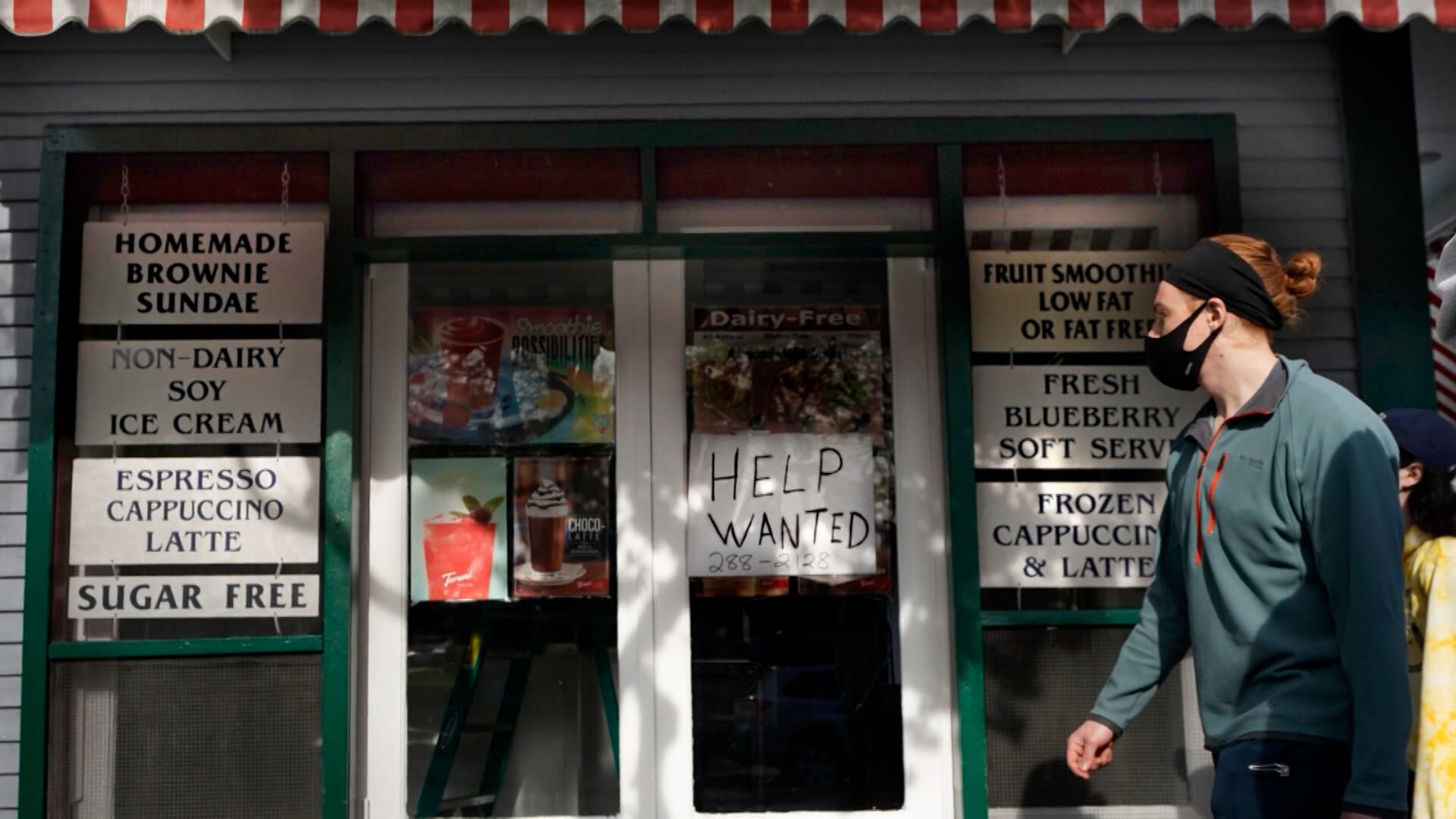
November's jobs report is tricky: nonfarm payrolls only increased by 210,000, following an October gain of 546,000. At the same time, the unemployment rate fell to 4.2% - and the labor force participation rate rose 61.8% to its highest level since March 2020. Also of note: the retail sector saw a decline of 20,000 jobs despite what was once a traditional late fall push to hire before the holiday sales rush. What's going on in the labor market, and can we expect more volatile numbers as the omicron variant spreads during the winter months? Adam Ozimek, Chief economist at Upwork, joins Cheddar News' Closing Bell to discuss the mixed jobs report, sector winners and losers, retail's flip-flop, and more.
Chinese regulators are reportedly behind China-based ride-hailing company DiDi exiting from the New York Stock Exchange, just days after listing earlier this year. The regulators stated prior that DiDi had not received the necessary clearances to list in the states. Gordon Chang, Asian affairs expert, joined Cheddar to break down what the delisting says about the relationship between nations. "This really strikes me as an attempt to really to force a decoupling of China and the U.S. in the financial markets," Chang said.
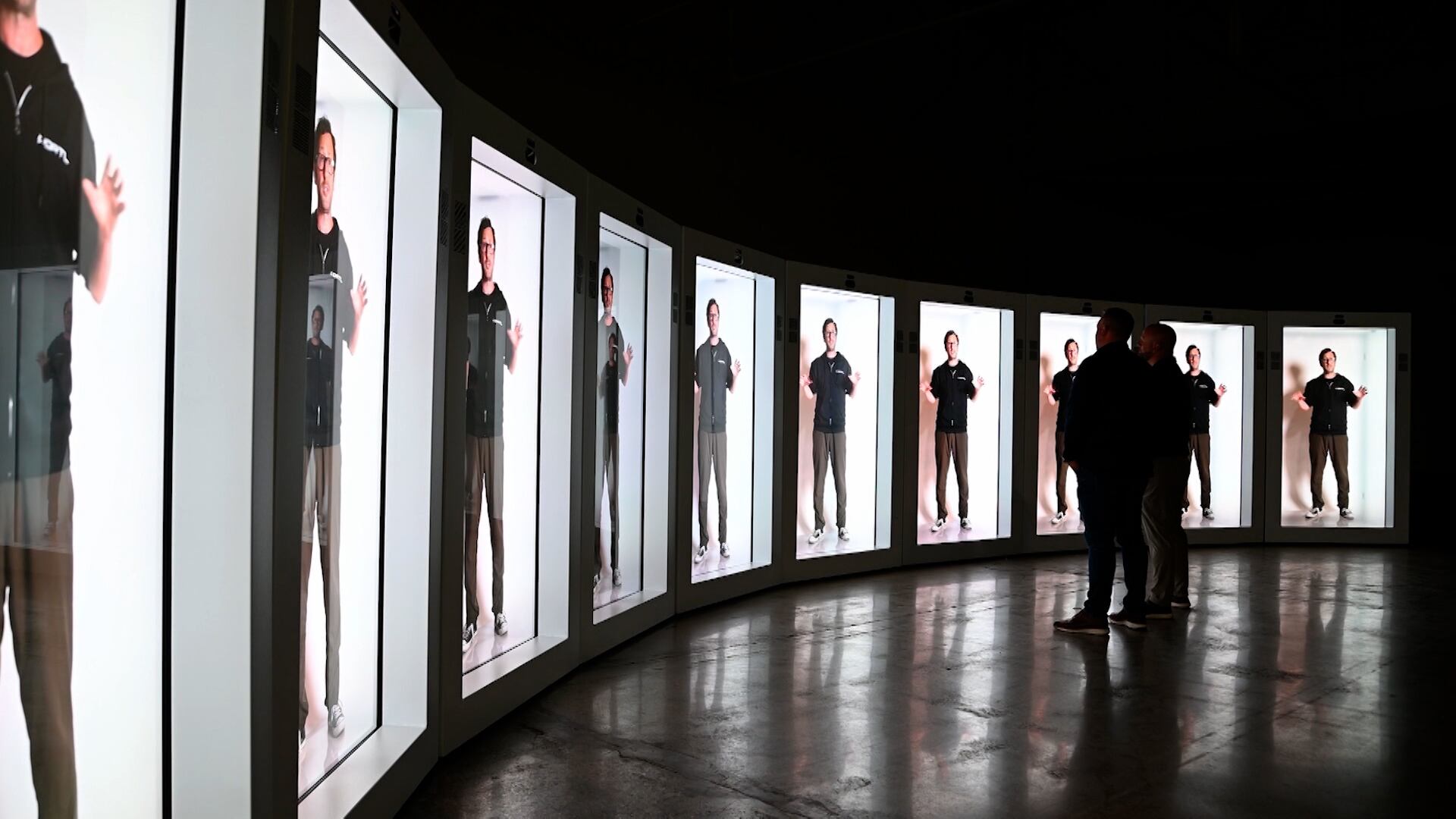
Hologram communication platform maker PORTL is looking to take communication to the next level. Founder and CEO David Nussbaum joined Cheddar to talk about the company's recent $12 million Series A funding round that will be used to bring the concept of holoportation to market. Nussbaum noted his hologram technology is just not comparable to augmented reality or virtual metaverses because the image projection is happening in real-time and in actual reality. "Well, unlike VR or AR, we're 'R.' We're real. You don't need a headset. You don't need wearables. You don't need to download anything. It's incredible," he said.
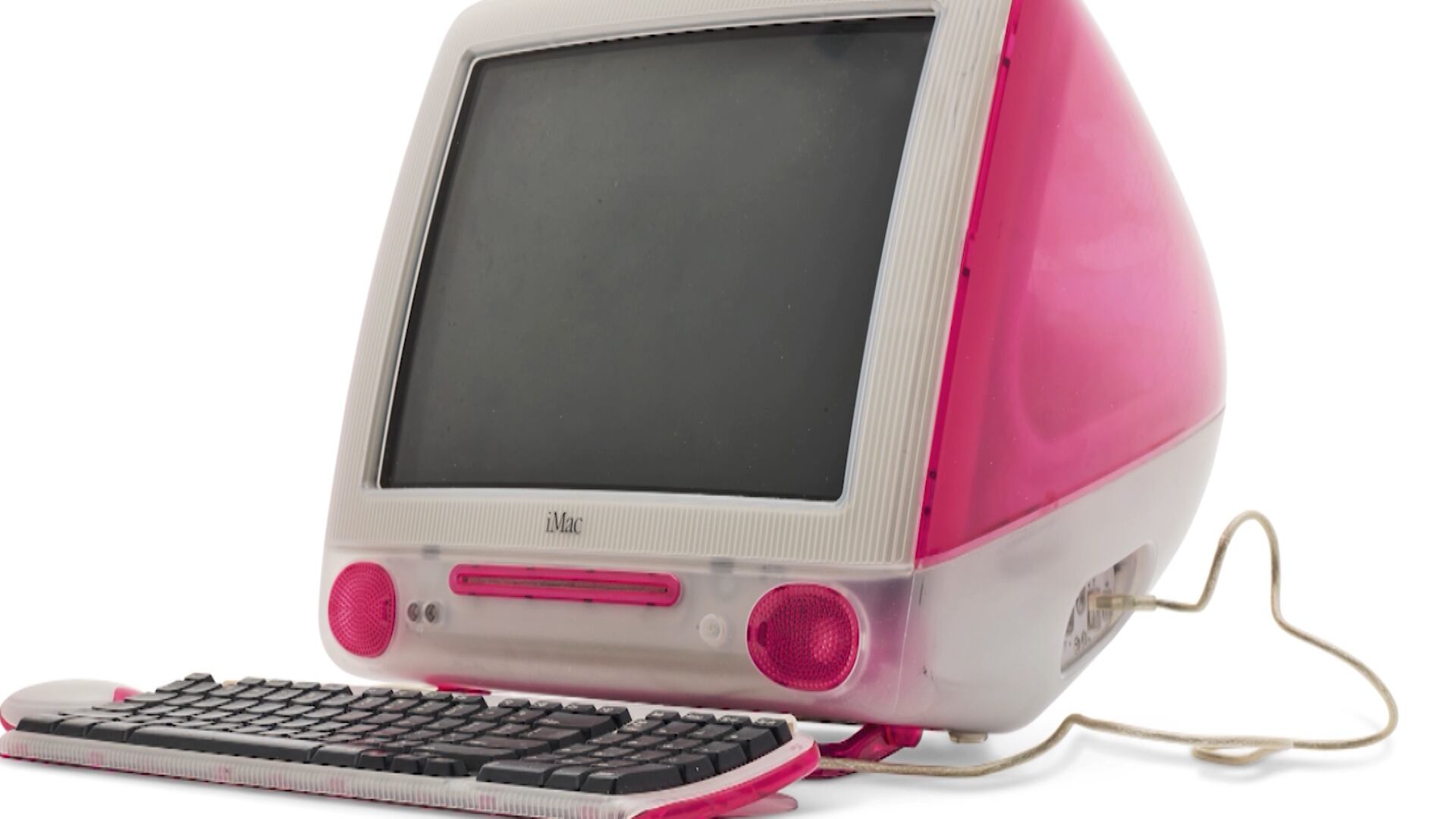
Wikipedia founder Jimmy Wales stopped by Cheddar's "Between Bells" to talk about his Birth of Wikipedia auction at Christie's putting two items linked to the origins of Wikipedia up for sale. On the auction block are his original strawberry iMac that was used to create the long-running online encyclopedia and what Wales described as an interactive NFT of his first Wikipedia edit rather than a static image. "Once it's been sold, the owner can turn it on, and anyone can edit the page and it will be reflected in the NFT," he said.
On this episode of Your Future Home, Carmine Satabella, Interior Designer & Television Host, joins to break down how to get the most out of your winter decor this year and basic kitchen fundamentals that go a long way; Max Child, CEO and co-founder of Volley, discusses the rise of voice games and how tech is continuing to change smart homes; Cheddar breaks down everything you need to know about how to start flipping homes.
China-based DiDi is delisting from the New York Stock Exchange after Chinese officials reportedly asked the ride-hailing company to do so. It will instead list on the Stock Exchange of Hong Kong.
U.S. Futures were pointing to a higher open to round out the week despite a miss on the November Jobs Report, which showed slower job growth than expected-- and as the omicron variant continues to spread across the country. Patrick Healey, Founder & President at Caliber Financial Partners joined Cheddar's Opening Bell to discuss.
It's a mixed bag for the November jobs report. Hiring slowed last month as employers only added 210,000 jobs, massively missing the estimate of 550,000. But there was one bright spot: the unemployment rate fell to 4.2%, with the number of unemployed people dropping to 6.9 million. Both of those numbers are considerably down from their highs at the end of the 2020 recession. Heather Boushey, a member of President Biden's Council of Economic Advisers, joined Cheddar to discuss the report and the state of the country's ongoing economic recovery.