Trader Robert Charmak works on the floor of the New York Stock Exchange, Monday, July 12, 2021. (AP Photo/Richard Drew)
By Damian J. Troise and Alex Veiga
Major US stock indexes closed mostly lower Thursday, pulling back further from the record highs they reached at the start of the week.
The S&P 500 fell 0.3% after shedding an early gain. The benchmark index is now on pace for its first weekly loss in four weeks.
Technology and communications stocks, and companies that rely on consumer spending, accounted for much of the pullback, outweighing gains elsewhere in the market. Energy stocks fell following a broad slide in energy prices. Among the winners were financial stocks, including banks, which have been reporting mostly solid earnings.
Bond yields fell. The yield on the 10-year Treasury note slipped to 1.30% from 1.35% the day before.
Investors continued to focus on where the economy is headed as the pandemic wanes and on what companies have to say about how higher inflation is affecting their business.
“As long as inflation ends up being transitory, as the Fed believes, the economy is set to continue to do real well,” said Chris Gaffney, president of TIAA Bank World Markets. "The big risk is that inflation spikes and stays here.”
The S&P 500 fell 14.27 points to 4,360.03. The tech-heavy Nasdaq slid 101.82 points, or 0.7%, to 14,543.13. The Dow Jones Industrial Average bucked the trend and bounced back after being down much of the day. The blue-chip index gained 53.79 points, or 0.2%, to 34,987.02.
Small company stocks also fell. The Russell 2000 index lost 12.07 points, or 0.6%, to 2,190.29.
On Thursday, Federal Reserve Chair Jerome Powell delivered his second day of testimony before Congress. Powell reiterated that signs of inflation should ease or reverse over time, while acknowledging that the U.S. is in the midst of an unparalleled economic reopening on the heels of a pandemic-induced recession.
The government said Wednesday that inflation at the wholesale level jumped 1% in June, pushing price gains over the past 12 months up by a record 7.3%. That followed a report a day earlier showing consumer prices posted the biggest 12-month gain in 13 years.
Investors are also trying to determine how the economic recovery will play out for the rest of the year as the world tries to get back to normal with COVID-19 waning, but still lingering.
“There’s a big question mark around COVID-19 shifting from an acute to a chronic condition for the global market,” said Rod von Lipsey, managing director at UBS Private Wealth Management.
While the virus and its variants aren’t likely to severely disrupt the economic recovery, expectations for a quick snapback have been stymied by persistent mutations, he said.
New data on applications for unemployment benefits signaled the labor market continues to improve. The Labor Department said Thursday that unemployment claims fell by 26,000 last week to 360,000, the lowest level since the pandemic struck last year.
More companies released their latest quarterly earnings Thursday. Progressive fell 2.6% after the insurance company’s results fell far short of analysts’ forecasts. Morgan Stanley rose 0.2% after reporting a 10% rise in quarterly profits from a year earlier.
A larger bulk of companies will start reporting next week, when earnings season gets into full swing.
American International Group, better known as AIG, rose 3.6% after the insurance company reached a deal with Blackstone Group to help manage some of its life insurance assets.
Decentralized talent network Braintrust recently closed an atypical equity deal that involved investors buying $100 million in Braintrust tokens, the company's cryptocurrency. Braintrust's talent network is built on blockchain technology, which the company says allows it to be owned and built by users, instead of a centrally-controlled corporation. Braintrust users can also earn tokens for their contributions to the network and its growth. Braintrust co-founder Adam Jackson joins Cheddar News' Closing Bell to discuss.
Blue Origin launched its third manned mission over the weekend with 'Good Morning America' host Michael Strahan and Laura Shepard Churchley, daughter of astronaut Alan Shepard on board, alongside several Blue Origin investors.
This comes after the spaceflight firm launched two successful missions to the edge of space earlier this year. How will these missions set up Blue Origin for success as it competes with SpaceX and other companies for space tourism domination and more? Joey Roulette, space reporter at The New York Times, joins Cheddar News' Closing Bell to discuss.
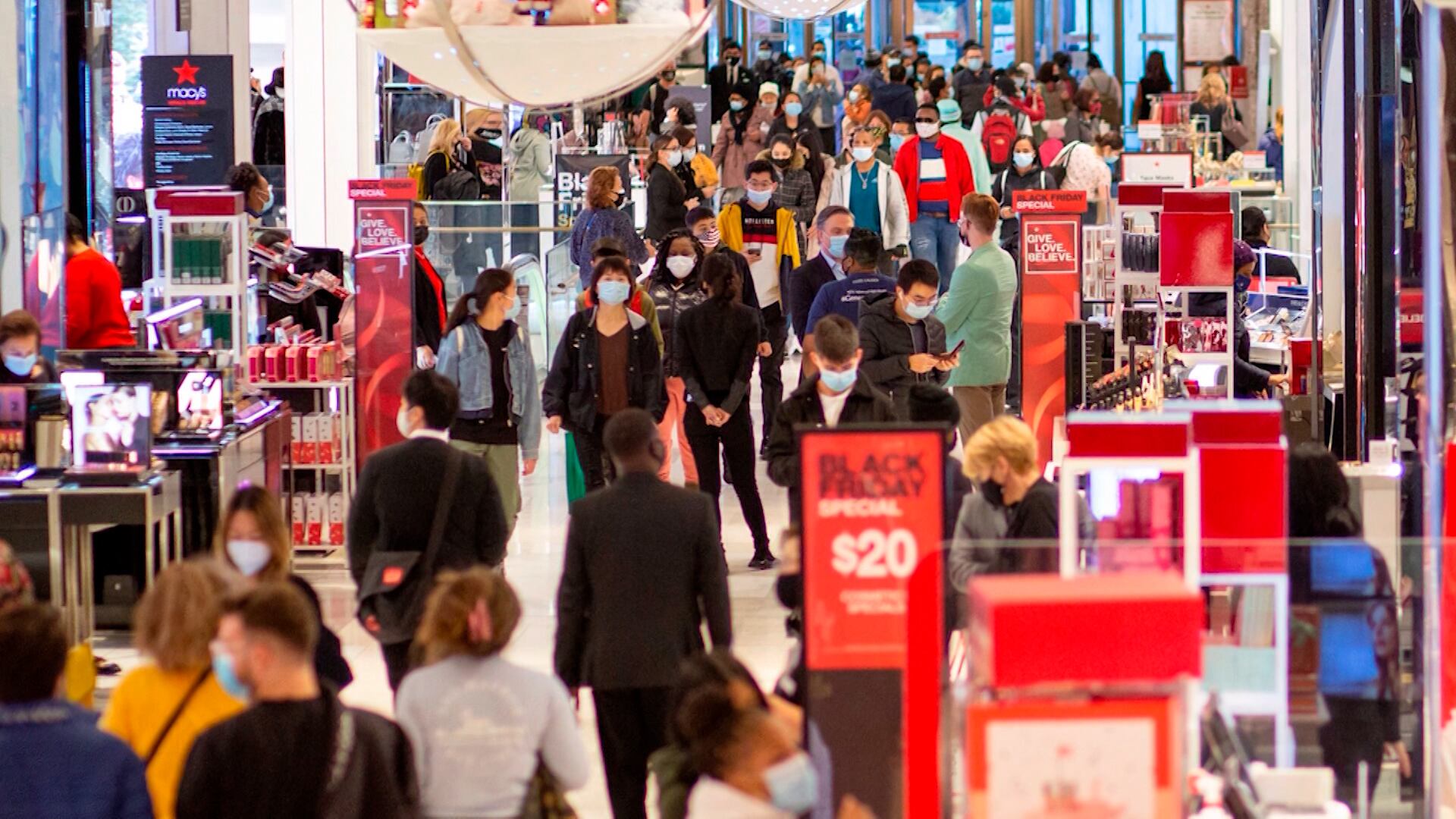
If there's any question about whether inflation is here to stay, today's November consumer price index data gives us an answer. This is the second month in a row we've seen a hot inflation reading — CPI last month rose to 6.8%, after jumping to 6.2% in October. Amid the holiday shopping season, what does this mean for consumers? And how will the Federal Reserve move forward after previously announcing it would speed up its asset taper timeline? Art Hogan, Chief Market Strategist at National Securities, joins Cheddar News' Closing Bell to discuss November's CPI jump, where consumers are hurting the most, what the Fed could do to help ease inflation, and more.
Editorial and stock photo provider Getty Images is gearing up to make its public debut via a SPAC merger with CC Neuberger Principal Holdings II bringing it to a $4.8 billion valuation. CEO Craig Peters joined Cheddar to break down the decision to go public and noted that the merger will help to pay down debt. "That's going to really enable a lot of additional free cash flow and financial flexibility into the business," he noted. "That's just going to allow us to just invest more aggressively into the business to accelerate what is already accelerating growth." Peters also discussed the legacy image platform's place going forward in the expanding world of digital assets like NFTs and the metaverse.
Ben Schiller, the managing editor for features and opinion at CoinDesk, breaks down how the year's top 10 crypto influencers were selected and what to expect from the blockchain ecosystem, especially the growth of NFTs, in 2022. "This whole crypto story has become not just a story about money or the future of money," he said. "It's also become a cultural story where it's getting into gaming, it's getting into artwork, into collectibles, and all kinds of cultural categories it wasn't in before." Schiller noted that he expects the U.S. and other world governments to establish crypto regulations in the coming year.
Ford said it will ramp up production for its Mustang Mach-E as demand for the electric vehicle surges. The automaker expects to sell upwards of 200,000 annually by 2023.
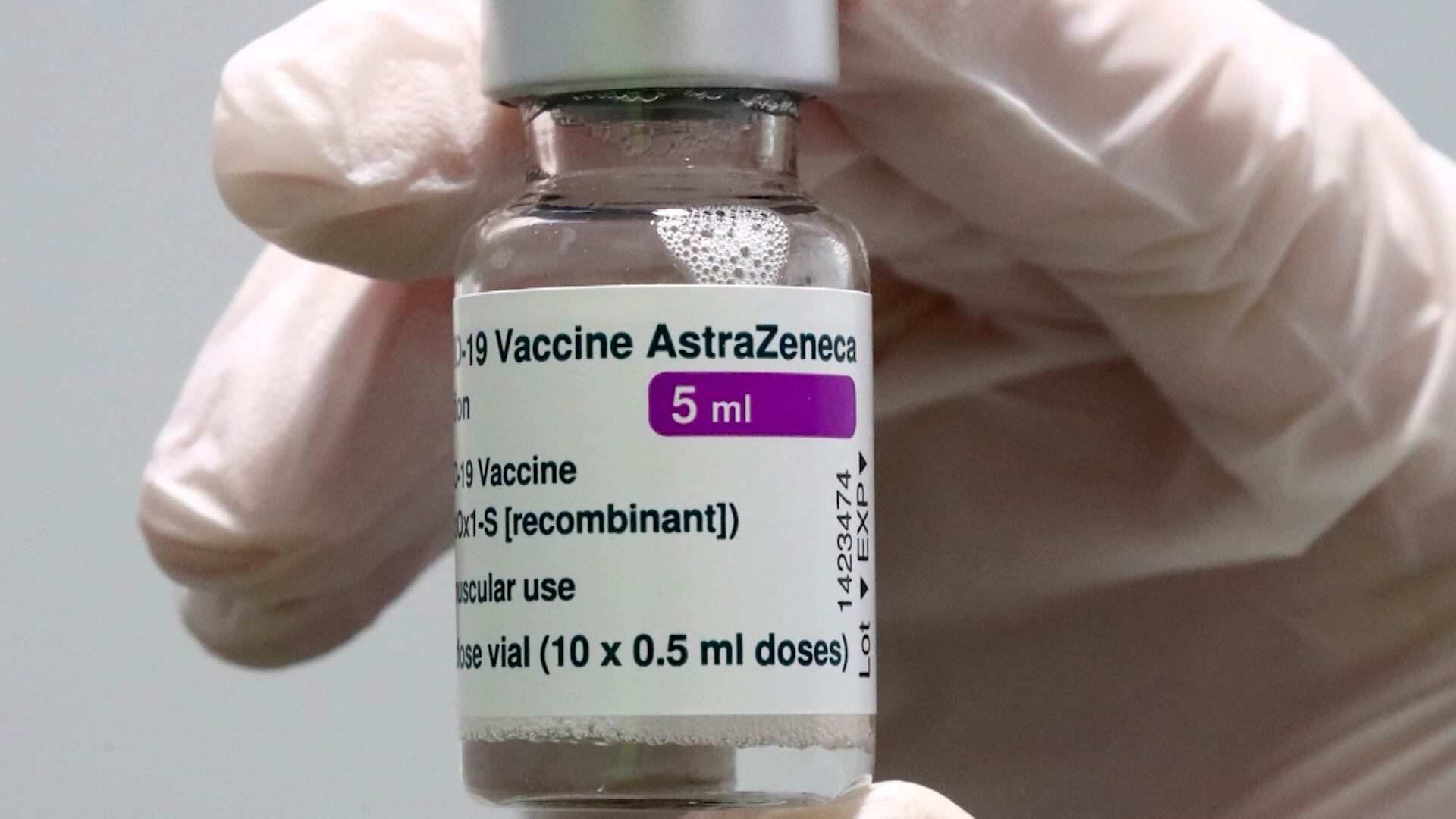
Mina Makar, senior vice president of respiratory and immunology, Astrazeneca, joined Cheddar to discuss the FDA's decision to give emergency use authorization to the pharma giant's COVID-19 antibody treatment called Evusheld for immunocompromised patients For about 2 percent of the U.S. Makar noted that the injection is supposed to provide antibody protection for those who can't generate their own adequate immune response via the vaccines for a minimum of six months, though long-term trials are underway.
The pandemic has forced corporate America to reshape itself to adapt, including onboarding doctors as chief medical officers to help maintain the health and safety of staff. Dr. Geeta Nayyar, chief medical officer at Salesforce, joined Cheddar to break down her role and how it has become relevant and necessary in the evolving workplace. "Every business today is now in the business of healthcare," she said. "It is a priority to empower employees to then serve your customers."
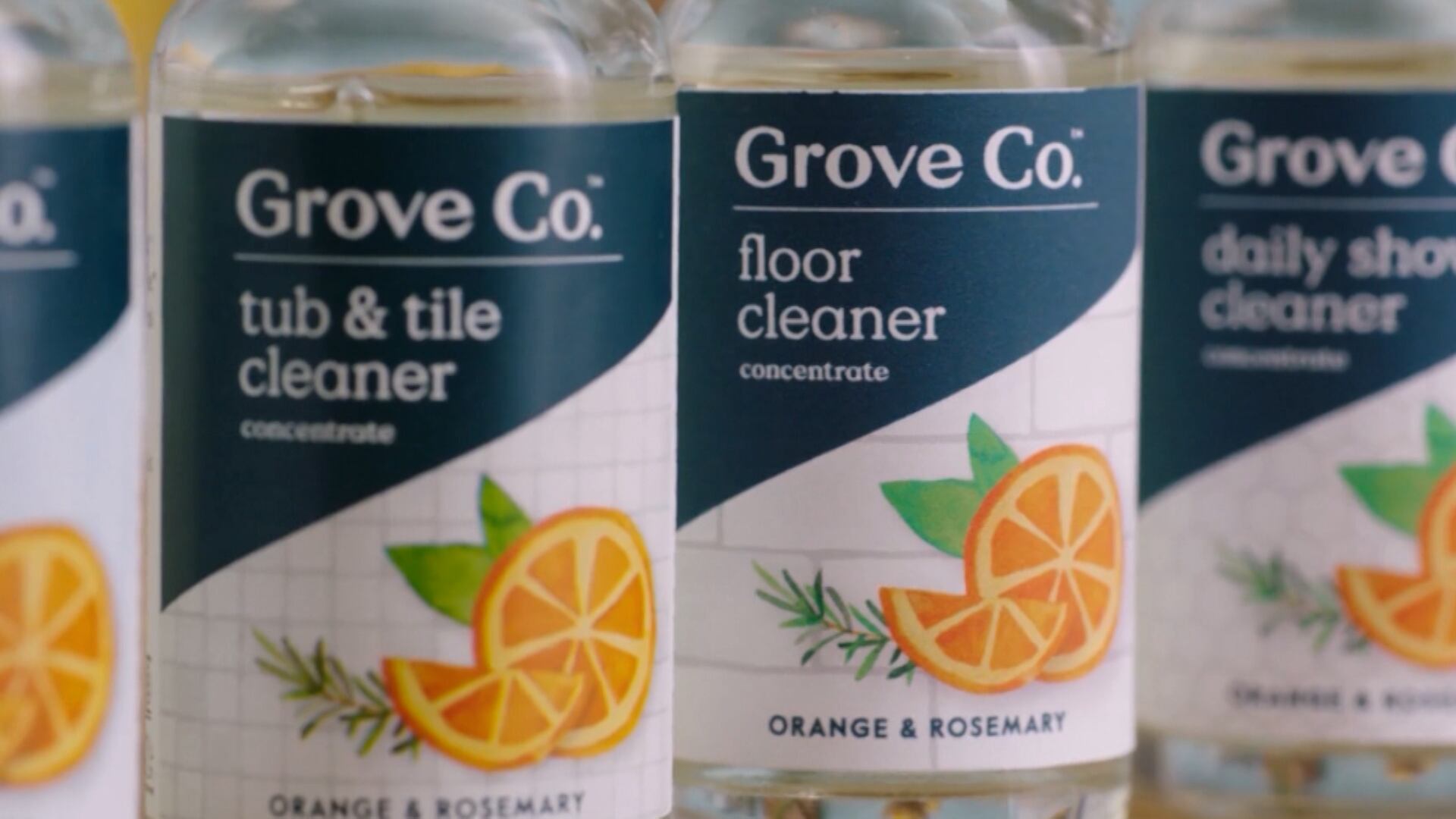
Sustainable consumer products maker Grove Collaborative is gearing up to launch an IPO via a SPAC merger with Richard Branson's Virgin Group Acquisition Corp II. Stuart Landesberg, CEO and co-founder of Grove Collaborative, talked to Cheddar's Kristen Scholer about going public through the merger and aligning with a partner he felt also prioritizes climate. "What this partnership will mean is that we're able to expand the assortment and innovations that we bring to market in products that work just as well as the conventionals and market leaders but have a significantly different environmental profile," Landesberg said.