By Damian J. Troise and Alex Veiga
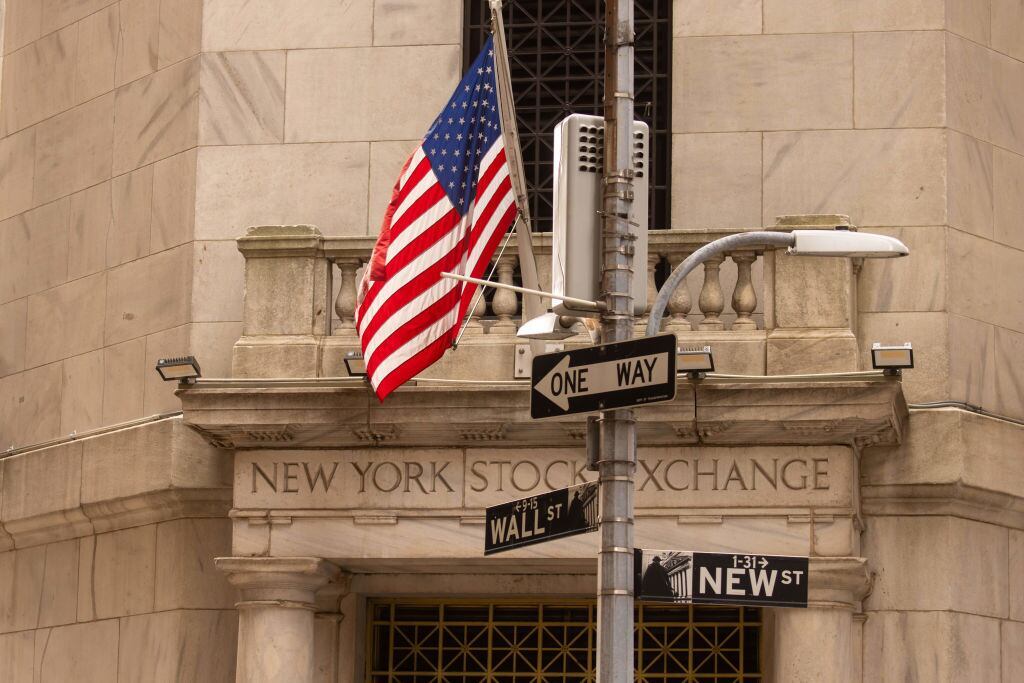
Major US stock indexes closed mostly lower Thursday, pulling back further from the record highs they reached at the start of the week.
The S&P 500 fell 0.3% after shedding an early gain. The benchmark index is now on pace for its first weekly loss in four weeks.
Technology and communications stocks, and companies that rely on consumer spending, accounted for much of the pullback, outweighing gains elsewhere in the market. Energy stocks fell following a broad slide in energy prices. Among the winners were financial stocks, including banks, which have been reporting mostly solid earnings.
Bond yields fell. The yield on the 10-year Treasury note slipped to 1.30% from 1.35% the day before.
Investors continued to focus on where the economy is headed as the pandemic wanes and on what companies have to say about how higher inflation is affecting their business.
“As long as inflation ends up being transitory, as the Fed believes, the economy is set to continue to do real well,” said Chris Gaffney, president of TIAA Bank World Markets. "The big risk is that inflation spikes and stays here.”
The S&P 500 fell 14.27 points to 4,360.03. The tech-heavy Nasdaq slid 101.82 points, or 0.7%, to 14,543.13. The Dow Jones Industrial Average bucked the trend and bounced back after being down much of the day. The blue-chip index gained 53.79 points, or 0.2%, to 34,987.02.
Small company stocks also fell. The Russell 2000 index lost 12.07 points, or 0.6%, to 2,190.29.
On Thursday, Federal Reserve Chair Jerome Powell delivered his second day of testimony before Congress. Powell reiterated that signs of inflation should ease or reverse over time, while acknowledging that the U.S. is in the midst of an unparalleled economic reopening on the heels of a pandemic-induced recession.
The government said Wednesday that inflation at the wholesale level jumped 1% in June, pushing price gains over the past 12 months up by a record 7.3%. That followed a report a day earlier showing consumer prices posted the biggest 12-month gain in 13 years.
Investors are also trying to determine how the economic recovery will play out for the rest of the year as the world tries to get back to normal with COVID-19 waning, but still lingering.
“There’s a big question mark around COVID-19 shifting from an acute to a chronic condition for the global market,” said Rod von Lipsey, managing director at UBS Private Wealth Management.
While the virus and its variants aren’t likely to severely disrupt the economic recovery, expectations for a quick snapback have been stymied by persistent mutations, he said.
New data on applications for unemployment benefits signaled the labor market continues to improve. The Labor Department said Thursday that unemployment claims fell by 26,000 last week to 360,000, the lowest level since the pandemic struck last year.
More companies released their latest quarterly earnings Thursday. Progressive fell 2.6% after the insurance company’s results fell far short of analysts’ forecasts. Morgan Stanley rose 0.2% after reporting a 10% rise in quarterly profits from a year earlier.
A larger bulk of companies will start reporting next week, when earnings season gets into full swing.
American International Group, better known as AIG, rose 3.6% after the insurance company reached a deal with Blackstone Group to help manage some of its life insurance assets.
Updated on July 15, 2021, at 5:00 p.m. ET.