Trader Robert Charmak works on the floor of the New York Stock Exchange, Monday, July 12, 2021. (AP Photo/Richard Drew)
By Damian J. Troise and Alex Veiga
Major US stock indexes closed mostly lower Thursday, pulling back further from the record highs they reached at the start of the week.
The S&P 500 fell 0.3% after shedding an early gain. The benchmark index is now on pace for its first weekly loss in four weeks.
Technology and communications stocks, and companies that rely on consumer spending, accounted for much of the pullback, outweighing gains elsewhere in the market. Energy stocks fell following a broad slide in energy prices. Among the winners were financial stocks, including banks, which have been reporting mostly solid earnings.
Bond yields fell. The yield on the 10-year Treasury note slipped to 1.30% from 1.35% the day before.
Investors continued to focus on where the economy is headed as the pandemic wanes and on what companies have to say about how higher inflation is affecting their business.
“As long as inflation ends up being transitory, as the Fed believes, the economy is set to continue to do real well,” said Chris Gaffney, president of TIAA Bank World Markets. "The big risk is that inflation spikes and stays here.”
The S&P 500 fell 14.27 points to 4,360.03. The tech-heavy Nasdaq slid 101.82 points, or 0.7%, to 14,543.13. The Dow Jones Industrial Average bucked the trend and bounced back after being down much of the day. The blue-chip index gained 53.79 points, or 0.2%, to 34,987.02.
Small company stocks also fell. The Russell 2000 index lost 12.07 points, or 0.6%, to 2,190.29.
On Thursday, Federal Reserve Chair Jerome Powell delivered his second day of testimony before Congress. Powell reiterated that signs of inflation should ease or reverse over time, while acknowledging that the U.S. is in the midst of an unparalleled economic reopening on the heels of a pandemic-induced recession.
The government said Wednesday that inflation at the wholesale level jumped 1% in June, pushing price gains over the past 12 months up by a record 7.3%. That followed a report a day earlier showing consumer prices posted the biggest 12-month gain in 13 years.
Investors are also trying to determine how the economic recovery will play out for the rest of the year as the world tries to get back to normal with COVID-19 waning, but still lingering.
“There’s a big question mark around COVID-19 shifting from an acute to a chronic condition for the global market,” said Rod von Lipsey, managing director at UBS Private Wealth Management.
While the virus and its variants aren’t likely to severely disrupt the economic recovery, expectations for a quick snapback have been stymied by persistent mutations, he said.
New data on applications for unemployment benefits signaled the labor market continues to improve. The Labor Department said Thursday that unemployment claims fell by 26,000 last week to 360,000, the lowest level since the pandemic struck last year.
More companies released their latest quarterly earnings Thursday. Progressive fell 2.6% after the insurance company’s results fell far short of analysts’ forecasts. Morgan Stanley rose 0.2% after reporting a 10% rise in quarterly profits from a year earlier.
A larger bulk of companies will start reporting next week, when earnings season gets into full swing.
American International Group, better known as AIG, rose 3.6% after the insurance company reached a deal with Blackstone Group to help manage some of its life insurance assets.
Although still early in development, blockchain technology, Web3, also known as Web 3.0 has been getting a lot of attention from some top tech names lately. Web3 is based on blockchain technology, which powers NFT’s and cryptocurrencies such as bitcoin. With Web3, users would ideally control their own data, rather than have it be controlled by a few large companies. But, Tesla CEO Elon musk isn't buying into Web3 just yet, tweeting over the weekend that the decentralized iteration of the internet seems more like a marketing "buzzword" right now than reality. Twitter co-founder Jack Dorsey also chiming in to the conversation, expressing doubt over whether or not Web3 would actually be decentralized if ownership still belonged to venture capital firms. Parker McCurley, co-founder & CEO of Decent Labs explains the significance of Web3 catching the eye of the tech giants, and what Web3 could mean for the future of the internet.
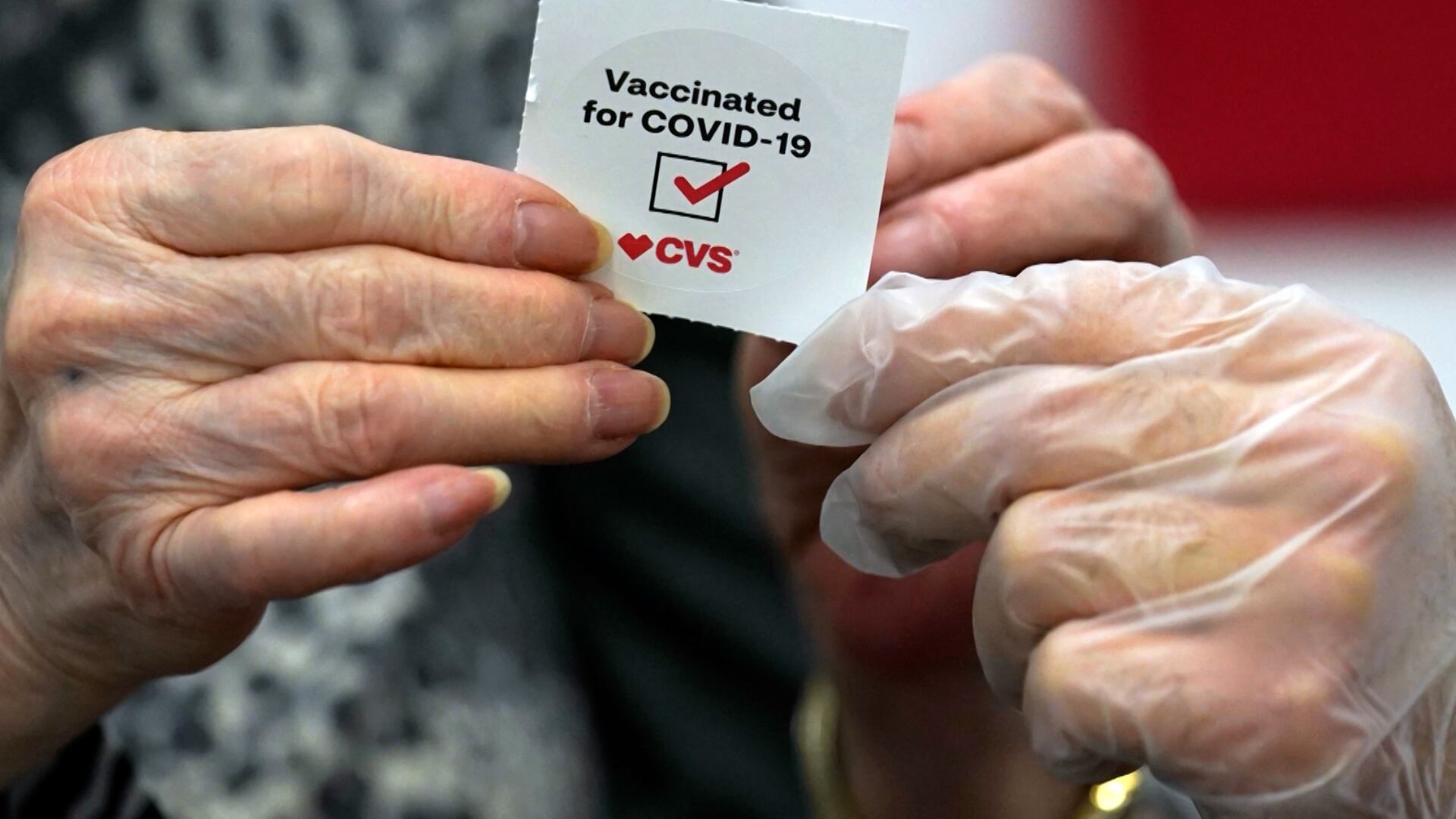
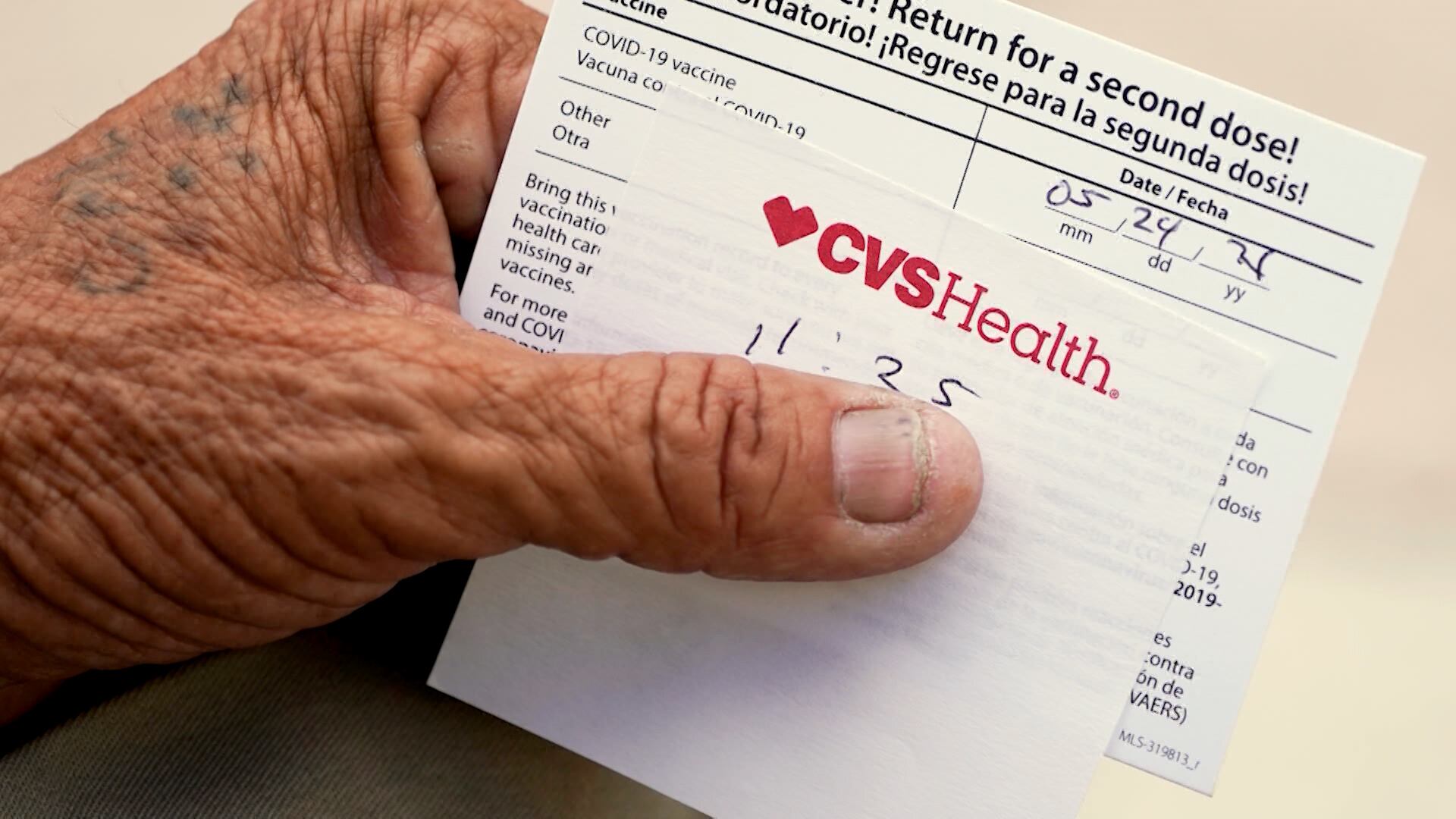
The FDA has granted emergency use authorization to Pfizer's pill to treat covid-19. The treatment, called Paxlovid, is the first antiviral covid-19 pill that people can take at home.
Pfizer says the pill can reduce the risk of severe illness by 90 percent and is intended for people at high risk for severe disease, including those over 65, people with obesity, diabetes, or a weakened immune system. Professor Peter Pitts, Founder, Center for Medicine in the Public Interest & Former FDA Associate joined Wake Up with Cheddar to discuss.
On December 20th, the TSA reported that for the fourth day in a row, it had screened more than 2 million people through its airports as the Omicron variant continues to rage and spread rapidly throughout the country. The CDC now reporting that roughly 73% of all covid cases are caused by the Omicron variant ahead of President Biden’s remarks aimed towards curbing the virus and helping hospitals battle rises in hospitalizations. Dr. Nasia Safdar breaks down the latest on traveling during the pandemic.
Ahead of a four day week for the markets due to the upcoming Christmas holiday, investors hoping for a quiet end to the year, or even a Santa Claus rally, may not be in luck. Investors are still digesting the latest from the Fed regarding a quicker than expected taper, as well as ever increasing blow back as the Omicron variant spreads. Octavio Marenzi, CEO of Opimas LLC, explains why the markets have been so volatile ever since the emergence of the latest variant and what to expect going forward into 2022.
Carlo and Baker cover the heartening news on the Covid front ahead of the holiday, plus President Biden punting student loan repayments again, a new space telescope and Love, Hate, Ate: Christmas Eve Eve Edition!
Stocks closed lower Monday as investors continued to price in COVID-19 omicron variant fears. Reopening stocks like airlines, financial companies, restaurants and hotels, and more, dragged on the major indexes as businesses and events took a pause over the weekend amid rising case numbers in metropolitan areas. This comes a week after the Federal Reserve announced it plans to speed up its asset tapering timeline in January and institute three rate hikes next year. Is that plan aging well? Robert Conzo, CEO of The Wealth Alliance, joins Cheddar News' Closing Bell to discuss market movement, how stocks could close out the year, what the Fed could do in 2022, and more.
After a vote in one Buffalo, New York-area Starbucks created the first workers union in the coffee chain's history, the company has announced that it is ready to negotiate in good faith with the new bargaining unit. But a tense process where labor organizers leveled accusations of anti-union activity at the coffee giant may make that difficult. Cortlin Harrison, a barista at the unionized store, spoke to Cheddar about making a deal. "We can move past all the dirty tricks, the union-busting, the captive audience meetings," he said. "I'm ready to go to the table, and my fellow baristas are ready to go to the table, and just move forward."