By Damian J. Troise and Stan Choe
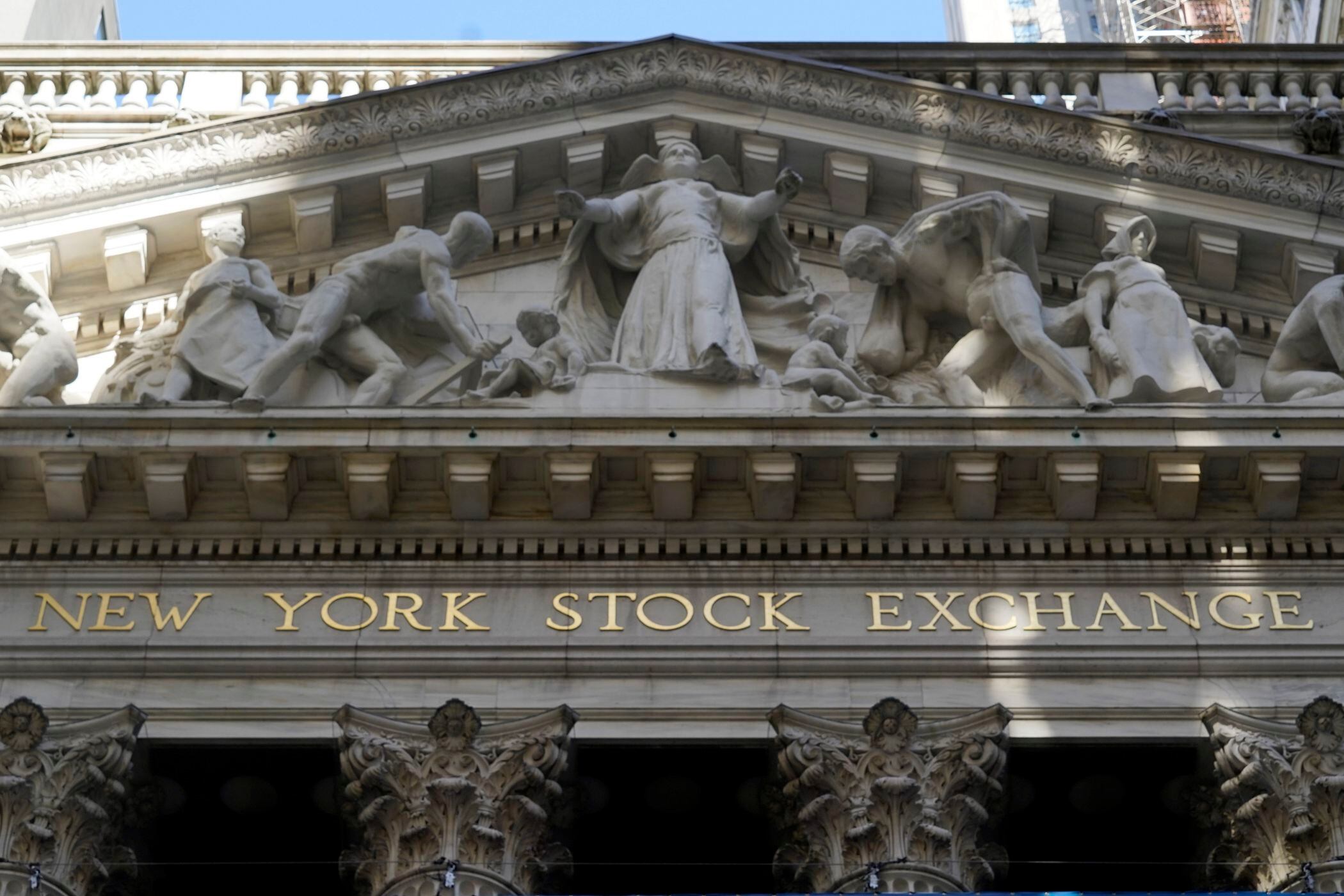
Stocks rebounded on Wall Street Monday, clawing back most of their sharp loss from last week, as the initial jolt passes from the Federal Reserve’s reminder that it will eventually offer less help for markets.
The S&P 500 snapped 58.34 points higher, or 1.4%, to 4,224.79 and recovered nearly three-quarters of its worst weekly loss since February. Oil producers, banks and other companies that were hit particularly hard last week led the way.
The Dow Jones Industrial Average gained 586.89, or 1.8%, to 33,876.97, and the Nasdaq composite rose 111.10, or 0.8%, to 14,141.48.
Investors are still figuring all the ramifications of the Fed’s latest meeting on interest-rate policy, where it indicated it may start raising short-term rates by late 2023. That’s earlier than previously thought. The Fed also began talks about slowing programs meant to keep longer-term rates low, an acknowledgment of the strengthening economy and threat of higher inflation.
The market’s immediate reaction to last week’s Fed news was to send stocks lower and interest rates higher. Any shift by the Fed would be a big deal, after investors have feasted on easy conditions with ultra-low rates for more than a year. Higher rates would make stock prices, which have been climbing faster than corporate profits, look even more expensive than they do already.
But it’s not like the Fed said it will jack rates higher off their record low of nearly zero anytime soon.
“If markets are worried about a march back to more normal monetary and fiscal policy as the economy recovers, it will be a very long march,” Barings chief global strategist Christopher Smart said in a note. In the meantime, support from both the Federal Reserve and the U.S. government should continue to help stock prices, even if they do look expensive compared with history, he said.
Companies whose profits are the most closely tied to the economy’s strength and inflation were among the market's strongest on Monday.
Hess, Marathon Oil and Devon Energy all rose at least 6.9% as energy stocks rallied with the price of oil.
Banks were also strong, with Bank of America up 2.5% and Wells Fargo climbing 3.7%.
High-growth companies able to flourish almost regardless of the economy lagged behind, meanwhile. It’s a reversal from last week’s trend, when investors rattled by the Fed piled back into the biggest winners of the pandemic.
Amazon slipped 0.9% Monday, for example, and the lagging performance for tech meant the Nasdaq was trailing other indexes.
Shorter-term yields slipped, and longer-term yields rose in another reversal from last week’s initial reaction to the Fed news.
The two-year Treasury yield dipped to 0.25% from 0.26% late Friday, while the 10-year yield rose to 1.49% from 1.45%.
More bumps may be ahead for markets, which had been mostly quiet for weeks before the Fed's announcement. Fed Chair Jerome Powell will speak before a House subcommittee on Tuesday about the Fed's response to the pandemic.
On Friday, investors will see what the Federal Reserve's preferred gauge for inflation says about May. Prices have been bursting higher across the economy, from airfares to restaurant meals, but the Fed has so far said it expects the big increases to be only temporary. If it proves to be longer lasting, the Fed may have to get much more aggressive about raising rates.
Corporate deals helped lift shares of some companies well beyond the market's gains. Industrial products maker Raven Industries jumped 49.3% on news it is being bought by CNH Industrial. Engineered products company Lydall surged 85.4% on news of its sale to Clearlake Capital-backed Unifrax.
Wall Street’s strong gains followed up on a tumultuous day of trading that preceded it in Asia.
Japan’s Nikkei 225 sank 3.3%, while Hong Kong’s Hang Seng fell 1.1% in the first trading following Wall Street's tumble on Friday. South Korea’s Kospi lost 0.8%, but markets calmed as trading headed westward.
Across Europe, stock indexes made mostly modest gains. Germany’s DAX returned 1%.
Updated on June 21, 2021, at 4:45 p.m. ET.