By Damian J. Troise and Alex Veiga
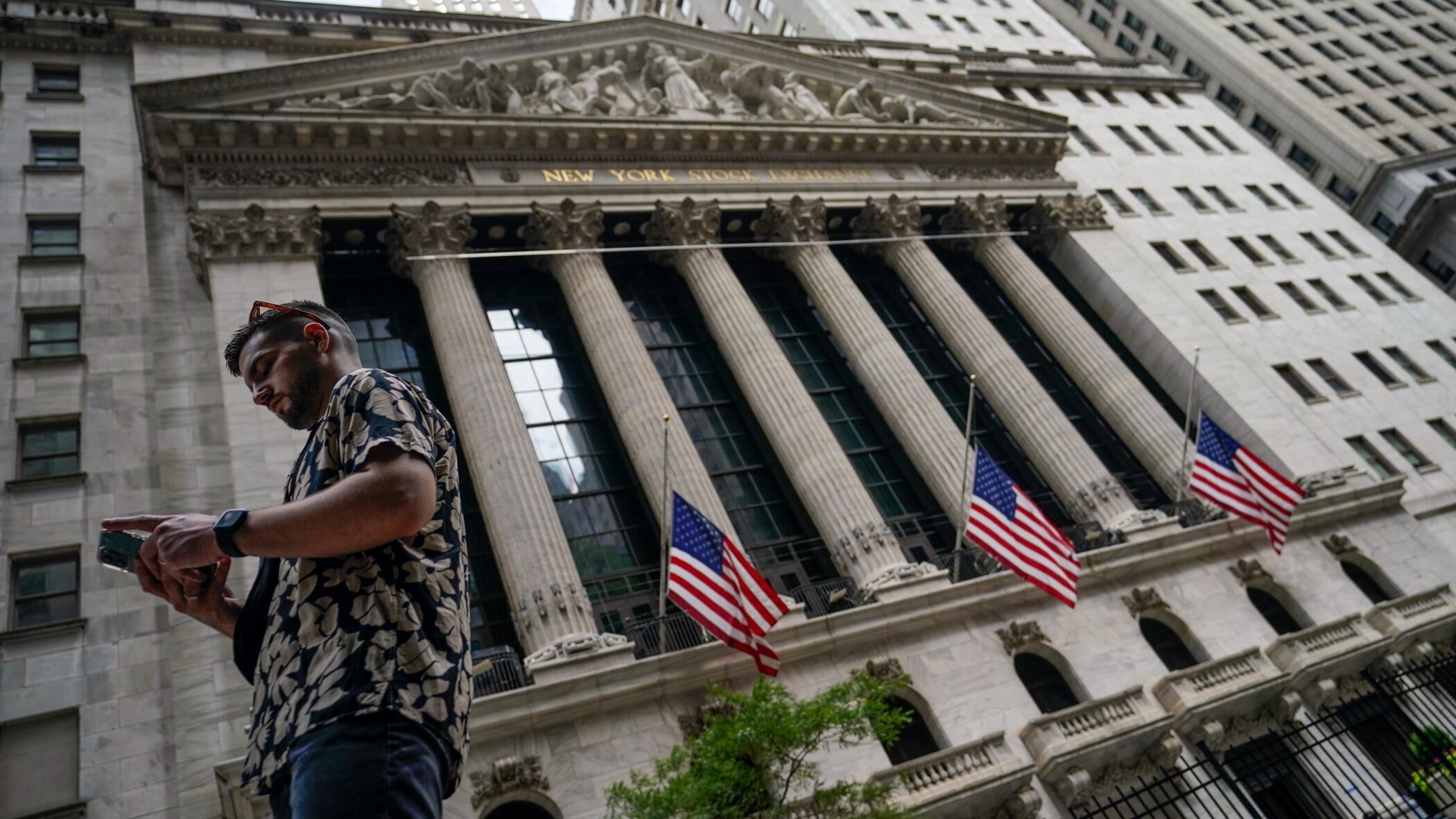
Stocks on Wall Street notched broad gains Monday as investors welcomed more signs that the economy is on the path to recovery,
The S&P 500 rose 1.4% to an all-time high after closing above the 4,000-point mark for the first time last Thursday. The Dow Jones Industrial Average also set a record high, as the market extended its recent run of gains. Technology companies powered much of the rally, which was a reaction to encouraging data on the economy.
The U.S. government reported last week that employers went on a hiring spree in March, adding 916,000 jobs, the most since August. Traders had a delayed reaction to the encouraging jobs report, which was released on Friday when stock trading was closed. Investors were further encouraged by a report Monday showing that the services sector recorded record growth in March as orders, hiring and prices surged.
Both employment and the services industry have been lagging other areas of the economy throughout the recovery. Analysts have said that both need to show signs of growth in order for the recovery to remain on track. COVID-19 and the potential for a spike in cases remains a concern, but the strong rollout of vaccinations is making an eventual return to normal for many people seem clearer and closer.
“The jobs report underscored the rebound in the labor market,” said Quincy Krosby, chief market strategist at Prudential Financial. “The only thing that can stymie this rebound, this recovery, will be that COVID-19 launches another wave.”
The S&P 500 rose 58.04 points to 4,077.91. The benchmark index is coming off two straight weekly gains. The Dow picked up 373.98 points, or 1.1%, to 33,527.19. The Nasdaq composite gained 225.49 points, or 1.7%, to 13,705.59.
Small company stocks, which are outgaining the broader market so far this year, also rose Monday. The Russell 2000 index of smaller companies added 10.98 points, or 0.5%, to 2,264.89. The index is up 14.7% so far this year, while the broader market S&P 500 index is up 8.6%.
The gains were widespread Monday, with nearly every sector closing higher. Companies that stand to benefit from a broader reopening of the economy and economic growth also did well. Norwegian Cruise Line jumped 7.2% for the biggest gain in the S&P 500 as it seeks permission to restart cruises out of U.S. ports in July with a vaccination requirement for passengers and crew members. Rival Carnival rose 4.7% and Royal Caribbean gained 2.9%.
Technology and communications stocks accounted for a big slice of the gains Monday. Apple rose 2.4%, Microsoft gained 2.8% and Facebook climbed 3.4%. Tesla surprised investors with a report that vehicle deliveries doubled during the first quarter. Its shares surged 4.4%.
Energy companies lagged the broader market as crude oil prices fell, including a 4.6% slide in the price of U.S. crude. Occidental Petroleum dropped 7..6% and Marathon Oil slid 5.1%.
GameStop fell 2.4% after announcing a stock sale.
Treasury yields were mostly lower. The yield on the 10-year Treasury note, which influences interest rates on mortgages and other consumer loans, slipped to 1.71% from 1.72% last last week.
Updated on April 5, 2021, at 5:02 p.m. ET.