By Damian J. Troise and Alex Veiga

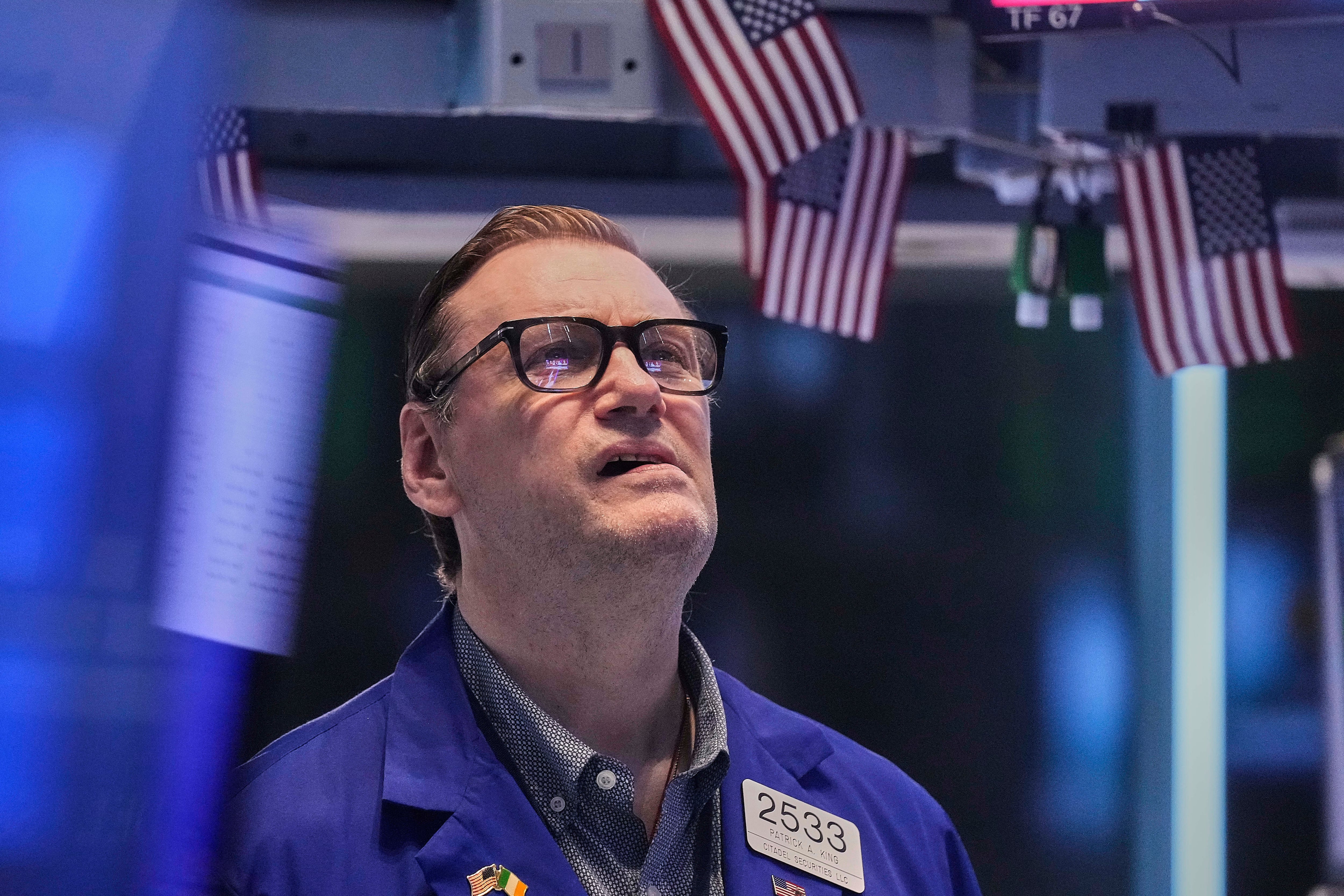
Stocks closed broadly lower on Tuesday and gave back nearly all of their gains from a day earlier as technology, industrial and bank stocks fell.

The S&P 500 fell 30.07 points, or 0.8%, to 3,910.52. Technology stocks were the biggest drag on the market and pushed the Nasdaq 149.85 points lower, or 1.1%, to 13,227.70. The Dow Jones Industrial Average fell 308.05 points, or 0.9% to 32,423.15.

Stocks of smaller companies, which have far outpaced the rest of the market this year, fell even more. The Russell 2000 index gave back 3.6%.

Industrial and health care companies also accounted for a good part of the selling. Energy stocks helped drag down the market too as oil prices fell.

Bond yields declined. That weighed on banks and other financial companies which look to yields as a benchmark for the interest rates they charge on mortgages and other loans.

Investors continue to be focused on the future outlook for the U.S. economy as millions of Americans get vaccinated every day. Investors are wavering between optimism that coronavirus vaccines that might allow business and travel to return to normal and fears of higher inflation after struggling economies were flooded with credit and government spending.

“The market feels like it is in this inflection point,” said Darrell Cronk, chief investment officer of Wells Fargo Wealth and Investment Management. “It’s a good day for reflection.”

The price of U.S. crude oil dropped 6.2% to $57.76 a barrel, pulling energy companies lower. Energy prices have been steadily climbing this year until recently, as the global economy recovers and oil demand worldwide increases while production remains constrained. Marathon Oil fell 6.1%.

Another drop in long-term bond yields pulled bank stocks lower. When bond yields fall they mean lower interest rates on loans such as mortgages, and weaker profits for banks and other lenders. Bank of America fell 2.0% and Wells Fargo dropped 1.9%. American Express slid 2.8%.

The yield of the 10-year Treasury note fell to 1.63%. The yield was well above 1.70% last week, which had put some pressure on the stock market.

The S&P 500 hit a pandemic-era low exactly one year ago, on March 23, 2020, having dropped nearly 34% in about a month. That wiped out three years’ worth of gains. The index wound up roaring back in the coming months, and recovered all its losses by August. Through Monday, it had surged 76% from that low point.

Cronk said many of the signs in the market point to an early-stage recovery. Interest rates are rising as the economy strengthens, commodities like oil are making steady gains and sectors tied closely to economic growth are doing well. “It's playing out exactly as it should play out.”

AstraZeneca fell 3.5% after U.S. authorities said that the drug company's COVID-19 vaccination trial data contained “incomplete” information, which may impact its efficacy. AstraZeneca's vaccine is being primarily used in Europe.

___

AP Business Writer Stan Choe contributed.

Updated on March 23, 2021, at 5:01 p.m. ET.

Share:
More In Business
Rare Dom Pérignon champagne from Charles and Diana’s wedding fails to sell during Denmark auction
A rare magnum of Dom Pérignon Vintage 1961 champagne that was specially produced for the 1981 wedding of Prince Charles and Lady Diana has failed to sell during an auction. Danish auction house Bruun Rasmussen handled the bidding Thursday. The auction's house website lists the bottle as not sold. It was expected to fetch up to around $93,000. It is one of 12 bottles made to celebrate the royal wedding. Little was revealed about the seller. The auction house says the bids did not receive the desired minimum price.
New York Times, after Trump post, says it won’t be deterred from writing about his health
The New York Times and President Donald Trump are fighting again. The news outlet said Wednesday it won't be deterred by Trump's “false and inflammatory language” from writing about the 79-year-old president's health. The Times has done a handful of stories on that topic recently, including an opinion column that said Trump is “starting to give President Joe Biden vibes.” In a Truth Social post, Trump said it might be treasonous for outlets like the Times to do “FAKE” reports about his health and "we should do something about it.” The Republican president already has a pending lawsuit against the newspaper for its past reports on his finances.
OpenAI names Slack CEO Dresser as first chief of revenue
OpenAI has appointed Slack CEO Denise Dresser as its first chief of revenue. Dresser will oversee global revenue strategy and help businesses integrate AI into daily operations. OpenAI CEO Sam Altman recently emphasized improving ChatGPT, which now has over 800 million weekly users. Despite its success, OpenAI faces competition from companies like Google and concerns about profitability. The company earns money from premium ChatGPT subscriptions but hasn't ventured into advertising. Altman had recently announced delays in developing new products like AI agents and a personal assistant.
Trump approves sale of more advanced Nvidia computer chips used in AI to China
President Donald Trump says he will allow Nvidia to sell its H200 computer chip used in the development of artificial intelligence to “approved customers” in China. Trump said Monday on his social media site that he had informed China’s leader Xi Jinping and “President Xi responded positively!” There had been concerns about allowing advanced computer chips into China as it could help them to compete against the U.S. in building out AI capabilities. But there has also been a desire to develop the AI ecosystem with American companies such as chipmaker Nvidia.
Trump says Netflix deal to buy Warner Bros. ‘could be a problem’ because of size of market share
President Donald Trump says a deal struck by Netflix last week to buy Warner Bros. Discovery “could be a problem” because of the size of the combined market share. The Republican president says he will be involved in the decision about whether federal regulators should approve the deal. Trump commented Sunday when he was asked about the deal as he walked the red carpet at the Kennedy Center Honors. The $72 billion deal would bring together two of the biggest players in television and film and potentially reshape the entertainment industry.
What to know about changes to Disney parks’ disability policies
Disney's changes to a program for disabled visitors are facing challenges in federal court and through a shareholder proposal. The Disability Access Service program, which allows disabled visitors to skip long lines, was overhauled last year. Disney now mostly limits the program to those with developmental disabilities like autism who have difficulty waiting in lines. The changes have sparked criticism from some disability advocates. A shareholder proposal submitted by disability advocates calls for an independent review of Disney's disability policies. Disney plans to block this proposal, claiming it's misleading. It's the latest struggle by Disney to accommodate disabled visitors while stopping past abuses by some theme park guests.
Load More