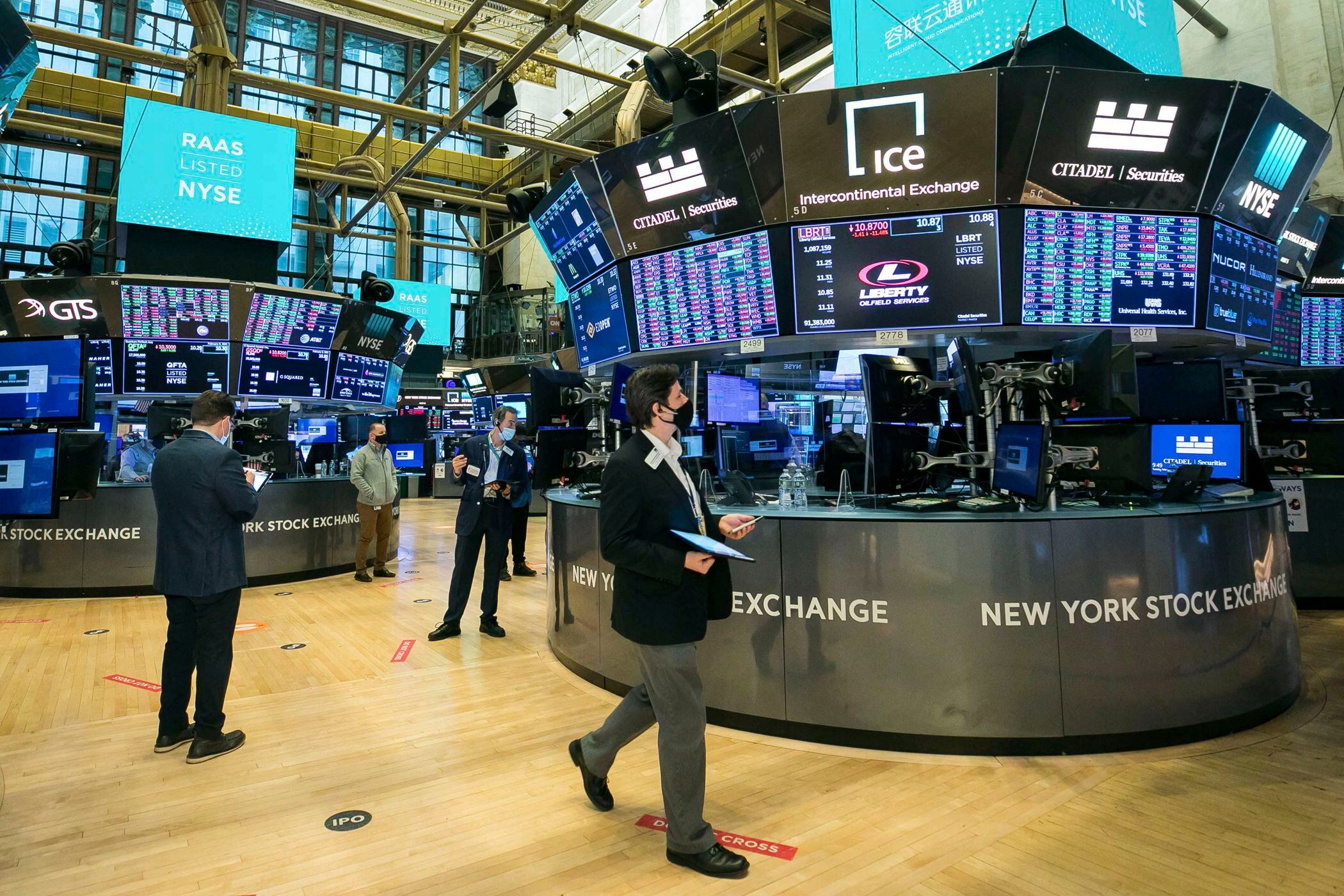
In this photo provided by the New York Stock Exchange, traders work on the floor, Tuesday, Feb. 9, 2021. Stocks were slightly lower in early trading on Tuesday, after the major stock market indexes hit record highs the day before. Investors continue to keep their eyes on Washington, where it appears Democrats plan to move ahead without Republican help on a major stimulus bill for the economy. (Courtney Crow/New York Stock Exchange via AP)
By Damian J. Troise and Alex Veiga
The major U.S. stocks capped a listless day of trading Tuesday with an uneven finish that snapped a six-day winning streak for the S&P 500 even as the Nasdaq set another all-time high.
A late fade pulled the S&P 500 down 0.1%, just below its record high set a day earlier. The benchmark index closed with a nearly even split between gainers and losers. A mix of companies that deal with consumer services and products were the biggest drag on the broader market, outweighing gains in communications, industrial and health care stocks.
A slight pullback after six straight days of gains is not uncommon, as investors pause during a rally to reassess and wait for more economic data to see where the market goes next.
Investors continued to monitor the action in Washington, where it appears Democrats plan to move ahead without Republican help on a major stimulus bill for the economy.
“It seems like fiscal stimulus will pass through reconciliation and the result will be one that is larger than was thought probably two or three weeks ago," said Keith Buchanan, senior portfolio manager at Globalt Investments.
The S&P 500 index slipped 4.36 points to 3,911.23. The Dow Jones Industrial Average dropped 9.93 points, or less than 0.1%, to 31,375.83. The Nasdaq rose 20.06 points, or 0.1%, to 14,007.70, its fourth straight gain. The Russell 2000 index of small company stocks rose 9.24 points, or 0.4%, to 2,299. The four indexes set all-time highs on Monday.
Stocks have been moving steadily higher for several days as Wall Street becomes more optimistic that the worst parts of the economic impact of the coronavirus pandemic might be in the rearview mirror. Vaccine rollouts continue both in the U.S. and globally, with the U.S. administrating hundreds of thousands of doses per day.
“The vaccinations have outpaced the virus and that becomes part of what’s playing into the optimism in the market,” Buchanan said. “It makes for an environment where it’s getting back to some sense of normality.”
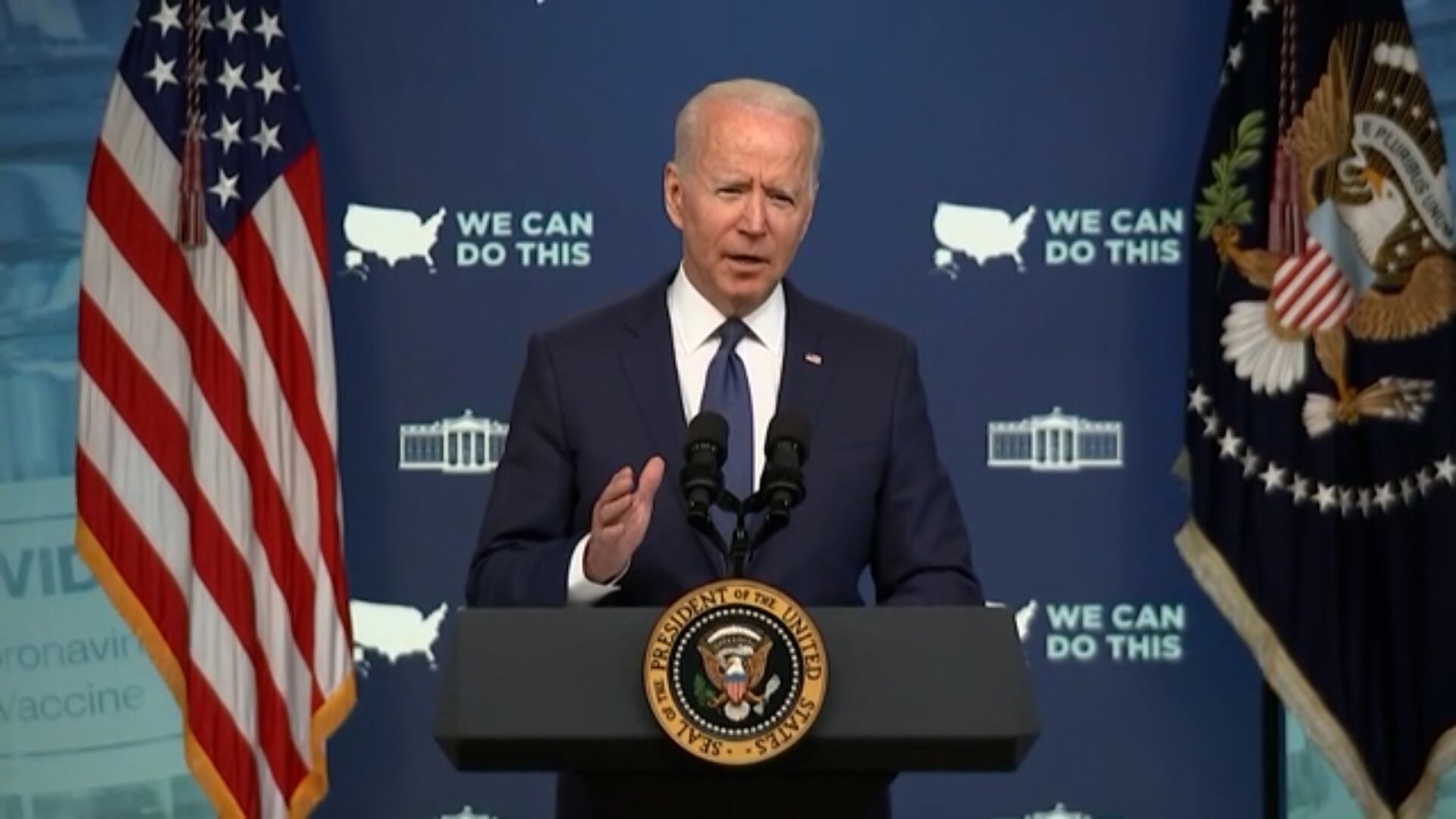
Washington is preparing to go big for its next round of economic stimulus to support struggling Americans and businesses. Democrats have rallied around President Joe Biden's $1.9 trillion stimulus plan, which will include one-time payments to Americans plus a likely increase in the federal minimum wage to $15 an hour.
Expectations for another financial boost for the economy have helped keep investors in a buying mood.
The market's strong start to February and the strength in shares of companies that rely on consumer spending "is an indicator of the optimism creeping higher and the assumption that consumers in the U.S. will get a larger check perhaps than we thought three or four weeks ago,” Buchanan said.
Several companies made big moves after reporting their latest quarterly results Tuesday. Hanesbrands soared 24.9% for the biggest gain in the S&P 500 after reporting earnings that came in well ahead of what analysts were expecting.
Mobile games developer Glu Mobile vaulted 34.9% after it agreed to be acquired by Electronic Arts in a deal valued at $2.1 billion. Shares in Electronic Arts, maker of “Medal of Honor” and other video games, rose 2.6%.
Shares of GameStop and AMC Entertainment continue to be volatile, as online investors remain in a tug-of-war with Wall Street institutional investors over the struggling companies' values. GameStop shares fell 16.1% and AMC lost 11%.
Traders in cryptocurrencies continued to push up the price of bitcoin. It rose 7.3% to $47,184, according to the tracking site CoinDesk. Bitcoin futures on the Chicago Mercantile Exchange climbed 6.6% to $47,700. The futures allow investors to make bets on the future price of the digital currency.
Treasury yields were mostly higher. The yield on the 10-year Treasury note rose to 1.16% from 1.14% late Monday.
The Biden administration is giving businesses a deadline to implement a vaccination mandate, saying companies can take until after the holiday season. Andew Noymer, Associate Professor of Population Health and Disease Prevention at the University of California, Irvine, joined Cheddar to discuss.
Gaming technology studio Mythical Games recently raised $150 million in a round led by Andreesen Horowitz, bringing Mythical's valuation to above unicorn status at $1.2 billion. Mythical Games' mission is to create a new generation of gaming with play-to-earn games that allow players to play to win actual cryptocurrency. Now the company is taking it to another level with NFT technology, allowing players to play with characters they can truly own. Mythical Games CEO John Linden joined Cheddar News' Closing Bell to discuss.
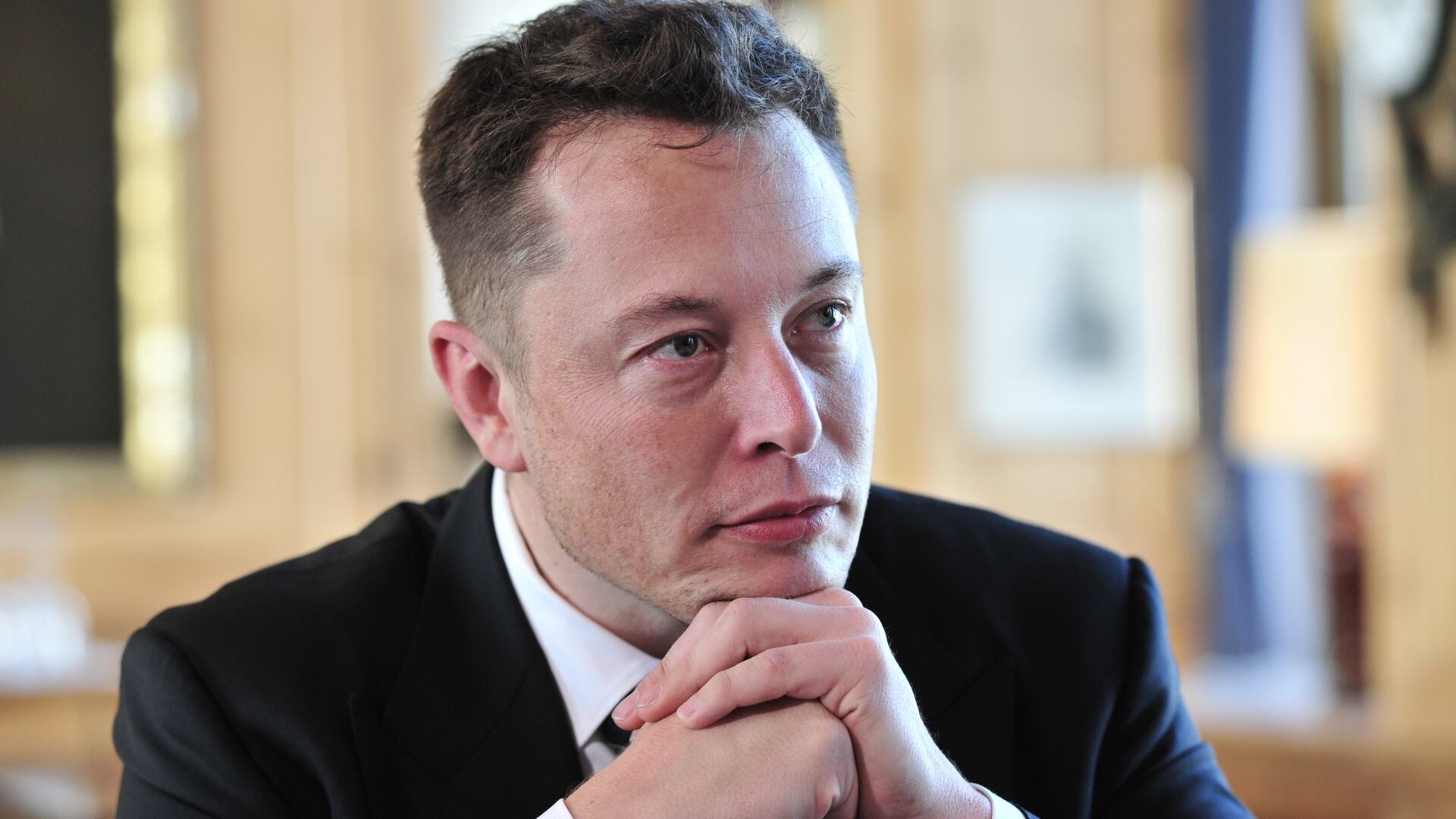
Tesla CEO Elon Musk posed a question to his Twitter followers over the weekend: 'Should I sell 10% of my Tesla shares in order to pay off a looming $15 billion tax bill?' Shares plummeted after he posed the question, and just over half of 3.5 million Twitter voters said Musk should sell a fraction of his shares. Dan Ives, Managing Director of Equity Research at Wedbush Securities, joins Cheddar News' Closing Bell to discuss whether or not Musk's Twitter poll was significant amid his looming tax bill, and how investors are feeling after yet another controversial tweet from the Tesla chief.
E-scooter company Lime is gearing up to launch an IPO after raising $523 million in debt financing. CEO Wayne Ting joined Cheddar to talk about the decision behind the future public offering citing the fundraise as a sign of investor confidence, despite a massive drop-off in ridership amid the pandemic. He noted that some of the funds will not only be used to pay down debts but to also upgrade the company's fleet of e-bikes and scooters. "We're going to be investing $20 million of this funding towards our mission to get to net-zero on carbon by 2030," he said.
Weekly grocery delivery startup MilkRun raised $6 million in Series A funding on Friday, and Julia Niiro, CEO and founder, joined Cheddar to discuss what distinguishes MilkRun's grocery delivery model from the competition, explaining the service connects customers with local farmers being able to provide items not found in the typical stores. Niiro also talked about the impact that supply chain bottlenecks have had on the business. "This was a moment when people needed local food production," she said of MilkRun seizing the opportunity to expand to other markets amid the global food distribution issues.
With vaccinated international travelers being admitted into the United States, the service and hospitality industry could experience a boom. John Geller, president of Marriott Vacations Worldwide, joined Cheddar to talk about the gradual increase in stays at Marriott properties and noted that occupancy has reached near pre-pandemic levels. Regarding the holiday season, he said, "people love to travel, so I wouldn't be surprised if, in most of our resorts, we're not pushing close to a high 90 percent occupancy."
The pandemic caused chaos in the wedding industry after ceremonies were postponed last year. But now couples face a new problem as they look toward their big day: supply chain issues. Tim Chi, CEO at The Knot, joined Cheddar to provide some additional details about the supply constraints affecting everything from venues to flowers. Chi also talked about The Knot celebrating its 25th anniversary and how the business has transformed over the years.
Elon Musk asked Twitter if he should sell about $20 billion worth of his Tesla stock and about 58 percent of those who answered said yes. The Tesla CEO pledged to abide by the results of the poll, whichever way it went. Arun Sundararajan, NYU Stern professor & author of "The Sharing Economy: The End of Employment and the Rise of Crowd-Based Capitalism," joined Cheddar to discuss what the Twitter poll says about America's attitude towards billionaires and the nation's tax system.
David Ewalt, Editor in Chief of Gizmodo, joins 'Fast Forward' to paint a picture of what a metaverse-driven future looks like, and how it will propel the future of work and education.