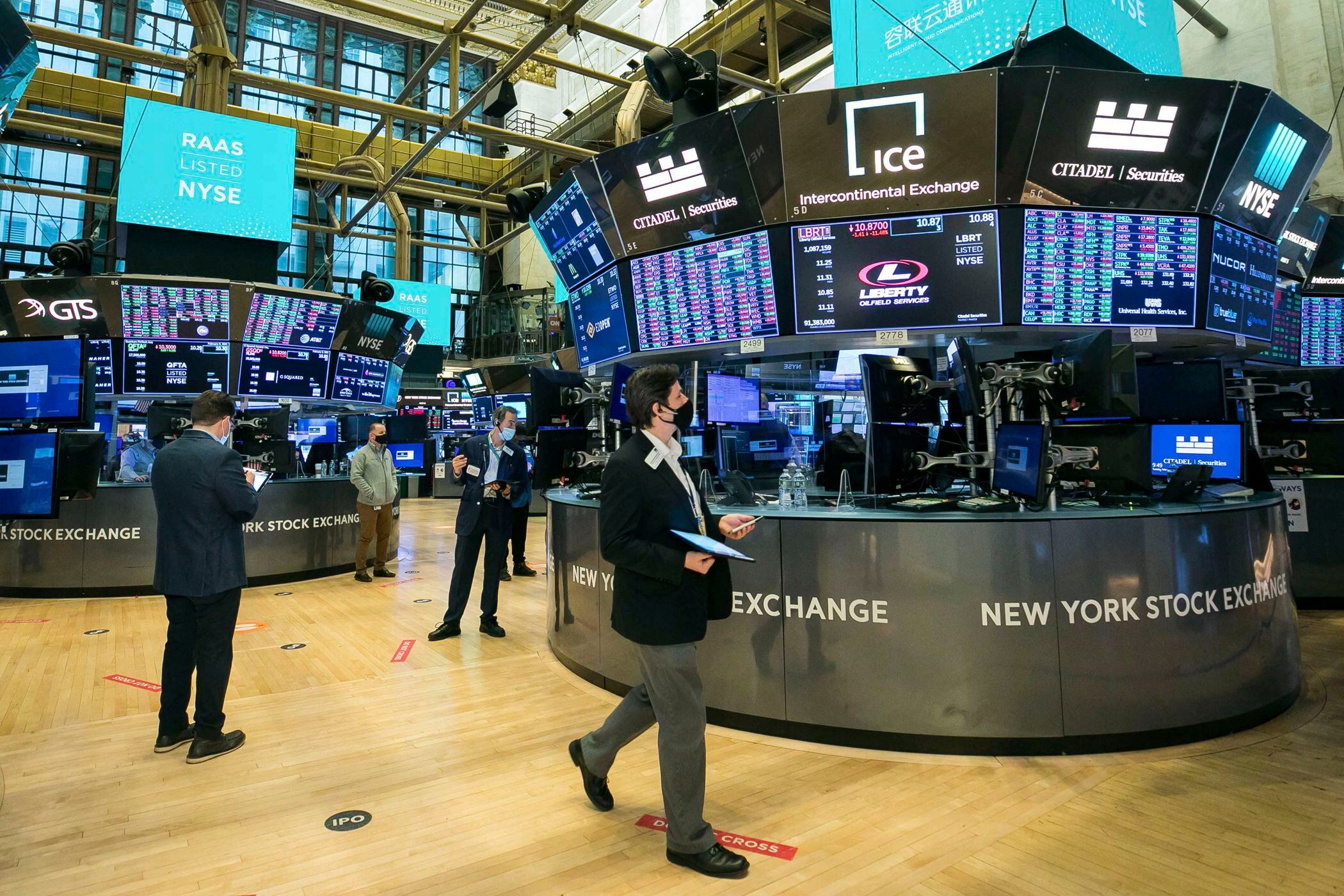
In this photo provided by the New York Stock Exchange, traders work on the floor, Tuesday, Feb. 9, 2021. Stocks were slightly lower in early trading on Tuesday, after the major stock market indexes hit record highs the day before. Investors continue to keep their eyes on Washington, where it appears Democrats plan to move ahead without Republican help on a major stimulus bill for the economy. (Courtney Crow/New York Stock Exchange via AP)
By Damian J. Troise and Alex Veiga
The major U.S. stocks capped a listless day of trading Tuesday with an uneven finish that snapped a six-day winning streak for the S&P 500 even as the Nasdaq set another all-time high.
A late fade pulled the S&P 500 down 0.1%, just below its record high set a day earlier. The benchmark index closed with a nearly even split between gainers and losers. A mix of companies that deal with consumer services and products were the biggest drag on the broader market, outweighing gains in communications, industrial and health care stocks.
A slight pullback after six straight days of gains is not uncommon, as investors pause during a rally to reassess and wait for more economic data to see where the market goes next.
Investors continued to monitor the action in Washington, where it appears Democrats plan to move ahead without Republican help on a major stimulus bill for the economy.
“It seems like fiscal stimulus will pass through reconciliation and the result will be one that is larger than was thought probably two or three weeks ago," said Keith Buchanan, senior portfolio manager at Globalt Investments.
The S&P 500 index slipped 4.36 points to 3,911.23. The Dow Jones Industrial Average dropped 9.93 points, or less than 0.1%, to 31,375.83. The Nasdaq rose 20.06 points, or 0.1%, to 14,007.70, its fourth straight gain. The Russell 2000 index of small company stocks rose 9.24 points, or 0.4%, to 2,299. The four indexes set all-time highs on Monday.
Stocks have been moving steadily higher for several days as Wall Street becomes more optimistic that the worst parts of the economic impact of the coronavirus pandemic might be in the rearview mirror. Vaccine rollouts continue both in the U.S. and globally, with the U.S. administrating hundreds of thousands of doses per day.
“The vaccinations have outpaced the virus and that becomes part of what’s playing into the optimism in the market,” Buchanan said. “It makes for an environment where it’s getting back to some sense of normality.”
Washington is preparing to go big for its next round of economic stimulus to support struggling Americans and businesses. Democrats have rallied around President Joe Biden's $1.9 trillion stimulus plan, which will include one-time payments to Americans plus a likely increase in the federal minimum wage to $15 an hour.
Expectations for another financial boost for the economy have helped keep investors in a buying mood.
The market's strong start to February and the strength in shares of companies that rely on consumer spending "is an indicator of the optimism creeping higher and the assumption that consumers in the U.S. will get a larger check perhaps than we thought three or four weeks ago,” Buchanan said.
Several companies made big moves after reporting their latest quarterly results Tuesday. Hanesbrands soared 24.9% for the biggest gain in the S&P 500 after reporting earnings that came in well ahead of what analysts were expecting.
Mobile games developer Glu Mobile vaulted 34.9% after it agreed to be acquired by Electronic Arts in a deal valued at $2.1 billion. Shares in Electronic Arts, maker of “Medal of Honor” and other video games, rose 2.6%.
Shares of GameStop and AMC Entertainment continue to be volatile, as online investors remain in a tug-of-war with Wall Street institutional investors over the struggling companies' values. GameStop shares fell 16.1% and AMC lost 11%.
Traders in cryptocurrencies continued to push up the price of bitcoin. It rose 7.3% to $47,184, according to the tracking site CoinDesk. Bitcoin futures on the Chicago Mercantile Exchange climbed 6.6% to $47,700. The futures allow investors to make bets on the future price of the digital currency.
Treasury yields were mostly higher. The yield on the 10-year Treasury note rose to 1.16% from 1.14% late Monday.
Digital mental health company Little Otter recently announced it closed a $22 million Series A round. Little Otter was founded in 2020 by a mother-daughter team, which based the company on the idea that a child's mental health can only be addressed by treating the whole family through technology available to everyone. Little Otter CEO and co-founder Rebecca Egger and her mother, Little Otter Chief Medical and Scientific Officer and co-founder Dr. Helen Egger joined Cheddar News' Closing Bell to discuss.
Stocks closed lower Thursday with the tech-heavy Nasdaq in particular under pressure as investors dump tech stocks amid interest rate hike fears. This is the third session in a row that the Nasdaq has slipped. Meanwhile, rate-sensitive stocks gained one day after the Federal Reserve announced its more hawkish policy including three rate hikes this year. Kristina Hooper, Chief Global Market Strategist at Invesco, joins Cheddar News' Closing Bell to discuss today's close, this week's Fed minutes and the central bank's new hawkish policy, and more.
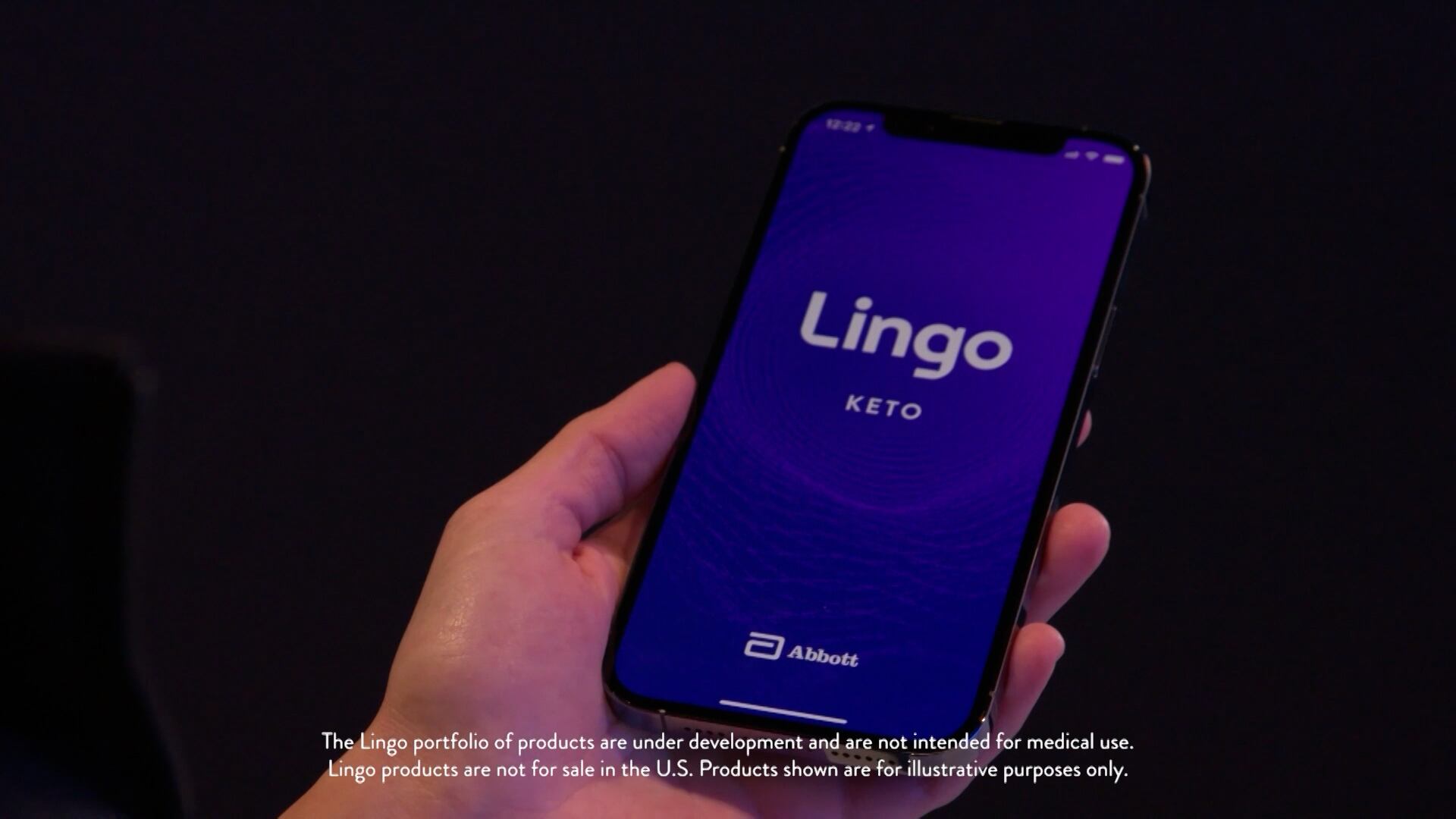
Jared Watkin, senior vice president, diabetes care, at Abbott Laboratories, joined Michelle Castillo from the CES 2022 floor to discuss the future of health tech, including Abbott's consumer-facing biowearable called Lingo. The accessory is supposed to send real-time biomarker information like glucose or ketone levels to the Lingo app for the wearer to review. "The idea is that it's a window into your body," Watkin said. "It gives you insight into what's going on in your body and the certain circumstances that you otherwise wouldn't be able to have."
Aaron Jefferson, VP of product at Luminar, joined Cheddar to discuss partnering with automaker Volvo to bring its LIDAR (light detection and ranging) tech into autonomous cars capable of safely driving on the highway. While companies like Tesla have come under fire due to safety issues with its self-driving technology, Jefferson noted how his company's tech differs. "Our LIDAR, its iris sensor that's really set for production, is able to sense, understand, and give the vehicle confidence to react accordingly such that you don't have these same types of issues," he said. The Ride Pilot technology in Volvo vehicles will be rolled out in California following safety testing.
The fintech app backed by billionaire Mark Cuban called Dave made its public debut on the Nasdaq Thursday via a SPAC merger. CEO and co-founder Jason Wilk spoke to Cheddar's Kristen Scholer about the IPO and how his company's services distinguish it from traditional banks. "Customers come to us because they're tired of paying $20 billion of overdraft fees, and they come to Dave, they download our app, and within minutes they can get access to $250 of no interest credit, which we give them through our own proprietary machine learning model," he told Cheddar.
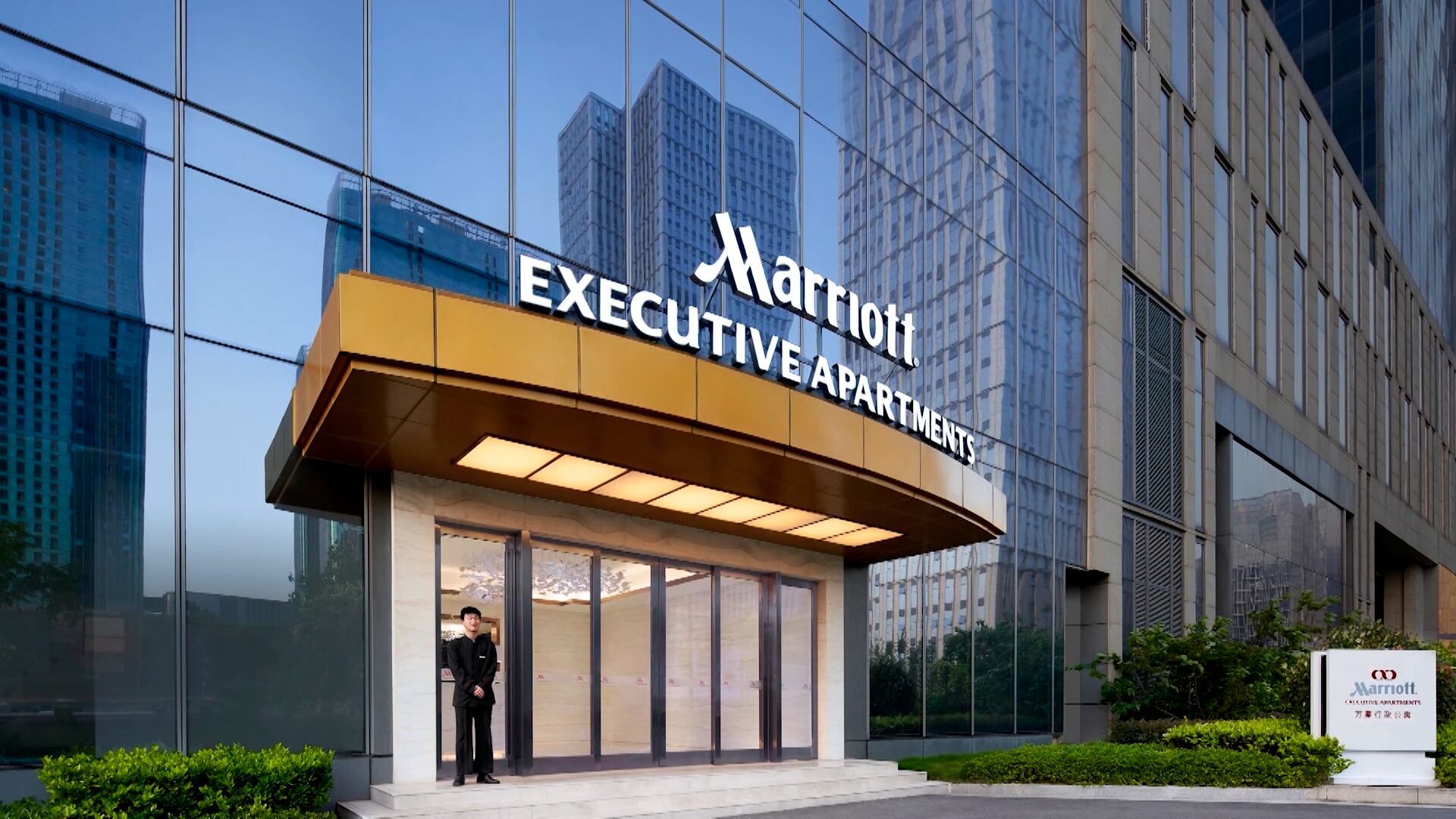
Stephanie Linnartz, president of Marriott International, joined Cheddar's "Closing Bell" to talk about the launch of the Marriott Design Lab, a new facility within its Bethesda, Maryland, headquarters to explore innovative tech offerings for bolstering the guest experience. "It's all around figuring out how we can innovate in the guest room in the public space, looking at how we can use robotics, improve sustainability, etcetera," she said. Some short-term changes in the future Linnartz also noted is an expansion of the chain's mobile capabilities to make check-in and check-out an easier process for guests, as well as mobile room service, from the feedback it received during the pandemic.
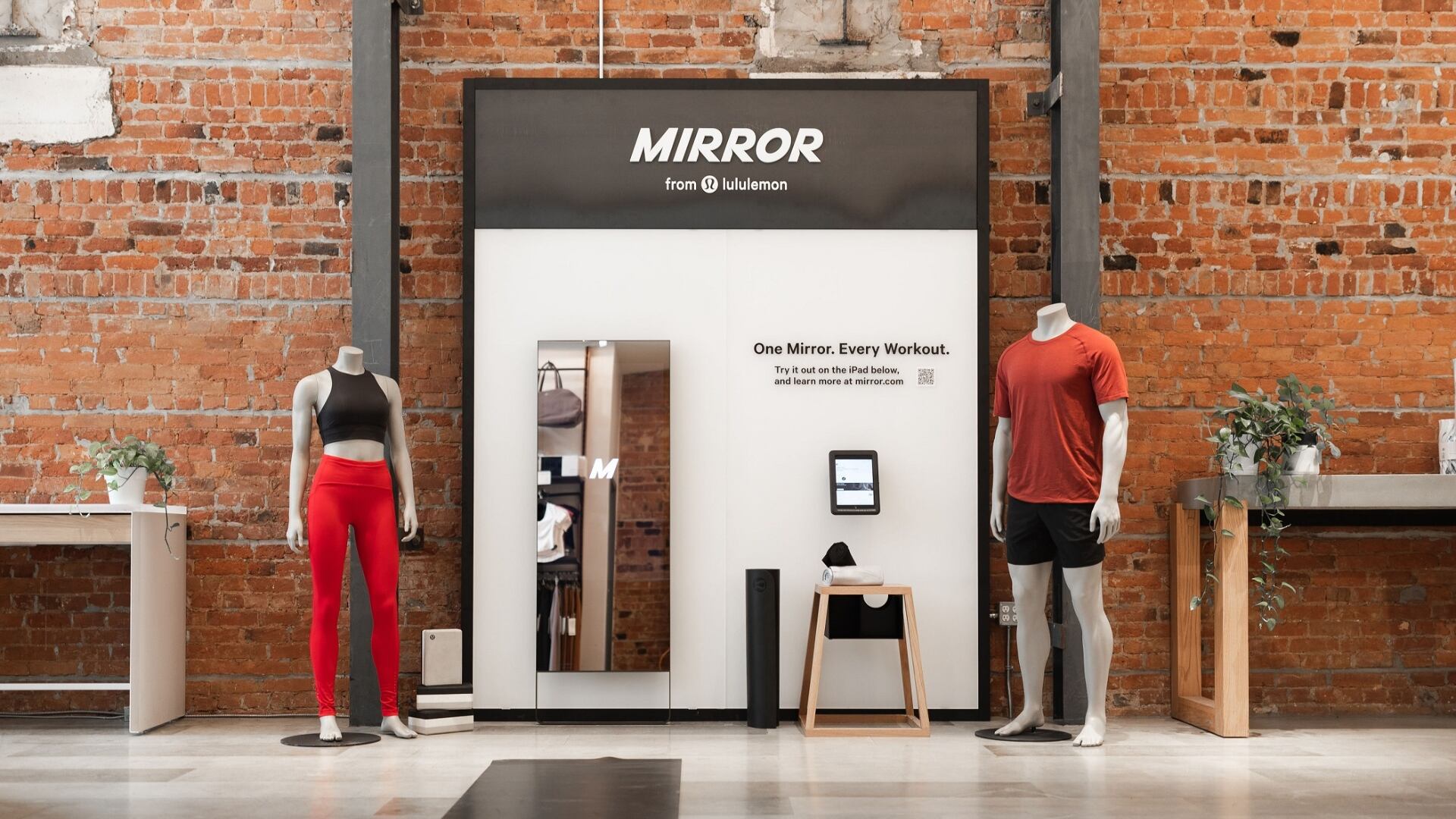
Nike has initiated a lawsuit against athletic apparel retailer and competitor Lululemon over claims of patent infringement. The sneaker giant is claiming the technology in their rival's MIRROR home gym was patented back in 1983.
Adi Robertson, senior reporter at The Verge, joins Cheddar News to break down the battle between two NFT collections by Phunky Ape Yacht Club and PHAYC that are selling plagiarized Bored Ape Yacht Club designs.
Following the attack on the Capitol last year, several major corporations promised to no longer pour funds into the campaigns of Republican lawmakers who supported the January 6 insurrection. But not all have stood firm on their word. Among those that did keep to their promise were Nike, American Express, and Walgreens.