By Damian J. Troise and Alex Veiga
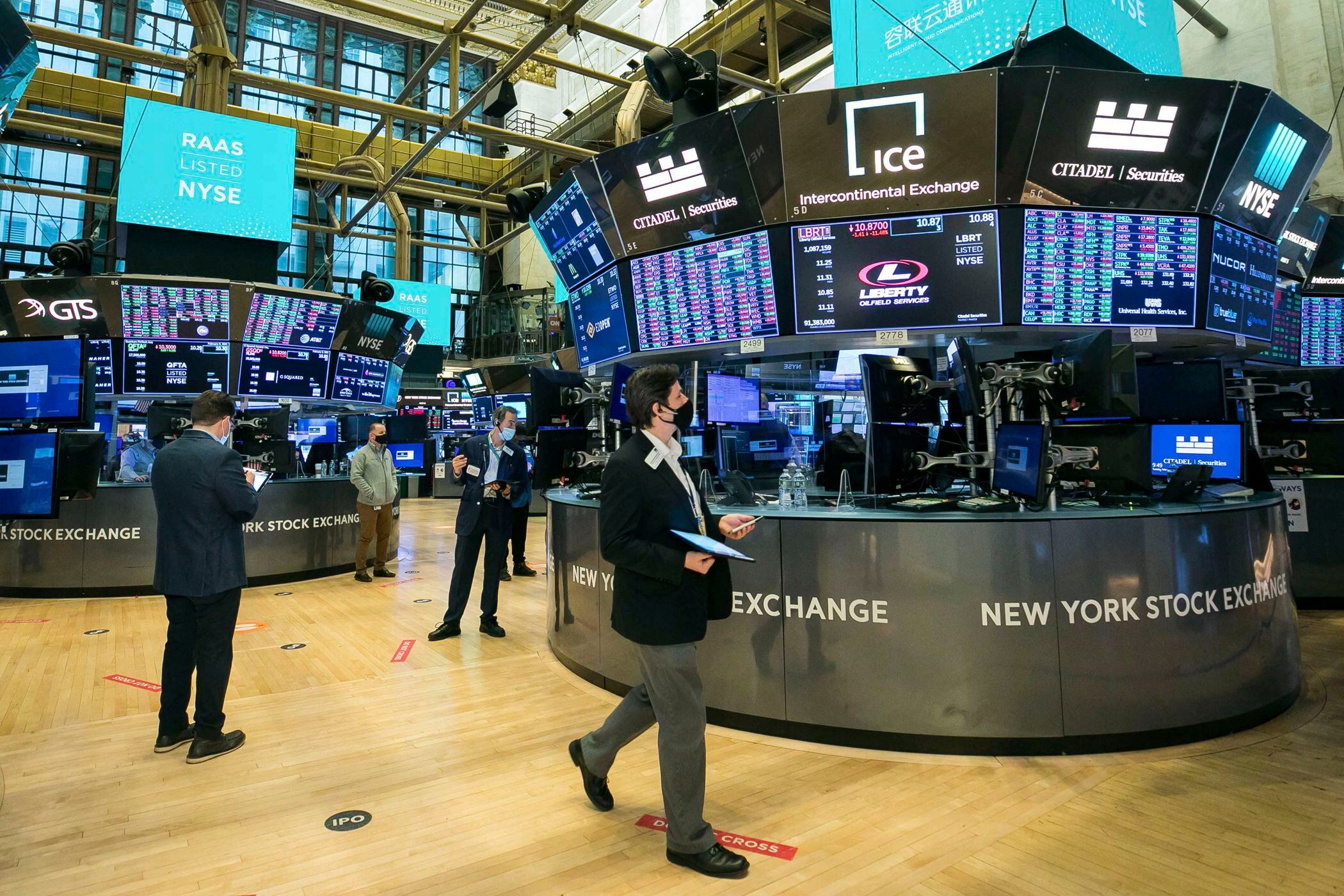
The major U.S. stocks capped a listless day of trading Tuesday with an uneven finish that snapped a six-day winning streak for the S&P 500 even as the Nasdaq set another all-time high.
A late fade pulled the S&P 500 down 0.1%, just below its record high set a day earlier. The benchmark index closed with a nearly even split between gainers and losers. A mix of companies that deal with consumer services and products were the biggest drag on the broader market, outweighing gains in communications, industrial and health care stocks.
A slight pullback after six straight days of gains is not uncommon, as investors pause during a rally to reassess and wait for more economic data to see where the market goes next.
Investors continued to monitor the action in Washington, where it appears Democrats plan to move ahead without Republican help on a major stimulus bill for the economy.
“It seems like fiscal stimulus will pass through reconciliation and the result will be one that is larger than was thought probably two or three weeks ago," said Keith Buchanan, senior portfolio manager at Globalt Investments.
The S&P 500 index slipped 4.36 points to 3,911.23. The Dow Jones Industrial Average dropped 9.93 points, or less than 0.1%, to 31,375.83. The Nasdaq rose 20.06 points, or 0.1%, to 14,007.70, its fourth straight gain. The Russell 2000 index of small company stocks rose 9.24 points, or 0.4%, to 2,299. The four indexes set all-time highs on Monday.
Stocks have been moving steadily higher for several days as Wall Street becomes more optimistic that the worst parts of the economic impact of the coronavirus pandemic might be in the rearview mirror. Vaccine rollouts continue both in the U.S. and globally, with the U.S. administrating hundreds of thousands of doses per day.
“The vaccinations have outpaced the virus and that becomes part of what’s playing into the optimism in the market,” Buchanan said. “It makes for an environment where it’s getting back to some sense of normality.”
Washington is preparing to go big for its next round of economic stimulus to support struggling Americans and businesses. Democrats have rallied around President Joe Biden's $1.9 trillion stimulus plan, which will include one-time payments to Americans plus a likely increase in the federal minimum wage to $15 an hour.
Expectations for another financial boost for the economy have helped keep investors in a buying mood.
The market's strong start to February and the strength in shares of companies that rely on consumer spending "is an indicator of the optimism creeping higher and the assumption that consumers in the U.S. will get a larger check perhaps than we thought three or four weeks ago,” Buchanan said.
Several companies made big moves after reporting their latest quarterly results Tuesday. Hanesbrands soared 24.9% for the biggest gain in the S&P 500 after reporting earnings that came in well ahead of what analysts were expecting.
Mobile games developer Glu Mobile vaulted 34.9% after it agreed to be acquired by Electronic Arts in a deal valued at $2.1 billion. Shares in Electronic Arts, maker of “Medal of Honor” and other video games, rose 2.6%.
Shares of GameStop and AMC Entertainment continue to be volatile, as online investors remain in a tug-of-war with Wall Street institutional investors over the struggling companies' values. GameStop shares fell 16.1% and AMC lost 11%.
Traders in cryptocurrencies continued to push up the price of bitcoin. It rose 7.3% to $47,184, according to the tracking site CoinDesk. Bitcoin futures on the Chicago Mercantile Exchange climbed 6.6% to $47,700. The futures allow investors to make bets on the future price of the digital currency.
Treasury yields were mostly higher. The yield on the 10-year Treasury note rose to 1.16% from 1.14% late Monday.
Updated on February 9, 2021, at 4:50 p.m. ET.