By Damian J. Troise and Alex Veiga
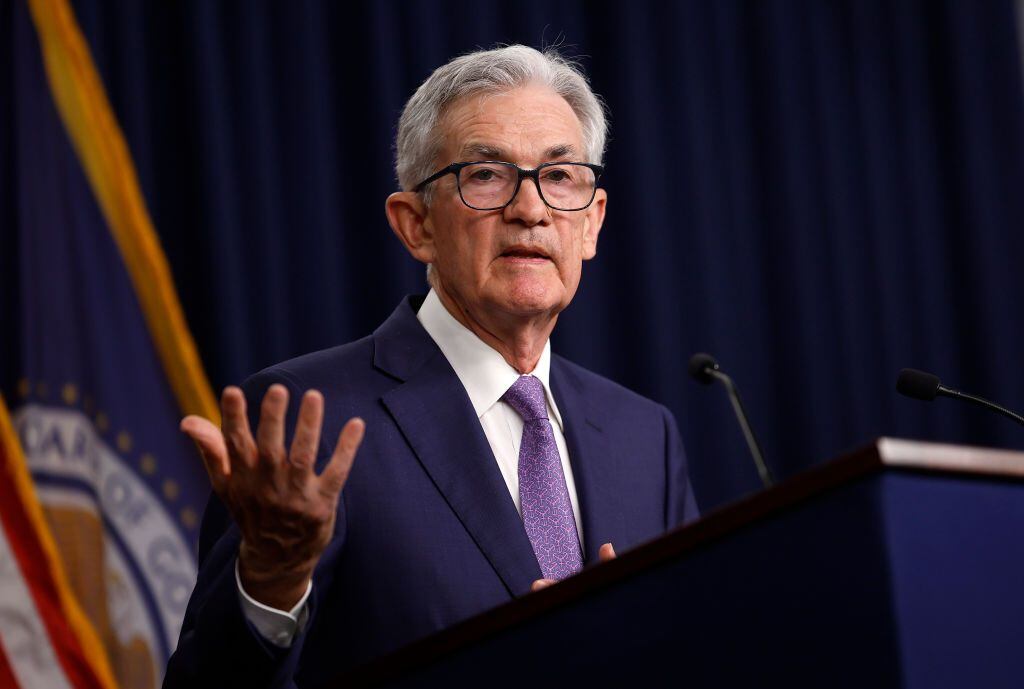
Technology companies led stocks lower on Wall Street Thursday as investors weighed the implications of higher interest rates on the market. The declines came a day after the Federal Reserve said it's preparing to begin raising rates next year to fight inflation.
The S&P 500 fell 0.9%, erasing about half of its gains from the day before. The Nasdaq slid 2.5%, its biggest drop since September, as Big Tech heavyweights like Apple and Microsoft fell. The Dow Jones Industrial Average slipped 0.1%
The sell-off, which gained momentum as the day went on, was a reversal from a day before, when technology sector stocks led a market rally following the Fed's latest interest rate and economic policy update.
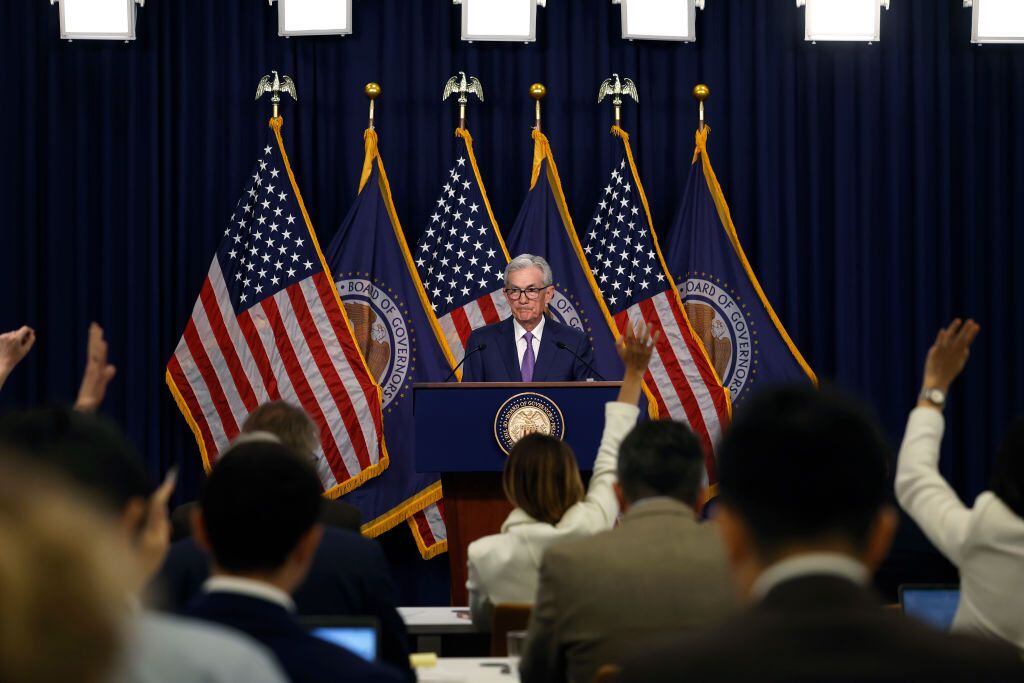
The central bank signaled plans to speed up its reduction in monthly bond purchases that have helped maintain interest rates low. The shift in policy sets the stage for the Fed to begin raising rates sometime next year.
Large technology companies often have lofty valuations based on assumptions about their profitability going far into the future. Investors tend to accept those higher valuations more easily when interest rates are extremely low, giving them fewer alternatives for returns. With interest rates poised to rise, investors are rethinking the high valuations they put on tech giants.
“Today it’s almost like you’re getting the reaction that everyone was expecting a day earlier,” said Ross Mayfield, investment strategist at Baird.
The S&P 500 fell 41.18 points to 4,668.67. The benchmark index is within 1% of the all-time high it set last Friday,
The Dow slipped 29.79 points to 35,897.64. The Nasdaq's losses wiped out its gains from a day before. It ended down 385.15 points to 15,180.43.
Small company stocks also took heavy losses. The Russell 2000 index gave up 42.75 points, or 2%, to 2,152.46. All the major indexes are on pace for a weekly loss.
Bond yields fell. The yield on the 10-year Treasury fell to 1.43% from 1.46% late Wednesday.
Stocks have been choppy in recent weeks as investors waited for more guidance from the Federal Reserve amid signs of growing inflation in the economy and worries over the rise of the omicron variant of COVID0-19.
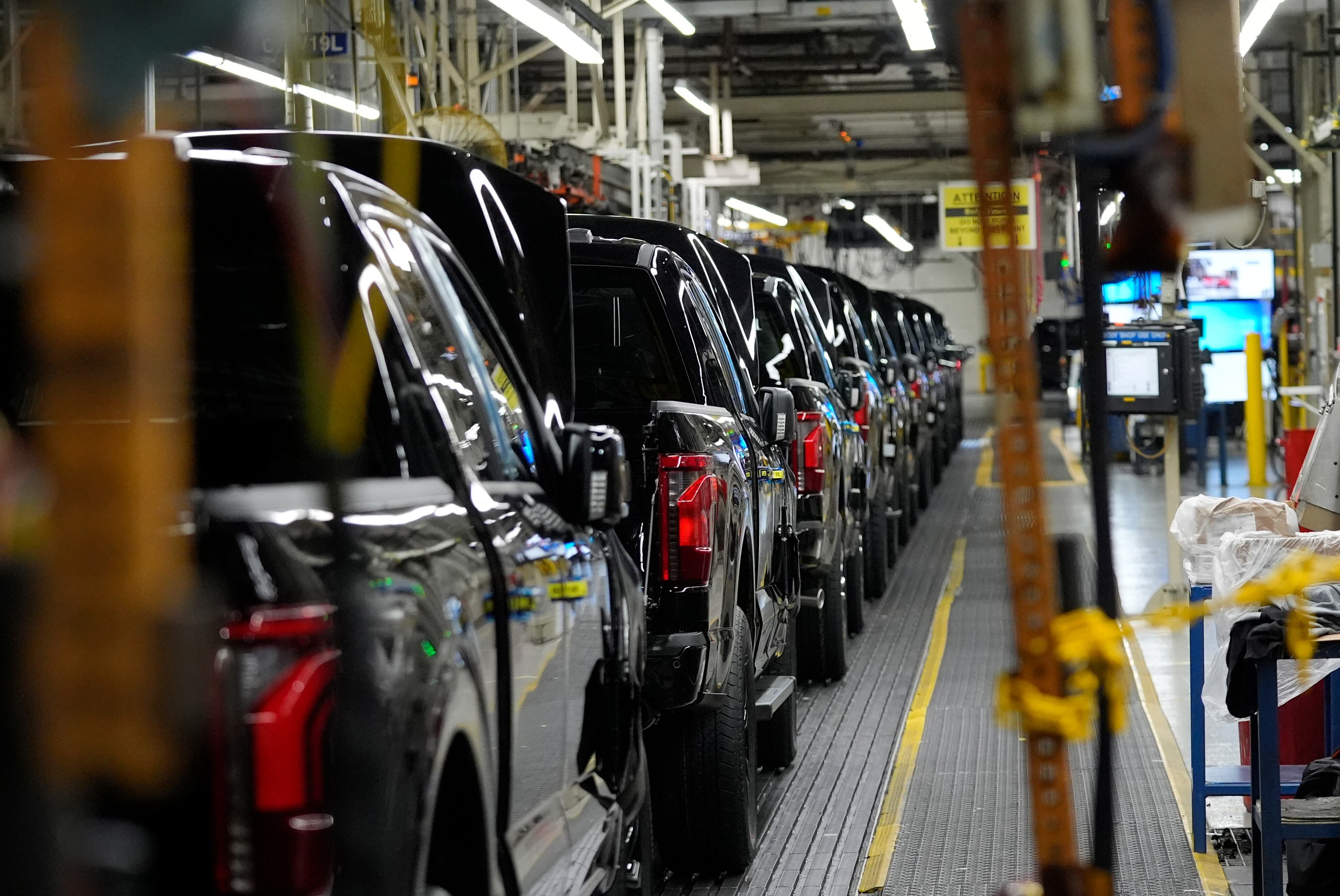
Inflation has been a growing concern throughout 2021. Higher raw materials costs and supply chain problems have been raising overall costs for businesses, which have raised prices on goods to offset the impact. Consumers have so far absorbed those price increases, but they are facing persistent pressure from rising prices and that could eventually prompt a pullback in spending. Any pullback in spending could then crimp economic growth.
On Wednesday, the Federal Reserve announced an acceleration of its pullback of economic stimulus as it pivots to fighting inflation. The central bank plans to shrink its monthly bond purchases at twice the pace it previously announced as unemployment falls and inflation nears a 40-year high. The accelerated timetable puts the Fed on a path to start raising rates as early as the first half of next year.
Meanwhile, the Bank of England became the first central bank among leading economies to raise interest rates to fight inflation. The European Central Bank still plans to trim its pandemic stimulus, but not abruptly.
Several big technology companies weighed on the market Thursday. Apple slid 3.9% and Microsoft dropped 2.9%.
Wall Street also had several pieces of economic data to review on Thursday.
The number of Americans applying for unemployment benefits rose last week and the figure was bigger than economists expected. The jobless claims, at 206,000, are still low by historical standards.
U.S. industrial production increased 0.5% in November, according to the Federal Reserve, as output at the nation’s factories reached the highest level since January 2019. The figure fell just shy of economists' forecasts.
The Commerce Department reported that new home construction in the U.S. rebounded 11.8% in November as strong demand continues to boost builder confidence even with the slower winter season approaching.
Updated on December 16, 2021, at 5:28 p.m. ET.