By Damian J. Troise and Alex Veiga
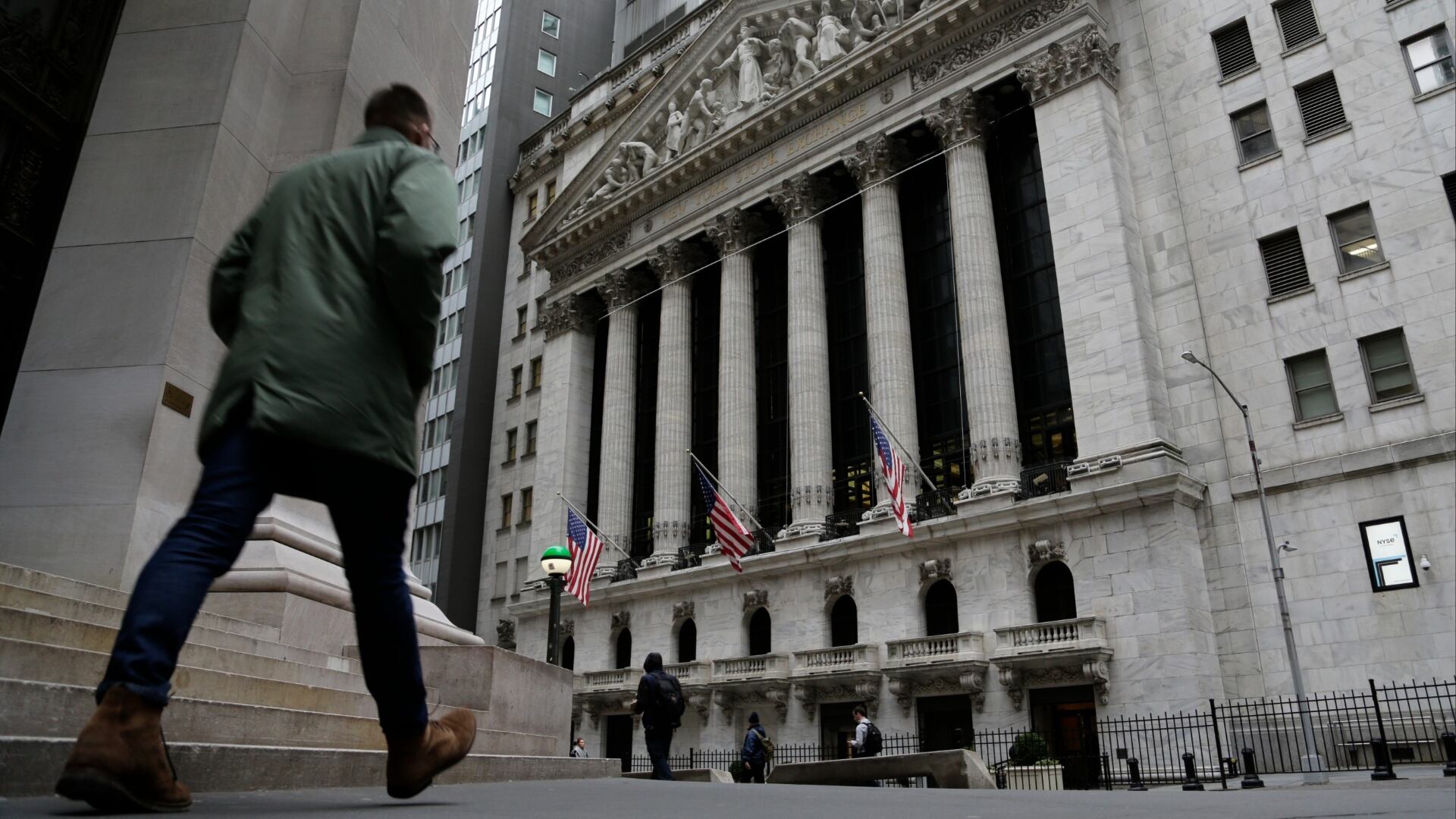
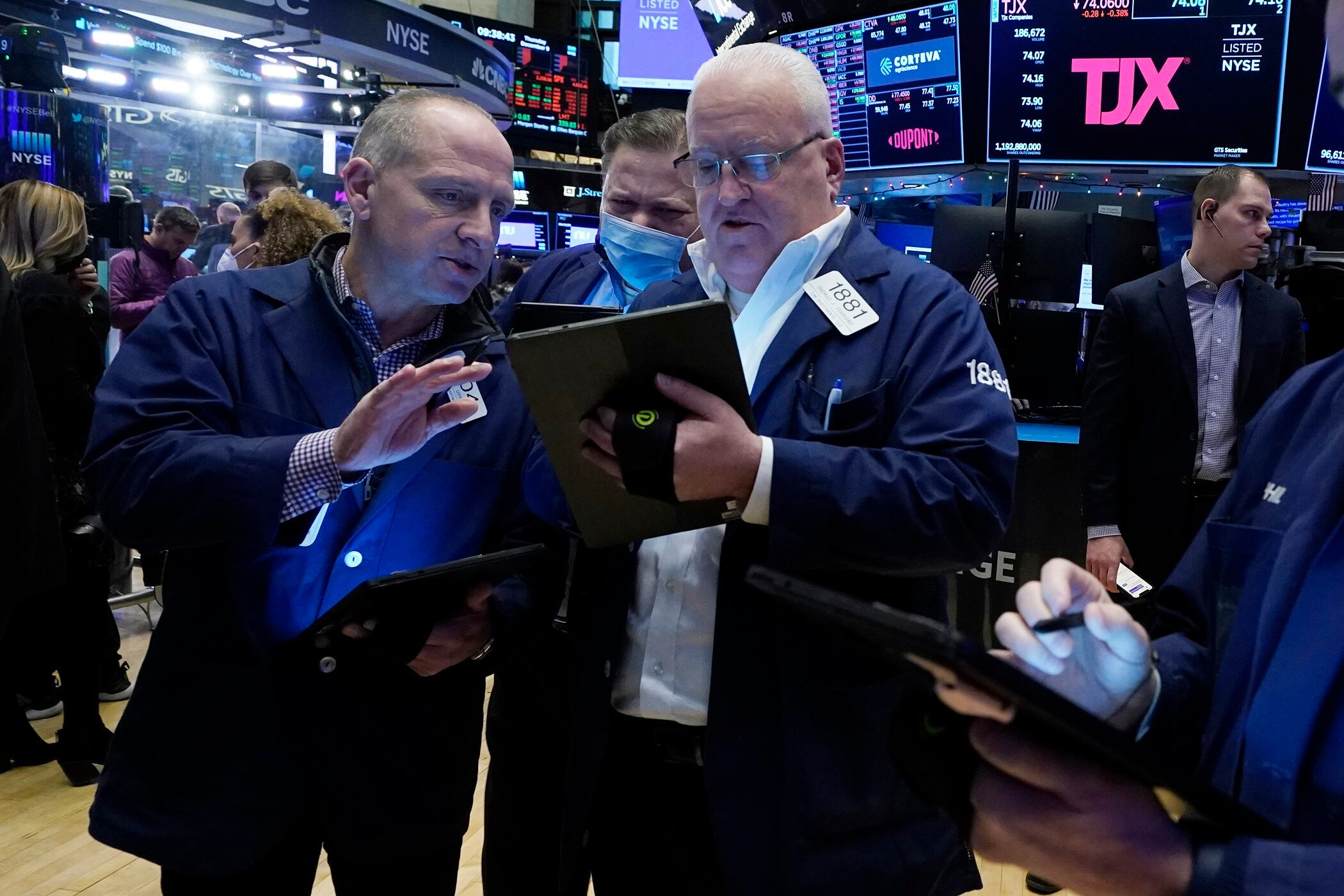
A sell-off on Wall Street left stocks broadly lower Thursday, giving back some of the market's gains from a three-day winning streak.
The S&P 500 fell 0.7%, with more than three-fourths of the companies in the benchmark index closing lower. The tech-heavy Nasdaq composite fell 1.7%, while the Dow Jones Industrial Average slipped less than 1 point.
Small-company stocks fell more than the rest of the market, sending the Russell 2000 index 2.3% lower. Roughly three stocks fell for every one that rose on the New York Stock Exchange.
The pullback follows a 3.6% gain for the S&P 500 index over the first three days of the week, largely in response to easing worries about the omicron variant of the COVID-19 virus. That marked an about-face for stocks following two weeks of losses over concerns about rising inflation and the coronavirus potentially crimping economic growth.
Investors welcomed reports this week of early indications suggesting the omicron variant may be less dangerous than delta, including word from Pfizer that its lab tests suggest the drugmaker's COVID-19 boosters provide protection against the new strain.
“Today, because of that, folks are taking a little bit of a breather to gauge other information that could suggest a more sustained direction for the market, particularly on the economic data front,” said Greg Bassuk, CEO of AXS Investments.
The S&P 500 fell 33.76 points to 4,667.45. The Dow slipped less than 1 point to 35,754.69. The Nasdaq fell 269.62 points to 15,517.37. The Russell 2000 gave up 51.50 points to 2,220.71. Every major index is still on track for a weekly gain.
Technology stocks and a mix of retailers and other companies that rely on direct consumer spending weighed on the S&P 500 the most. Chipmaker Nvidia fell 3.4%, while Tesla slid 6.1% for the biggest drop in the index.
Travel-related companies slipped after spending the last few days gaining ground. Carnival fell 1.7% and United Airlines fell 1.8%.
Bond yields fell slightly. The yield on the 10-year Treasury fell to 1.49% from 1.51% late Wednesday.
Energy futures closed mostly lower. The price of U.S. crude oil fell 2% and helped pull energy stocks lower. Devon Energy fell 4%.
Health care companies rose. CVS Health climbed 4.5% after raising its dividend and issuing a solid forecast. Pfizer, which has been touting the potential benefits of a vaccine booster against the latest COVID-19 variant, rose 1.3%.
Investors received an encouraging update on job market's recovery. The Labor Department reported that the number of Americans applying for unemployment benefits plunged last week to the lowest level in 52 years.
The employment market's recovery has been a key focus for Wall Street while it gauges the strength of the economy as it moves past the virus pandemic. Rising inflation has been another focus, and investors will get an update Friday when the Labor Department releases its Consumer Price Index for November.
The latest inflation data comes ahead of the Federal Reserve's two-day meeting of policymakers next week. Rising inflation has prompted the central bank to speed up the pace at which it trims its bond purchases, which have helped keep interest rates low. That has raised concerns that the Fed will raise its benchmark interest rates next year sooner than expected.
Updated on December 9, 2021, at 5:07 p.m. ET.