By Damian J. Troise and Stan Choe
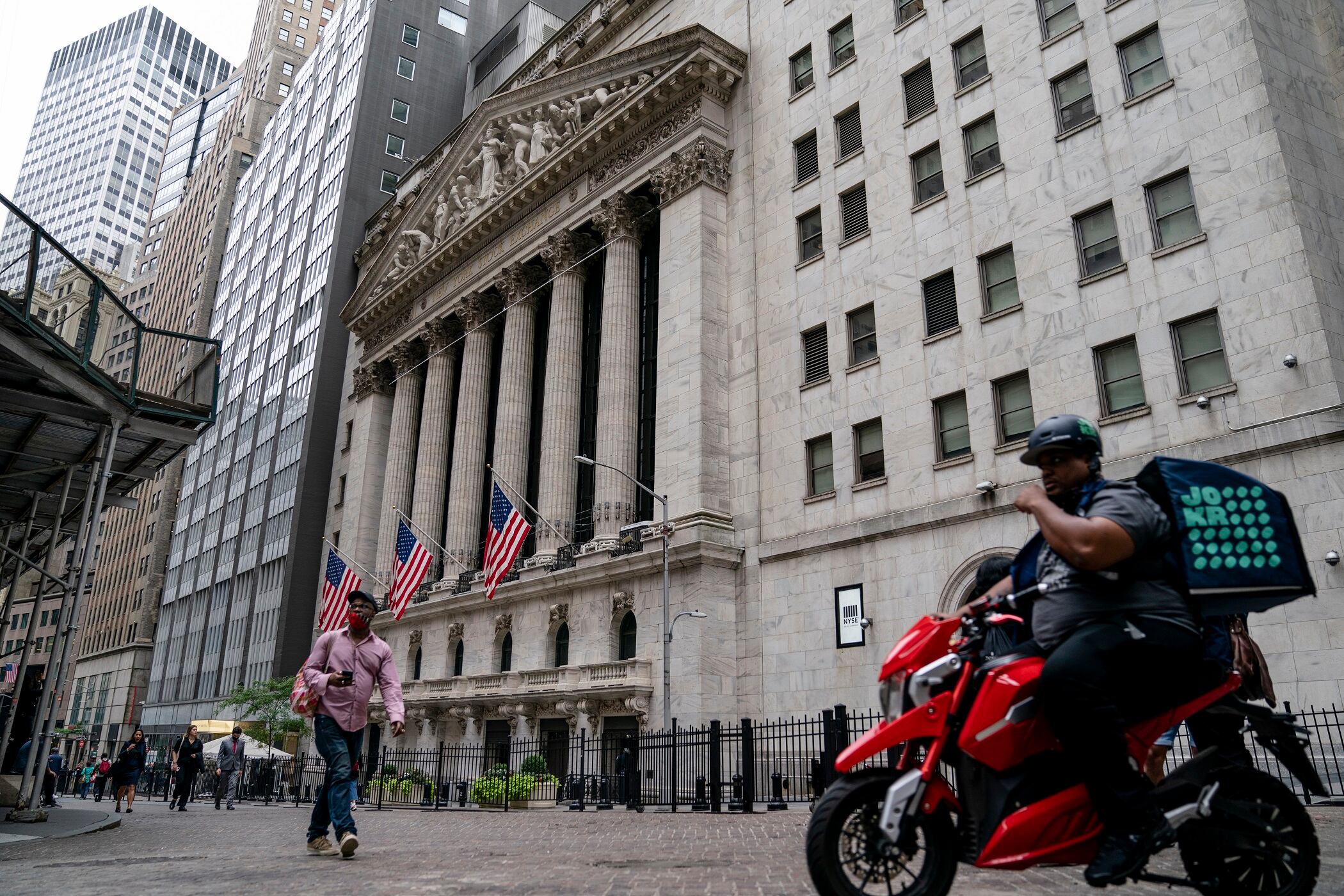
Stock indexes shuffled lower on Wall Street Wednesday, pulling a bit further off their record heights.
The S&P 500 fell 12.23 points, or 0.3%, to 4,688.67 after earlier drifting between a tiny gain and a 0.4% decline. It’s sitting just 13.03 points below its all-time high set a week and a half ago.
The Dow Jones Industrial Average sank 211.17, or 0.6%, to 35,931.05, and the Nasdaq composite lost 52.28, or 0.3%, to 15,921.57.
A 4.7% drop for Visa was one of the heaviest weights on the market. It fell after Amazon said it would no longer accept U.K.-issued Visa credit cards amid a dispute about fees.
The majority of stocks in the S&P 500 also sank, while the smaller stocks in the Russell 2000 index dropped even more, down 1.2%. But gains for some heavyweight stocks helped soften the losses. Apple rose 1.6%, and Tesla climbed 3.3%. Because they’re two of the biggest stocks on Wall Street by market value, their movements carry extra weight on the S&P 500.
Yields in the U.S. government bond market, center of some of Wall Street's most turbulent action recently, pulled back following a week of big gains. The yield on the 10-year Treasury dropped to 1.59% from 1.63% late Wednesday.
Shorter-term yields also eased back, giving up a portion of their own recent surge. Last week, hotter-than-expected inflation across the economy pushed investors to move up their expectations for when the Federal Reserve would raise interest rates off their record lows.
Stocks have been powering mostly higher over the last month as companies have widely reported much stronger profits for the summer than analysts expected. Several big retailers joined the parade on Wednesday, including Lowe’s, Target and TJX, which runs the T.J. Maxx and Marshalls stores. But the stock market’s reaction wasn’t uniform.
TJX rose 5.8% after reporting stronger revenue and earnings for the latest quarter than expected. Home improvement retailer Lowe's inched up 0.4% as it raised its revenue forecast for the year following strong third-quarter financial results.
But Target fell 4.7% even though it also reported better earnings than expected. The company said it made less profit off each $1 in sales during the quarter, versus a year earlier, as it got squeezed by higher merchandise and supply-chain costs, among other things.
Such pressures — and how much they hit companies' bottom lines — are under the microscope as relatively high inflation continues to sweep the world. Many companies have warned their profit margins could suffer due to supply-chain problems and higher costs for everything from workers' wages to raw materials.
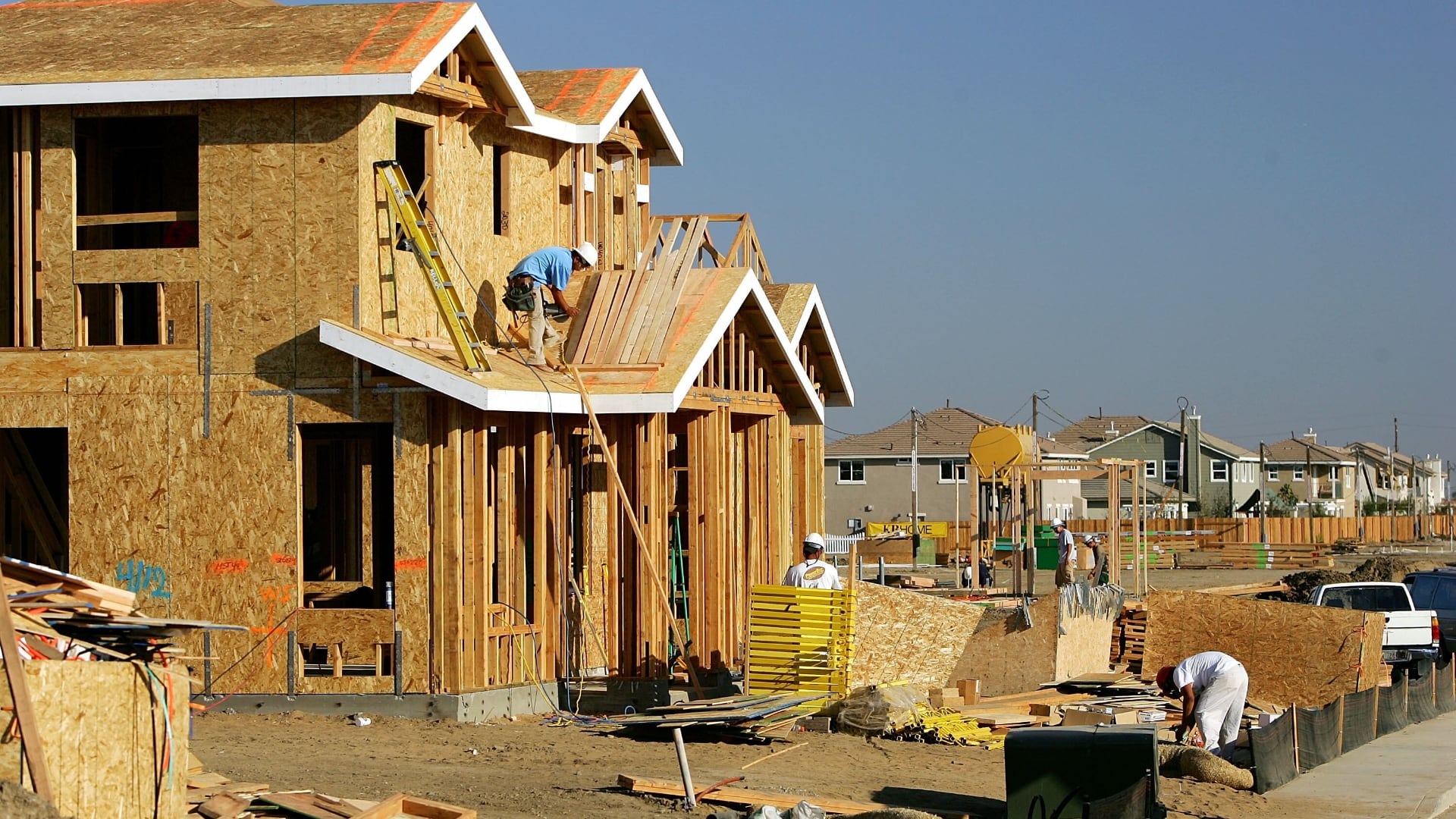
A report on the housing market showed some of those pressures. Builders broke ground on fewer homes last month than in September, contrary to economists' expectations for growth. That could be an indication that supply shortages and higher costs are slowing the industry. But the number of building permits also rose by more than expected, perhaps showing that homebuilders see those pressures eventually easing.
Updated on November 17, 2021, at 4:45 p.m. ET.