By Damian J. Troise and Stan Choe
An eye-opening report on inflation that was hotter than expected slammed into the bond market on Wednesday, sending yields jumping and helping knock stocks lower.
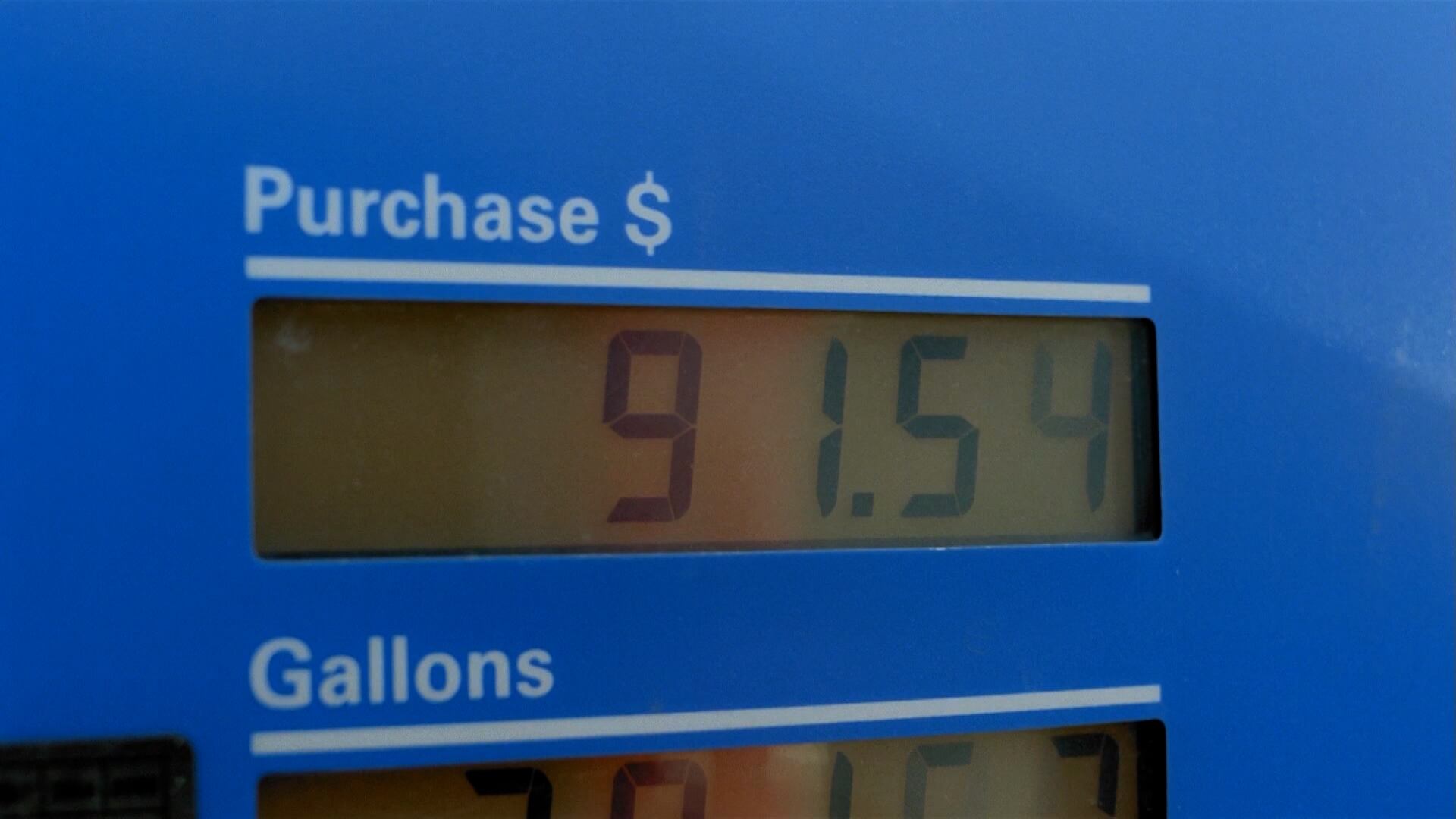
Prices for beef, electricity and other items that consumers paid in October surged from year-ago levels at the fastest overall pace since 1990, raising expectations that the Federal Reserve will have to hike short-term interest rates more quickly off their record low. That sent Treasury yields to their biggest gains in months.
Rising yields tend to be a drag on stocks, particularly those seen as the most expensive or whose expectations for big profit growth is furthest in the future. Drops for several high-growth tech stocks weighed on Wall Street, as did a slide in energy stocks following a decline in the price of crude oil.
The S&P 500 lost 38.54, or 0.8%, to 4,646.71 for its second straight drop. It's coming off a strong run where it set a record high in each of the prior eight days.
The Dow Jones Industrial Average fell 240.04, or 0.7%, to 36,079.94. The Nasdaq composite, which has more tech stocks, dropped more. It lost 263.84, or 1.7%, to 15,662.71.
Worries about inflation stoked other areas of the market. Gold rose 1% and is close to its highest price since June. Bitcoin, which some proponents see as offering similar protection from inflation as gold, likewise climbed. It touched a record of nearly $68,991, according to CoinDesk.
The center of Wall Street’s action, though, was in the bond market.
Pushed by the inflation report, investors are now pricing in a 66.5% chance that the Fed will raise rates by the end of June. A day earlier, that probability was at 50.9%.
The Fed has been keeping overnight rates at a record low of nearly zero since March 2020 to resuscitate markets and the economy from the pandemic. It has already begun to pare back on the bond purchases it makes every month to keep longer-term rates low.
The two-year Treasury yield tends to move with expectations for Fed action, and it leaped to 0.51% from 0.41% late Tuesday, a significant move.
Longer-term Treasury yields also rose, with the 10-year yield up to 1.57% from 1.43%.
In the stock market, higher yields tend to favor stocks that look cheap, or at least cheaper than their peers. These are often called “value” stocks to distinguish them from stocks of high-growth companies.
“It’s a fight between growth and value, and neither one is really getting the upper hand lately,” said Tom Martin, senior portfolio manager with Globalt Investments. “You’re going to have a decent market until year end and at some point, you’ll see folks really starting to try to position themselves for what they think 2022 could look like.”
Drops for some high-growth and tech stocks caused the heaviest weights on the market because they're among the bigest companies by value. Nvidia, Facebook’s parent company, Google's parent company, Apple and Microsoft all fell between 1.5% and 3.9%.
A 3.3% drop in the price of U.S. oil also helped to drag energy stocks to the biggest loss among the 11 sectors that make up the S&P 500.
But nearly two out of five stocks within the index nevertheless rose, with gains for health care stocks and others helping to limit losses for the market. Pfizer rose 3.6%.
Tesla also regained some of its lost ground from the prior two days after its CEO, Elon Musk, said that he would sell 10% of his stake in the company. It rose 4.3%, though it remains down 12.6% for the week.
Rivian Automotive, an electric truck maker backed by Amazon and Ford, glided 29.1% higher in its first day of trading.
Stocks have been rising broadly in recent weeks, powered by reports showing corporate profits were even stronger during the summer than analysts expected. Many of those reports showed that companies were able to pass on the higher prices they were paying to their customers, preserving their profitability.
DoorDash rose 11.6% after reporting stronger-than-expected revenue for its latest quarter and announcing that it is buying Finnish delivery service Wolt Enterprises, expanding its reach into Europe and other markets.
This earnings season is wrapping up, with more than 90% of S&P 500 reports already in hand. But several big names are still to come, particularly in the retail industry.
Updated on November 10, 2021, at 4:50 p.m. ET.