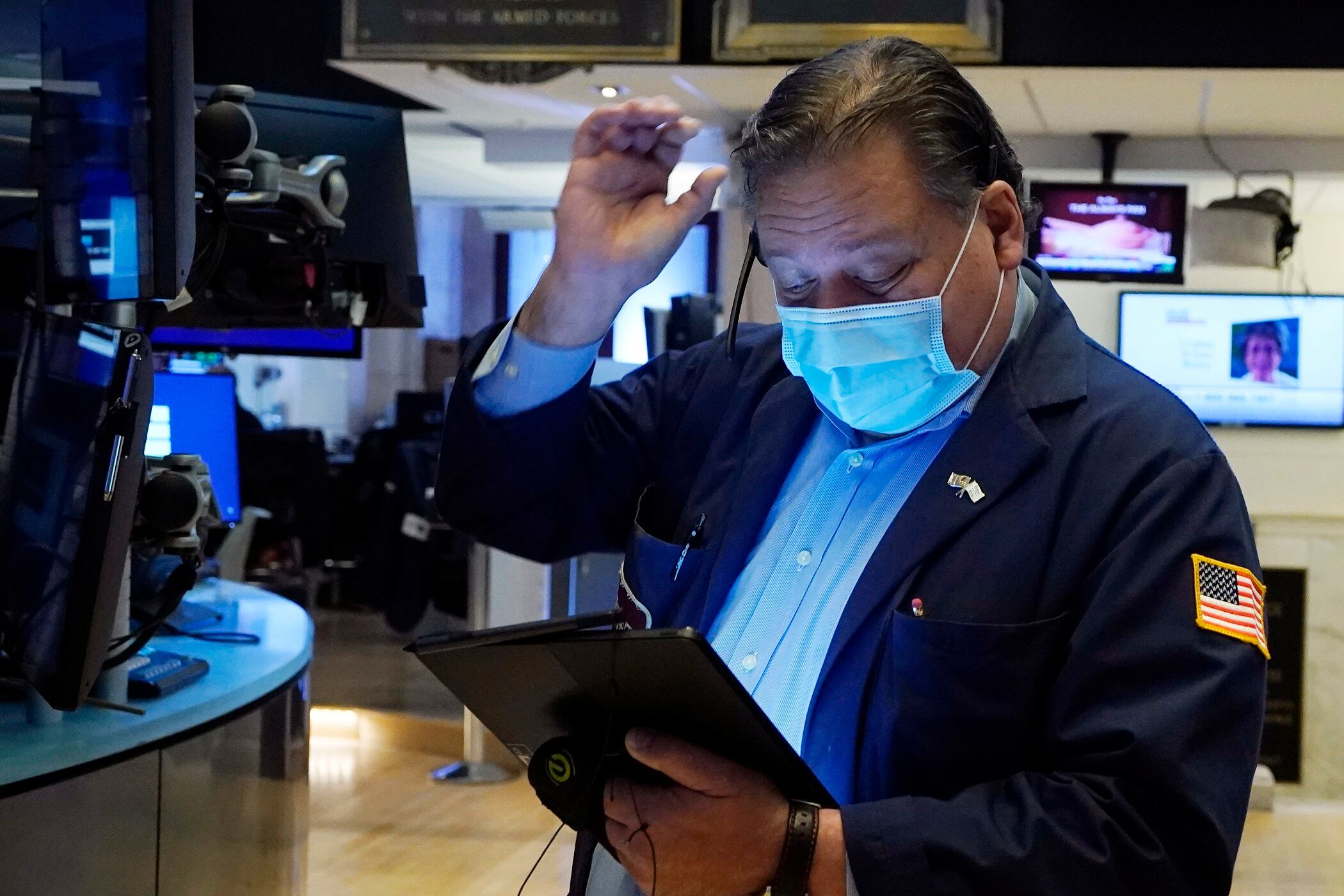
Trader John Santiago works on the floor of the New York Stock Exchange, Tuesday, Oct. 19, 2021. Stocks are moving modestly higher on Wall Street in early trading Tuesday as corporate earnings reporting gets into full swing. (AP Photo/Richard Drew)
By Damian J. Troise and Alex Veiga
Health care and technology companies led a broad rally for stocks on Wall Street Tuesday as investors welcomed another batch of encouraging company earnings reports.
The S&P 500 rose 0.7%, driving the benchmark index to its fifth straight gain. The Dow Jones Industrial Average rose 0.6% and the tech-heavy Nasdaq rose 0.7%.
Among the tech sector winners were Apple, which rose 1.5%, and software maker Adobe, which added 2.1%. Johnson and Johnson, the world’s biggest maker of health care products, rose 2.3% after raising its profit forecast for the year following the release of strong third-quarter earnings.
“Were starting to get more earnings in for the third quarter, and so far so good,” said Tom Hainlin, national investment strategist at U.S. Bank Wealth Management. “So far, the results are coming in and we haven’t had a material downgrade in outlooks.”
The S&P 500 rose 33.17 points to 4,519.63. The index is now within 0.4% of the all-time high it set Sept. 2. The Dow gained 198.70 points to 34,457.31. The Nasdaq rose 107.28 points to 15,129.09.
Small company stocks also rose. The Russell 2000 index gained 8.07 points, or 0.4%, to 2,275.91.
The broad gains for stocks follow a mixed start to the week as investors continue monitoring corporate earnings for clues as to how companies will move forward through the year as they deal with rising inflation, global supply chain delays and the economic recovery slowing down.
“There was a nervousness going in as we started to see some supply chain interruptions,” said J.J. Kinahan, chief strategist with TD Ameritrade. “But, the overall picture is still a fairly positive one.”
Those supply chain problems are going to have different impacts on companies and industries, he said, including how they absorb the costs and whether they raise prices. Procter & Gamble fell 1.2% after saying it will raise prices as it faces higher commodity and freight costs.
So far, however, rising oil prices and other costs haven't cut in severely on company profit margins, Hainlin said.
All told, analysts polled by FactSet are now forecasting earnings growth of 30% for the S&P 500, up from 23% in June.
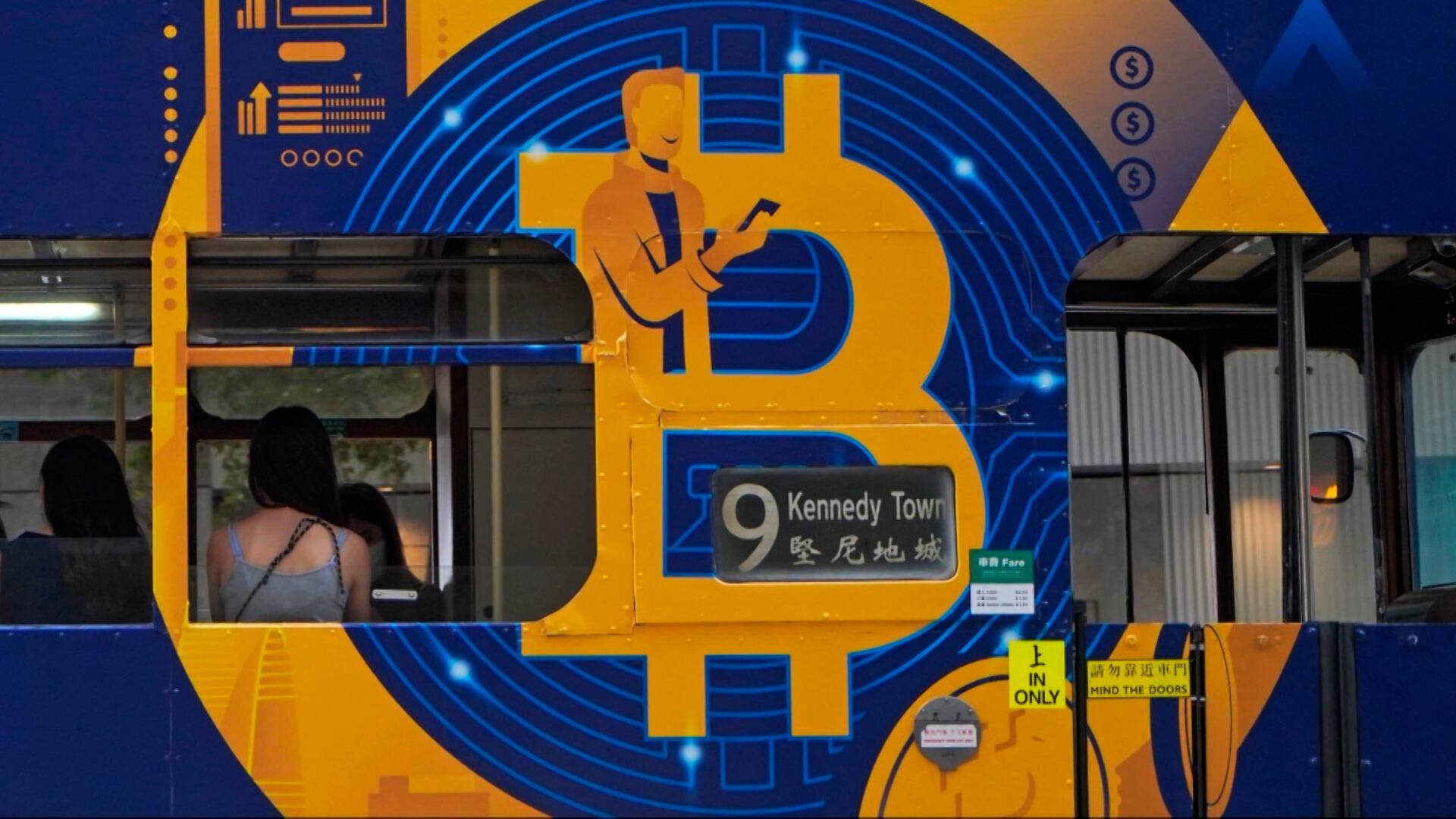
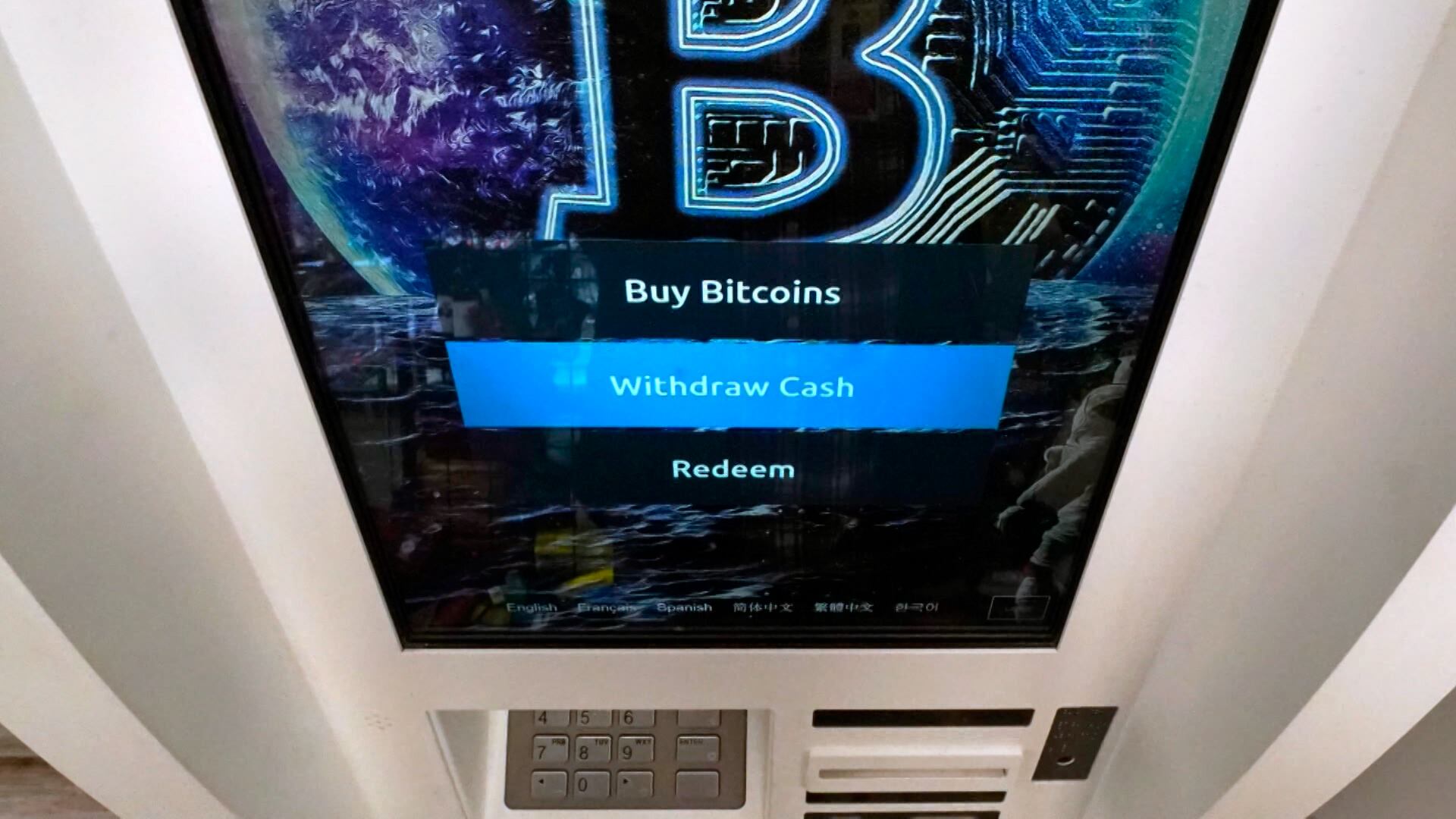
The ProShares Bitcoin Strategy ETF offers a potentially easier way for some investors to get into the fast-growing crypto world, though it invests in futures contracts for Bitcoin rather than the currency itself. The price of Bitcoin rose 4.5%, according to CoinDesk. Its running about 1.2% below its all-time high of $64,888.99 per coin.
Bond yields moved higher. The yield on the 10-year Treasury rose to 1.64% from 1.58% late Monday.
Energy stocks gained ground as oil prices rose 0.6%. Exxon Mobil rose 1.5%. U.S. crude oil prices are up 73% for the year, while natural gas prices have risen roughly 81%. The prices have surged as the global economic recovery drives demand and it is raising concerns about a global energy crunch.
Insurance company Travelers rose 1.6% after it handily beat Wall Street's third-quarter profit forecasts. Other large companies, including streaming entertainment giant Netflix and United Airlines, will report their results after the market closes.
Several key earnings from airlines this week will also give investors a clearer picture into the impact from a surge in COVID-19 cases over the summer. American Airlines and Southwest Airlines will report their results on Thursday.
Outside of earnings, the Commerce Department reported that U.S. home construction fell 1.6% in September as builders continue to be tripped up by supply chain bottlenecks. Shares of homebuilders were weaker. Beazer Homes fell 2.7% and Hovnanian Enterprises fell 3%.
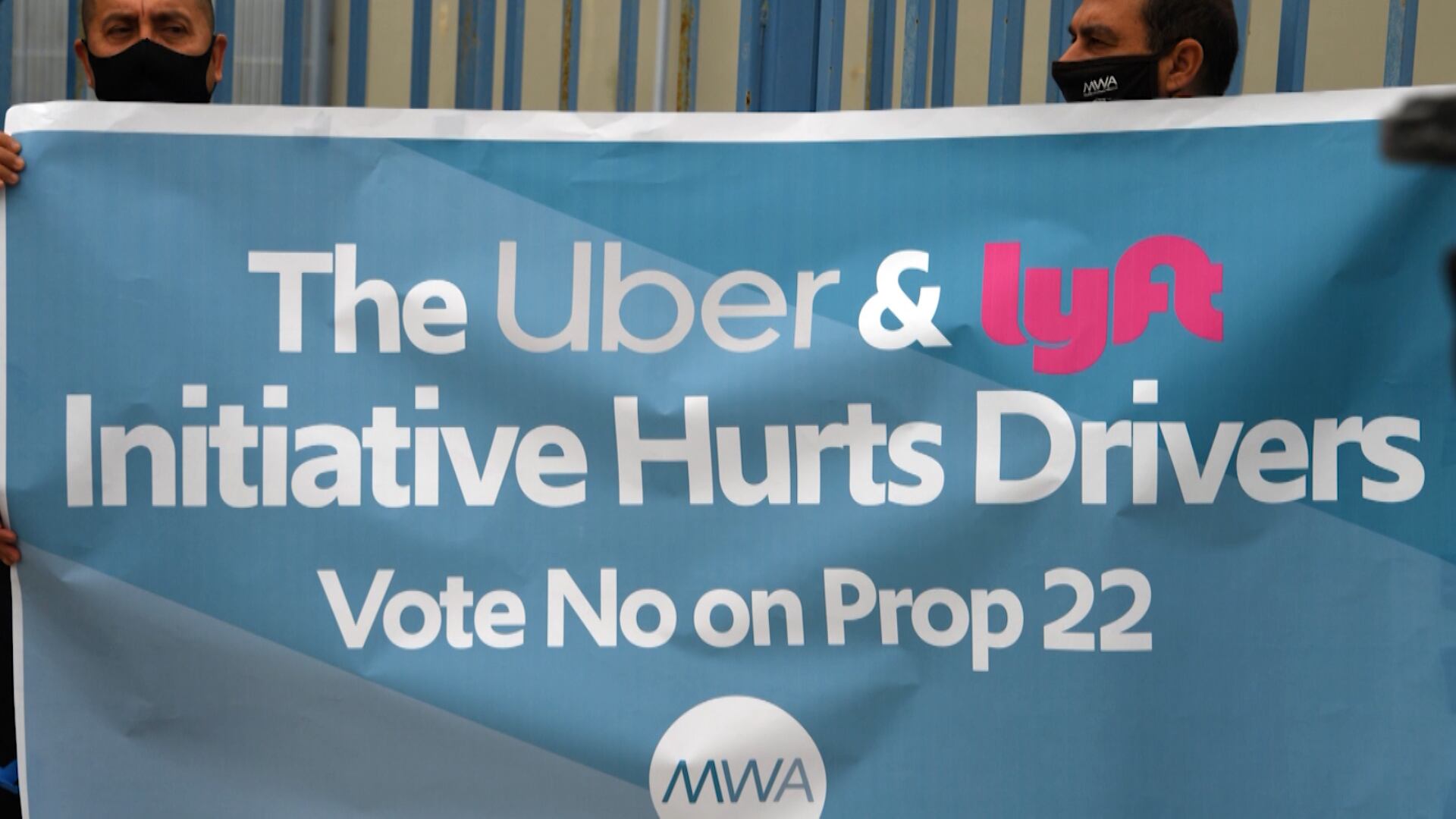
The push to regulate the gig worker economy is gaining steam as the share of workers who participate in freelancing through businesses like Uber and Lyft have also exponentially grown during the pandemic. Employment attorney Mark Kluger, founding partner at Kluger Healey, LLC, joined Cheddar to break down how the battle to reclassify gig workers will continue in the new year, and why the issue continues to generate conflict. "More and more workers are using gig work as their primary source of income and as a result of that they are not like employees in the sense that they don't have benefits like health insurance," Kluger noted.
Renewable energy company Heliogen has gone public via a SPAC merger with blank check company Athena Technology Acquisition Corp. on the NYSE. Joining Cheddar, founder and CEO Bill Gross went into why he felt the end of 2021 was the best time to get into the public markets. "If you think of the Industrial Revolution and the digital revolution, this renewable revolution is probably going to be as big or larger than that," he said. "So we're going to use this capital to scale our business, to meet more customer demand, to do more projects in parallel, and to scale our research and development to continue to drive down the price to be competitive with fossil fuels."
Carl "The Moon" Runefelt, a Bitcoin investment expert, recently made a hefty purchase of a $2 million Bugatti sports car at a Dubai dealership. The Swedish crypto evangelist joined Cheddar to talk about how he made the big acquisition of a luxury item he had long had his eye on and why he chose the dealership, The Car Vault, to make the unprecedented transaction. "They accepted crypto directly, and that was important to me," he said. "I am not going to go to any car dealership that don't accept crypto, and that's kind of a principle I have today."
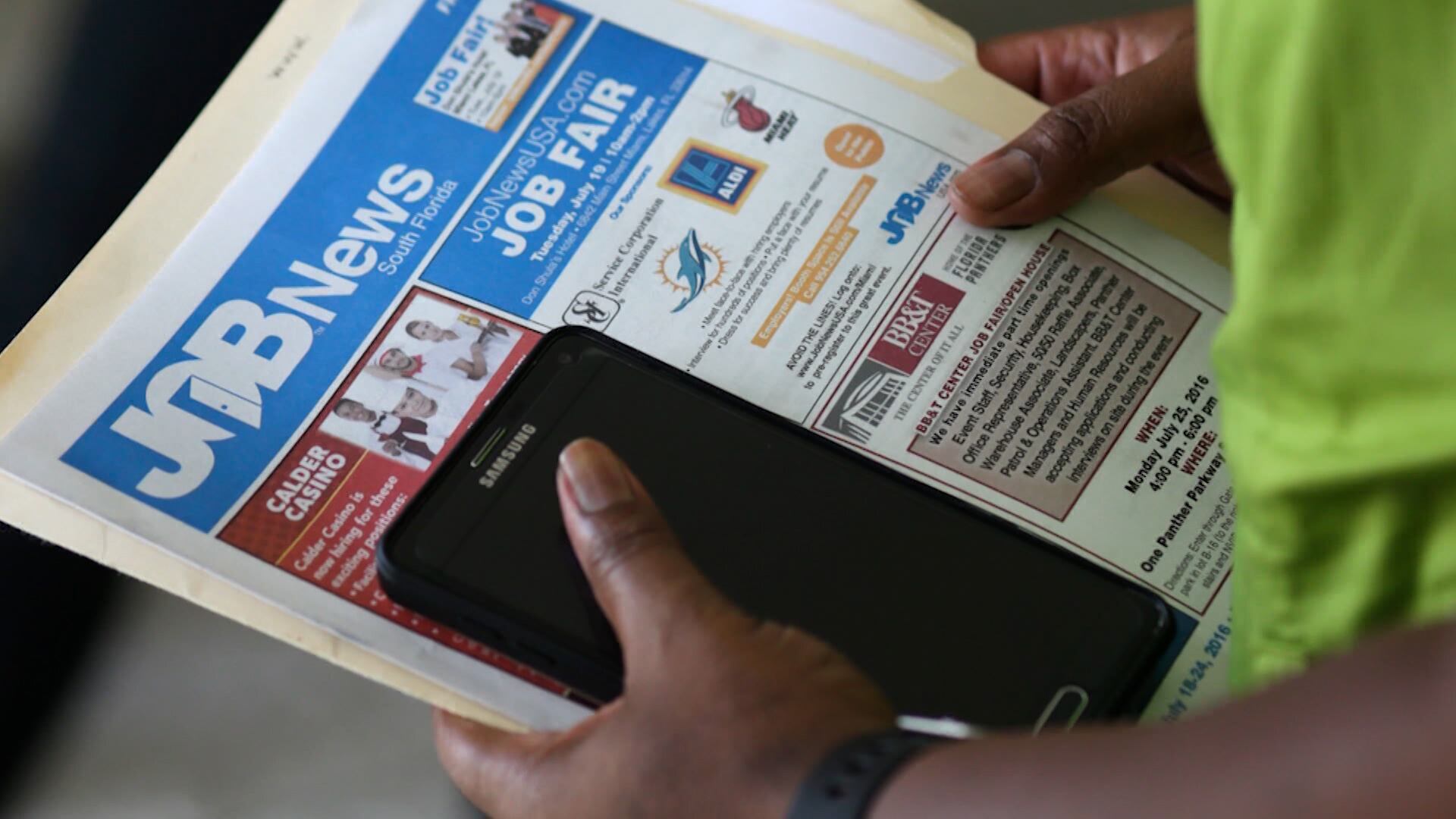
Marjorie Mesidor, Partner at Phillips & Associates, joined Wake Up With Cheddar to break down the latest trends in the job market, as the demand for labor has recovered, but as the number of people willing to fill positions remains relatively low.
2021 proved that crypto currency is here to stay. This year saw more and more adoptions of crypto, from top athletes looking to be paid in bitcoin, to Elon Musk even experimenting with bitcoin and dogecoin payments for a bit over at Tesla. And it wasn't all bitcoin either - other cryptos like Cardano and Solana saw some action in 2021 as well. Patrick McConlogue, CEO of Overline and former Citadel Investment Group Engineer explains why 2021 was such a good year for crypto, and what to expect in 2022.
2021 saw markets continue to be impacted by the onslaught of the coronavirus pandemic -most recently in the form of the Omicron variant- in addition to the global supply chain shortage, and increased inflation. But it wasn't all bad news, as crypto soared throughout the year, and meme stocks continued to have a moment. With the year coming to a close, investors are keeping an eye out to see if they should expect more of the same in the new year. Chris Vecchio, Senior Analyst, at DailyFX tells us what market trends to be on the watch for in 2022.
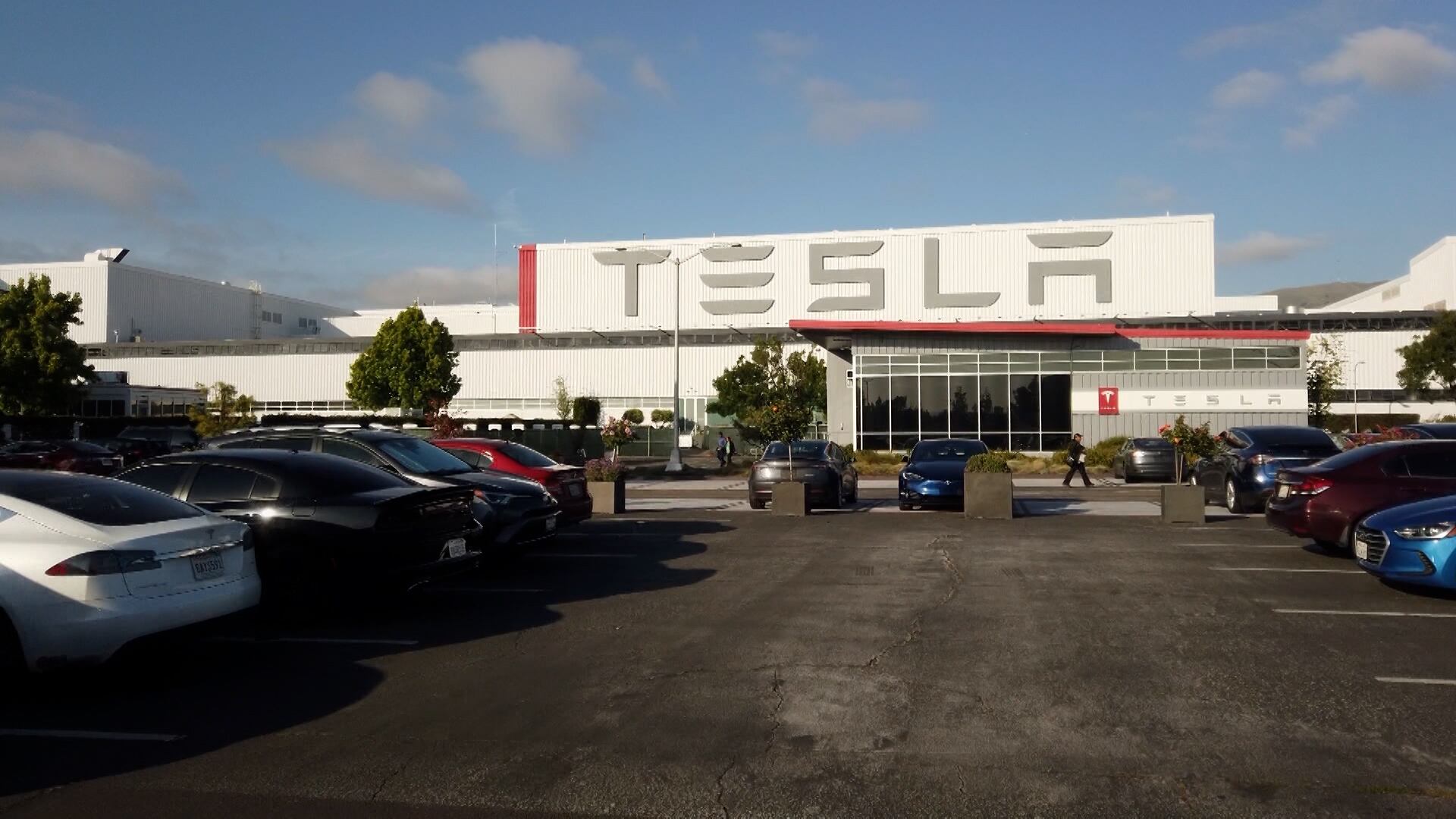
2021 proved to be yet another formidable year for Tesla. In a year that saw electric vehicles carve out their own space in the transportation world, the company made further strides, keeping its spot on top even as new companies threatened competition. Tesla was able to hit the trillion dollar valuation mark, increase vehicle deliveries even as the world grappled with supply chain and delivery issues and sign a major deal with Hertz this year. And of course, you can't talk about Tesla without talking about Elon Musk, CEO and founder of the company, richest man in the world and Time Magazine Person of the Year, who saw plenty of successes in 2021 as well. Al Root, Senior Writer at Barron’s, explains just how good a year it was for Tesla.
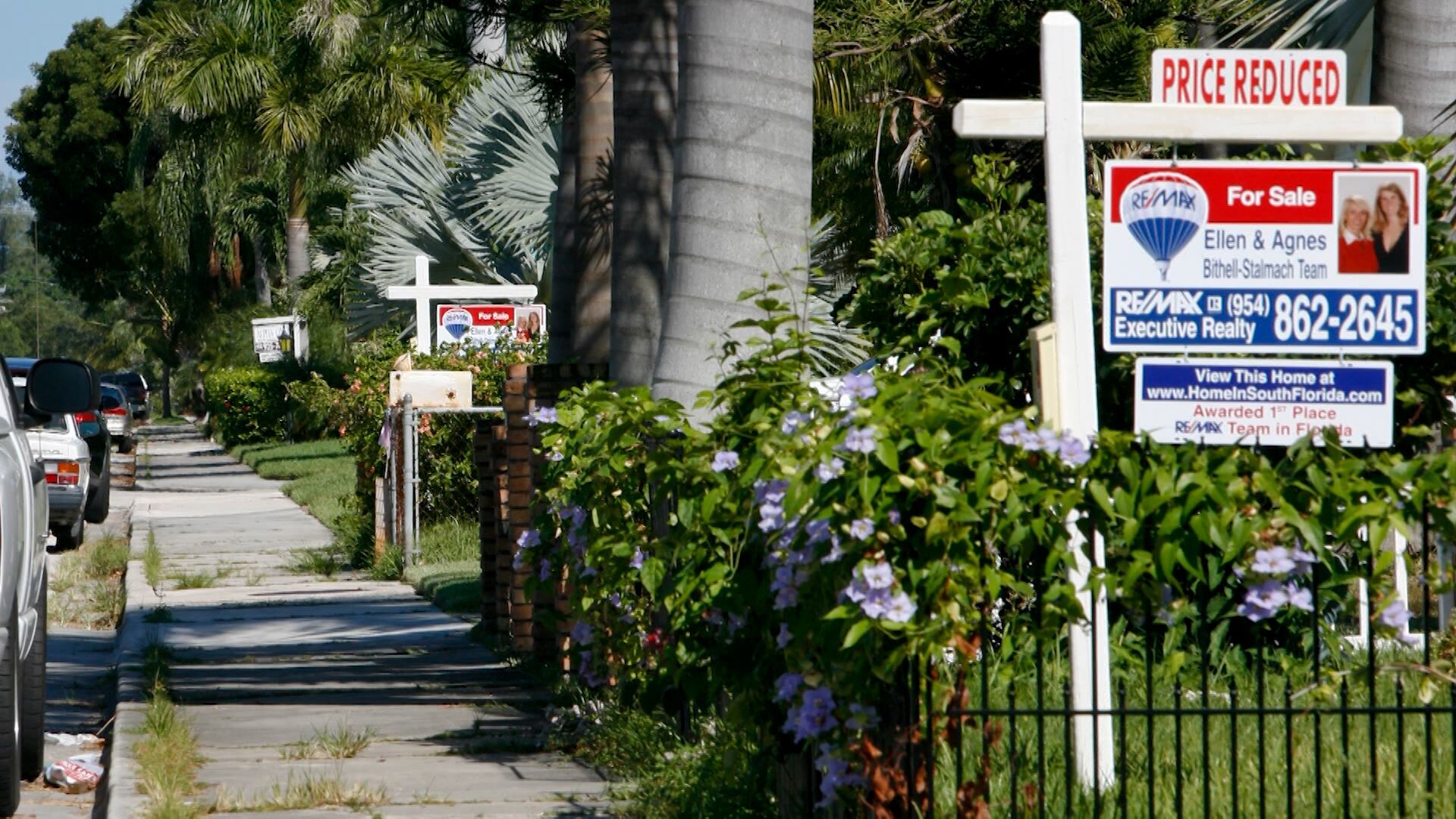
The S&P CoreLogic Case-Shiller 20-city home price index showed an 18.4 percent surge in October as the housing market continues to boom. October's levels are a slight downturn from the roughly 19 percent increase the index saw in September, but come roughly in line with economist expectations. Michael J. Romer, Managing Partner, Romer Debbas joined Wake Up with Cheddar to discuss.
U.S. airlines have canceled more than 6,000 flights since Christmas eve, causing headaches for travelers.
Airlines cited staffing shortages amid the omicron outbreak as the primary reason for the interruptions to service. The cancellations come at the busiest time of year for air travel. Steve Shur, President, The Travel Technology Association joined Wake Up with Cheddar to discuss.
Dr. Soumi Eachempati, co-founder and CEO of Cleared4 and former professor of surgery and public health at Weill Cornell Medical College, joined Cheddar to breakdown what people should know about the recently FDA-approved emergency use of Merck and Pfizer's COVID-19 treatment pills. He noted that not only do people need to be aware of other medications they are taking that could cause adverse effects if coupled with COVID-19 pill treatments, he also talked about the intense in-take regiment. "The Merck pills are actually about 40 pills over five days. The Pfizer ones are three pills over five days, so people have to be prepared for that because it is a lot of pills you'll have to take to get full value from these drugs," Eachempati told Cheddar.