By Stan Choe
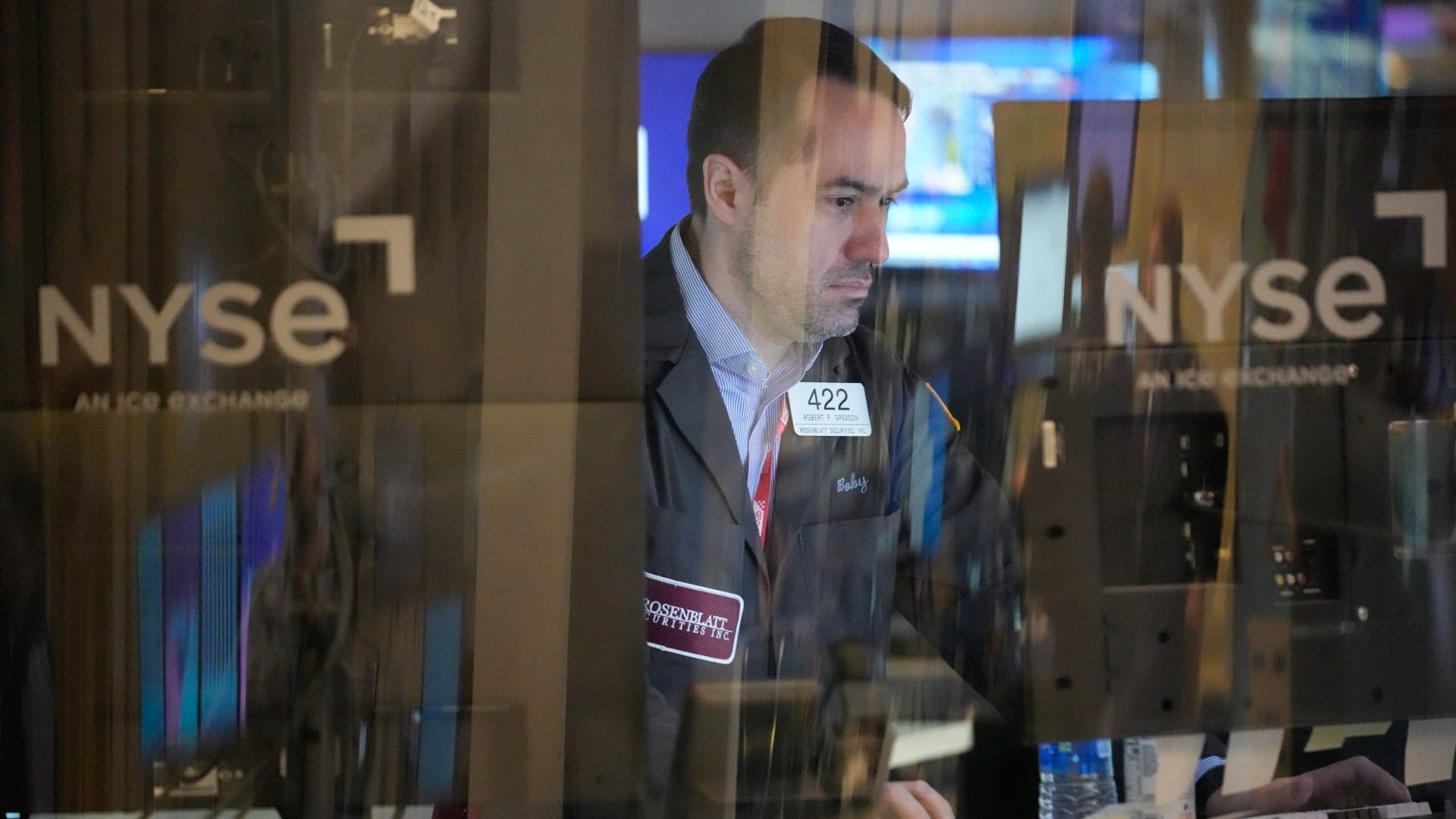
Wall Street edged lower Thursday, weighed down by a sharp drop for The Walt Disney Co. and flaring fears about the health of some U.S. banks.
The S&P 500 lost 7.02 points, or 0.2%, to 4,130.62, with two out of every three stocks in the index falling. The Dow Jones Industrial Average lost 221.82, or 0.7%, to 33,309.51, while the Nasdaq composite rose 22.06, or 0.2%, to 12,328.51.
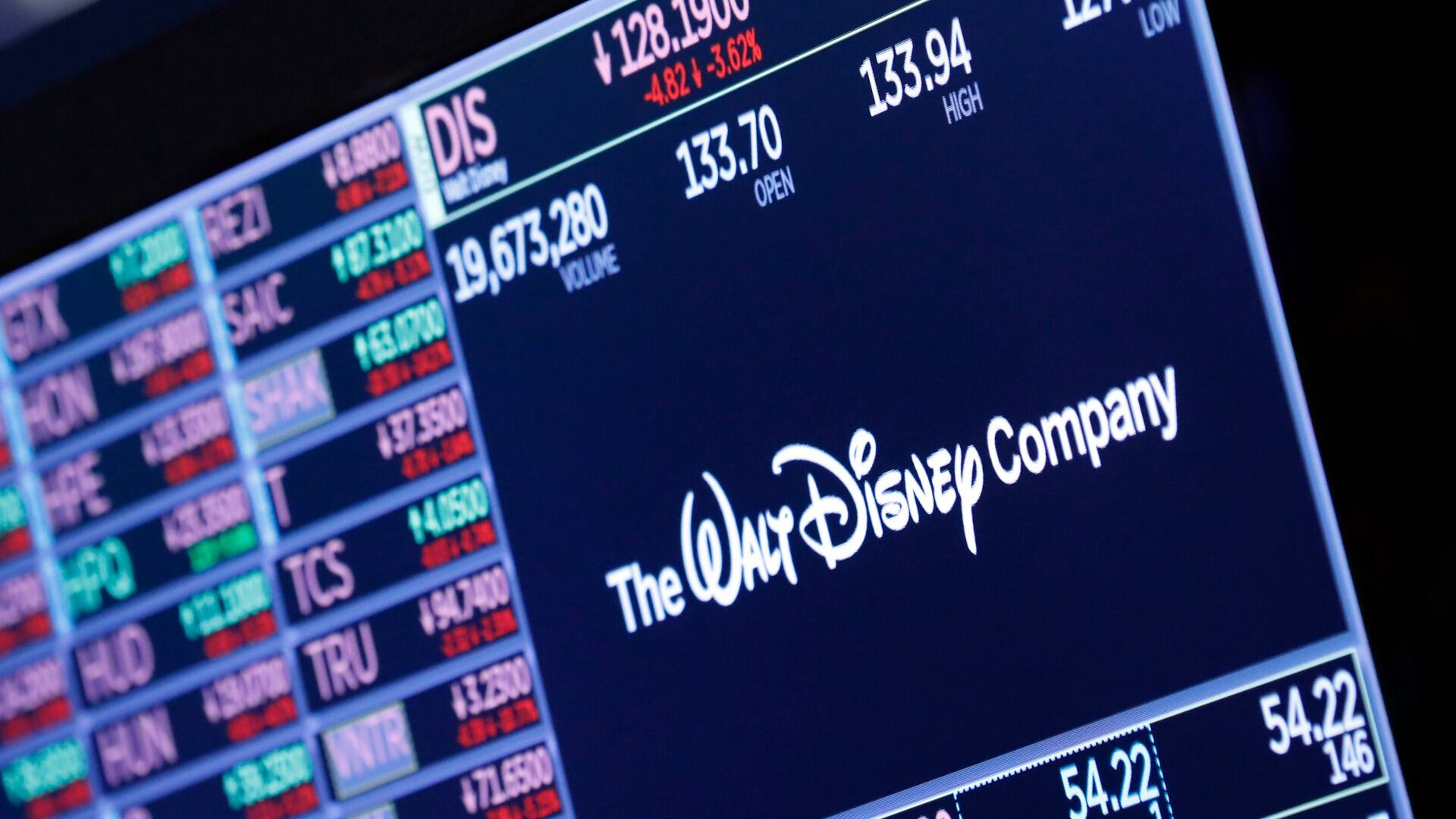
Disney was one of the heaviest weights dragging on the market. It dropped 8.7% after it said it lost streaming subscribers in the U.S. and Canada last quarter, surprising analysts. That was despite its earnings and revenue for the latest quarter roughly matching Wall Street’s forecasts.
Some banks beaten down by the industry’s mini-panic were also under heavy pressure again, and PacWest Bancorp sank 22.7% after saying it saw 9.5% of its deposits leave last week. It said the majority of the flight occurred in two days after news reports said the bank was talking with potential investors and partners, raising worries for its customers.
Investors have been hunting for the next possible victim in the U.S. banking industry after high interest rates helped lead to three high-profile failures since March.
Also falling was Peloton Interactive, which dropped 8.9%. It's offering free seat posts after recalling 2.2 million of its exercise bikes. The assembly can break while someone's riding it.
Helping to limit the losses for the overall market was a report showing inflation at the wholesale level was a bit cooler last month than economists expected. It followed a report from the prior day that showed inflation at the consumer level was also behaving largely as forecast.
The reports helped reaffirm expectations on Wall Street that the Federal Reserve will hold off on hiking interest rates again at its next meeting in June. That would be the first time that’s happened in more than a year.
The Fed has been hiking rates at a furious pace to get the worst inflation in decades under control. Inflation has come down from its peak last year, but high rates have also sent prices for investments tumbling, helped cause turmoil for the banking industry and slowed the economy enough that many investors are preparing for a recession later this year.
A separate report on Thursday said more workers filed for unemployment benefits last week than expected. That’s bad news for workers and adds to concerns about a potential recession because the job market has been one of the main pillars propping up the economy.
But a cooling labor market would also carry a benefit for the Fed, which fears that a too-hot job market could put upward pressure on inflation.
Following the reports, Treasury yields fell on expectations for a less aggressive Fed. Traders are betting on a high probability that the Fed will have to cut interest rates later this year. Rate cuts act like steroids for financial markets but would likely happen only if the economy slides into recession and needs such oomph.
The Fed, meanwhile, has said it’s unsure of its next move but does not anticipate rate cuts this year if things go as expected.
“While it’s encouraging to see inflation moderating and indications of easing labor conditions, investors should expect volatility with ongoing banking concerns and a still unresolved debt ceiling debate,” said Mike Loewengart, head of model portfolio construction at Morgan Stanley Global Investment Office.
For banks, the broader concern is that the industry's troubles may cause a pullback in lending, which would hurt the economy. In the meantime, the U.S. government is edging closer to a June 1 deadline where it could run out of cash unless Congress allows it to borrow more. Economists say a resulting default on the U.S. government's debt could be catastrophic for the economy.
The yield on the 10-year Treasury fell to 3.39% from 3.44% late Wednesday. It helps set rates for mortgages and other important loans. The two-year Treasury yield, which moves more on expectations for the Fed, slipped to 3.90% from 3.91%.
On the winning side of Wall Street was Robinhood Markets, which rallied 6.4% after reporting a smaller loss and better revenue for the latest quarter than expected. It also launched a way for advanced traders to make some kinds of trades 24 hours a day, five days a week.
In markets abroad, stocks in London slipped 0.1% after the Bank of England raised interest rates to their highest level since late 2008. The move was widely expected as inflation remains high in the U.K.
Stock indexes were mixed elsewhere across Europe and Asia, with most making only modest moves.
___
AP Business Writers Yuri Kageyama and Matt Ott contributed.