By Stan Choe
Wall Street held steady Monday ahead of a week full of reports on some of the market’s biggest worries, including how stubbornly high inflation remains across the economy.
The S&P 500 edged up by 1.87, or less than 0.1%, to 4,138.12 coming off its worst week in nearly two months. The Dow Jones Industrial Average slipped 55.69 points, or 0.2%, to 33,618.69, while the Nasdaq composite added 21.50, or 0.2%, to 12,256.92.
Besides a strong reading on U.S. jobs, which calmed worries about a possible recession but raised concerns about high inflation, last week was dominated by fears about smaller and mid-sized banks.
PacWest Bancorp rose 3.6% to recover some of its 43% plunge last week. It said on Friday night that it’s cutting its dividend to help it build its financial strength. Several other smaller- and mid-sized banks also rose, including a 0.6% tick higher for Western Alliance Bancorp.
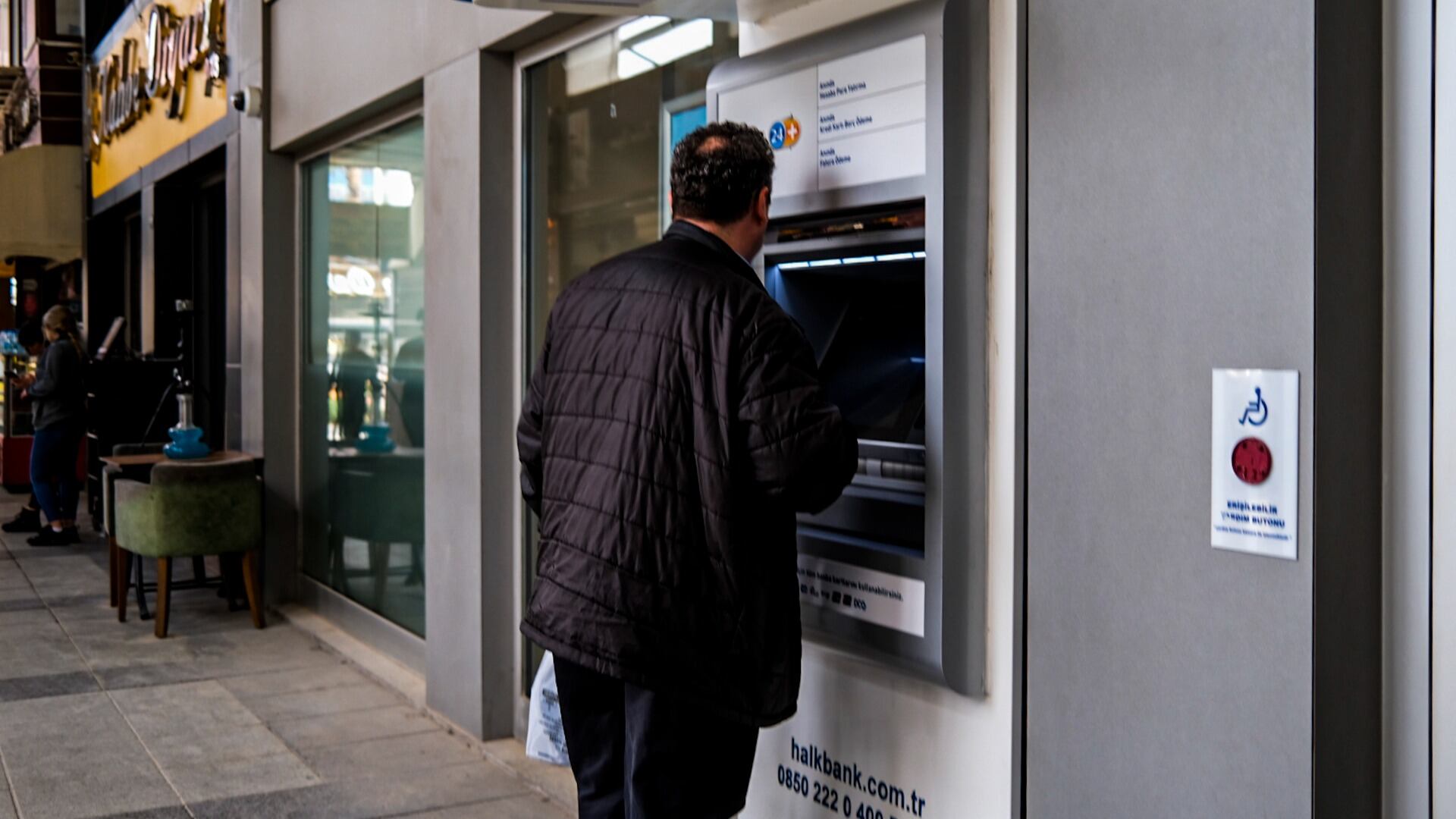
They’ve been under heavy pressure as Wall Street hunts for the next weak link following three U.S. bank failures since March. Weighed down by much higher interest rates, smaller and mid-sized banks are scrambling to assure Wall Street their deposits are secure and not at threat of seeing a sudden exodus, similar to the runs that toppled Silicon Valley Bank and others.
The larger concern for markets is that all the turmoil could cause banks to pull back on their lending. That in turn could raise the risk of a recession that many investors already see as highly likely.
A report from the Federal Reserve on Monday showed many banks tightened their lending standards during the first three months of the year. Not only that, the survey suggested banks widely expect to raise their standards over the course of 2023. Among the reasons some smaller and mid-sized banks gave for the forecast were wanting to take less risk and worries about deposit outflows.
Weighing down on Wall Street Monday were stocks of companies that turned in worse results for the latest quarter than expected.
Tyson Foods tumbled 16.4% after it reported a loss, instead of the profit that analysts had forecast. Its revenue also fell short of expectations.
So far this earnings reporting season, the trend has been to beat analysts' forecasts. Apple was last week's highlight, and its better-than-expected report helped the market immensely because its stock is Wall Street’s largest and packs the most weight on the S&P 500 and other indexes.
Six Flags Entertainment jumped 18.6% Monday after it reported a loss that wasn't as bad as analysts expected. It also said attendance was improving.
Expectations were broadly quite low, though, given high interest rates and a slowing economy. Like Apple, companies across the S&P 500 are on track to report a drop in profit for the latest quarter versus a year earlier.
In an encouraging signal, more companies than usual have been offering forecasts for upcoming results above Wall Street’s expectations. The ratio of such pre-announcements is at its strongest level in two years, equity strategist Savita Subramanian said in a BofA Global Research report, and analysts expect earnings growth to resume in the third quarter of this year.
That’s helped to steady stocks despite all the worries about much higher interest rates. The S&P 500 has been roughly churning in place since early April. It hasn’t had a weekly gain or loss of at least 1% since March, its longest stretch in nearly two years, said Chris Larkin, managing director, trading and investing, at E-Trade from Morgan Stanley.
The Federal Reserve has lifted its benchmark interest rate to a range of 5% to 5.25%, up from virtually zero early last year, in hopes of slowing high inflation. High rates do that by slowing the economy and hurting prices for investments, which runs the risk of causing a recession if they stay too high for too long.
The Fed said last week that it’s not sure of its next move, as swaths of the economy have shown sharp slowdowns but the job market remains largely resilient.
Also hanging over the economy is the threat of a default by the U.S. government on its debt.
Such an event would rock financial markets because U.S. Treasurys are seen as the safest possible investment in the world. Treasury Secretary Janet Yellen said on ABC’s “This Week” on Sunday that there are “no good options” for the United States to avoid an economic “calamity” if Congress fails to raise the nation’s borrowing limit of $31.381 trillion in the coming weeks.
In the bond market, the yield on the 10-year Treasury rose to 3.51% from 3.44% late Friday. It helps set rates for mortgages and other important loans.
The two-year Treasury, which moves more on expectations for Fed action, rose to 3.99% from 3.92%.
Later this week, the U.S. government will give the latest monthly updates on inflation at the consumer and wholesale levels. Earnings reports will also arrive from Duke Energy, The Walt Disney Co. and News Corp.
___
AP Business Writers Elaine Kurtenbach and Matt Ott contributed.