By Stan Choe
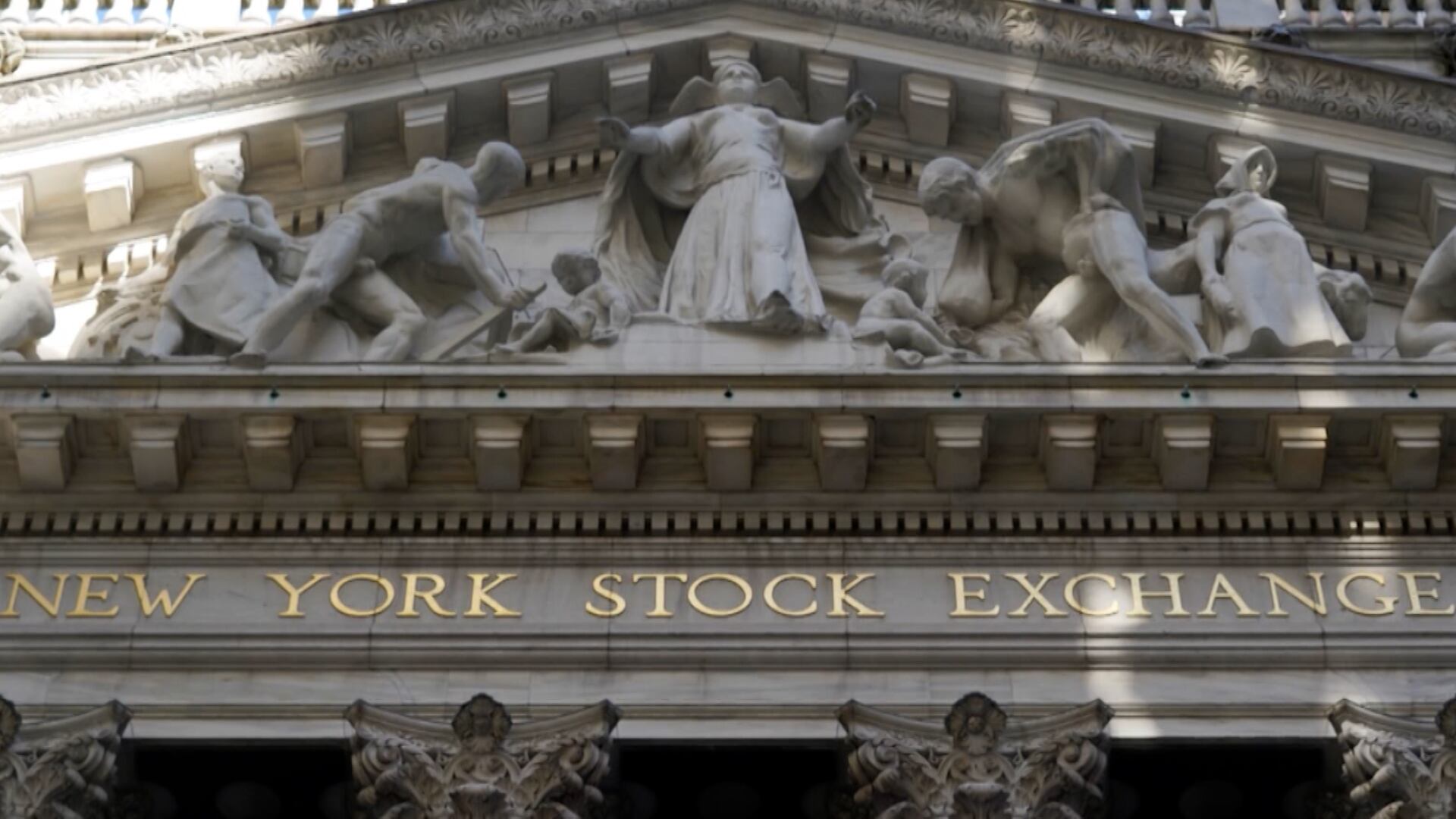
Wall Street tumbled Tuesday to its worst day in a month on worries about the strength of corporate profits and the economy following some mixed reports.
The S&P 500 fell 1.6% to break out of a weekslong lull. The Dow Jones Industrial Average dropped nearly 345 points, or 1%, while the Nasdaq composite sank 2%.
First Republic Bank had the biggest loss in the S&P 500 by far, and its stock nearly halved after it said customers withdrew more than $100 billion during the first three months of the year. That doesn’t include $30 billion in deposits that big banks plugged in to build faith in their rival after the second- and third-largest U.S. bank failures in history shook confidence.
The size of the drop in deposits renewed worries about the U.S. banking system and the risk of an economy-sapping pullback in lending. That overshadowed First Republic’s beating analysts’ expectations for earnings at the start of the year, and its sock plunged 49.4%.
The majority of companies so far this reporting season have been topping expectations, but the bar was set considerably low. Analysts are forecasting the worst drop in S&P 500 earnings since the spring of 2020, when the pandemic froze the global economy. That's why Wall Street is focused just as much, if not more, on what companies say about their future prospects as they do about their past three months.
WHY UPS WAS LOWER
UPS fell 10% after it met profit forecasts but said it made less in revenue than expected. It also said its revenue for the full year will likely come at the low end of its prior forecast, citing a challenging economy and other factors.
Danaher was another big weight on the market, falling 8.8% despite reporting better earnings and revenue than expected. Analysts pointed to its trimming back its forecast for a key revenue measure over the course of the year.
On the winning side, PepsiCo rose 2.3% after beating profit expectations. Homebuilder PulteGroup rose 1.7% after also topping forecasts.
TECH EARNINGS
The heart of earnings reporting season is approaching, and more heavy hitters arrived after trading closes for the day.
Microsoft and Google’s parent company, Alphabet, both rose in afterhours trading after reporting profits above expectations. Because they’re two of the biggest companies on Wall Street by market value, their stock movements carry extra weight on the S&P 500 and other market indexes.
Broad stock indexes had been making only modest moves so far this earnings reporting season. The S&P 500 barely budged last week and ticked up just 0.1% on Monday. But volatility strategists at Barclays said the calm was unlikely to last for the long term.
The economy is under stress from high interest rates meant to get inflation under control. High rates can stifle inflation, but only by putting the brakes on the entire economy and hurting investment prices. Big chunks of the economy outside the job market have already begun to slow or contract.
With so much uncertainty about whether inflation can return to the Federal Reserve's target without causing a recession, "we remain skeptical that markets are out of the woods," Barclays strategists led by Stefano Pascale said in a report. They also pointed to “the risk of something breaking” in the financial system because of high rates.
ECONOMY WORRIES
A report on Tuesday showed that confidence among consumers fell more sharply in April than expected, down to its lowest level since July. That's a discouraging signal when consumer spending makes up the biggest part of the U.S. economy.
A separate report was more encouraging, saying sales of new homes rose by more than expected. The housing industry has been under pressure because higher mortgage rates are squeezing buyers.
On Thursday, the U.S. will give its first estimate of how much the economy grew during the first three months of the year. Economists expect to see growth cooled to a 1.9% annual rate, down from 2.6% at the end of 2022.
Much of the slowdown is due to Fed's barrage of hikes to interest rates over the last year. The Federal Reserve meets next week, and much of Wall Street expects it to raise interest rates at least one more time before pausing.
Beyond higher interest rates, Wall Street is also worried that the struggles of the U.S. banking industry could tighten the brakes even further on the economy. First Republic said its deposits have stabilized since late March, but it's still working to cut expenses. If it and other banks pull back on lending, it could lead to lower growth across the economy.
All told, the S&P 500 fell 65.41 points to 4,071.63. The Dow dropped 344.57 to 33,530.83, and the Nasdaq fell 238.05 to 11,799.16.
In the bond market, the yield on the 10-year Treasury fell to 3.39% from 3.50% late Monday. It helps set rates for mortgages and other important loans.
The two-year yield, which moves more on expectations for Fed action, fell to 3.95% from 4.11%.
In markets overseas, stock indexes closed mostly lower in Europe and were mixed across Asia overnight.
——
AP Business Writers Joe McDonald and Matt Ott contributed.