By Damian J. Troise
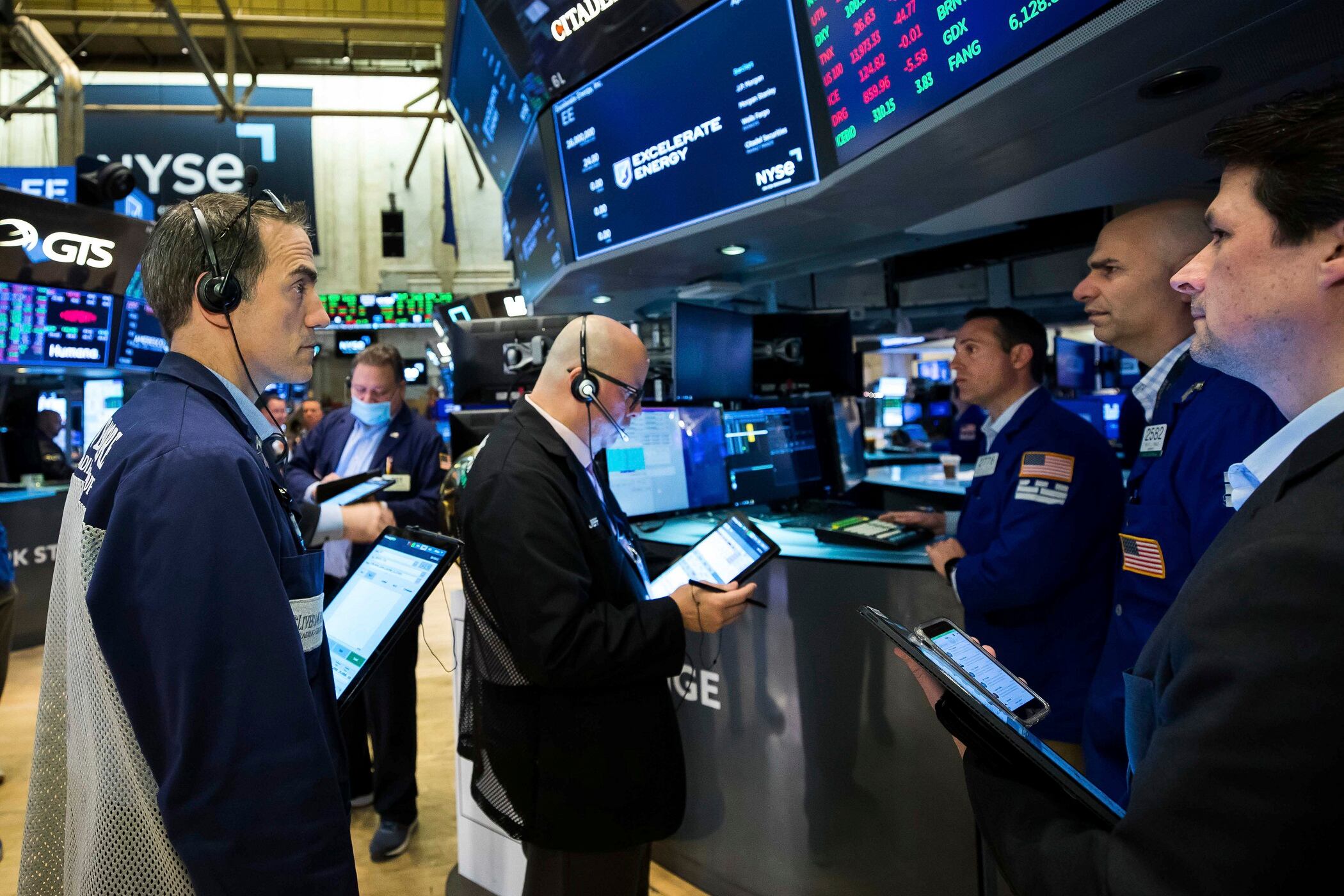
Stocks closed broadly higher on Wall Street Wednesday, ending a three-day losing streak as an upbeat report from Delta Air Lines sparked a rally for companies in the travel industry.
Investors brushed off yet another report showing that inflation remains widespread in the U.S. economy, and the broad gains helped trim weekly losses for most of the major indexes. The stock and bond markets face a shortened week and will be closed on Friday for the Good Friday holiday.
The S&P 500 index rose 49.14 points, or 1.1%, to 4,446.59. The benchmark index is coming off three straight losses brought on by persistent worries about inflation and the tough medicine the Federal Reserve is planning to use against it, higher interest rates.
The Dow Jones Industrial Average rose 344.23 points, or 1%, to 34,564.59 and the Nasdaq rose 272.02 points, or 2%, to 13,643.59.
Smaller company stocks outpaced the broader market in a sign that investors were confident about economic growth. The Russell 2000 index rose 38.17 points, or 1.9%, to 2,025.10 and is on track for a weekly gain.
Travel-related companies were among the biggest gainers after Delta reported strong revenue during its first quarter and solid bookings. The update is encouraging for the broader travel sector as airlines, cruise lines and hotels prepare for the summer vacation season.
Delta rose 6.2% and rival American Airlines jumped 10.6%. Rivals Southwest and United Airlines also gained ground. Cruise line operators Carnival and Royal Caribbean had solid gains, along with Expedia Group.
Technology stocks did a lot of heavy lifting. Pricey valuations for many of the bigger technology companies lend more weight to directing the broader market higher or lower.
Banks slipped following a disappointing earnings report from JPMorgan, which fell 3.2% after revealing a sharp drop in profits as it wrote down nearly $1.5 billion in assets due to higher inflation and the Russian-Ukrainian War.
Bond yields fell. The yield on the 10-year Treasury fell to 2.69% from 2.72%.
The Labor Department reported that the surging cost of energy pushed wholesale prices up a record 11.2% last month from a year earlier — another sign that inflationary pressure is widespread in the U.S. economy. That report comes a day after the department reported that consumer prices remain at their highest levels in generations.
“In the near term there’s a lot of focus on what the inflection point looks like and there’s confidence now that we’re seeing a peak,” said Yung-Yu Ma, chief investment strategist at BMO Wealth Management.
Inflation, while seemingly peaking, will likely stick around for awhile as cost pressures filter their way through the markets over the next few quarters, he said.
The persistently rising inflation has prompted the Federal Reserve to tighten its monetary policy in order to temper the impact of inflation on businesses and consumers. The central bank has already announced a quarter-percentage point rate hike and is expected to continue raising rates through the year.
The Fed revealed in the minutes from its latest meeting that it’s prepared to hike short-term rates by half a percentage point, double the usual amount, at some upcoming meetings, something it hasn’t done since 2000.
“The Fed wants to get to neutral or something close to it as quickly as possible,” Ma said. “The Fed is still in a bit of shell-shock reaction mode.”
Lingering concerns about inflation and rising interest rates have been worsened by Russia’s invasion of Ukraine. The conflict has made for volatile energy prices as oil supplies already remain tight amid rising demand. U.S. crude oil prices rose 3.6% and are up roughly 40% for the year. That has driven up gasoline prices and added to inflation’s hit on people’s wallets.
Companies in various industries have been raising prices to offset rising costs and maintain or increase their margins, but the constant pressure from inflation has managed to dent some operations. Bed Bath & Beyond fell 1.2% and is the latest company to warn investors about supply chain issues, saying that inventory problems continue to hurt sales.
Internet retail giant Amazon will add a 5% “fuel and inflation surcharge” to fees it charges third-party sellers who use the retailer’s fulfillment services as the company faces rising costs.
Investors will get more details on how companies and consumers are dealing with pressure from inflation in the coming days and weeks as more companies report their latest financial results. The Commerce Department on Thursday will release its retail sales report for March, which will show whether and where consumers are pulling back on spending.
The latest round of corporate earnings reports will continue on Thursday with releases from insurer UnitedHealth Group and banks Wells Fargo and Citigroup.
Updated on April 13, 2022, at 5:00 p.m. ET.