By Stan Choe
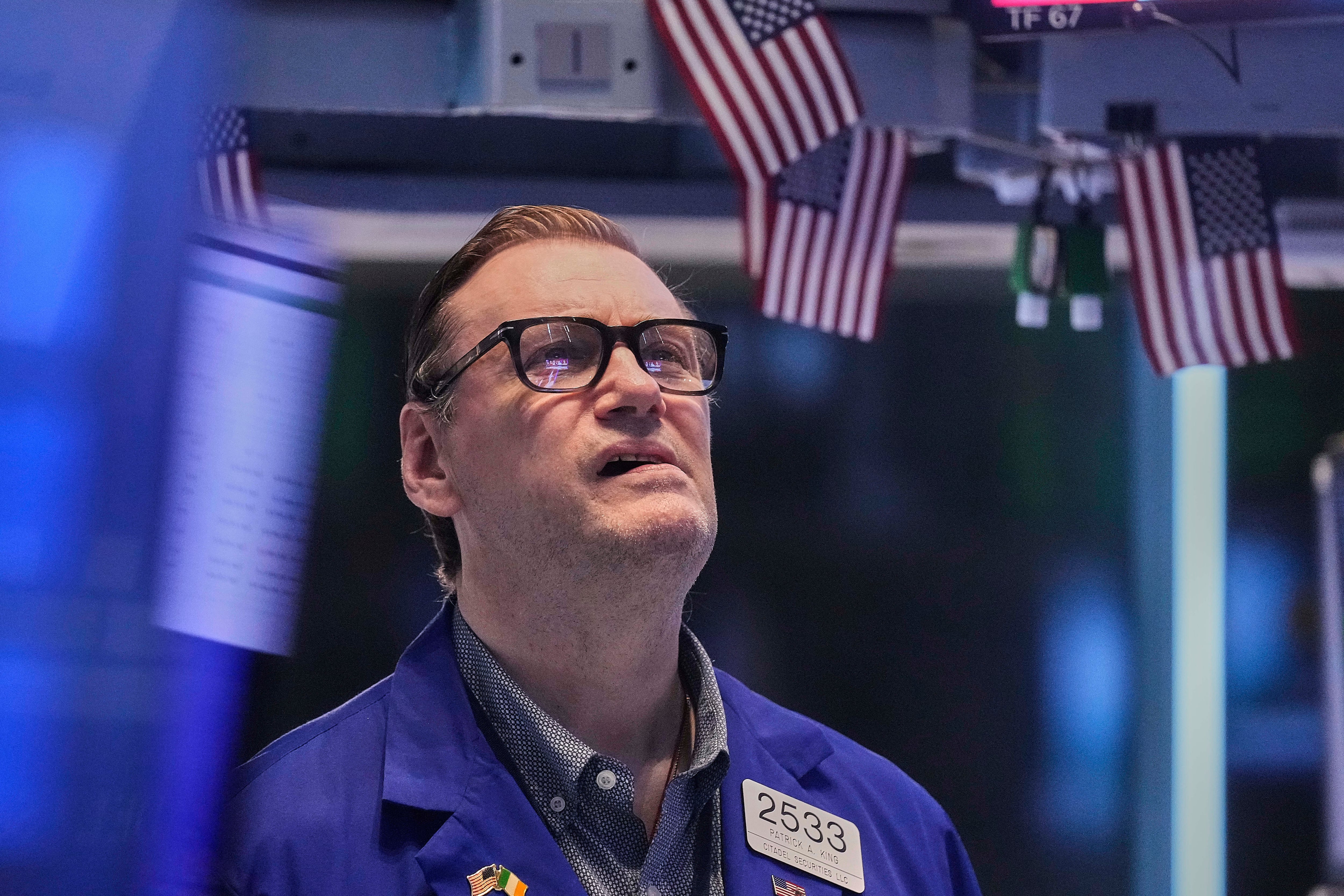
Stocks steadied on Wall Street Wednesday and closed with a mixed finish, a day after worries about interest rates sent them to one of their worst tumbles of the year.
The S&P 500 rose 5.64 points, or 0.1%, to 3,992.01. The Dow Jones Industrial Average fell 58.06, or 0.2%, to 32,798.40, while the Nasdaq composite added 45.67, or 0.4%, to 11,576.00.
They were coming off a sharp drop the prior day after the head of the Federal Reserve warned it could speed up its hikes to interest rates if pressure on inflation stays high. Such hikes can ease inflation by slowing the economy, but they also hit prices for stocks and other investments and raise the risk of a recession in the future.
The Fed’s chair, Jerome Powell, said again Wednesday that pressure on inflation appears to be running higher than earlier expected. But he also stressed much more strenuously than he did on Tuesday that the Fed hasn't made a decision yet on the size of its future hikes.
He said policy makers want to see what reports say in the run-up to their next meeting later this month. That gave some solace to the market, which shuddered a day earlier on fears the Fed was set to increase the size of its rate hikes.
“We’re not on a preset path, and we will be guided by the incoming data,” Powell said.
One report he highlighted in particular came out as he spoke Wednesday morning. It showed that the number of job openings advertised across the country last month remained higher than expected. Such data has become excruciatingly scrutinized on Wall Street because it can give a clue about where wages are heading for workers.
Strong wage gains are good for workers struggling to keep up with high inflation, but the Fed worries too-high growth could cause a vicious cycle that pushes inflation higher.
While the higher-than-expected number of job openings could spook markets, the report also showed some signs of easing pressure, including fewer Americans quitting their jobs.
A separate report Wednesday suggested hiring is still stronger across U.S. private employers than expected. It could offer a sneak peek of what another one of the reports highlighted by Powell could say. The U.S. government’s more comprehensive report on hiring is scheduled for Friday.
Last month, a jaw-dropping number for that report revved up worries on Wall Street that inflation may not be cooling as quickly and smoothly as hoped.
Besides that gangbusters jobs report, other data showed surprising strength in everything from spending by U.S. consumers to inflation itself at multiple levels. That caused stocks to drop and bond yields to jump in February.
Because of such strong data, Powell said rates will likely go higher than earlier expected. He also said the Fed may accelerate the pace of its hikes, a turnaround after it had just downshifted the size of its increases last month.
Expectations for a firmer Fed have been most clear in the bond market, where yields have shot higher in recent weeks.
The yield on the 10-year Treasury, which helps set rates for mortgages and other important loans, ticked up to 3.98% from 3.97% late Tuesday.
The yield on the two-year Treasury, which moves more on expectations for the Fed, rose to 5.05% from 5.02%. It's near its highest level since 2007.
Yields on shorter-term Treasurys remain far above those for Treasurys maturing many more years in the future. That’s an unusual occurrence and one that Wall Street sees as a fairly reliable signal for an upcoming recession.
Based on where traders are betting yields will be in the future, it appears the market is implying inflation will continue to run hot, the Fed will quickly ramp up rates and then will reduce them only gradually afterward, according to Jonathan Golub, chief U.S. equity strategist at Credit Suisse. He also said the bond market appears to be signaling a recession could begin in August 2025.
For the moment, the economy still looks resilient despite the hikes to interest rates the Fed has already thrown at it. The question is how long a strong job market and spending by U.S. consumers can prop up other weakening areas of the economy, especially if the Fed keeps rates higher for longer as it’s been warning.
On Wall Street, Tesla was one of the heaviest weights on the market after U.S. regulators received two complaints that the steering wheel can come off its Model Y SUV while being driven. It dropped 3%.
On the winning side was Campbell Soup, which rose 1.9% after reporting stronger profit and revenue for the latest quarter than expected.
___
AP Business Writers Yuri Kageyama and Matt Ott contributed.