By Damian J. Troise and Alex Veiga
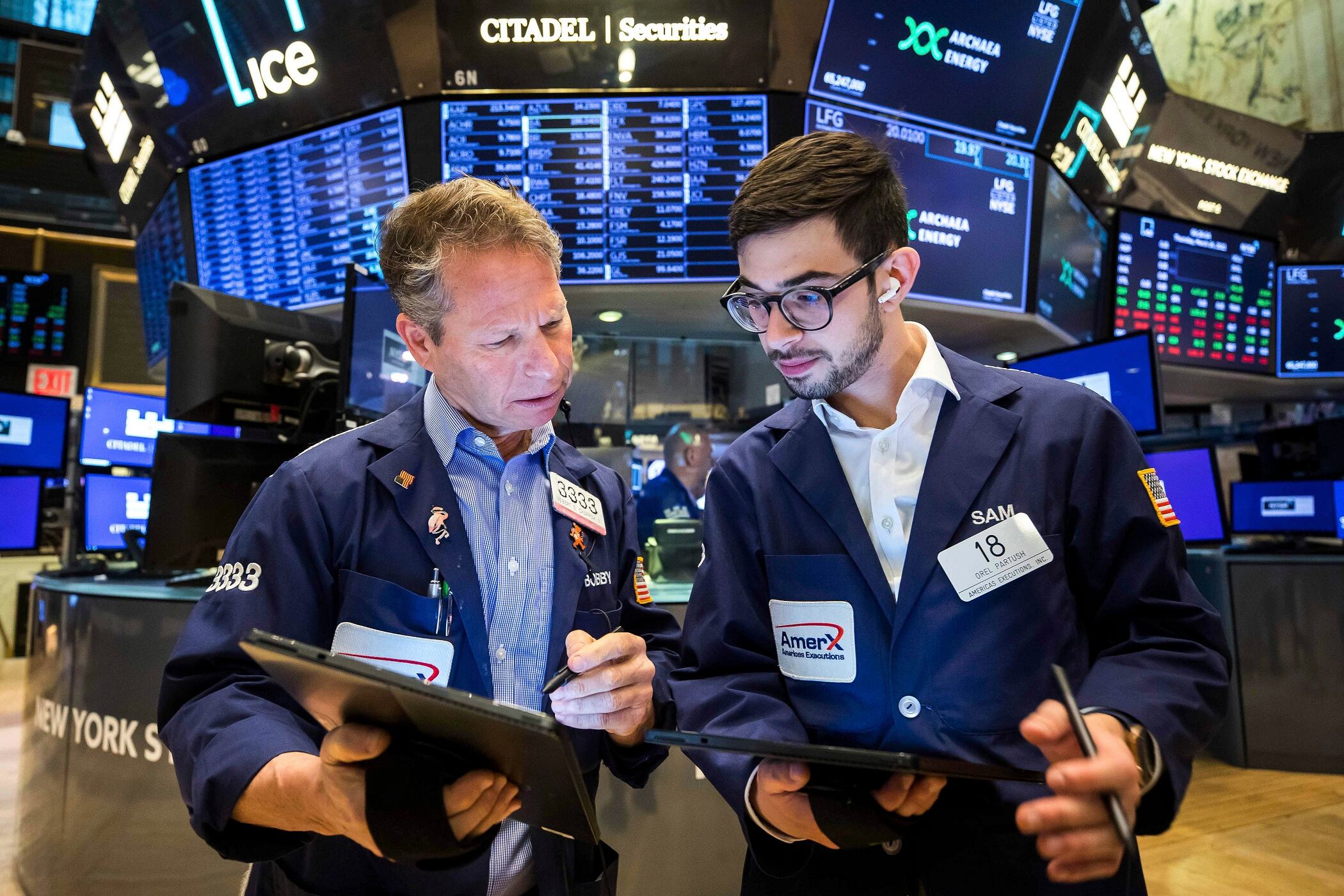
Technology companies led a broad rally for stocks on Wall Street Thursday, reversing most of the major indexes' losses from a day earlier and extending the market's recent run of uneven trading.
The S&P 500 rose 1.4%, more than making up for its pullback a day earlier. More than 85% of the stocks in the benchmark index rose. The Dow Jones Industrial Average gained 1%, while the tech-heavy Nasdaq composite climbed 1.9%.
The latest gains pulled the S&P 500 out of the red for the week. The Nasdaq is also on pace for a weekly gain, while the Dow is down slightly for the week after the indexes alternated between gains and losses over the past few days.
“There’s a little bit of tug-of-war right now ... and investors are just looking for direction,” said Darrell Cronk, chief investment officer for wealth & investment management at Wells Fargo.
The S&P 500 rose 63.92 points to 4,520.16, while the Dow gained 349.44 points to 34,707.94. The Nasdaq climbed 269.23 to 14,191.84.
Small company stocks also rallied. The Russell 2000 rose 23.24 points, or 1.1%, to 2,075.44.
Technology stocks accounted for the biggest share by far of the gains in the S&P 500, followed closely by communication companies. Many Big Tech companies have outsized values that tend to sway the broader market in either direction. Chipmaker Nvidia vaulted 9.8% for the biggest gain in the S&P 500. Facebook parent, Meta, rose 2.9%.
Health care stocks also had some of the strongest gains. Insurers UnitedHealth Group rose 2% and Anthem gained 2.5%.
Stocks indexes have been up-and-down after coming off a strong rally last week. Investors are trying to gauge how the economy and corporate profits will be affected this year as the Federal Reserve moves to raise interest rates in order to tame surging inflation.
Russia’s invasion of Ukraine has added more uncertainty to the global economic outlook, driving energy and other commodity prices higher. The fluctuation in energy prices has been one factor pushing and pulling the broader stock market.
Crude oil prices slipped Thursday after jumping a day earlier. U.S. benchmark crude oil fell 2.3% to settle at $112.34 per barrel. A barrel of Brent crude, the international standard, fell 2.1% to settle at $119.03. Overall, global oil prices are up more than 50% in 2022 on persistently rising inflation and concerns about crimped supplies because of Russia's invasion of Ukraine.
Investors around the world had their eye on NATO and European leaders, which held a summit Thursday. G-7 nations are restricting the Russian Central Bank’s use of gold in transactions and the U.S. announced new sanctions against Russian individuals and entities.
Dozens of nations, including the U.S. and much of Europe, say they’re united in seeking to “radically” reduce imports of Russian oil and gas.
Sanctions have so far gutted the Ruble's value and prompted Russia's stock exchange to close nearly a month ago. The exchange reopened Thursday under heavy restrictions to prevent the kind of massive selloff that occurred in anticipation of crushing financial and economic sanctions from Western nations.
Wall Street is monitoring the latest developments on the conflict as it tries to determine how much it could worsen inflation and potentially crimp global economic growth. Businesses and consumers have been facing increasing costs for materials and goods which has prompted central banks to raise interest rates in order to temper the impact from inflation.
Bond yields have been rising overall as the market prepares for higher interest rates. The yield on the 10-year Treasury rose to 2.36% from 2.31% late Wednesday.
“Markets are clearly signaling a deceleration in GDP growth and earnings growth,” Cronk said.
Investors received an encouraging update on the labor market's continued recovery. The number of Americans applying for unemployment benefits last week fell to its lowest level in 52 years. The upbeat report adds to data earlier this month that showed employers added a robust 678,000 jobs in February, the largest monthly total since July.
Updated on March 24, 2022, at 4:56 p.m. ET.