By Damian J. Troise and Alex Veiga
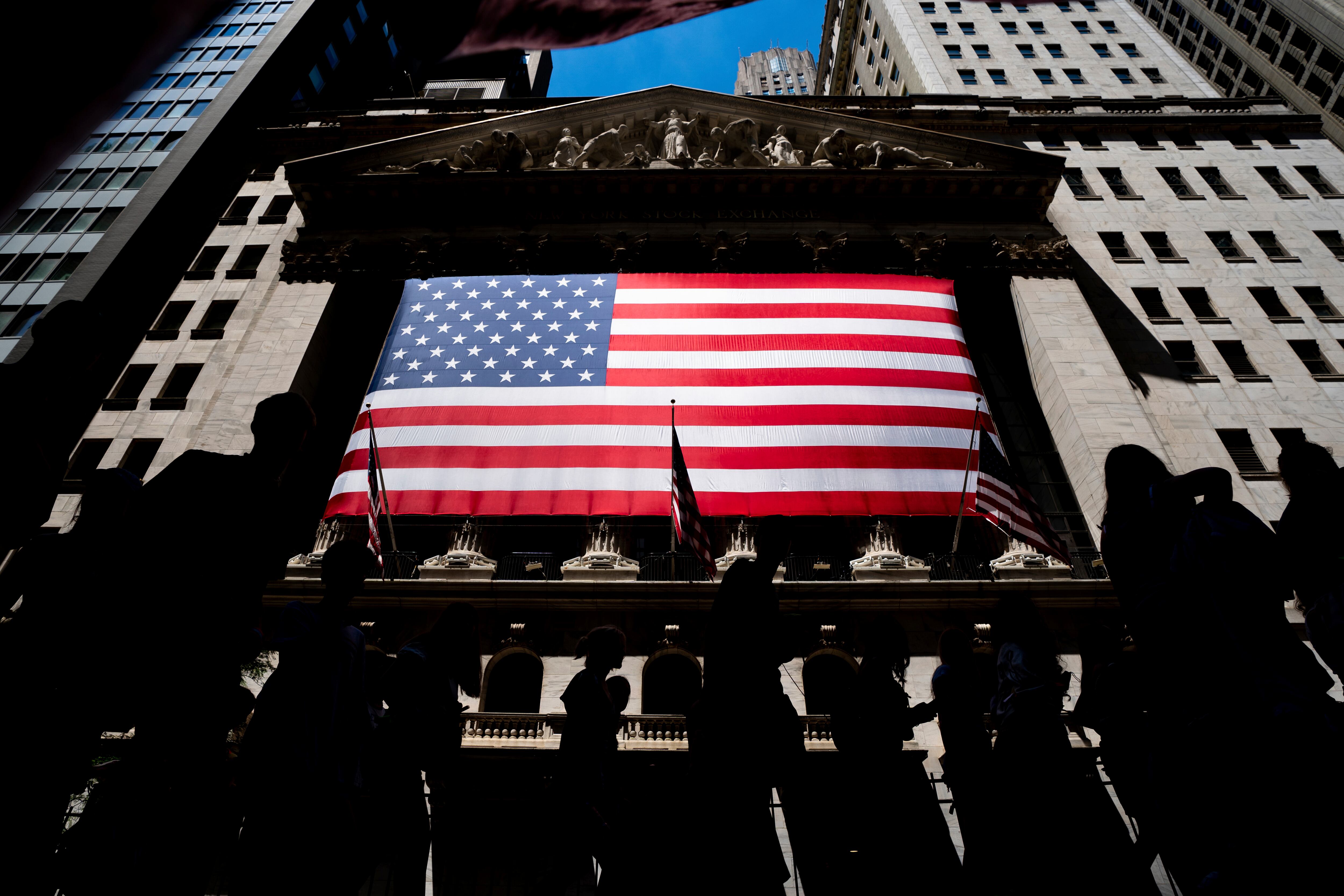
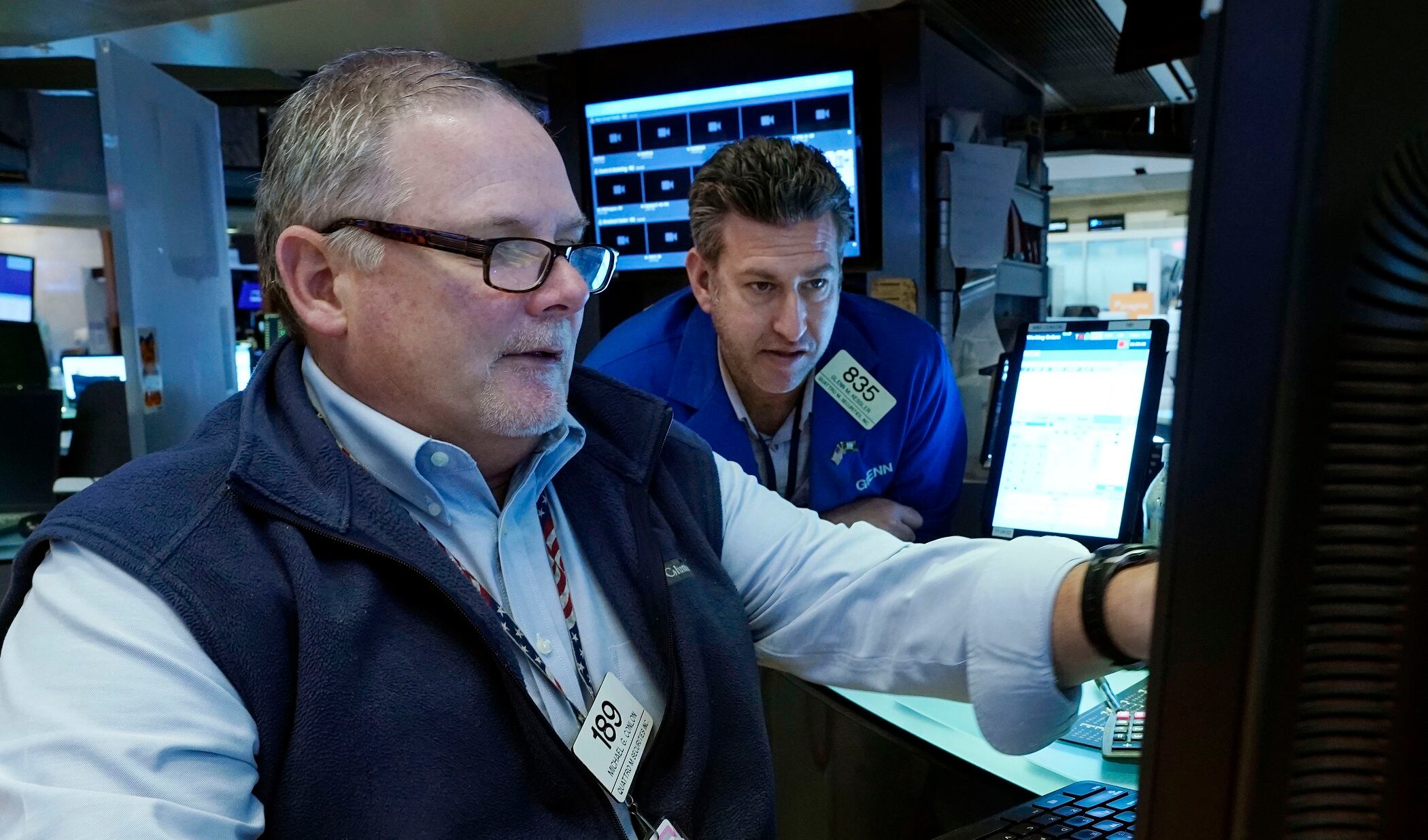
Stocks reversed an afternoon fade and closed broadly higher Wednesday after the Federal Reserve announced its first interest rate hike since 2018.
As Wall Street largely anticipated, the central bank announced it was increasing its key short-term rate by 0.25 percentage points. The Fed, which has kept its rate near zero since the pandemic recession struck two years ago, also signaled potentially up to seven rate hikes this year.
The move marks a shift in policy by the Fed away from maintaining ultra-low interest rates as it seeks to tame inflation, which is running at the highest level since the early 1980s. Rate hikes eventually result in higher loan rates for many consumers and businesses.
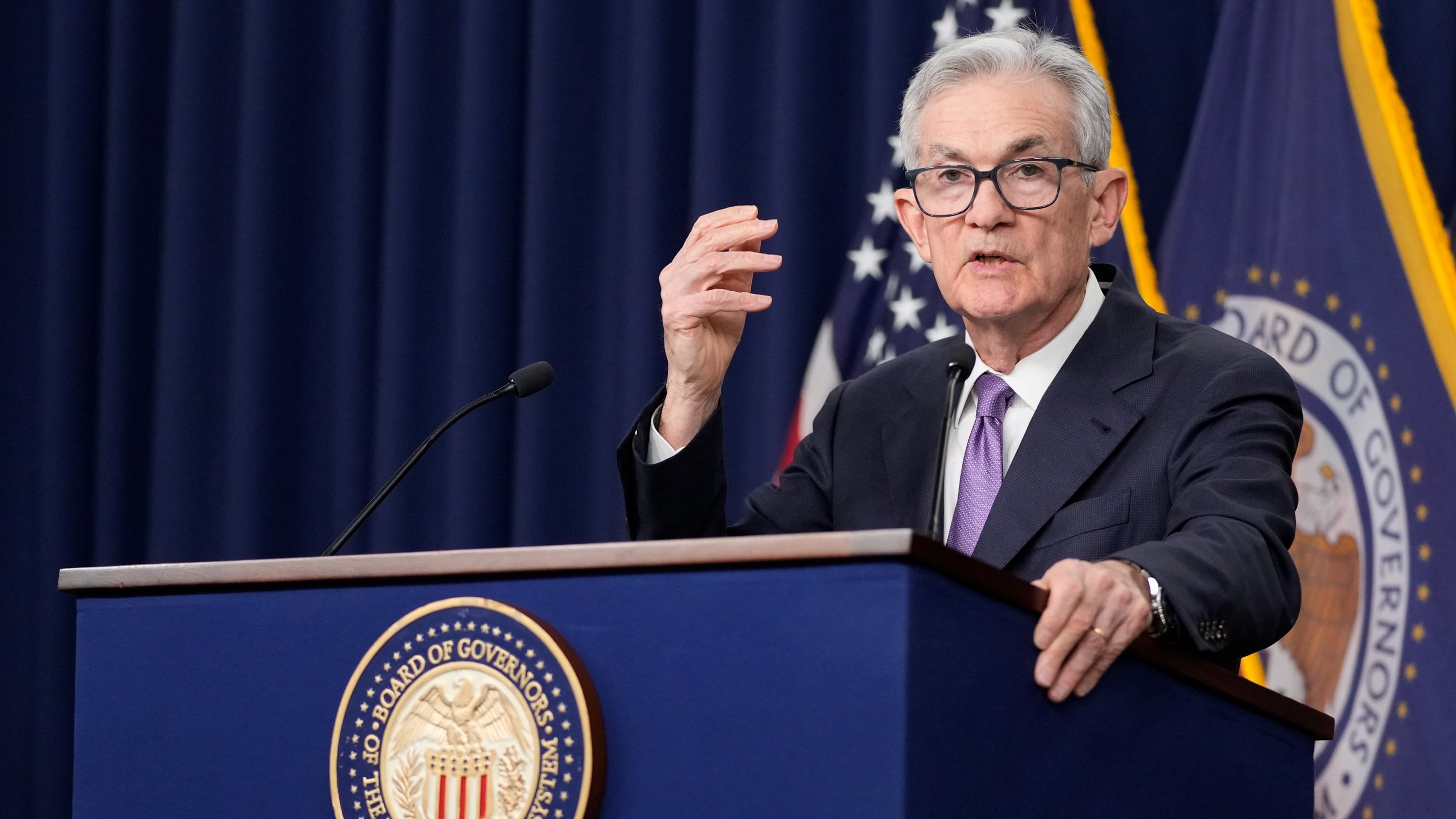
Stocks lost most of their early gains and bond yields rose sharply shortly after the 2 p.m. Eastern release of the Fed's latest policy statement. The indexes wavered as Fed Chair Jerome Powell delivered remarks during a press conference before surging in the final hour of trading.
The S&P 500 rose 2.2%, the Dow Jones Industrial Average gained 1.5% and the Nasdaq composite climbed 3.8%, its biggest gain since November 2020.
Bond yields rose sharply after the Fed’s announcement. The yield on the 10-year Treasury rose to 2.20%, then hovered at 2.17% by late afternoon. It was at 2.15% late Tuesday. The 2-year Treasury yield rose to 2% then eased back to 1.94%, still a big move from 1.85% a day earlier.
“The market got what it expected,” said Randy Frederick, vice president of trading & derivatives at Charles Schwab. “Interest rates need to be higher. Inflation needs to be under control, and the risk to everything is a lot greater from high inflation than it is from high interest rates.”
The Fed is trying to slow the economy enough to tamp down the high inflation sweeping the country, but not so much as to trigger a recession. It is part of a larger movement by central banks around the world to pull the plug on the support they poured into the global economy after the pandemic struck.
Inflation has hit its highest level in generations as the global economy recovers. Economists worry that could eventually curtail spending and hurt growth. The latest retail sales report from the Commerce Department shows that Americans slowed their spending in February on gadgets, home furnishings and other discretionary items as higher prices for food, gasoline, and shelter are eating up more of their wallet.
In remarks after the release of the central bank's statement, Powell noted that before the Russian invasion of Ukraine he had expected inflation would stabilize within the first three months of this year. He now believes inflation will come down in the second half of the year.
“We are now seeing short-term upward inflation in oil prices, other commodities prices," he said. “You’re seeing supply chains around shipping and lots of countries and companies not wanting to touch Russian goods —- that means more tangled supply chains.”
The S&P 500 rose 95.41 points to 4,357.86. The Dow added 518.76 points to 34,063.10. The Nasdaq gained 487.93 points to 13,436.55.
Small company stocks also notched solid gains. The Russell 2000 index rose 61.75 points, or 3.1%, to 2,030.72.
A list of concerns including inflation have made for volatile markets over the last few weeks. Stocks have been swaying sharply on a daily, sometimes hourly basis. That volatility will likely remain until investors get a better sense of where the economy is headed.
“It’s not uncommon for hiking cycles to spook stocks,” said Gargi Chaudhuri, head of iShares Investment Strategy Americas. “But as the path forward becomes clearer, most sectors in the S&P 500 index muster positive returns in the year that follows the first hike."
Even so, the combination of higher rates and inflation represent a risk for the economy, noted Chris Zaccarelli, chief investment officer for Independent Advisor Alliance.
“The stock market is vulnerable to the dual threats of too-high inflation, which will put a damper on corporate profits and consumer demand, and too-high interest rates, which could cause a recession,” he said.
Oil prices have mostly surged since late February amid concerns that the conflict in Ukraine will squeeze energy markets. Benchmark U.S. crude fell 1.5%, a relatively subdued move considering the gigantic swings it has made recently. Prices are up nearly 30% for the year, and the recent surge has pushed gas prices in the U.S. to record highs. That has increased concerns that inflation could worsen.
Technology stocks, banks, retailers and other companies that rely on consumer spending accounted for much of the S&P 500's gains as investors shifted money into sectors that are considered riskier. Microsoft rose 2.9%, JPMorgan Chase added 4.5% and Amazon.com gained 3.9%. Energy companies and traditionally safe-play stocks, such as utilities, lagged the broader market.
Updated on March 16, 2022, at 4:41 p.m. ET.