By Stan Choe and Alex Veiga
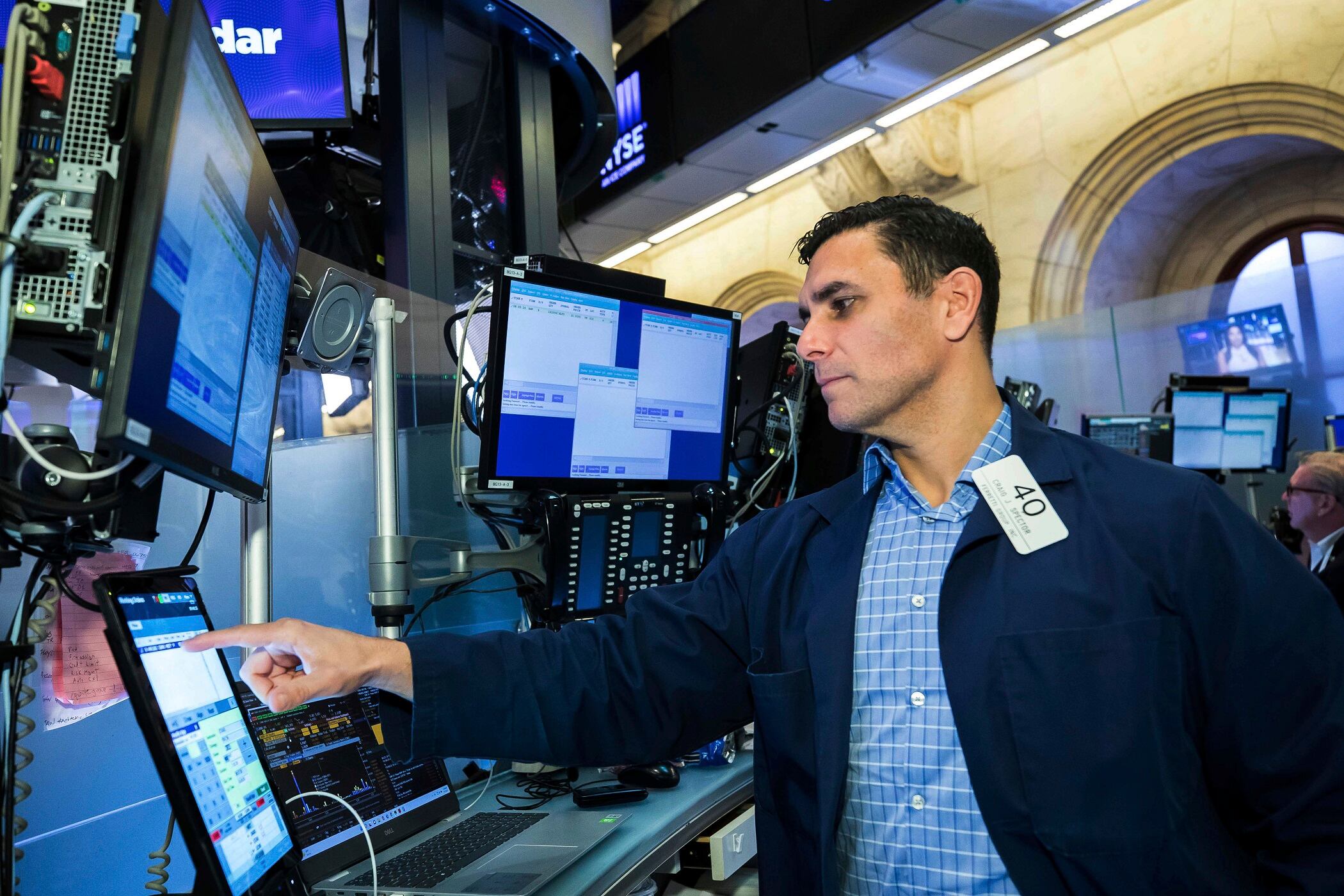
Technology companies led stocks broadly higher on Wall Street Tuesday, as oil prices slid sharply for the second day and inflation worries ebbed. The market rally came a day ahead of the Federal Reserve's highly anticipated interest rate policy update.
The S&P 500 rose 2.1%, ending a three-day losing streak, after a report showed inflation’s rapid acceleration paused at the wholesale level last month. The Dow Jones Industrial Average rose 1.8% and the tech-heavy Nasdaq composite rose 2.9%.
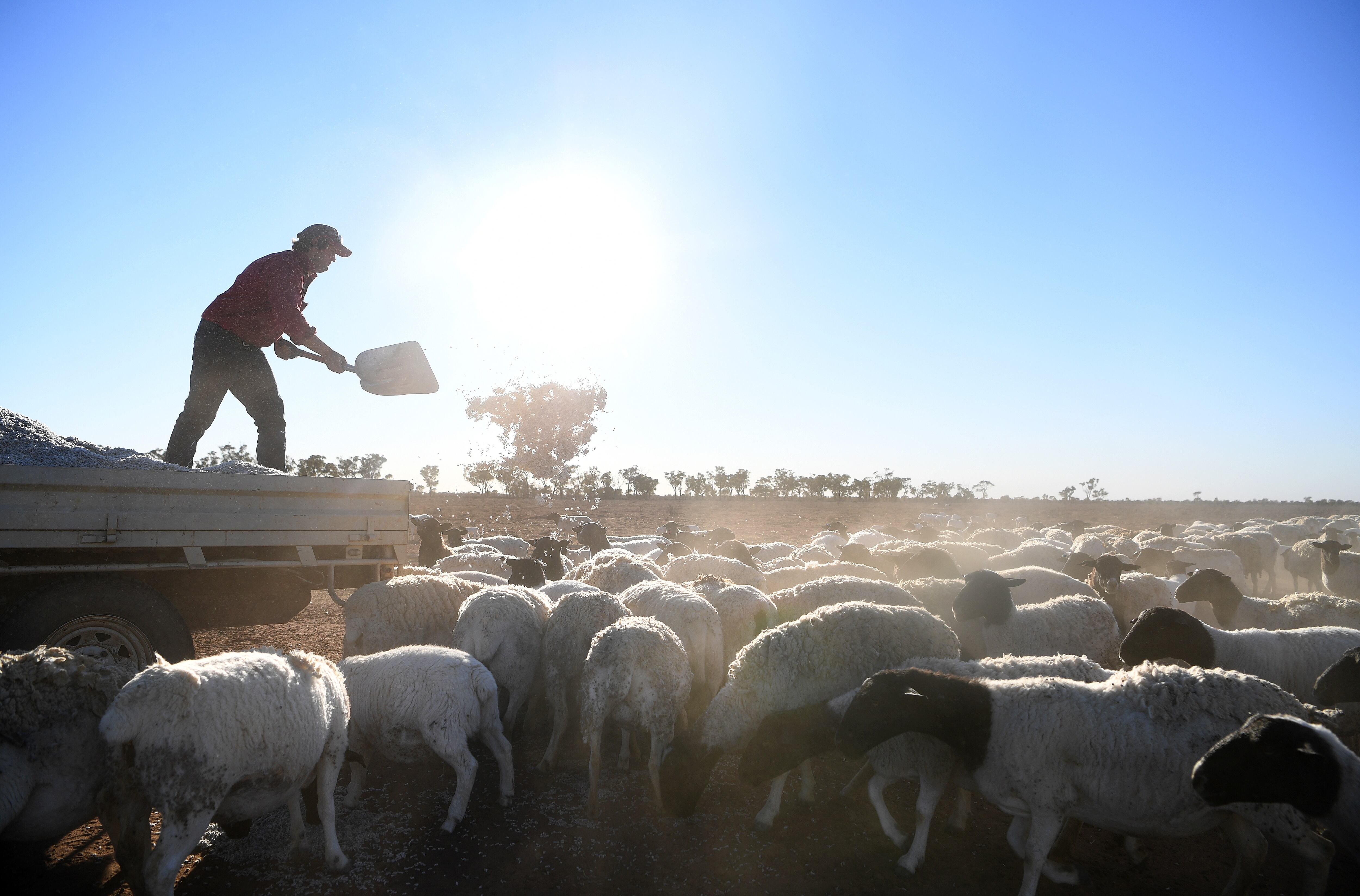
The wilder action was in oil and Asian stock markets, where tightened anti-COVID measures in China are raising worries about demand for energy and about disruptions to manufacturing and global trade. Oil prices tumbled more than 6%, taking some pressure off the world's high inflation, and a barrel of U.S. crude fell below $97 after starting the week above $109. Stocks in Hong Kong sank more than 5% for a second straight day after the neighboring city of Shenzhen was ordered into a shutdown.
Renewed COVID-19 worries come on top of a lengthy list of concerns for markets, which have caused wild hour-to-hour swings in recent weeks. The war in Ukraine catapulted prices for oil, wheat and other commodities the region produces. That’s raising the threat that already high inflation will persist and combine with a potentially stagnating economy.
Some cautious optimism about the latest round of talks between Russia and Ukraine may have helped put traders in a buying mood. Ukrainian presidential aide Ihor Zhovkva said discussions via video held by representatives of the two nations Tuesday were “more constructive,” noting that Russia has stopped airing its demands for Ukraine to surrender.
“If ever so slight, at least there’s still building optimism regarding Ukraine, combined with optimism regarding inflation, oil in particular, and optimism that the Fed will not be more hawkish than is already built into the market,” said Sam Stovall, chief investment strategist at CFRA.
The S&P 500 rose 89.34 points to 4,262.45. The Dow gained 599.10 points to 33,544.34, and the Nasdaq rose 367.40 points to 12,948.62.
Smaller company stocks also gained ground. The Russell 2000 index rose 27.25 points, or 1.4%, to 1,968.97.
Central banks around the world are preparing to pull the plug on the support they poured into the global economy after the pandemic struck. The Fed began a two-day meeting on interest rates, and the wide expectation is that it will announce on Wednesday an increase of 0.25 percentage points to its key short-term rate.
That would be the first increase since 2018, pulling it off its record low of nearly zero, and likely the first in a series of rate hikes. The Fed is trying to slow the economy enough to tamp down the high inflation sweeping the country, but not so much as to trigger a recession.
Inflation is already at its highest level in generations, and the most recent numbers don’t even include the surge in oil prices that occurred after Russia invaded Ukraine.
Data released Tuesday showed inflation was still very high at the wholesale level last month, but at least it wasn't accelerating. Producer prices were 10% higher in February from a year earlier, the same rate as in January. On a month-to-month basis, inflation rose 0.8% in February from January, versus forecasts for 0.9%. That’s a slowdown from January’s 1.2% month-over-month inflation.
So the numbers are still very high and will keep the Fed on track to raise rates on Wednesday, economists said, but at least they weren't worse than expected.
A separate survey by the Federal Reserve Bank of New York showed that manufacturing in the state declined for the first time since early in the pandemic. A weakening economy could make the Federal Reserve less aggressive about raising rates.
Treasury yields dipped immediately after the reports, then edged higher by afternoon. The yield on the 10-year Treasury rose to 2.15% from 2.14% late Monday. The two-year yield, which moves more on expectations for Fed policy changes, fell to 1.86% from 1.87%.
Also helping to pull down yields were the tumbling oil prices. A barrel of U.S. crude dropped 6.4% to settle at $96.44. It had briefly topped $130 last week when worries about disruptions to supplies because of the war in Ukraine were at their height. Brent crude, the international standard, fell 6.5% to settle at $99.91 per barrel.
A reprieve on fuel prices helped a wide variety of stocks, and the majority of companies in the S&P 500 were rising. Airlines led the way after several raised their forecasts for revenue this quarter. American Airlines, Delta Air Lines and United Airlines all soared 8% or more.
Tech and other high-growth stocks also recovered some of their earlier losses as Treasury yields fell. Higher interest rates can hurt such stocks more than others because they're seen as more expensive relative to their earnings.
In overseas stock markets, European indexes were down modestly. Stocks in Shanghai slumped 5% and Hong Kong's Hang Seng lost 5.7% despite the release of data showing strong increases in Chinese retail sales, industrial production and investment in January-February. It followed a decision by China's central bank not to ease interest rates to spur economic growth.
Shares in Hong Kong have sunk to near six-year lows after the neighboring city of Shenzhen was ordered into a shutdown to combat China’s worst COVID-19 outbreak in two years.
“Fears continue to dog stock markets that lockdowns could spread, which would severely impact China's growth," Jeffrey Halley of Oanda said in a commentary.
In other developments, the London Metal Exchange said trading in nickel will resume Wednesday, just over a week after it was suspended when the price of the metal skyrocketed to over $100,000 per ton.
The announcement followed a notice from Tsingshan Holding Group, a Chinese metals giant, that it had struck a deal with its creditors on a “standstill arrangement” such that the banks would not make margin calls or close out their positions against the company while it is resolving its nickel margin and settlement requirements.
Russia is the world’s No. 3 producer of nickel. Its price and that of many other commodities has surged on speculation over possible disruptions to supplies as Russia contends with widening economic sanctions following its invasion of Ukraine.
___
AP Business Writer Elaine Kurtenbach and Damian J. Troise contributed. Veiga reported from Los Angeles.
Updated on March 15, 2022, at 4:56 p.m. ET.