By Stan Choe
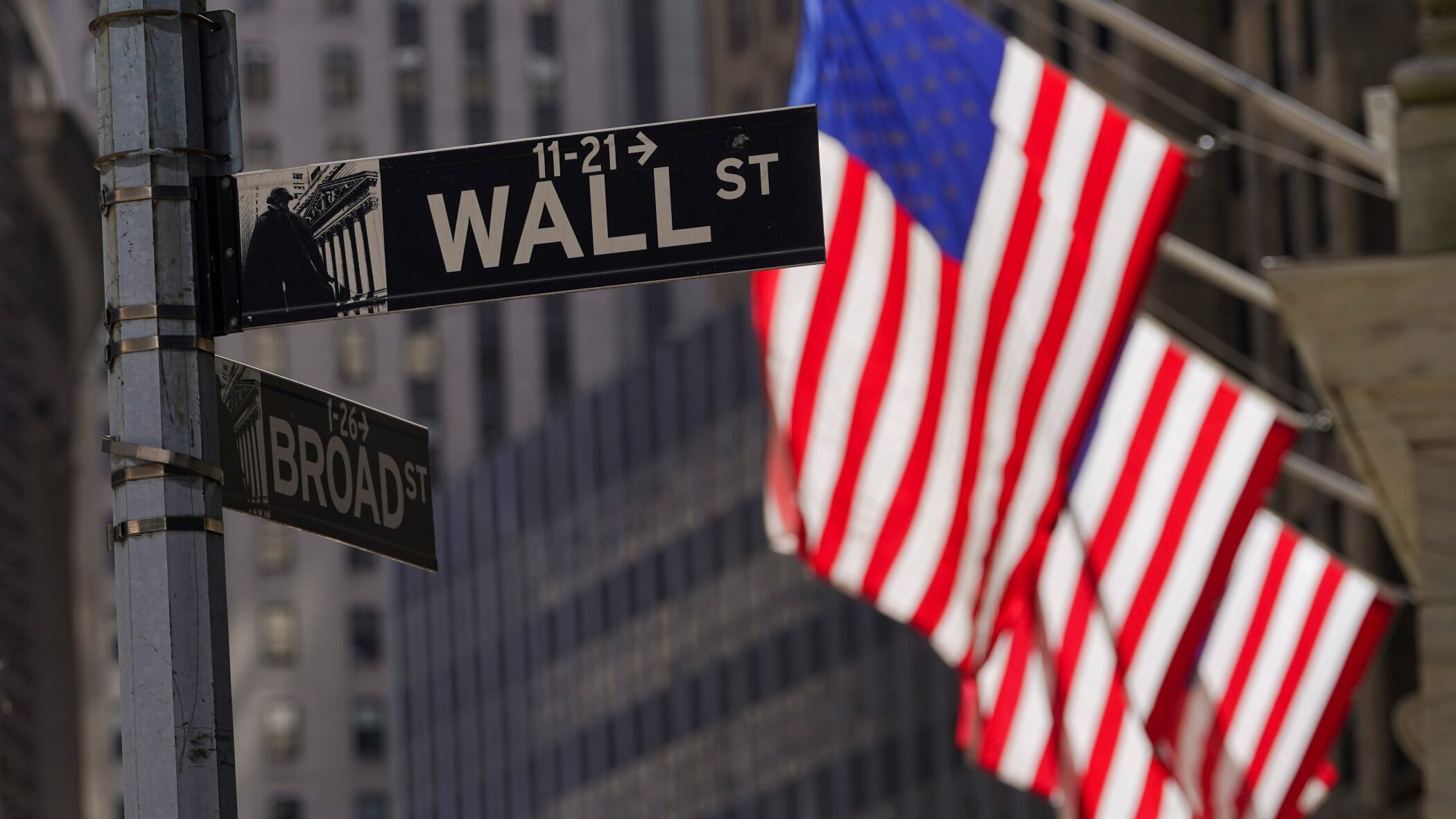
A frigid February for Wall Street closed out with more losses on Tuesday.
The S&P 500 fell 0.3% to lock in a loss of 2.6% for the month. The Dow Jones Industrial Average fell 232 points, or 0.7%, while the Nasdaq composite slipped 0.1%. Both also sank over the month.
After a strong start to the year bolstered by hopes that inflation was on the way down, Wall Street shifted into reverse in February. A stream of data showed inflation and the overall economy are remaining more resilient than expected. That’s forced investors to raise their forecasts for how high the Federal Reserve will take interest rates and how long it will keep them there.
High rates can drive down inflation, but they also raise the risk of a recession down the line because they hurt the economy. They also drag on prices for stocks and other investments.
After earlier this year hoping that the Fed could soon pause its aggressive hikes to interest rates, and maybe even begin cutting them late this year, traders have come around to believe the Fed’s long insistence that it plans to take rates higher for longer to ensure the job is done on inflation.
The Fed has said it wants rates to climb to a “sufficiently restrictive” level where the economy slows enough to get inflation down to its 2% goal.
“Everything is sort of churning,” said Thomas Martin, senior portfolio manager at Globalt Investments. “Right now, the economy is doing fairly well, but earnings estimates for 2023 for the S&P 500 are continuing to drift lower. So you’re still moving in a softening direction. It’s just: How close do you get to the ground?”
He has raised his forecast for how high the Fed will ultimately raise rates, but he also said it’s difficult to feel a great amount of certainty given all the push and pull.
“What everyone’s hoping for is that they are restrictive but not destructive,” Martin said of the Fed and rate hikes. “Where we end up, there’s just a wide range of outcomes.”
Many investors now see the Fed hiking its key overnight interest rate up to at least 5.25%, if not higher, and keeping it there through the end of the year. The Fed’s rate is currently set in a range of 4.50% to 4.75% after starting last year at virtually zero.
The heightened expectations for rates sent yields jumping in the bond market. The yield on the 10-year Treasury held steady at 3.92% Tuesday. It helps set rates for mortgages and other loans that shape the economy’s health, and still near its highest level since November.
The two-year yield, which moves more on expectations for Fed action, ticked up to 4.81% from 4.78%. It’s near its highest level since 2007.
Worries about rates have caused the S&P 500’s gain for the year to more than halve. It was up as much as 8.9% in early February, the day before a report showed U.S. employers hired nearly a third of a million more people in January than expected.
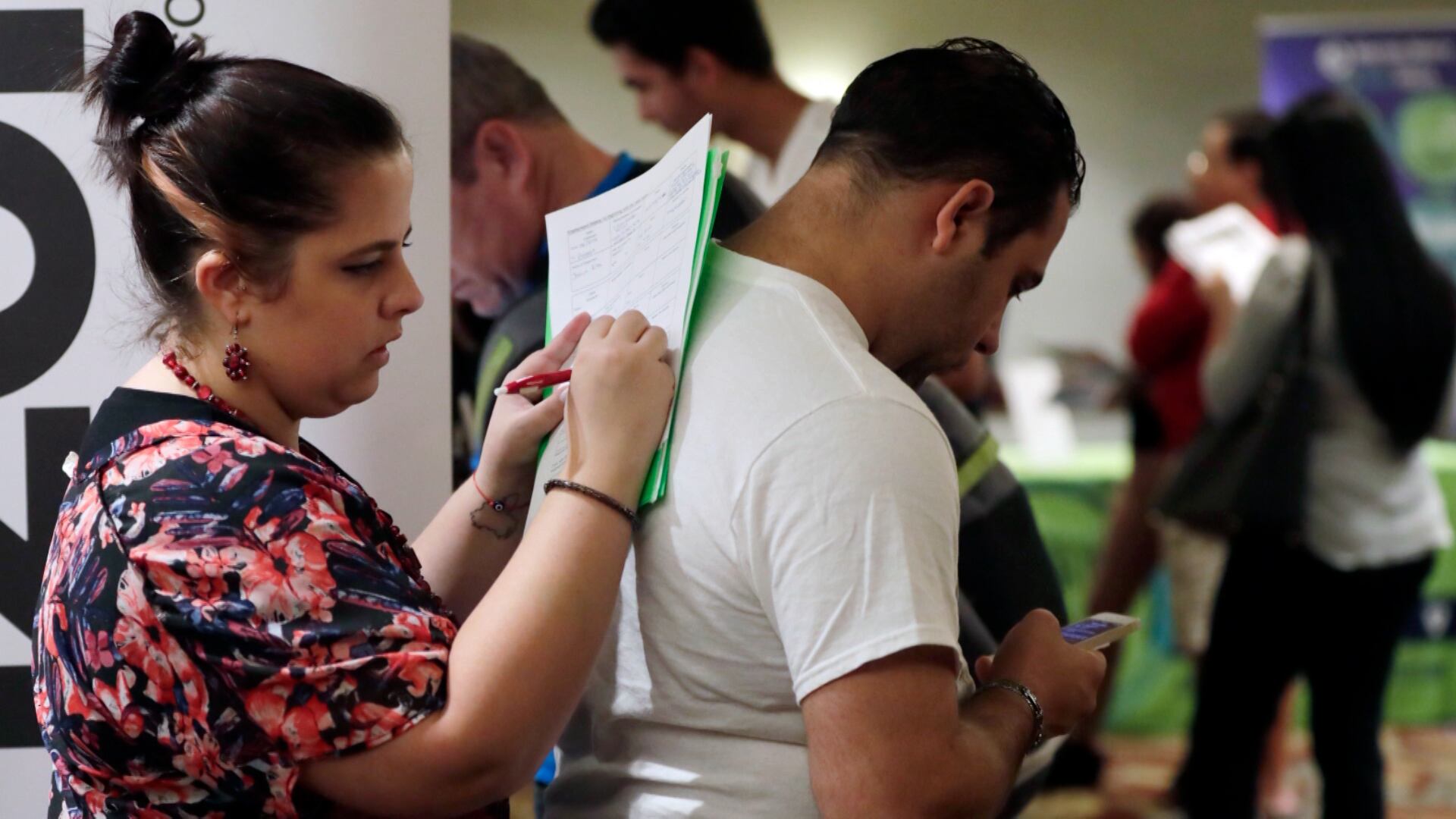
Such strength is good news for the economy and calms fears about a recession hitting imminently. But the Fed worries it could also feed into upward pressure on inflation. Not only are jobs still plentiful, U.S. households also increased their spending at stores and elsewhere in January.
Now the S&P 500 is hanging onto a gain of 3.4% for the year.
Reports on the economy released Tuesday showed some slight cracks. One said that confidence among U.S. consumers unexpectedly fell in February. Another said that manufacturing in the Chicago region weakened by more than expected.
All the worries have come across a backdrop of falling earnings for big corporations. S&P 500 companies are in the midst of reporting their first decline in profits from year-earlier levels since 2020, when the pandemic was choking the economy, according to FactSet.
Most companies have already reported their results for the last three months of 2022, but several big-name retailers are still on the schedule for this week.
Among them was Target, which on Tuesday reported better profit and revenue than expected for the latest quarter. But it also echoed some other retailers in giving a cautious forecast for upcoming results as U.S. households contend with still-high inflation. Its stock rose 1%.
On the losing end was Norwegian Cruise Line. It tumbled 10.2% after reporting a bigger loss for the latest quarter than expected. It also gave profit forecasts for the upcoming quarter and year that fell short of Wall Street's.
All told, the S&P 500 fell 12.09 points to 3,970.15. The Dow fell 232.39 to 32,656.70, and the Nasdaq dropped 11.44 to 11,455.54.
——
AP Business Writers Elaine Kurtenbach and Matt Ott contributed.