In this March 25, 2020 file photo, a closed sign hangs in the window of a shop in Portsmouth, N.H., due to coronavirus concerns. (AP Photo/Charles Krupa, File)
Stocks swung back down Wednesday after more signs piled up of the economic damage being caused by the coronavirus outbreak.
Markets have been stuck cycling between fear and budding optimism in recent weeks as investors try to guess how long and deep the looming recession will be, with the switch often flipping overnight or even within the same day. Economists have been slashing their forecasts in preparation for what they say may be the worst downturn since the Great Depression, but several reports that came out Wednesday were even more dismal than expected.
Retail sales sank a record 8.7% last month as lockdowns around the country to slow the spread of the virus closed stores and kept people at home. A separate survey of business conditions for manufacturers in New York state plunged to its lowest level in history, by a wide margin. Industrial production across the country also failed to meet economists’ already low expectations.
Stocks around the world and Treasury yields were already down in early Wednesday trading, and their drops accelerated after the release of the reports. Lower yields are a sign that demand for relatively safe investments like U.S. government bonds is increasing.
The S&P 500 was down 2.4% after the first half-hour of trading. The Dow Jones Industrial Average fell 494 points, or 2.1%, to 23,455, and the Nasdaq was down 1.9%.
Energy stocks took the sharpest losses after oil prices plunged to another 18-year low. Those in the S&P 500 index fell 5.8%.
Demand for oil around the world will fall this year by a record amount, the International Energy Agency said Wednesday. Benchmark U.S. crude touched its lowest price since 2002 before recovering slightly to $20.14 a barrel, little changed from a day earlier. Brent crude, the international standard, fell $1.27 to $28.30.
Earlier, the International Monetary Fund said this year's global economic output will shrink by 3%, a bigger loss than 2009's 0.1% decline during the financial crisis. That was a sharp reversal from the Fund's January forecast of 3.3% growth before the virus prompted governments to shut down factories, travel and other industries.
“The IMF forecast a deep economic winter," said Hayaki Narita of Mizuho Bank in a report. Narita said.
In Europe, London's FTSE 100 lost 2.5%, and the DAX in Frankfurt declined 3.2%. The CAC 40 in France retreated 2.9% to 4,437. The Nikkei 225 in Tokyo declined 0.5%, and Hong Kong's Hang Seng was off 1.2%.
Investors are focusing on how and when authorities may begin to ease business shutdowns and limits on people’s movements imposed to slow the spread of the coronavirus. The S&P 500 had jumped 3.1% just a day earlier in hopes that the outbreak was leveling off in some hotspots and could lead to parts of the economy opening back up.
U.S. President Donald Trump has been discussing how to roll back federal social distancing recommendations. U.S. governors are collaborating on plans to reopen their economies in what is likely to be a gradual process to prevent the coronavirus from rebounding.
China has reopened factories, shops and other businesses after declaring victory over the outbreak but forecasters say it will take months for industries to return to normal output, while exporters will face depressed global demand.
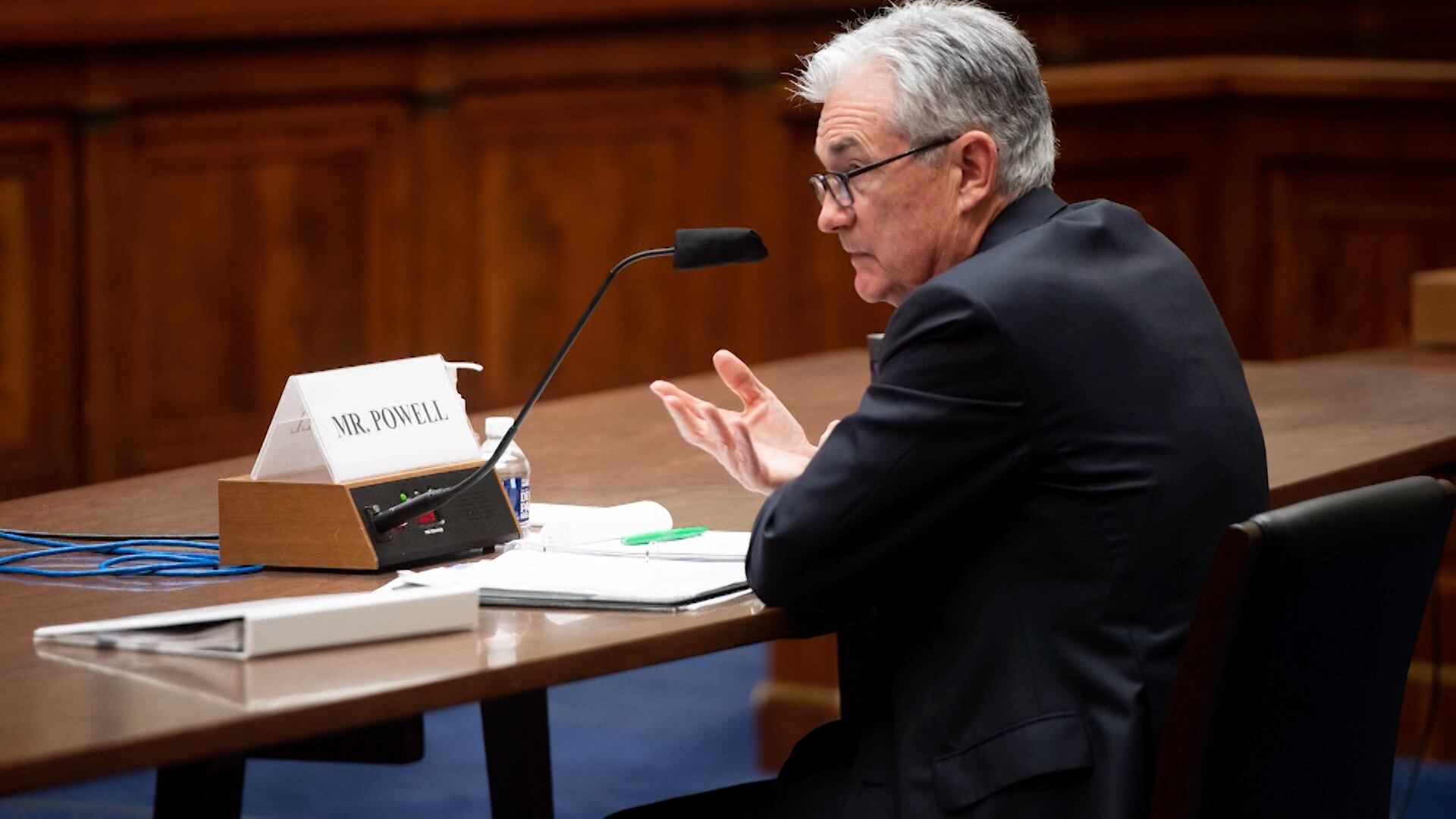
Stocks closed higher Wednesday on the heels of the Federal Reserve's December meeting. Chairman Jerome Powell announced the central bank would leave interest rates low and unchanged for now, with the anticipation of three hikes next year. The Fed will also speed up the timeline of its asset tapering, beginning in January 2022. Dan Russo, Portfolio Manager and Director of Research at Potomac Fund Management joins Cheddar News' Closing Bell to discuss today's close, how investors reacted to the Fed's announcements, and more.
There is a new way for investors to bet on cannabis - the AdvisorShares Poseidon Dynamic Cannabis ETF targets about 20 of the biggest names in U.S. cannabis. It comes at a time when it's still difficult for investors to access the space. Cheddar News cannabis reporter Chloe Aiello spoke with co-founder and managing director for Poseidon Investment Management, Emily Paxhia.
Victor Li, an economics professor at the Villanova School of Business, joins Cheddar News' Closing Bell, where he discusses the latest Fed decision and the implications it has on the stock market.
Danvas is a new company that aims to bring NFTs and digital artwork into the real world through an interactive, museum-quality display. The company says its product is the first premium, luxury digital art canvas, which it hopes will accelerate the world's appreciation of digital artists and their work, and empower collectors to acquire more NFT art. Danvas also just announced its launch this week, with a $7 million seed round from some big-name backers. Danvas co-founder and CEO Jeanne Anderson joins Cheddar News' Closing Bell to discuss.
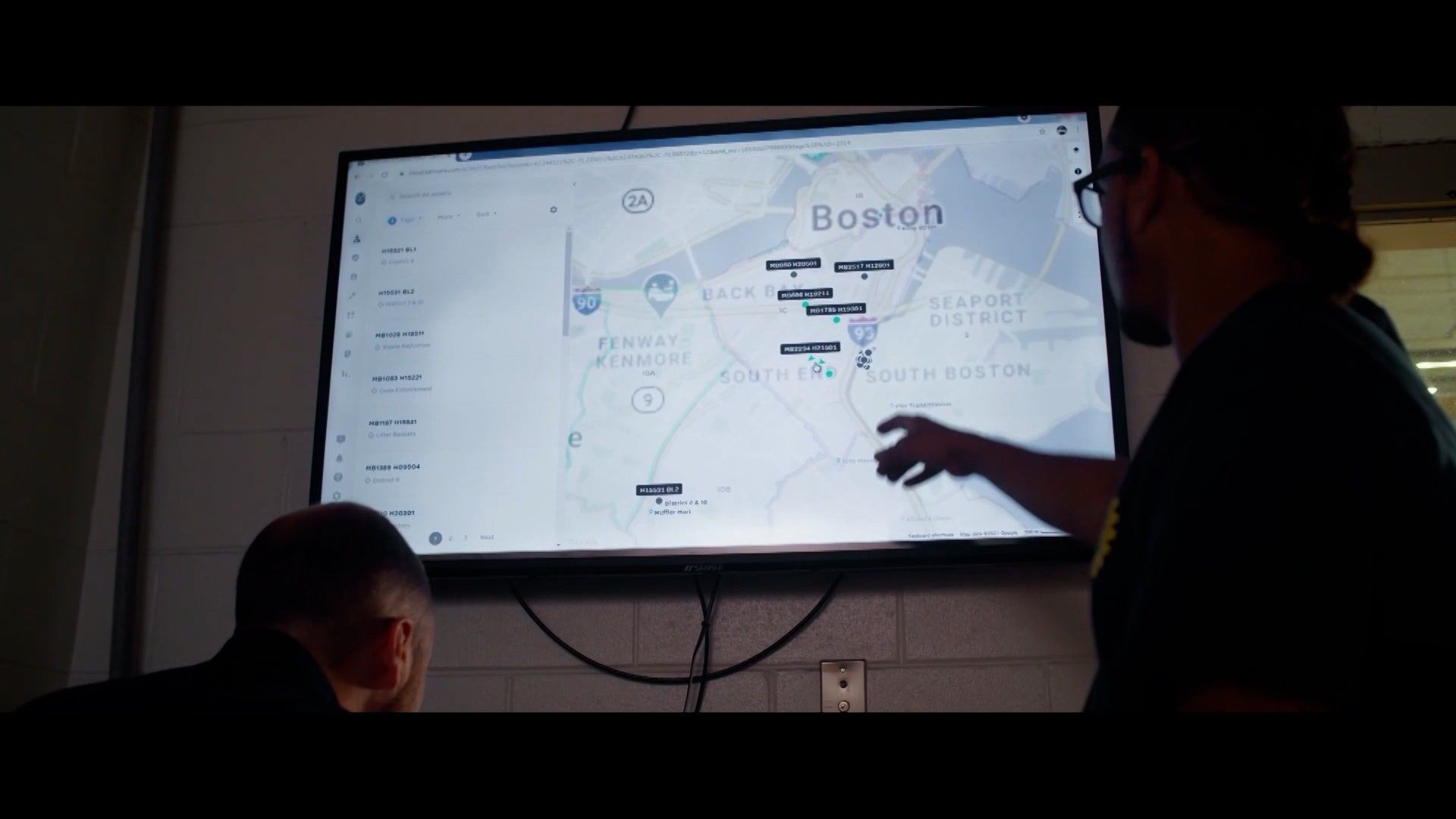
The California-based tech company specializing in enterprise cloud-based data analysis of connected internet of things (IoT) has gone public on the NYSE, and Samsara's CFO Dominic Phillips told Cheddar's Kristen Scholer that the timing was right for the public offering for the firm's next phase of growth. "We're going to continue to add to our go-to-market motion, we'll continue to build out our international presence, we'll continue to add more selling capacity specifically as we look to penetrate larger enterprise customers, and we'll look to continue to deploy money in R&D," he said.
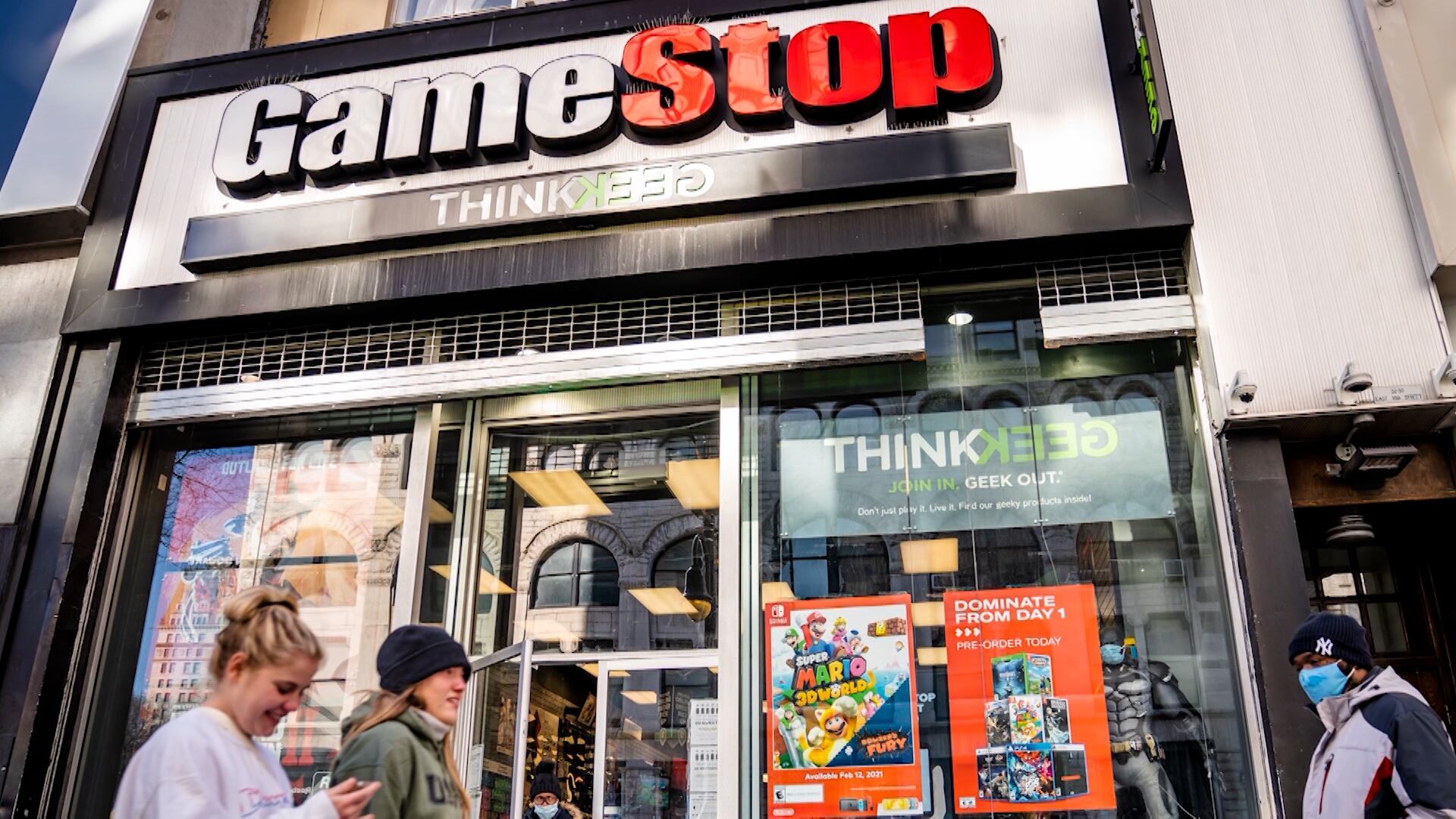
Mark Sebastian, CIO of Karman Line Capital, breaks down the Gamestops profitability hurdles and provides an outlook on the company's turnaround strategy.
Actor, pastor, and now author Kel Mitchell joined Cheddar's 'Between Bells' to talk about his new book 'Blessed Mode: 90 Days to Level Up Your Faith' and what inspired him to write it. Mitchell said the book aims to help people boost their physical, mental, and spiritual wellbeing. Ordained as a pastor in 2019, he talked about his service in the church. He also talked about what it was like working with former castmates on Nickelodeon's 'All That' reboot.
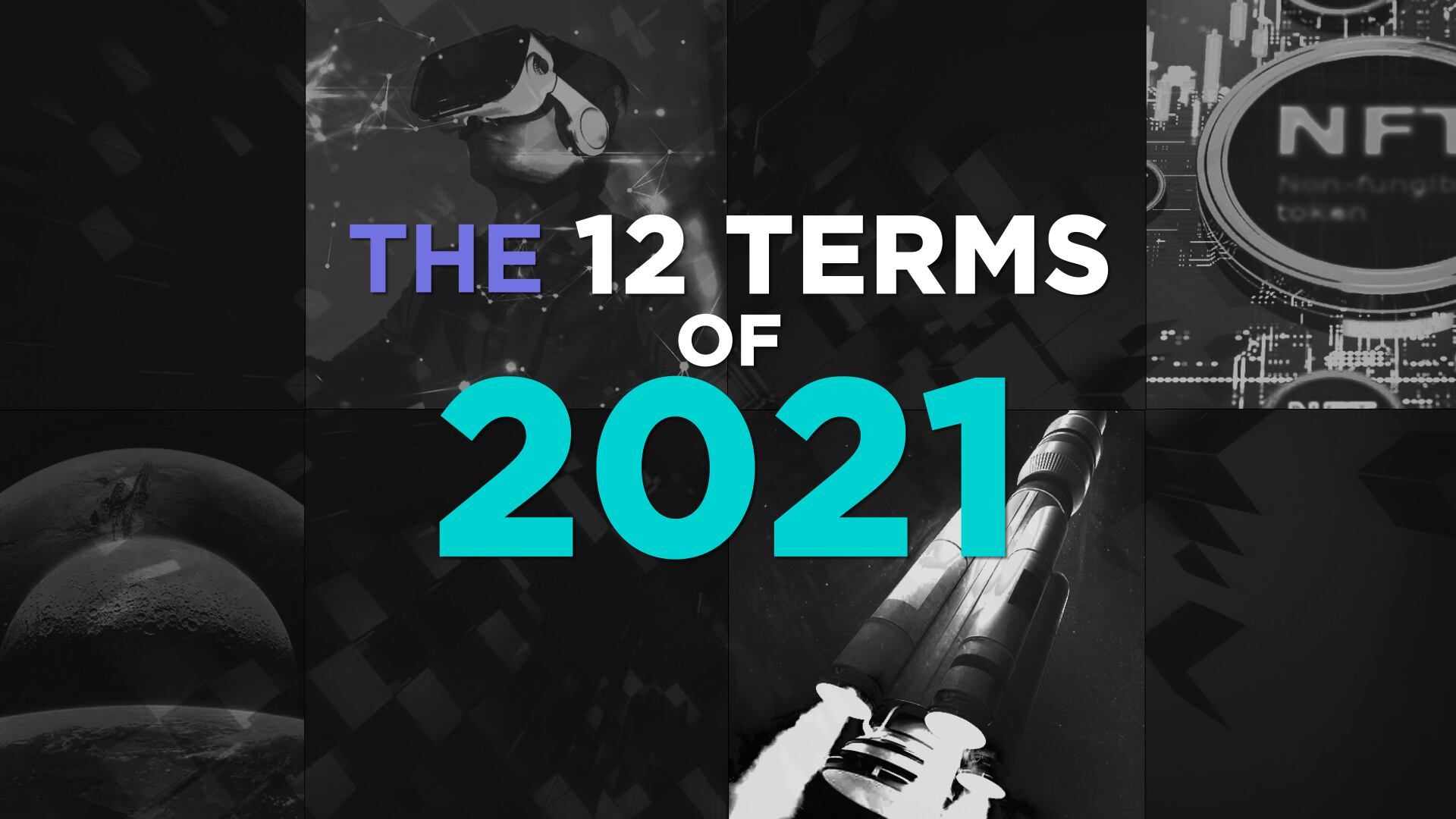
Cheddar is looking back at the 12 biggest buzzwords of the year leading up to Christmas. The sixth term in the countdown is SPAC. Definition: (noun) abbreviation for Special Purpose Acquisition Companies. Describes companies formed to raise money through initial public offerings (IPO), to acquire or merge with an existing company.
Jeff Thomas, Senior Vice President & Head of West Coast Listing for the NASDAQ, talks about the year in IPOs and the industries seeing the most activity within the tech sector.