In this March 25, 2020 file photo, a closed sign hangs in the window of a shop in Portsmouth, N.H., due to coronavirus concerns. (AP Photo/Charles Krupa, File)
Stocks swung back down Wednesday after more signs piled up of the economic damage being caused by the coronavirus outbreak.
Markets have been stuck cycling between fear and budding optimism in recent weeks as investors try to guess how long and deep the looming recession will be, with the switch often flipping overnight or even within the same day. Economists have been slashing their forecasts in preparation for what they say may be the worst downturn since the Great Depression, but several reports that came out Wednesday were even more dismal than expected.
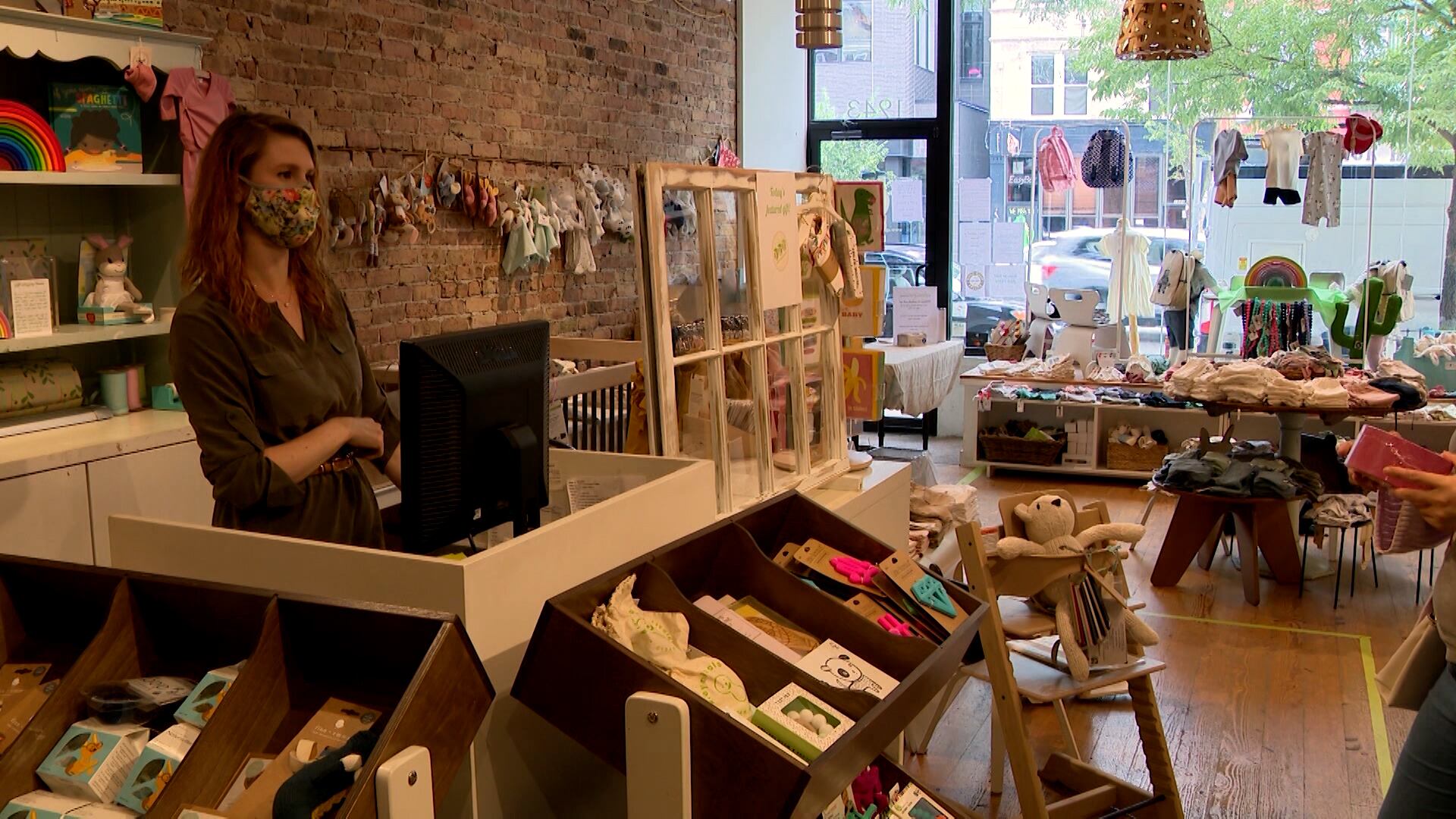
Retail sales sank a record 8.7% last month as lockdowns around the country to slow the spread of the virus closed stores and kept people at home. A separate survey of business conditions for manufacturers in New York state plunged to its lowest level in history, by a wide margin. Industrial production across the country also failed to meet economists’ already low expectations.
Stocks around the world and Treasury yields were already down in early Wednesday trading, and their drops accelerated after the release of the reports. Lower yields are a sign that demand for relatively safe investments like U.S. government bonds is increasing.
The S&P 500 was down 2.4% after the first half-hour of trading. The Dow Jones Industrial Average fell 494 points, or 2.1%, to 23,455, and the Nasdaq was down 1.9%.
Energy stocks took the sharpest losses after oil prices plunged to another 18-year low. Those in the S&P 500 index fell 5.8%.
Demand for oil around the world will fall this year by a record amount, the International Energy Agency said Wednesday. Benchmark U.S. crude touched its lowest price since 2002 before recovering slightly to $20.14 a barrel, little changed from a day earlier. Brent crude, the international standard, fell $1.27 to $28.30.
Earlier, the International Monetary Fund said this year's global economic output will shrink by 3%, a bigger loss than 2009's 0.1% decline during the financial crisis. That was a sharp reversal from the Fund's January forecast of 3.3% growth before the virus prompted governments to shut down factories, travel and other industries.
“The IMF forecast a deep economic winter," said Hayaki Narita of Mizuho Bank in a report. Narita said.
In Europe, London's FTSE 100 lost 2.5%, and the DAX in Frankfurt declined 3.2%. The CAC 40 in France retreated 2.9% to 4,437. The Nikkei 225 in Tokyo declined 0.5%, and Hong Kong's Hang Seng was off 1.2%.
Investors are focusing on how and when authorities may begin to ease business shutdowns and limits on people’s movements imposed to slow the spread of the coronavirus. The S&P 500 had jumped 3.1% just a day earlier in hopes that the outbreak was leveling off in some hotspots and could lead to parts of the economy opening back up.
U.S. President Donald Trump has been discussing how to roll back federal social distancing recommendations. U.S. governors are collaborating on plans to reopen their economies in what is likely to be a gradual process to prevent the coronavirus from rebounding.
China has reopened factories, shops and other businesses after declaring victory over the outbreak but forecasters say it will take months for industries to return to normal output, while exporters will face depressed global demand.
Pfizer and BioNTech are working to develop an mRNA-based shingles vaccine following the success of the COVID-19 shot. This latest collaboration will mark the third time the pharmaceutical companies have worked together on a vaccine.
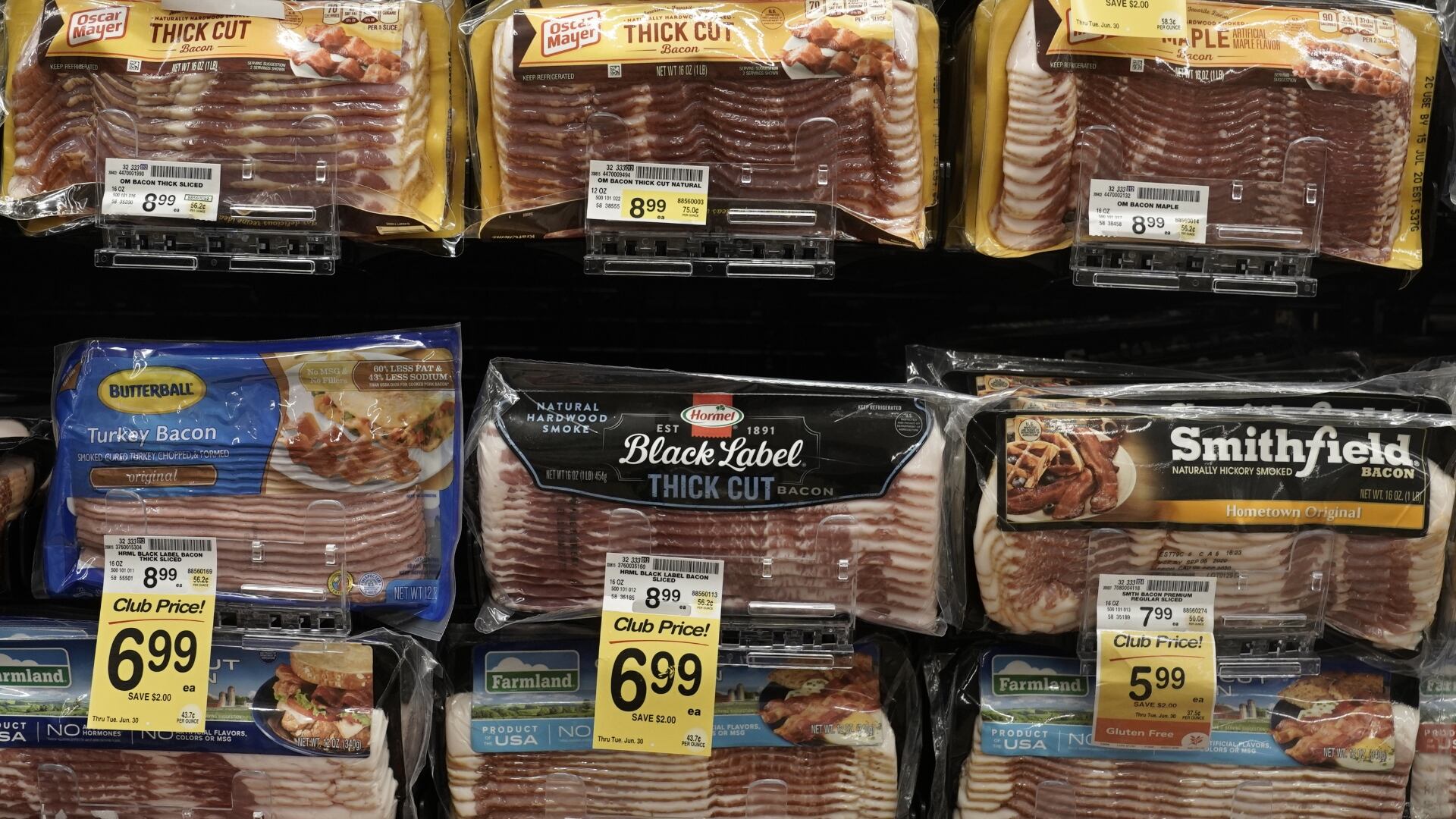
On Monday, President Biden announced his new plan to take on inflation by taking down the big meat monopolies - turning to the federal government's antitrust authorities to investigate the major meatpackers that control a significant share of the market. The White House plans to devote one billion dollars to aiding independent meat and poultry producers in an effort to undercut the few powerful meat producers that have control of the sector. Austin Frerick, deputy director of Thurman Arnold Project at Yale, joins Cheddar News to discuss.
Flight cancellations remain high nearly two weeks after the Christmas holiday, with more than 1,400 counted on Tuesday. Carriers are facing a number of factors including staff shortages linked to COVID-19 spread as well as inclement weather.
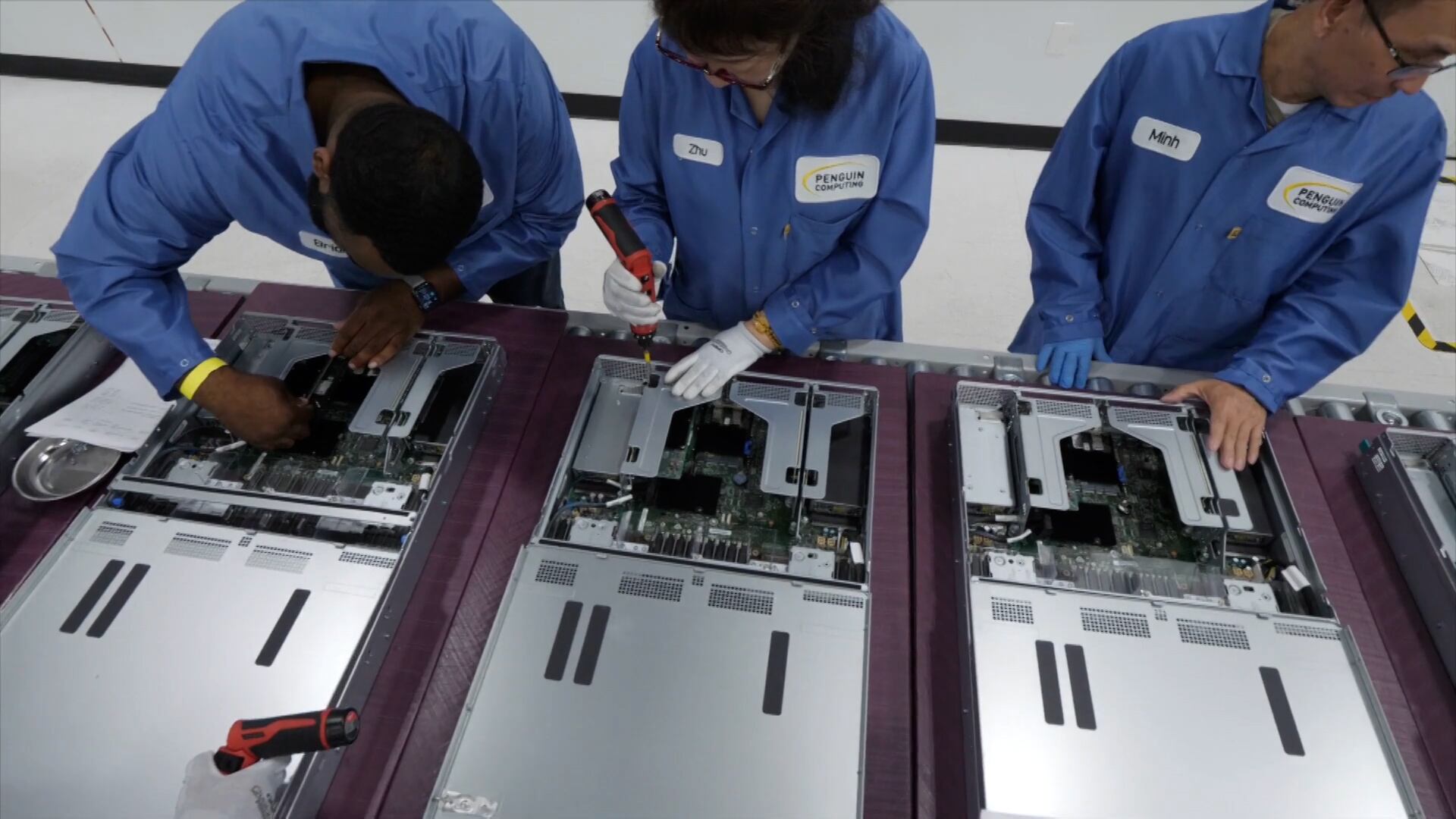
SGH, formerly known as Smart Global Holdings, reported Q1 earnings after the bell on Tuesday. The holdings company reported solid net sales, up a whopping 60 percent from the same period last year, marking its seventh consecutive quarter of year-over-year revenue growth. SGH also announced a two-for-one share split in the form of a share dividend of one ordinary share for every one ordinary share owned. Mark Adams, CEO, SGH and Former President, Micron, joined Wake Up with Cheddar to discuss.
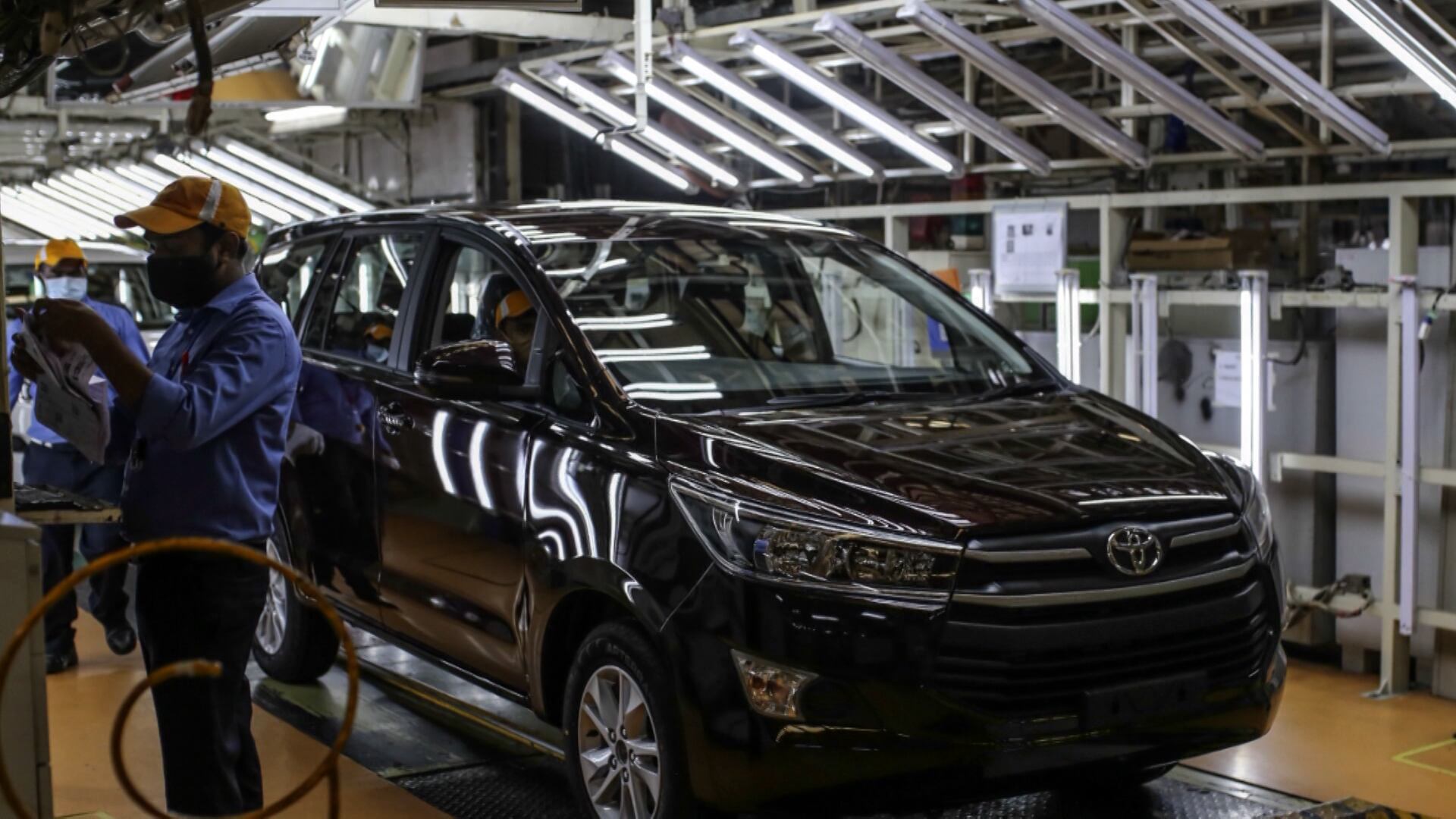
For the first time in 90 years, General Motors has officially been dethroned as the top car seller in the U.S. after Toyota sold 2.3 million vehicles last year. Paulina Likos, an investing reporter at U.S News & World Report, said that the Japanese auto giant's 2021 success is linked to its large stockpile of semiconductor chips that allowed it to continue producing vehicles while others lagged behind. Likos noted that both GM and Toyota noted that this is unlikely to be a long-term trend and pointed to both automakers' push to become EV leaders. "I think what's great in this EV market is that there are so many different competitors, and certainly both GM and Toyota are trying to be leaders in this space," she said.
As the pandemic drags on, so does the widespread great resignation. In November alone, 4.5 million Americans quit their jobs, marking a new record high, and showing a 9 percent jump from the month prior. On the flip side, the number of people filing tax paperwork to start new businesses is surging, with over 430,000 new businesses launching in November. Rhett Buttle, the founder of Public Private Strategies and national business advisor to the Biden for President campaign, joined Wake Up with Cheddar to discuss.
New York Attorney General Letitia James is ramping up a civil investigation into The Trump Organization. The AG's office has subpoenaed Ivanka Trump and Donald Trump Jr. They have refused to comply with the subpoenas. Bradley Moss, national security attorney, joins Cheddar News to discuss the next steps in this investigation.
LG announced its latest cooking appliances including its ThinQ Recipe service. The app allows people to choose from up to 10,000 recipes and have the ingredients delivered to their doorstep. LG Electronics executive Brandt Varner joins Cheddar News to talk about the products.