In this March 25, 2020 file photo, a closed sign hangs in the window of a shop in Portsmouth, N.H., due to coronavirus concerns. (AP Photo/Charles Krupa, File)
Stocks swung back down Wednesday after more signs piled up of the economic damage being caused by the coronavirus outbreak.
Markets have been stuck cycling between fear and budding optimism in recent weeks as investors try to guess how long and deep the looming recession will be, with the switch often flipping overnight or even within the same day. Economists have been slashing their forecasts in preparation for what they say may be the worst downturn since the Great Depression, but several reports that came out Wednesday were even more dismal than expected.
Retail sales sank a record 8.7% last month as lockdowns around the country to slow the spread of the virus closed stores and kept people at home. A separate survey of business conditions for manufacturers in New York state plunged to its lowest level in history, by a wide margin. Industrial production across the country also failed to meet economists’ already low expectations.
Stocks around the world and Treasury yields were already down in early Wednesday trading, and their drops accelerated after the release of the reports. Lower yields are a sign that demand for relatively safe investments like U.S. government bonds is increasing.
The S&P 500 was down 2.4% after the first half-hour of trading. The Dow Jones Industrial Average fell 494 points, or 2.1%, to 23,455, and the Nasdaq was down 1.9%.
Energy stocks took the sharpest losses after oil prices plunged to another 18-year low. Those in the S&P 500 index fell 5.8%.
Demand for oil around the world will fall this year by a record amount, the International Energy Agency said Wednesday. Benchmark U.S. crude touched its lowest price since 2002 before recovering slightly to $20.14 a barrel, little changed from a day earlier. Brent crude, the international standard, fell $1.27 to $28.30.
Earlier, the International Monetary Fund said this year's global economic output will shrink by 3%, a bigger loss than 2009's 0.1% decline during the financial crisis. That was a sharp reversal from the Fund's January forecast of 3.3% growth before the virus prompted governments to shut down factories, travel and other industries.
“The IMF forecast a deep economic winter," said Hayaki Narita of Mizuho Bank in a report. Narita said.
In Europe, London's FTSE 100 lost 2.5%, and the DAX in Frankfurt declined 3.2%. The CAC 40 in France retreated 2.9% to 4,437. The Nikkei 225 in Tokyo declined 0.5%, and Hong Kong's Hang Seng was off 1.2%.
Investors are focusing on how and when authorities may begin to ease business shutdowns and limits on people’s movements imposed to slow the spread of the coronavirus. The S&P 500 had jumped 3.1% just a day earlier in hopes that the outbreak was leveling off in some hotspots and could lead to parts of the economy opening back up.
U.S. President Donald Trump has been discussing how to roll back federal social distancing recommendations. U.S. governors are collaborating on plans to reopen their economies in what is likely to be a gradual process to prevent the coronavirus from rebounding.
China has reopened factories, shops and other businesses after declaring victory over the outbreak but forecasters say it will take months for industries to return to normal output, while exporters will face depressed global demand.
Tesla's Austin, Texas-based gigafactory could be days away from opening its doors and beginning production. Dan Ives, managing director of equity research at WedBush Securities, joined Cheddar to talk about his estimate that the EV company will be running its factory within a week and noted that Tesla has been in a good position despite ongoing semiconductor shortages. "They're really almost Teflon-like relative to other automakers," he said, calling its production delays "containable." Amid another shortage — labor —, he said he thinks Tesla positioned itself well for access to talent months ago with expanded hiring amid the move to Texas from California.
The UK's Information Commissioner's office is scrutinizing Facebook's parent company Meta over child safety practices linked to the Oculus headset, according to a report. The agency is looking to question the tech giant about how it's protecting children from harmful experiences in virtual reality.
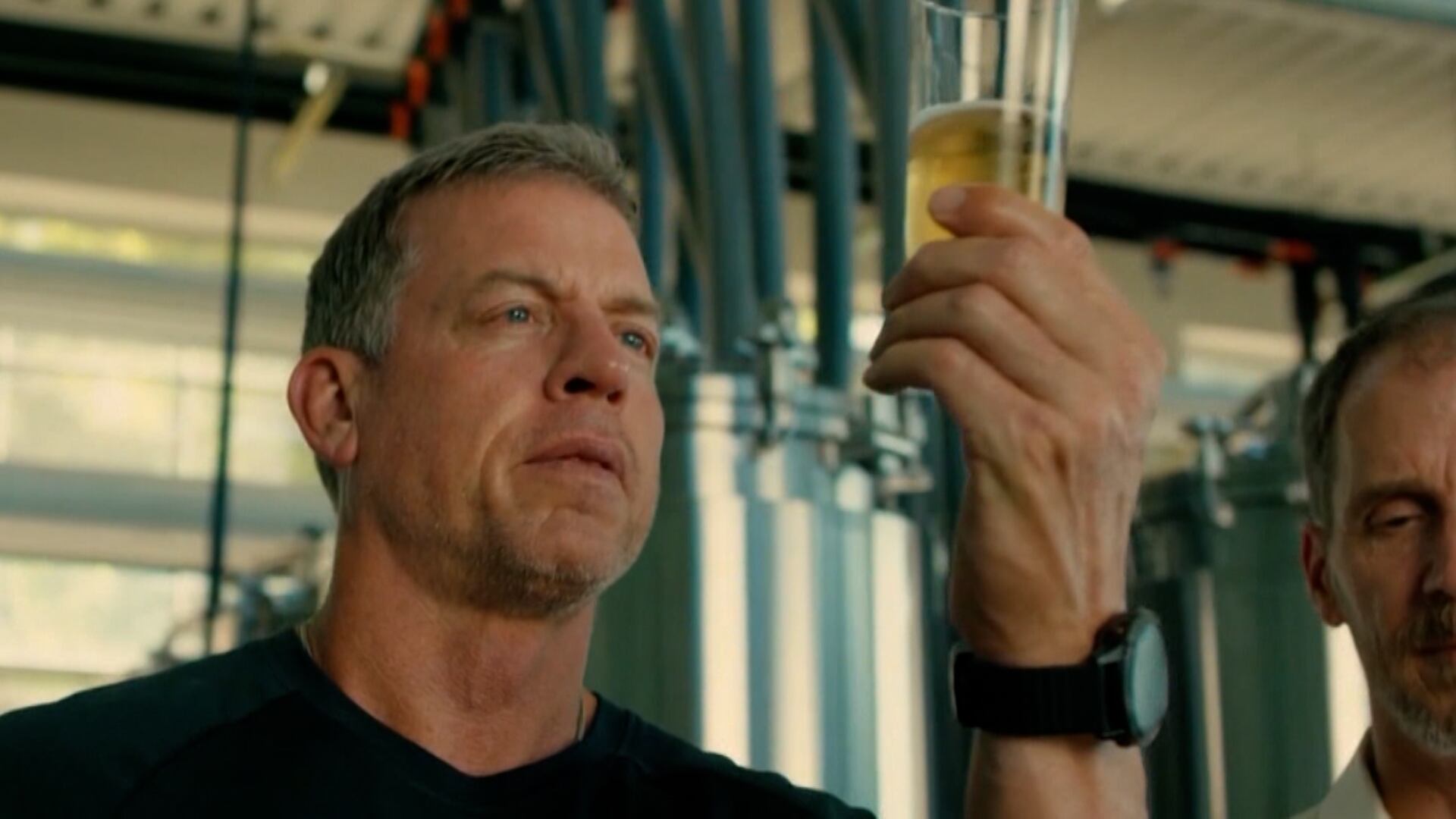
Hall of Fame quarterback Troy Aikman joined Cheddar's "Between Bells" to talk about his own brand of organic light beer called Eight (his jersey number with the Dallas Cowboys) and explained that he's had an interest in the industry since his days working for a distributor during college. "These brands that are on the market have been there for a long time and [I] felt that it was time for something fresh, something new, and I thought that we could do it in a way that was a better-for-you beer' and that's what we've done," he said. Aikman also provided some insight into the upcoming NFL playoffs and noted that he doesn't see a clear frontrunner for this year's Vince Lombardi trophy.
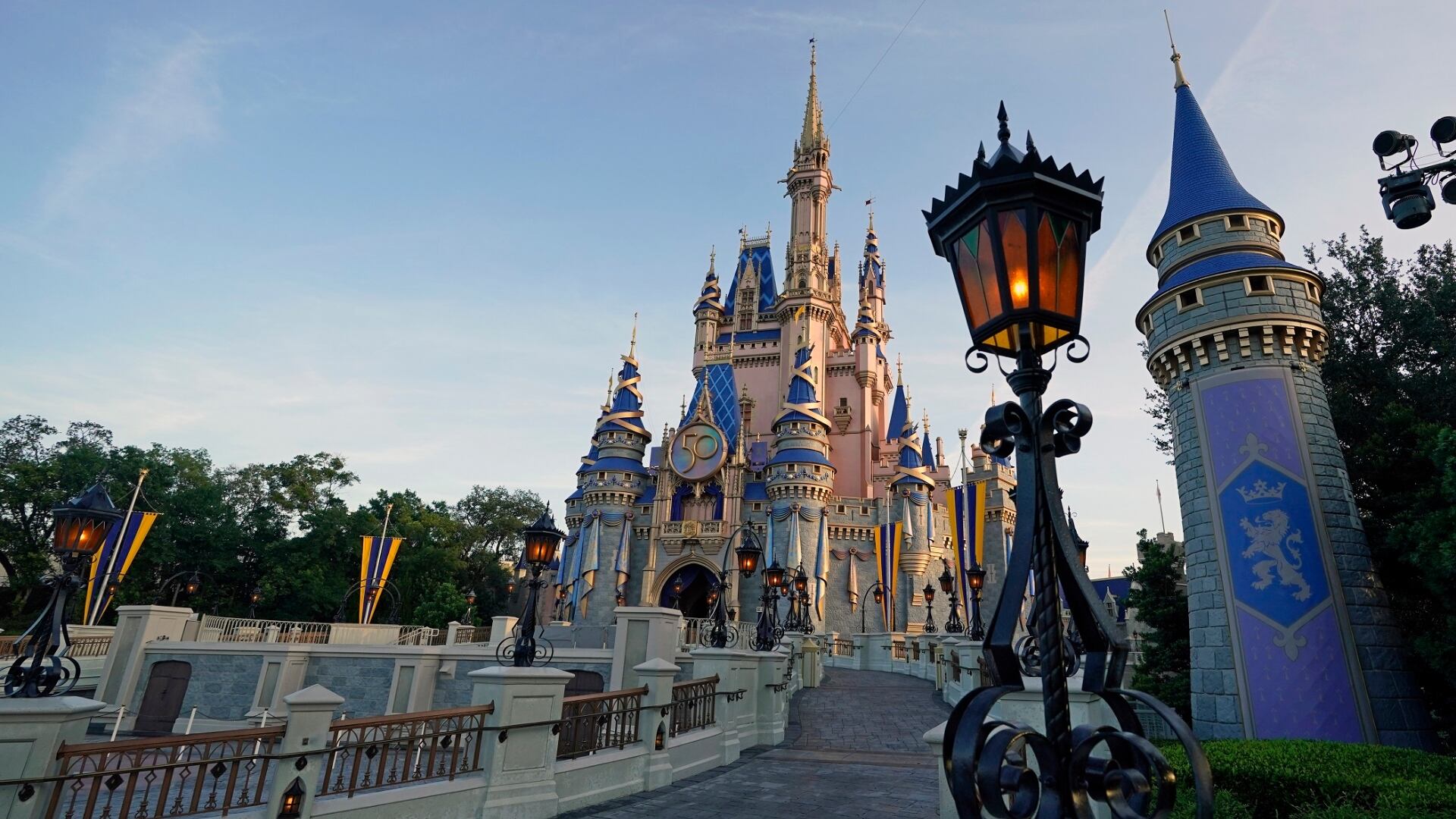
Disney has secured a patent for a digital world simulator for headset-free augmented reality expected to be accessible in parks by tracking smartphones and projecting personalized 3D displays, an indication that the entertainment giant is gearing up for its entry into the metaverse.
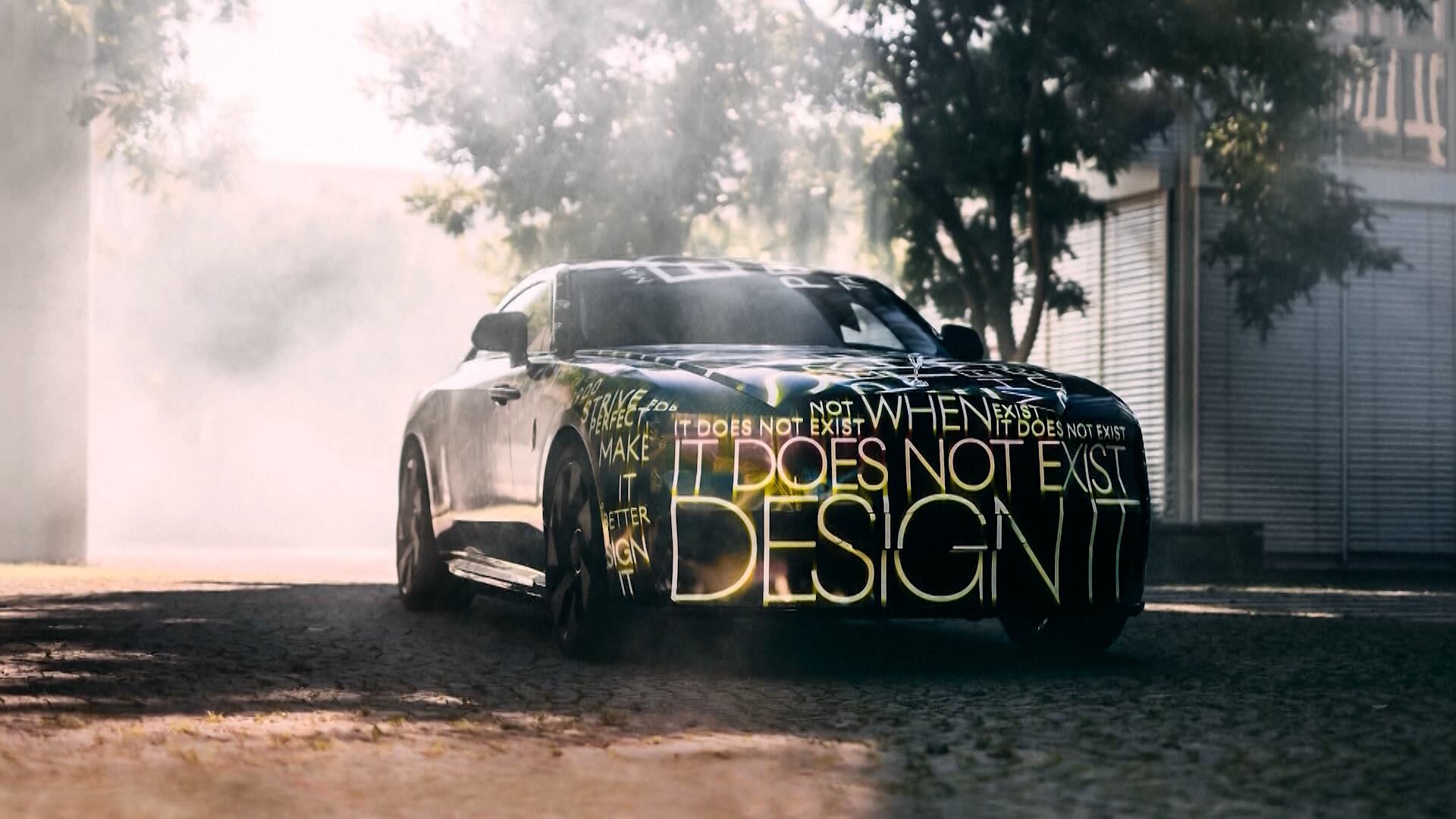
It has been a record year for luxury automaker Rolls-Royce despite the industry struggling to meet demand overall due to the ongoing semiconductor chip shortage. CEO Torsten Müller-Ötvös joined Cheddar to discuss the driving factors behind the company's 2021 success. He said after the pandemic forced the closure of factories in 2020 and people stopped making large purchases, they were open to spending more in 2021. "The entire luxury sector was fueled by there's money available, and people are prepared to spend money," he said.
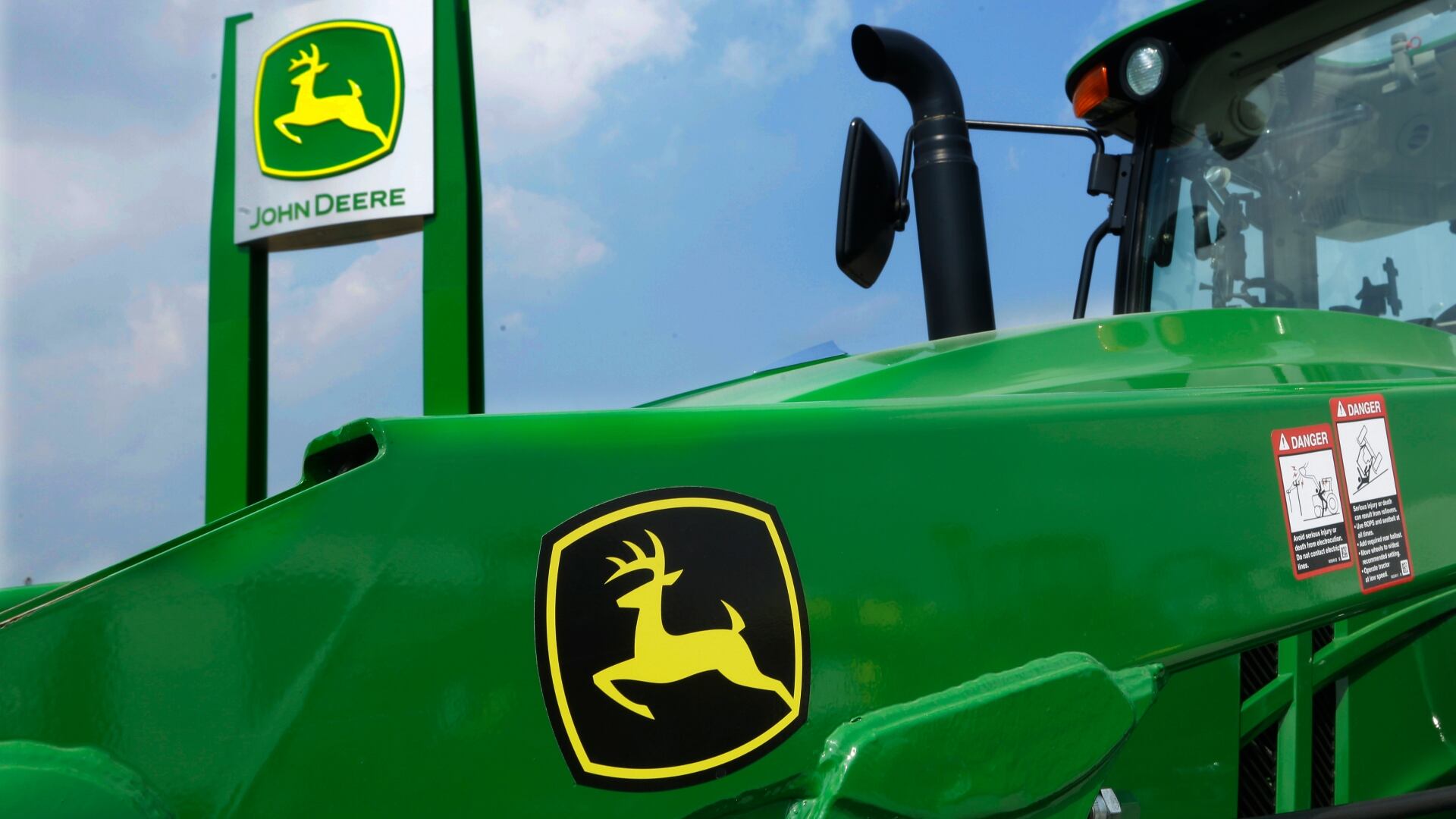
John Deere is getting on board the autonomous vehicle craze with its own self-driving tractors. The farming and forestry equipment manufacturer made the announcement at the 2022 CES convention in Las Vegas. Jahmy Hindman, chief technology officer at John Deere, spoke to Cheddar about the shift to self-driving to agriculture and how it will help farmers produce even more food as the world's population continues to grow. "It's all about trying to do more with less in farming," he said. "Labor's already a problem on the farm, and it's only getting to be more of a problem in the future. And we really view autonomy as a way to solve that problem."
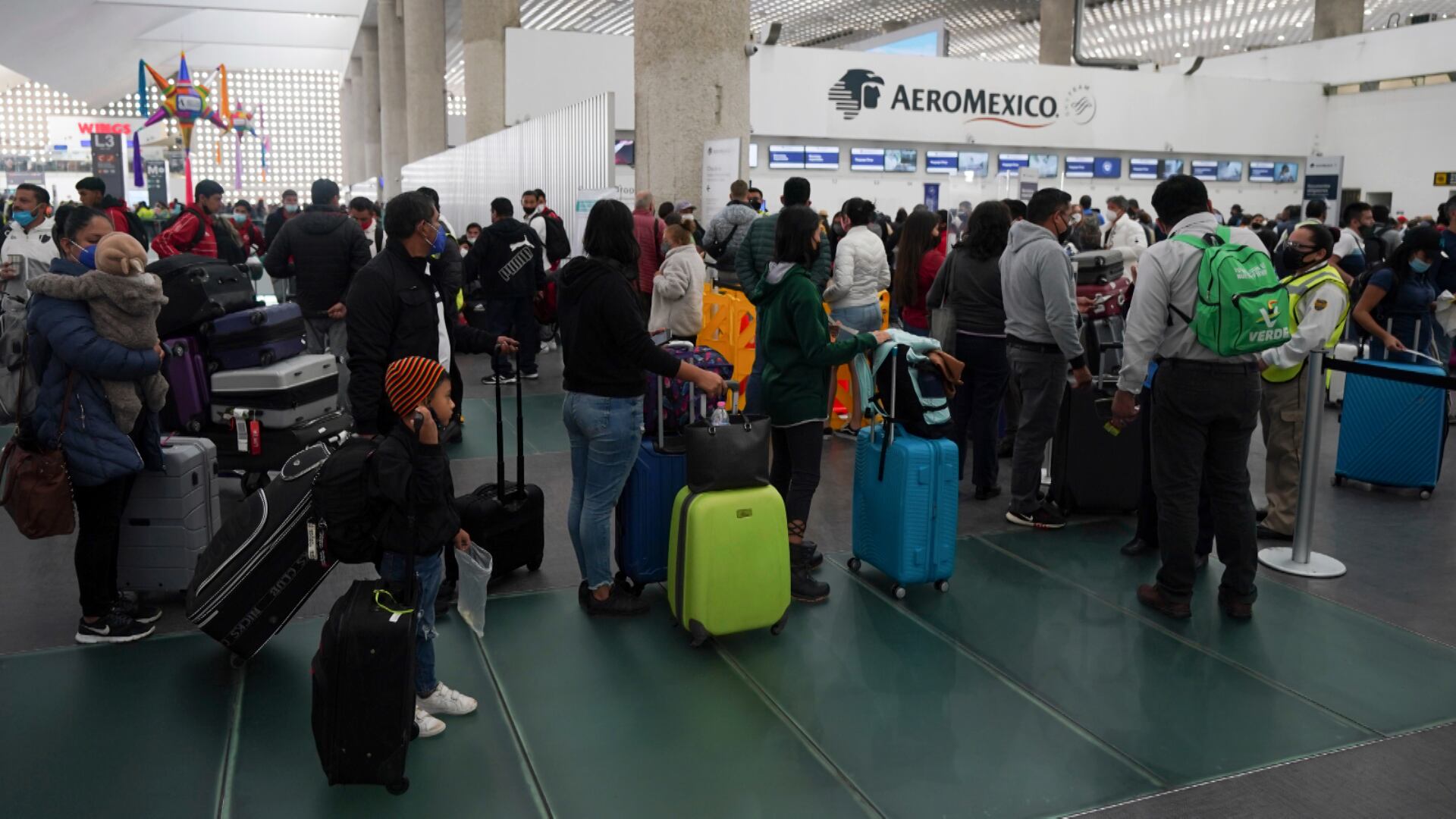
John Grant, a senior analyst at OAG, and Jonathan Root, an airline analyst at Moody's, joined Cheddar to provide some insight into how mass cancellations are affecting both travelers and airlines after more than 5,000 U.S. flights were scrapped over the weekend. In addition to staff shortages linked to COVID-19, inclement weather reportedly also played a major role in the canceled flights, but Root downplayed the effect on revenues. "We're not concerned about the financial impact, which is going to be very manageable," he said. "We see these conditions as temporary with a favorable outlook as we pass the omicron wave."