In this March 25, 2020 file photo, a closed sign hangs in the window of a shop in Portsmouth, N.H., due to coronavirus concerns. (AP Photo/Charles Krupa, File)
Stocks swung back down Wednesday after more signs piled up of the economic damage being caused by the coronavirus outbreak.
Markets have been stuck cycling between fear and budding optimism in recent weeks as investors try to guess how long and deep the looming recession will be, with the switch often flipping overnight or even within the same day. Economists have been slashing their forecasts in preparation for what they say may be the worst downturn since the Great Depression, but several reports that came out Wednesday were even more dismal than expected.
Retail sales sank a record 8.7% last month as lockdowns around the country to slow the spread of the virus closed stores and kept people at home. A separate survey of business conditions for manufacturers in New York state plunged to its lowest level in history, by a wide margin. Industrial production across the country also failed to meet economists’ already low expectations.
Stocks around the world and Treasury yields were already down in early Wednesday trading, and their drops accelerated after the release of the reports. Lower yields are a sign that demand for relatively safe investments like U.S. government bonds is increasing.
The S&P 500 was down 2.4% after the first half-hour of trading. The Dow Jones Industrial Average fell 494 points, or 2.1%, to 23,455, and the Nasdaq was down 1.9%.
Energy stocks took the sharpest losses after oil prices plunged to another 18-year low. Those in the S&P 500 index fell 5.8%.
Demand for oil around the world will fall this year by a record amount, the International Energy Agency said Wednesday. Benchmark U.S. crude touched its lowest price since 2002 before recovering slightly to $20.14 a barrel, little changed from a day earlier. Brent crude, the international standard, fell $1.27 to $28.30.
Earlier, the International Monetary Fund said this year's global economic output will shrink by 3%, a bigger loss than 2009's 0.1% decline during the financial crisis. That was a sharp reversal from the Fund's January forecast of 3.3% growth before the virus prompted governments to shut down factories, travel and other industries.
“The IMF forecast a deep economic winter," said Hayaki Narita of Mizuho Bank in a report. Narita said.
In Europe, London's FTSE 100 lost 2.5%, and the DAX in Frankfurt declined 3.2%. The CAC 40 in France retreated 2.9% to 4,437. The Nikkei 225 in Tokyo declined 0.5%, and Hong Kong's Hang Seng was off 1.2%.
Investors are focusing on how and when authorities may begin to ease business shutdowns and limits on people’s movements imposed to slow the spread of the coronavirus. The S&P 500 had jumped 3.1% just a day earlier in hopes that the outbreak was leveling off in some hotspots and could lead to parts of the economy opening back up.
U.S. President Donald Trump has been discussing how to roll back federal social distancing recommendations. U.S. governors are collaborating on plans to reopen their economies in what is likely to be a gradual process to prevent the coronavirus from rebounding.
China has reopened factories, shops and other businesses after declaring victory over the outbreak but forecasters say it will take months for industries to return to normal output, while exporters will face depressed global demand.
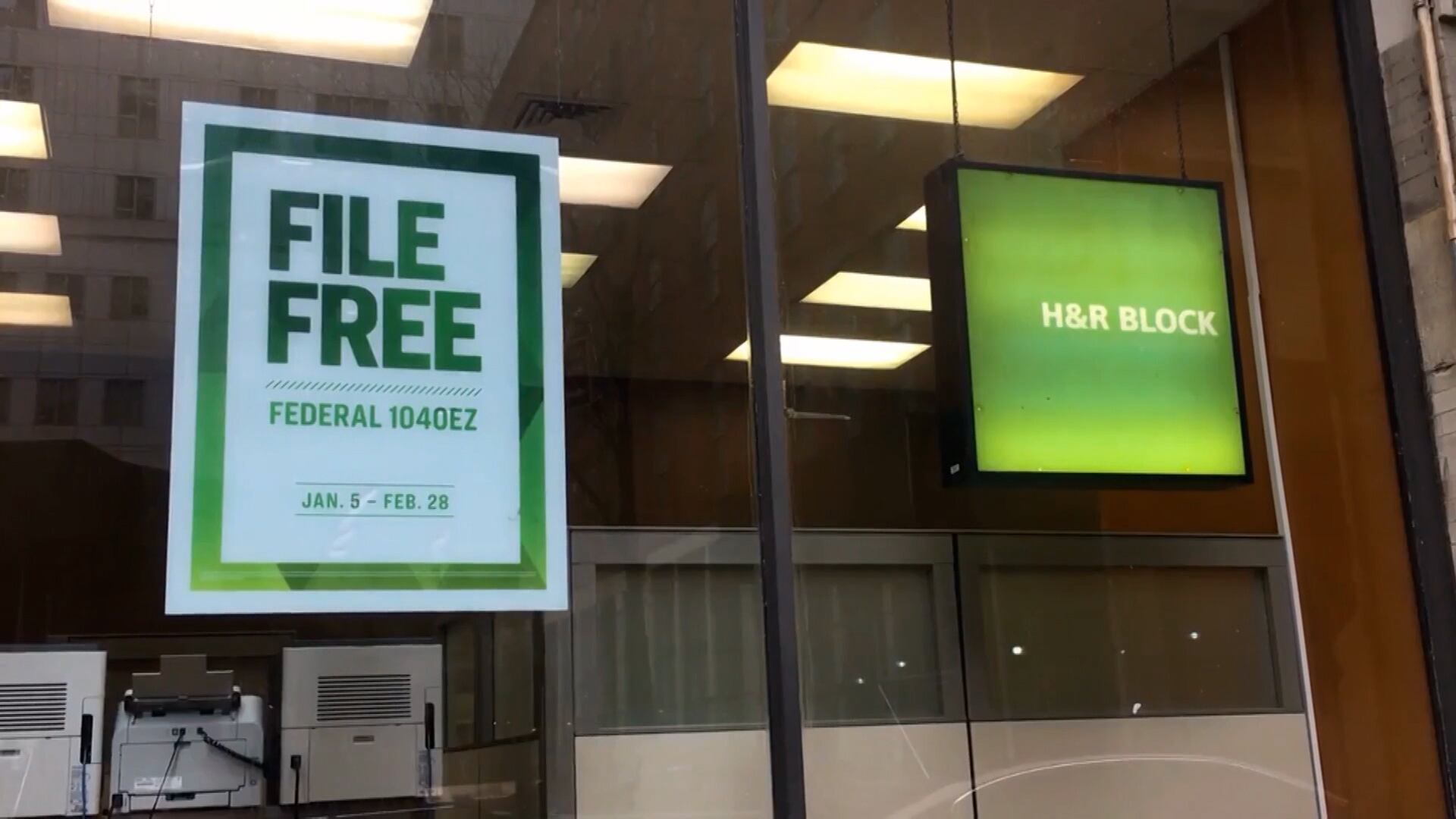
Treasury officials say that filing taxes this year could be frustrating due to staffing shortages at the IRS and paperwork backlog. Cheddar News speaks with Brent Weiss, certified financial planner and co-founder of Facet Wealth, on how to best file your returns in 2022.
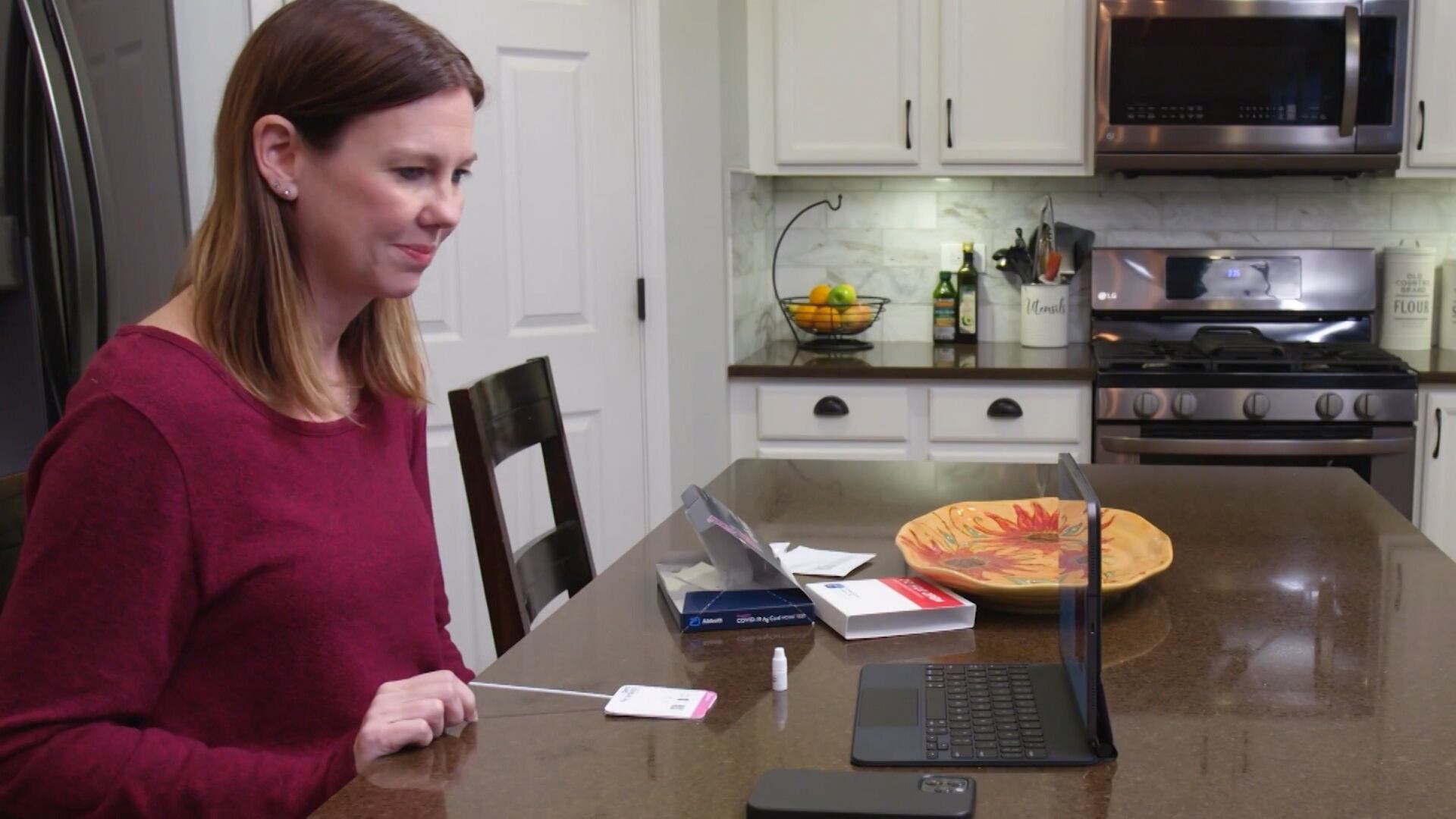
As the need for COVID-19 testing increases, so does the price of the tests themselves. An agreement with The White House and several major companies to sell the tests at a lower cost has now expired, sending prices up as retailers struggle to keep kits on shelves. Dr. Thomas McGinn, executive VP of physician enterprise at Common Spirit Health, joins Cheddar News to discuss.
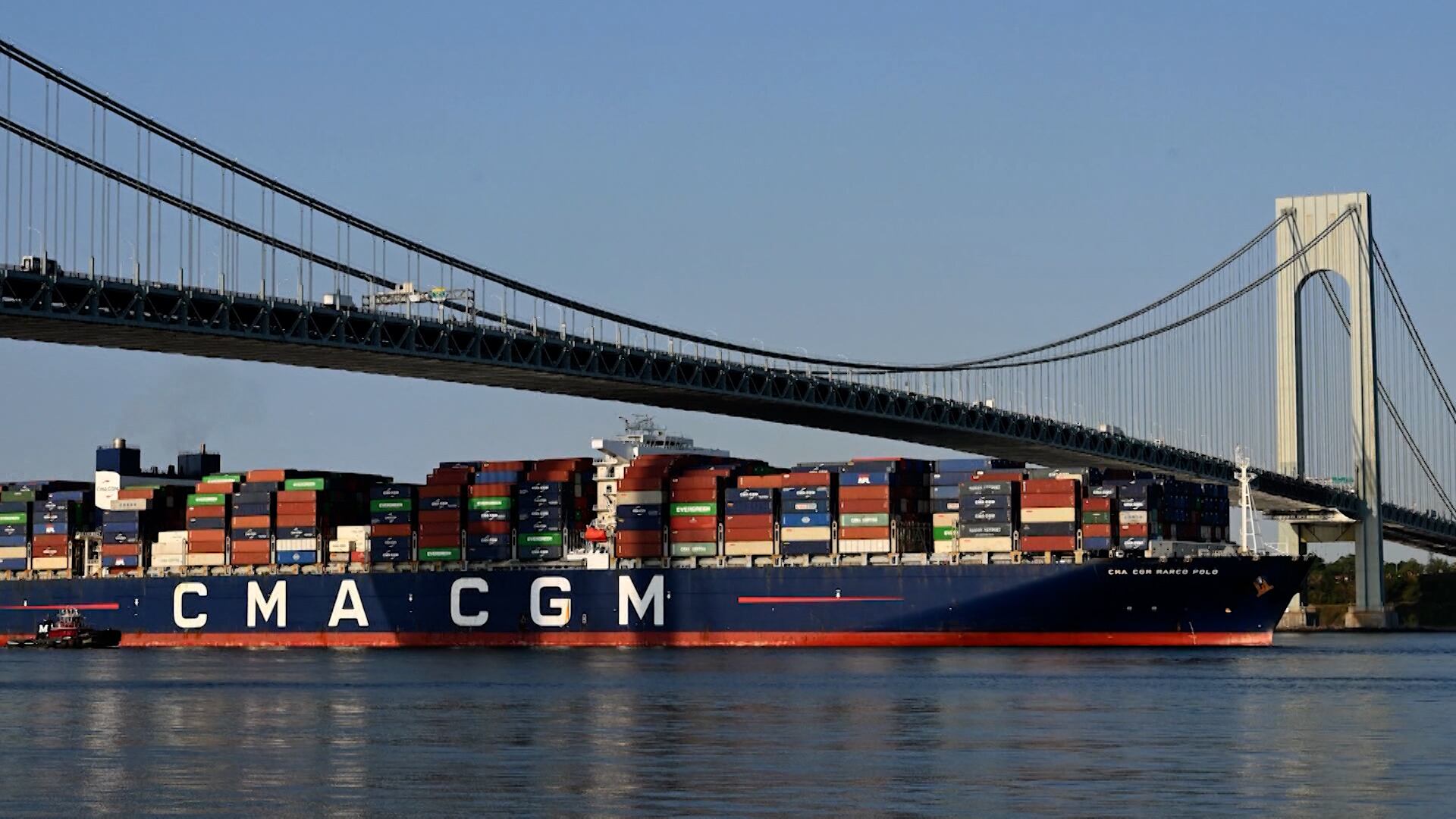
With no end in sight to supply chain snarls, some companies are reconsidering the way they manufacture goods. Harry Moser, founder and president of Reshoring Initiative and Jennifer Smith, logistics and supply chain reporter for the Wall Street Journal, joined Cheddar News' Closing Bell to discuss some of the ways companies are trying to solve their supply chain problems in the long term.
Stocks closed higher Tuesday with the tech-heavy Nasdaq rising for a second straight day as tech stocks rebound. Investors also felt some relief after Federal Reserve Chair Jerome Powell today said the central bank is prepared to raise interest rates 'more over time' if inflation continues to run hot. Ross Mayfield, investment strategy analyst at Baird, joins Cheddar News' Closing Bell to discuss today's market close, whether and how markets are pricing in Fed activity, and more.
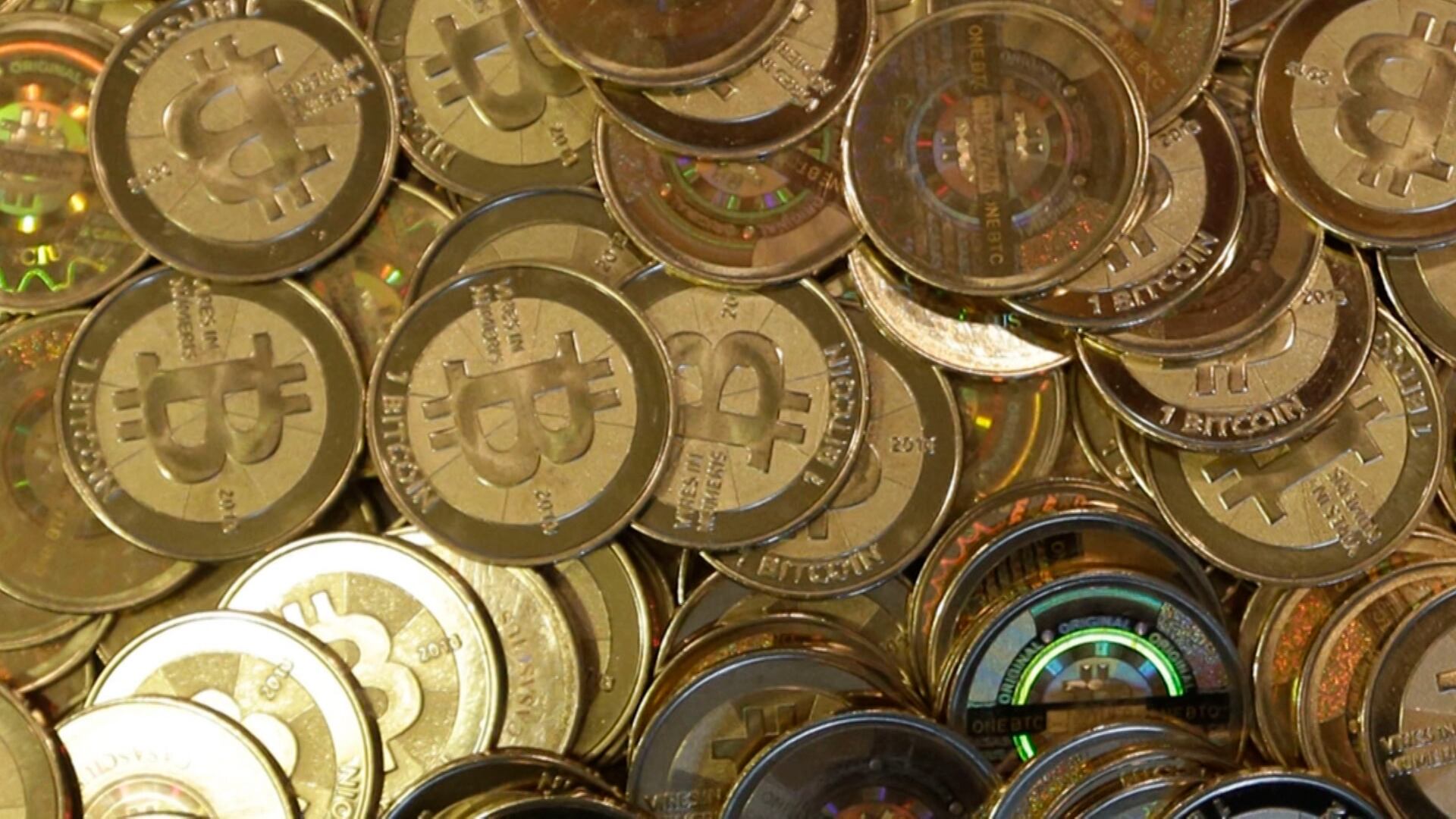
Bitcoin dipped below $40,000 this week amid a broader slump to begin the year. Some speculate that as cryptocurrencies correlate closer to traditional assets that factors like the Federal Reserve tightening monetary policy will weigh on digital coins. Jalak Jobanputra, managing partner at Future Perfect Ventures, joins Cheddar News' Closing Bell to discuss why crypto markets are feeling pressure from the Fed's potential 2022 rate hikes, broader crypto market predictions, and more.
A.I. startup Fractal has raised $360 million in funding, officially entering the unicorn club. Pranay Agrawal, CEO and Co-Founder of Fractal, joined Cheddar News' Closing Bell to discuss what the company plans to do with the fresh capital.
Electric vehicles are quickly becoming an accessible way for consumers to slash emissions as legacy automakers begin to electrify their fleets and world leaders including President Joe Biden push for broad EV adoption. But consumers have concerns about EV range, the availability of charging stations, and more. What if it were both helpful to consumers — and feasible from a climate change standpoint — to keep hybrid models that run on gas on the market? Gill Pratt, CEO of the Toyota Research Institute & Toyota Motor Corporation's Chief Scientist joins Cheddar Climate to discuss his team's research about 'carbon return on investment,' how Toyota is electrifying its fleet, and more.
Fresh off of a $42 million Series B Fundraise, co-founder and CEO of Chapter, Cobi Blumenfeld-Gantz, joined Cheddar to discuss the company's business model and how it will use the capital going forward. He explained that Chapter is a Medicare advisor that searches savings on medical options in order to help users find the right plan for them. "We want to make sure we can help all of our existing members and as many new Americans find the right Medicare coverage, so we're hiring aggressively for the best talent we can," Blumenfeld-Gantz said.
Apple's iMessage has come under fire after a Google executive accused the fellow tech giant of bullying — Android Users. Hiroshi Lockheimer, Google SVP of Android, said that Apple's lack of RCS adoption is holding the industry back while the company uses peer pressure to bolster iMessage.