In this March 25, 2020 file photo, a closed sign hangs in the window of a shop in Portsmouth, N.H., due to coronavirus concerns. (AP Photo/Charles Krupa, File)
Stocks swung back down Wednesday after more signs piled up of the economic damage being caused by the coronavirus outbreak.
Markets have been stuck cycling between fear and budding optimism in recent weeks as investors try to guess how long and deep the looming recession will be, with the switch often flipping overnight or even within the same day. Economists have been slashing their forecasts in preparation for what they say may be the worst downturn since the Great Depression, but several reports that came out Wednesday were even more dismal than expected.
Retail sales sank a record 8.7% last month as lockdowns around the country to slow the spread of the virus closed stores and kept people at home. A separate survey of business conditions for manufacturers in New York state plunged to its lowest level in history, by a wide margin. Industrial production across the country also failed to meet economists’ already low expectations.
Stocks around the world and Treasury yields were already down in early Wednesday trading, and their drops accelerated after the release of the reports. Lower yields are a sign that demand for relatively safe investments like U.S. government bonds is increasing.
The S&P 500 was down 2.4% after the first half-hour of trading. The Dow Jones Industrial Average fell 494 points, or 2.1%, to 23,455, and the Nasdaq was down 1.9%.
Energy stocks took the sharpest losses after oil prices plunged to another 18-year low. Those in the S&P 500 index fell 5.8%.
Demand for oil around the world will fall this year by a record amount, the International Energy Agency said Wednesday. Benchmark U.S. crude touched its lowest price since 2002 before recovering slightly to $20.14 a barrel, little changed from a day earlier. Brent crude, the international standard, fell $1.27 to $28.30.
Earlier, the International Monetary Fund said this year's global economic output will shrink by 3%, a bigger loss than 2009's 0.1% decline during the financial crisis. That was a sharp reversal from the Fund's January forecast of 3.3% growth before the virus prompted governments to shut down factories, travel and other industries.
“The IMF forecast a deep economic winter," said Hayaki Narita of Mizuho Bank in a report. Narita said.
In Europe, London's FTSE 100 lost 2.5%, and the DAX in Frankfurt declined 3.2%. The CAC 40 in France retreated 2.9% to 4,437. The Nikkei 225 in Tokyo declined 0.5%, and Hong Kong's Hang Seng was off 1.2%.
Investors are focusing on how and when authorities may begin to ease business shutdowns and limits on people’s movements imposed to slow the spread of the coronavirus. The S&P 500 had jumped 3.1% just a day earlier in hopes that the outbreak was leveling off in some hotspots and could lead to parts of the economy opening back up.
U.S. President Donald Trump has been discussing how to roll back federal social distancing recommendations. U.S. governors are collaborating on plans to reopen their economies in what is likely to be a gradual process to prevent the coronavirus from rebounding.
China has reopened factories, shops and other businesses after declaring victory over the outbreak but forecasters say it will take months for industries to return to normal output, while exporters will face depressed global demand.
Joseph Pallant, Founder and Executive Director for the Blockchain for Climate Foundation, joins Cheddar Climate, where he discusses the among of energy crypto mining consumes and explains how his organization is on a mission to make the crypto industry more environmentally sustainable.
One of the world's largest transport companies is kicking off Black History Month with a new initiative aimed at the next generation of business leaders. Today, FedEx announced the launch of its Student Ambassador Program. Participants selected from eight historically black colleges and universities will receive career guidance from FedEx executives. The program is part of FedEx's ongoing commitment to HBCUs and will also help the company expand its pipeline for diverse talent. Cheddar News welcomes senior vice president at FedEx, Jenny Robertson, and Jerryl Briggs, President of Mississippi Valley State University, to discuss.
Driver assistance monitoring systems are meant to keep the driver's eyes on the road, but according to a report from AAA, different ways of monitoring provide significantly different results. The study found that direct camera-based systems that scanned the driver's eye movements were faster and more reliable than those indirect systems that looked at steering-wheel input. Megan McKernan, the manager of automotive services for the Automobile Club of Southern California, joined Cheddar to discuss the findings. "Triple-A is recommending that automakers include both direct and indirect systems just to really prevent consumers from trying to misuse these systems," she said, noting that neither system on its own is not foolproof.
"Sing 2" has overthrown "Spider-Man: No Way Home" as the number one film at the UK box office. The animated sequel brought in $8.1 million, in just its two first weekends. However, "No Way Home" is still on track to beat "Avatar" as the number one grossing movie of all time.
Pinterest recently added augmented reality to its portfolio. The image sharing and social media platform's new e-commerce tech will allow consumers to interact with retailers and visualize online products inside their homes.
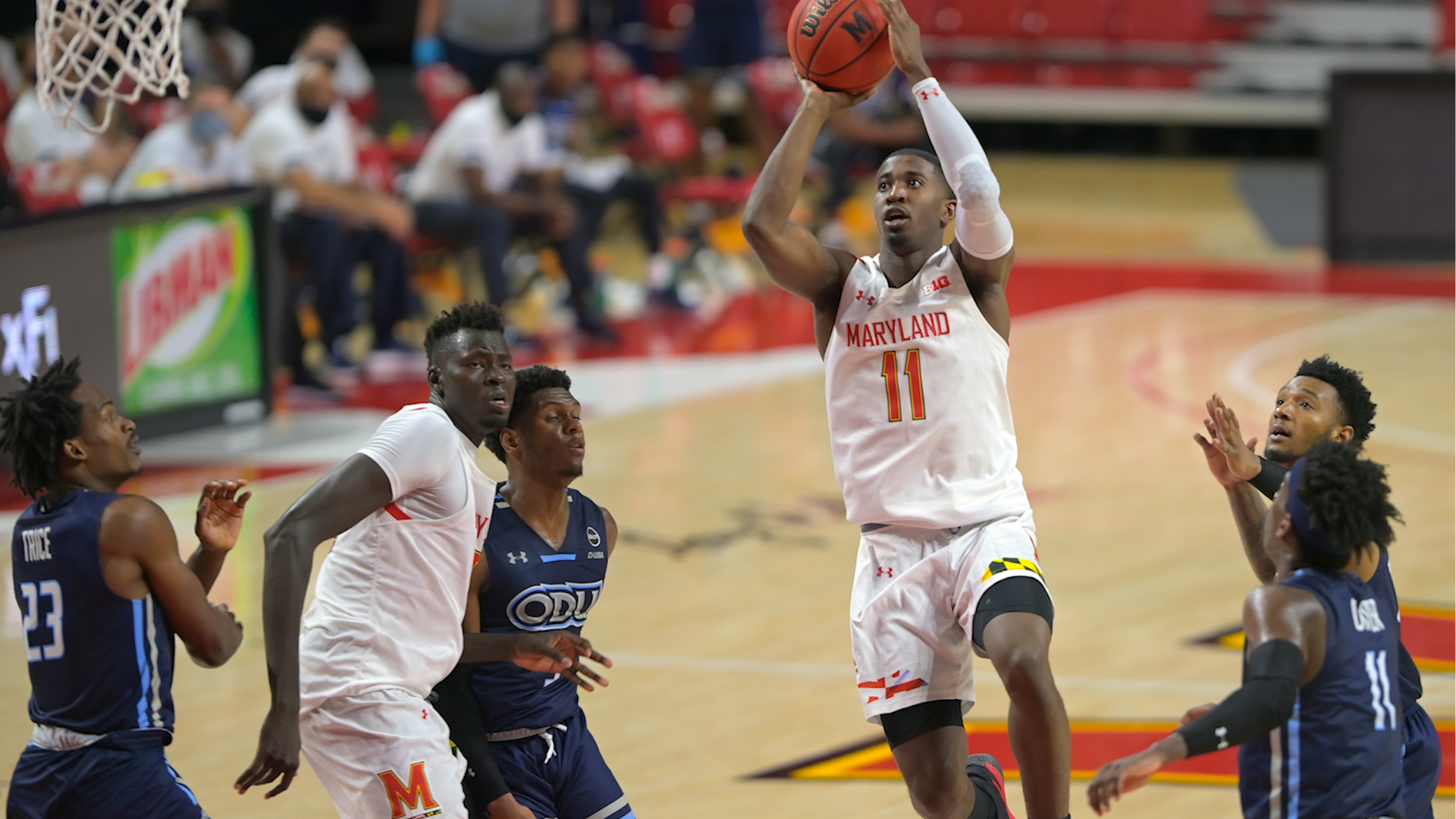
On this episode of Cheddar Reveals, Jim Riordan, Director of the MBA Sport Management program at Florida Atlantic University, breaks down the successes, failures, and chaos of the first seven months of the Name, Image, Likeness policy in college athletics; Adi Kunalic, President of Opendorse, discusses the first-ever association-wide deal in college athletics between Opendorse and the NAIA, and how Opendorse is marketing and educating student-athletes to make the most of their NIL deal potential; Cheddar gets a look at Curiosity Stream's 'Predicting a Pro'.
Jim Riordan, Director of the MBA Sport Management program at Florida Atlantic University, joins Cheddar Reveals to break down the successes, failures, and chaos of the first seven months of the Name, Image, Likeness policy in college athletics.
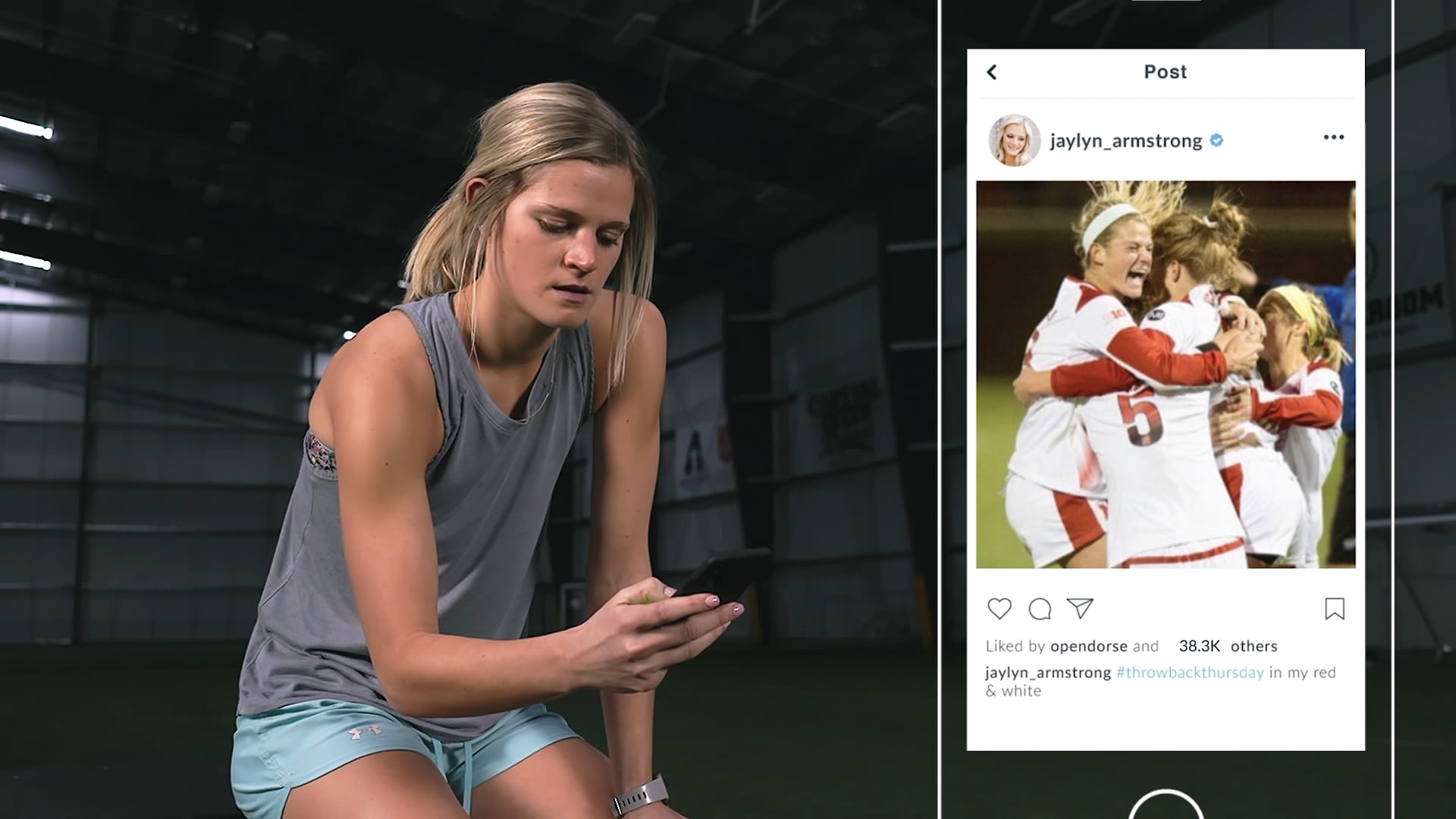
Adi Kunalic, President of Opendorse, joins Cheddar Reveals to discuss the first-ever association-wide deal in college athletics between Opendorse and the NAIA, and how Opendorse is marketing and educating student-athletes to make the most of their NIL deal potential.
Jason Chinnock, CEO of Ducati North America, discusses ways demand has changed over the last year and what supplying race bikes for the MotoE World Cup series means for Ducati's future.