In this March 25, 2020 file photo, a closed sign hangs in the window of a shop in Portsmouth, N.H., due to coronavirus concerns. (AP Photo/Charles Krupa, File)
Stocks swung back down Wednesday after more signs piled up of the economic damage being caused by the coronavirus outbreak.
Markets have been stuck cycling between fear and budding optimism in recent weeks as investors try to guess how long and deep the looming recession will be, with the switch often flipping overnight or even within the same day. Economists have been slashing their forecasts in preparation for what they say may be the worst downturn since the Great Depression, but several reports that came out Wednesday were even more dismal than expected.
Retail sales sank a record 8.7% last month as lockdowns around the country to slow the spread of the virus closed stores and kept people at home. A separate survey of business conditions for manufacturers in New York state plunged to its lowest level in history, by a wide margin. Industrial production across the country also failed to meet economists’ already low expectations.
Stocks around the world and Treasury yields were already down in early Wednesday trading, and their drops accelerated after the release of the reports. Lower yields are a sign that demand for relatively safe investments like U.S. government bonds is increasing.
The S&P 500 was down 2.4% after the first half-hour of trading. The Dow Jones Industrial Average fell 494 points, or 2.1%, to 23,455, and the Nasdaq was down 1.9%.
Energy stocks took the sharpest losses after oil prices plunged to another 18-year low. Those in the S&P 500 index fell 5.8%.
Demand for oil around the world will fall this year by a record amount, the International Energy Agency said Wednesday. Benchmark U.S. crude touched its lowest price since 2002 before recovering slightly to $20.14 a barrel, little changed from a day earlier. Brent crude, the international standard, fell $1.27 to $28.30.
Earlier, the International Monetary Fund said this year's global economic output will shrink by 3%, a bigger loss than 2009's 0.1% decline during the financial crisis. That was a sharp reversal from the Fund's January forecast of 3.3% growth before the virus prompted governments to shut down factories, travel and other industries.
“The IMF forecast a deep economic winter," said Hayaki Narita of Mizuho Bank in a report. Narita said.
In Europe, London's FTSE 100 lost 2.5%, and the DAX in Frankfurt declined 3.2%. The CAC 40 in France retreated 2.9% to 4,437. The Nikkei 225 in Tokyo declined 0.5%, and Hong Kong's Hang Seng was off 1.2%.
Investors are focusing on how and when authorities may begin to ease business shutdowns and limits on people’s movements imposed to slow the spread of the coronavirus. The S&P 500 had jumped 3.1% just a day earlier in hopes that the outbreak was leveling off in some hotspots and could lead to parts of the economy opening back up.
U.S. President Donald Trump has been discussing how to roll back federal social distancing recommendations. U.S. governors are collaborating on plans to reopen their economies in what is likely to be a gradual process to prevent the coronavirus from rebounding.
China has reopened factories, shops and other businesses after declaring victory over the outbreak but forecasters say it will take months for industries to return to normal output, while exporters will face depressed global demand.
Sēkr, a mobile app that aims to improve and digitize the outdoor travel experience, announced this week that it raised a $2.25 million seed round. In the Sēkr app, users can get access to more than 50,000 campsites throughout the U.S. including the nation's largest database of free campsites. The company is saying it is on a mission to make every step of the planning experience for outdoor travel easier, safer, and more social. Breanne Acio, co-founder and CEO of Sēkr, and Jess Shisler, co-founder and COO, joined Cheddar News' Closing Bell to discuss.
Cheddar's Big Game Special gives you all the info you need heading into Sunday's event. Pro Football Hall of Famer Terrell Davis, Big Game MVP Hines Ward, and Big Game Champion Emmanuel Sanders dissect the action set to take place on the field, Olivia Harlan Dekker delivers her winning wagers, Tom Morton breaks down what we should expect from advertisers, Azia Celestino showcases the atmosphere from Los Angeles, and Baker Machado discusses what viewers should expect to see unfold during the halftime show.
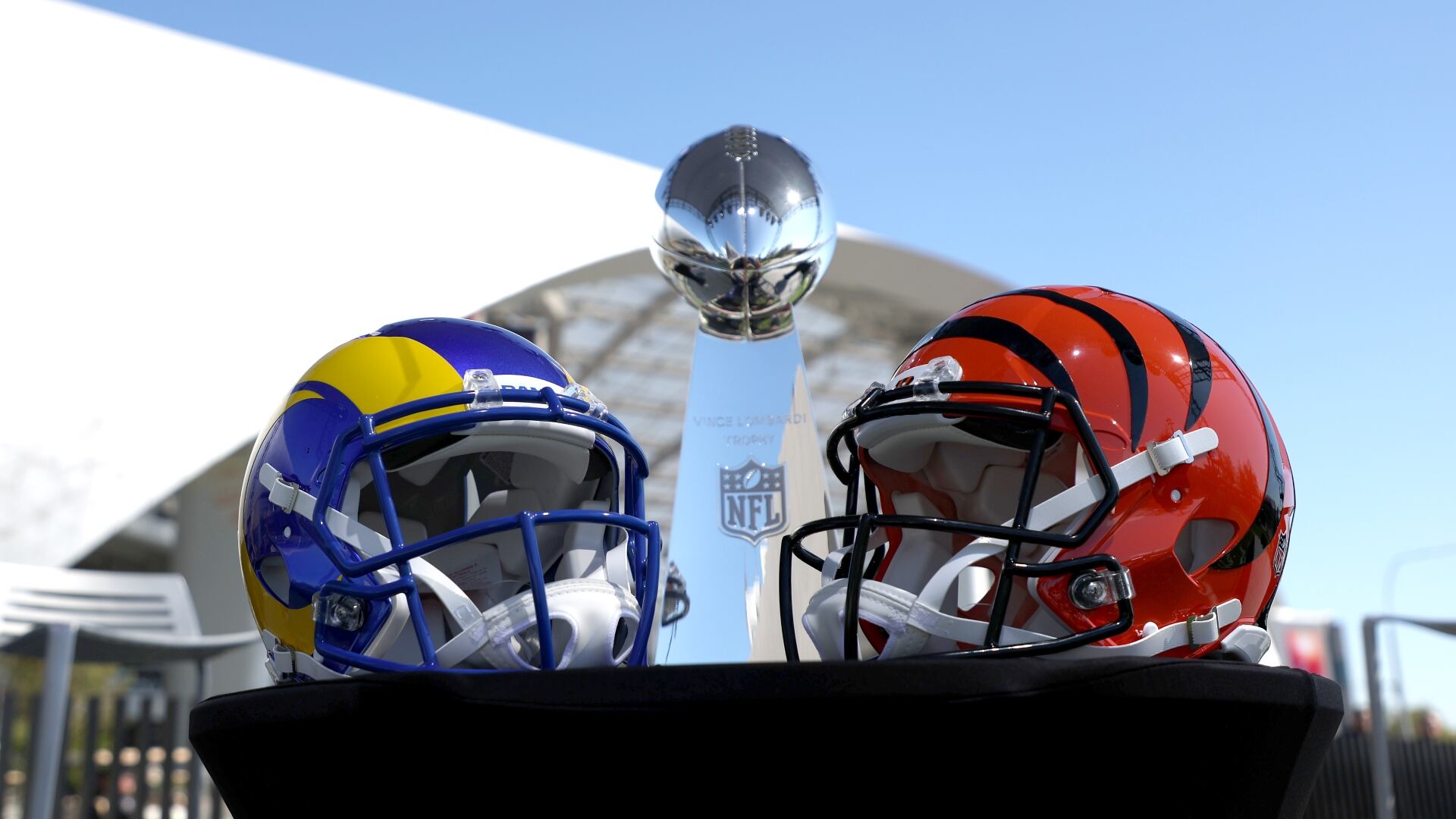
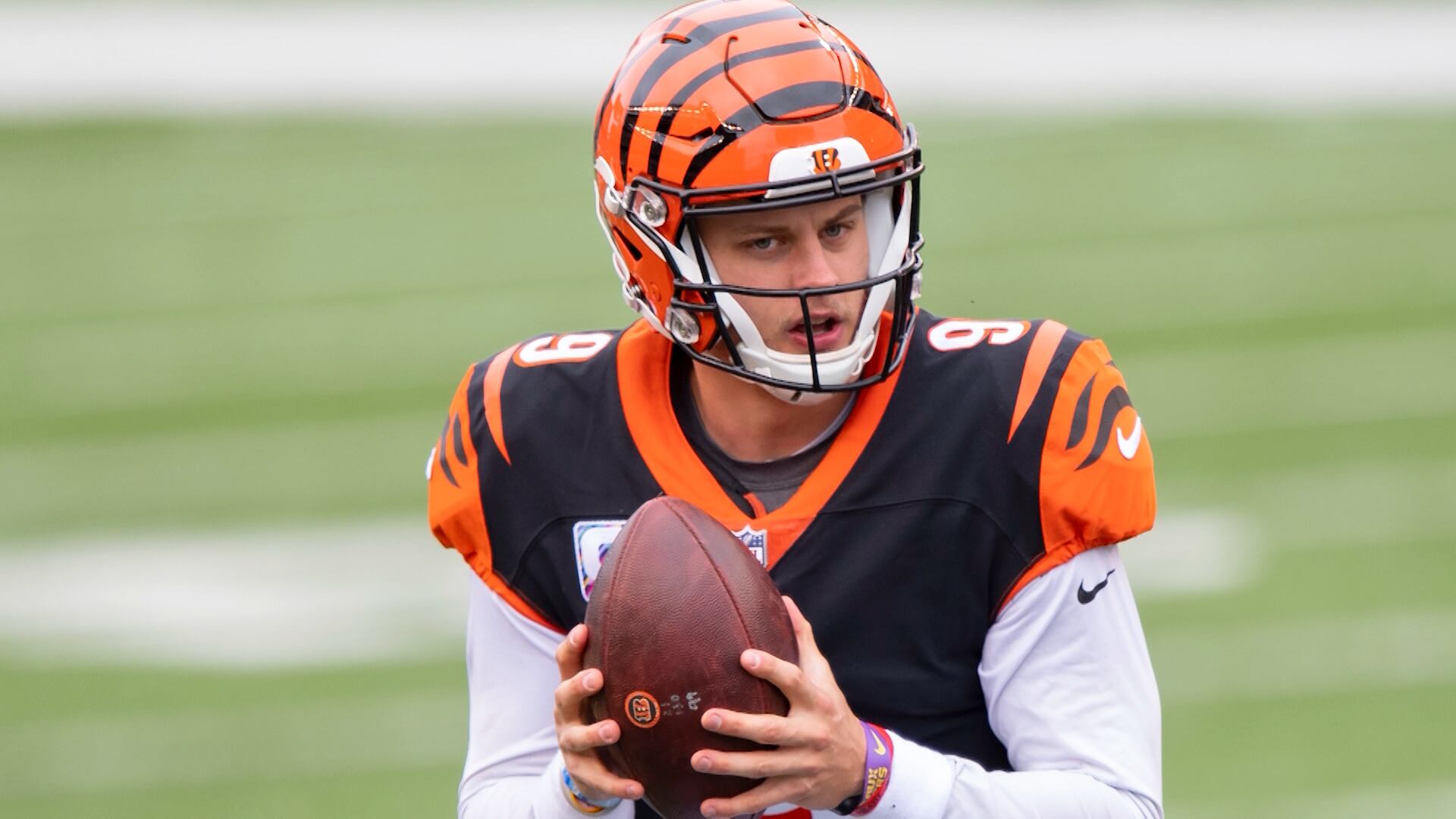
As the Cincinnati Bengals and Los Angeles Rams prep to face each other in the Big Game at SoFi Stadium in LA, 55 percent of a record number of bettors are projected to drop money on the Rams. Casey Clark, the senior vice president of strategic communications for the American Gaming Association, joined Cheddar News to share some data and predictions based on the greater interest in gambling on Super Bowl LVI. "You know that means that people are migrating away from the predatory illegal market and corner bookie and moving their action into the legal marketplace," he said. "So really encouraging for consumer protections and for those of us who might want to have a little action on the game."
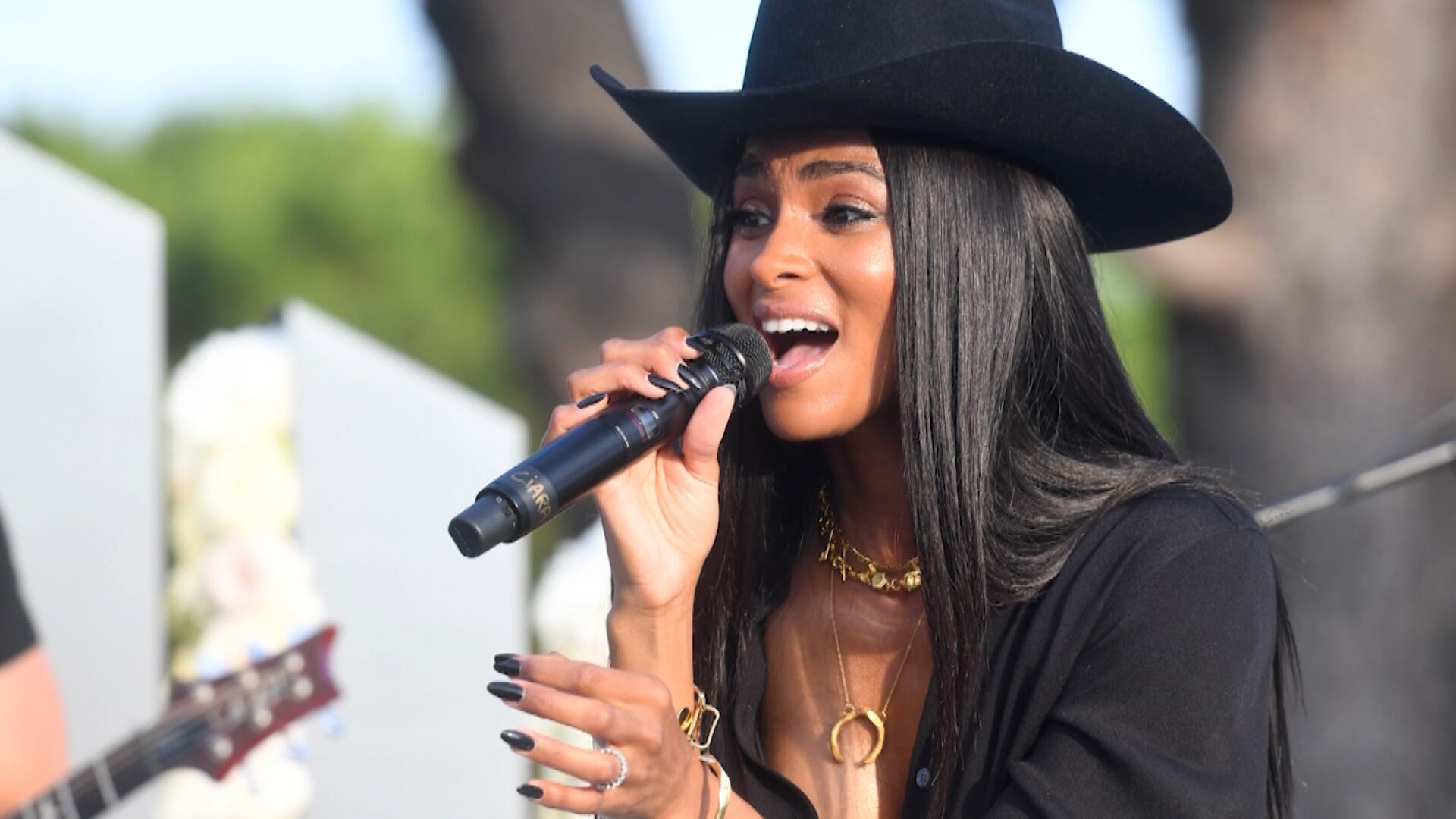
Facebook parent Meta and Grammy Award-winning singer Ciara have joined forces to help black female-owned small businesses. Selected businesses will receive marketing mentorship from Meta along with $100,000 to put into their brand. One such business, The Self Care Suite, is a platform that supports mental health, and founder Tara Pringle Jefferson, along with Irene Walker, Meta Elevate founder and program manager, joined Cheddar News to discuss the program. "Having this opportunity with Meta, with Ciara, really will allow us to focus on our virtual programming, to focus on our e-commerce shop, and, as we kind of adjust, to the new normal in 2022," said Pringle Jefferson.
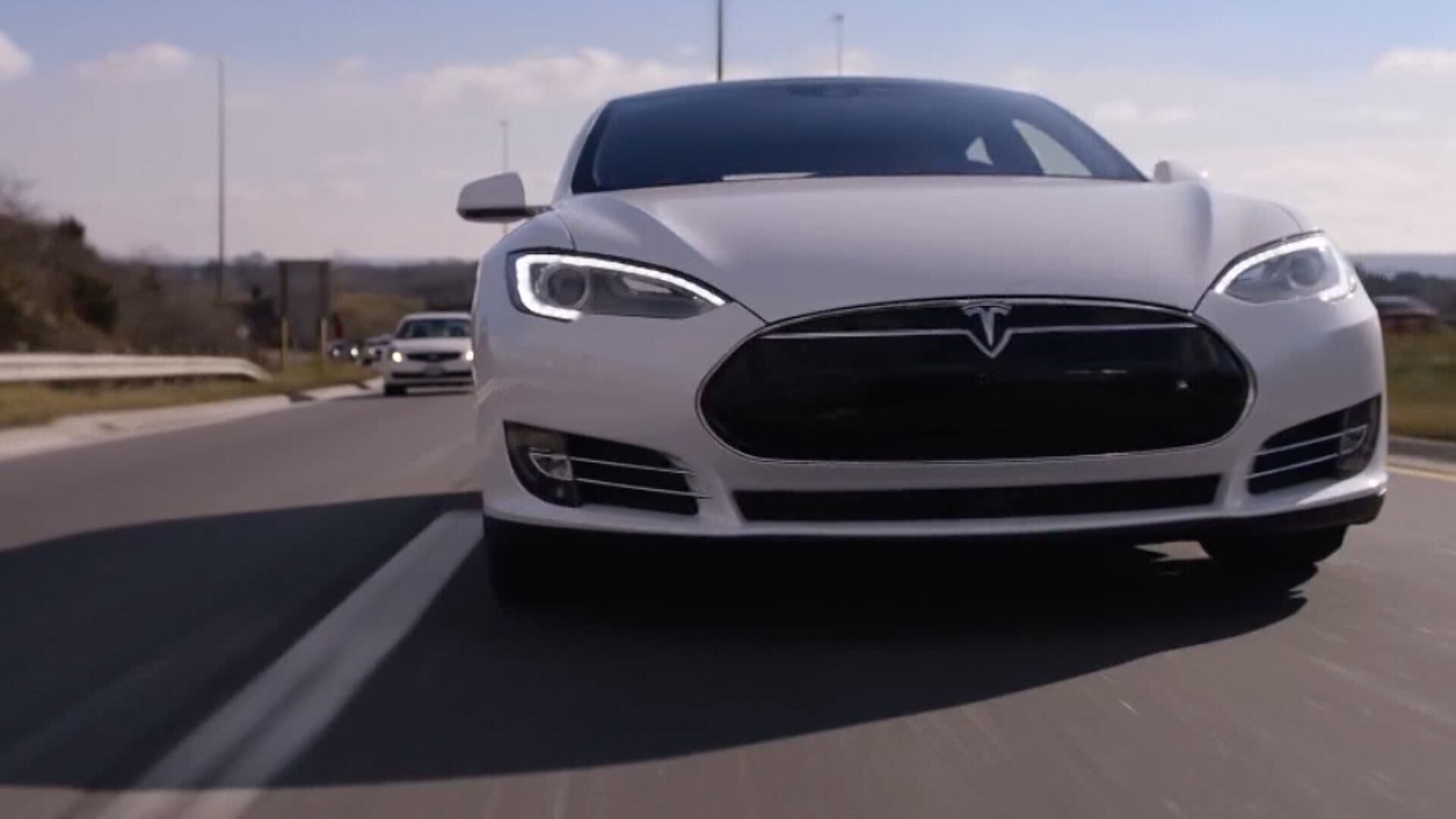
Tesla has been under mounting regulatory scrutiny by the NHTSA, and has issued numerous recalls, including four within the past two weeks. While the company has issued recalls over the years, the number seems to be increasing in recent months as the company issues fixes for seat belt chimes, pedestrian alerts, its self-driving software, and more. What's behind this uptick in recalls — and how might this impact brand loyalty? Al Root, Senior Writer at Barron's, joins Closing Bell to discuss.
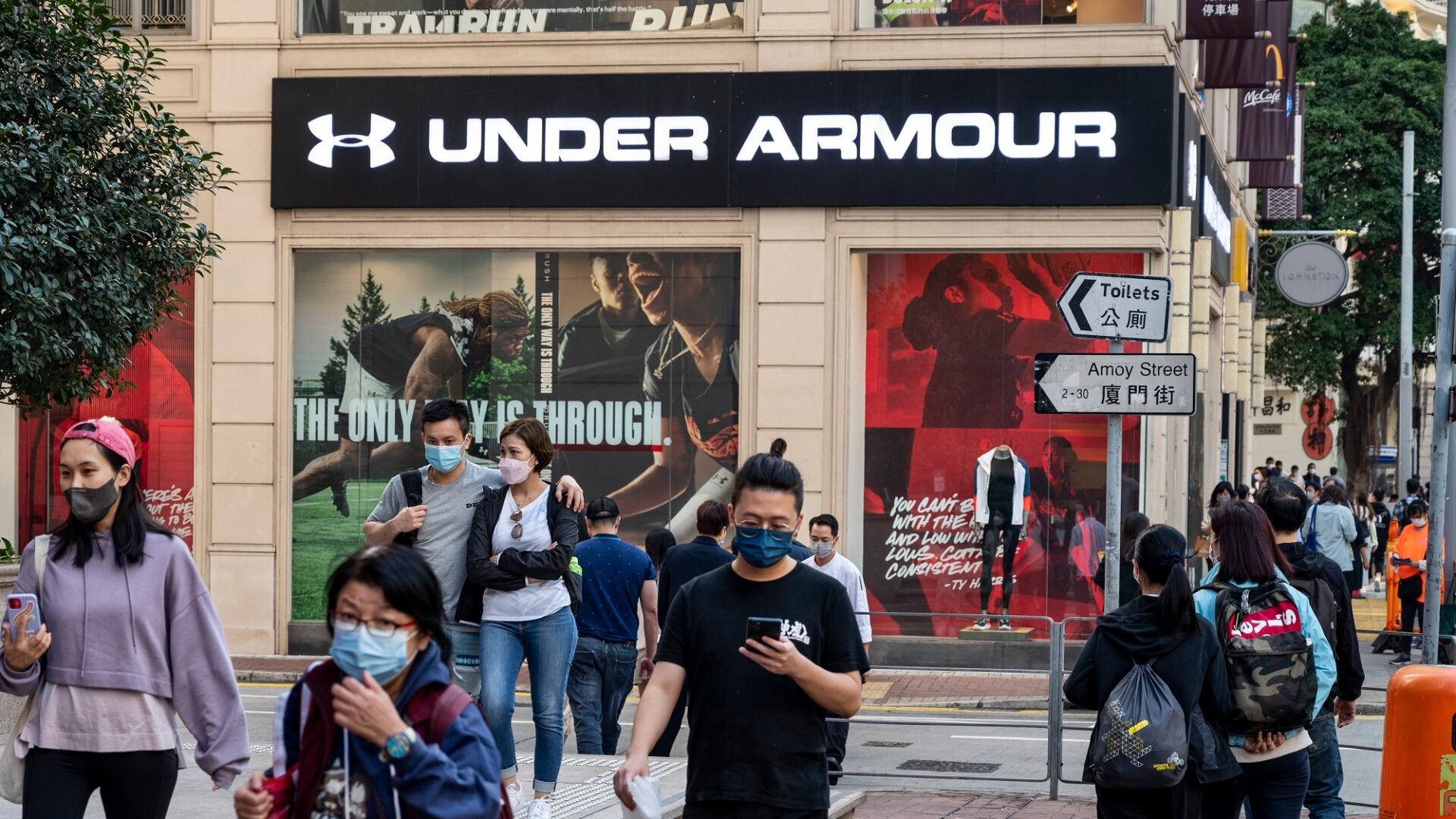
Under Armour released a successful Q4 earnings report amid supply chain issues. The apparel company said it invested in analytics to decipher what drives consumers to its brand. However, the company warned of potential supply problems going forward due to COVID.
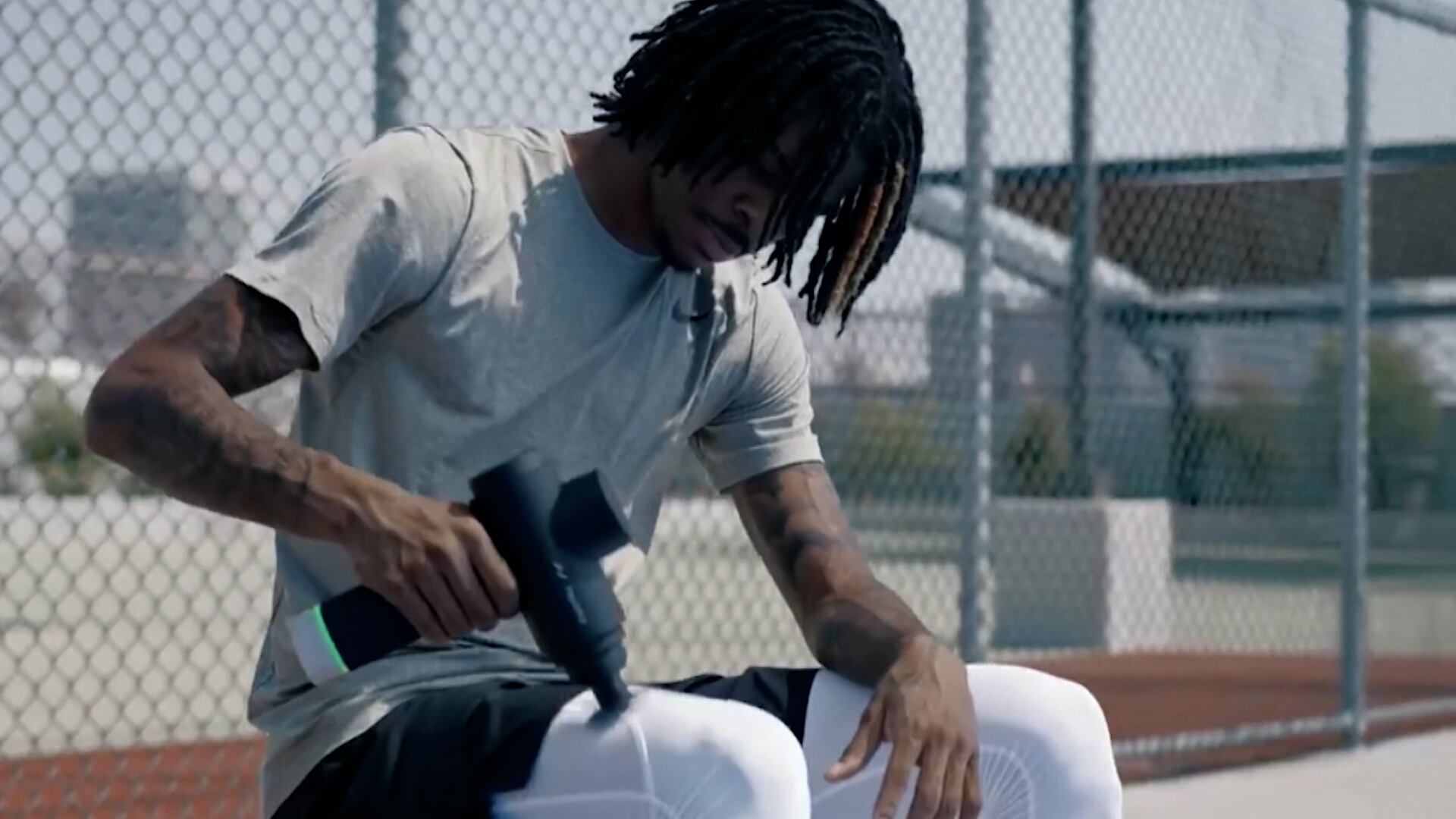
Hyperice is a technology company that specializes in physical recovery for athletes, and it's now partnering with the NFL. Christian McCaffrey, Carolina Panthers running back and Hyperice athlete-investor, and Jim Huether, Hyperice CEO, joined Cheddar News to discuss the partnership. "It's definitely for both for performance and for recovery, as somebody who plays a brutal sport and have to go through some of the unfortunate realities of injury," McCaffery said of the products. "You're always fighting for that 0.1 percent difference between winning and losing and and the little things and every second matters."
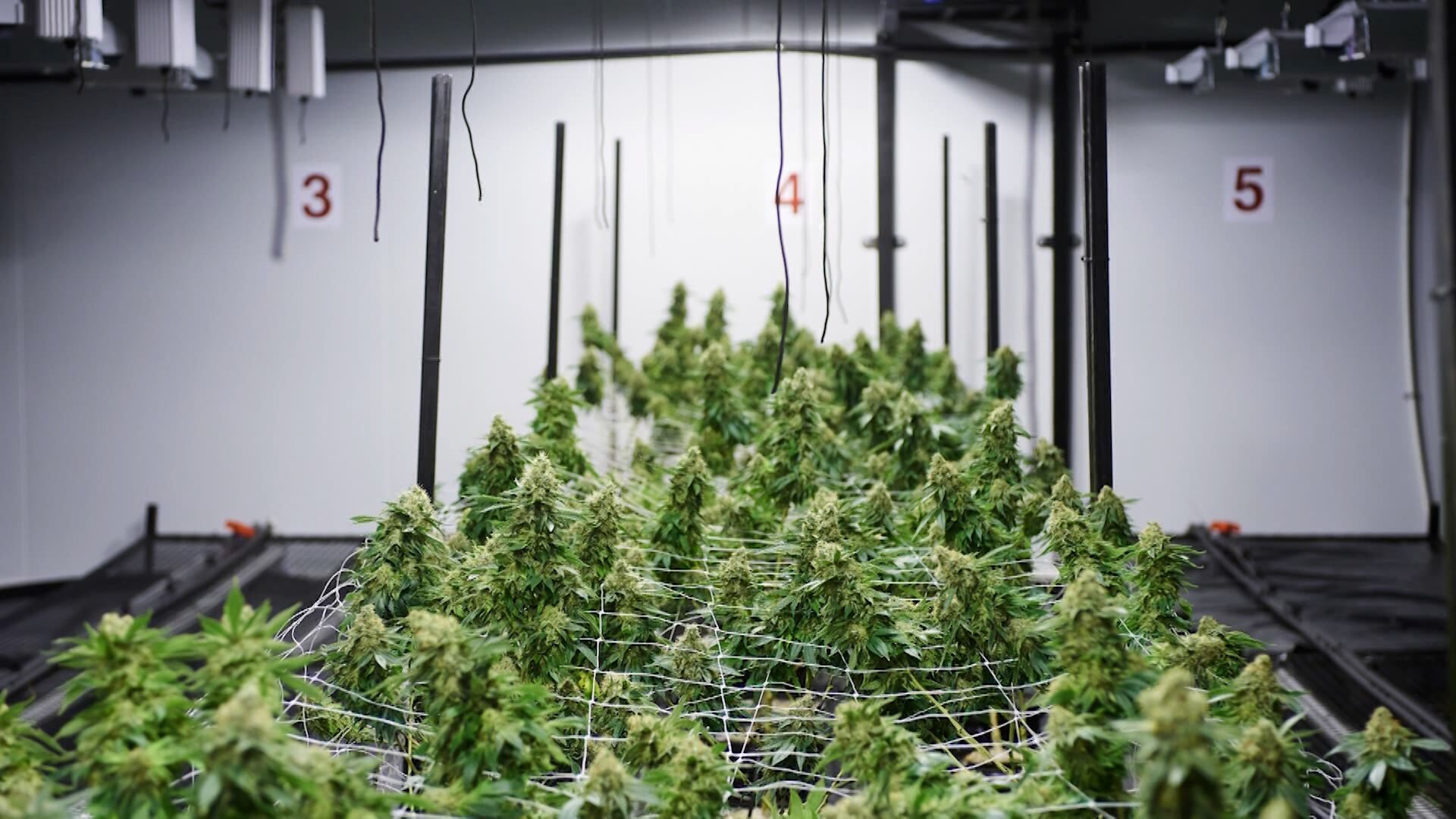
Aurora Cannabis showed a beat on sales for its quarterly earnings report, a positive sign despite a loss of $59 million. CEO Miguel Martin, joined Cheddar Movers to discuss its latest earnings and prospects for future growth. "If you look at our core businesses, they've all had a great quarter, so steady as we go. Our transformation plan is absolutely on track and we feel really good about where the company's going," he said. "Our balance sheet has never been stronger." Martin also discussed entering the U.S. market and the prospects for the medical marijuana market.