By Stan Choe, Damian J. Troise, and Alex Veiga
Updated 4:35 pm ET
Stocks rose again Tuesday, part of a strong and worldwide rally for markets, after a big rebound in buying at U.S. stores and online raised hopes that the economy can escape its recession relatively quickly.
The S&P 500 climbed 1.9% for its third straight gain, bringing it back within 8% of its record set in February. Gains have built in recent weeks as reports bolster investor expectations that the worst of the downturn may have already passed.
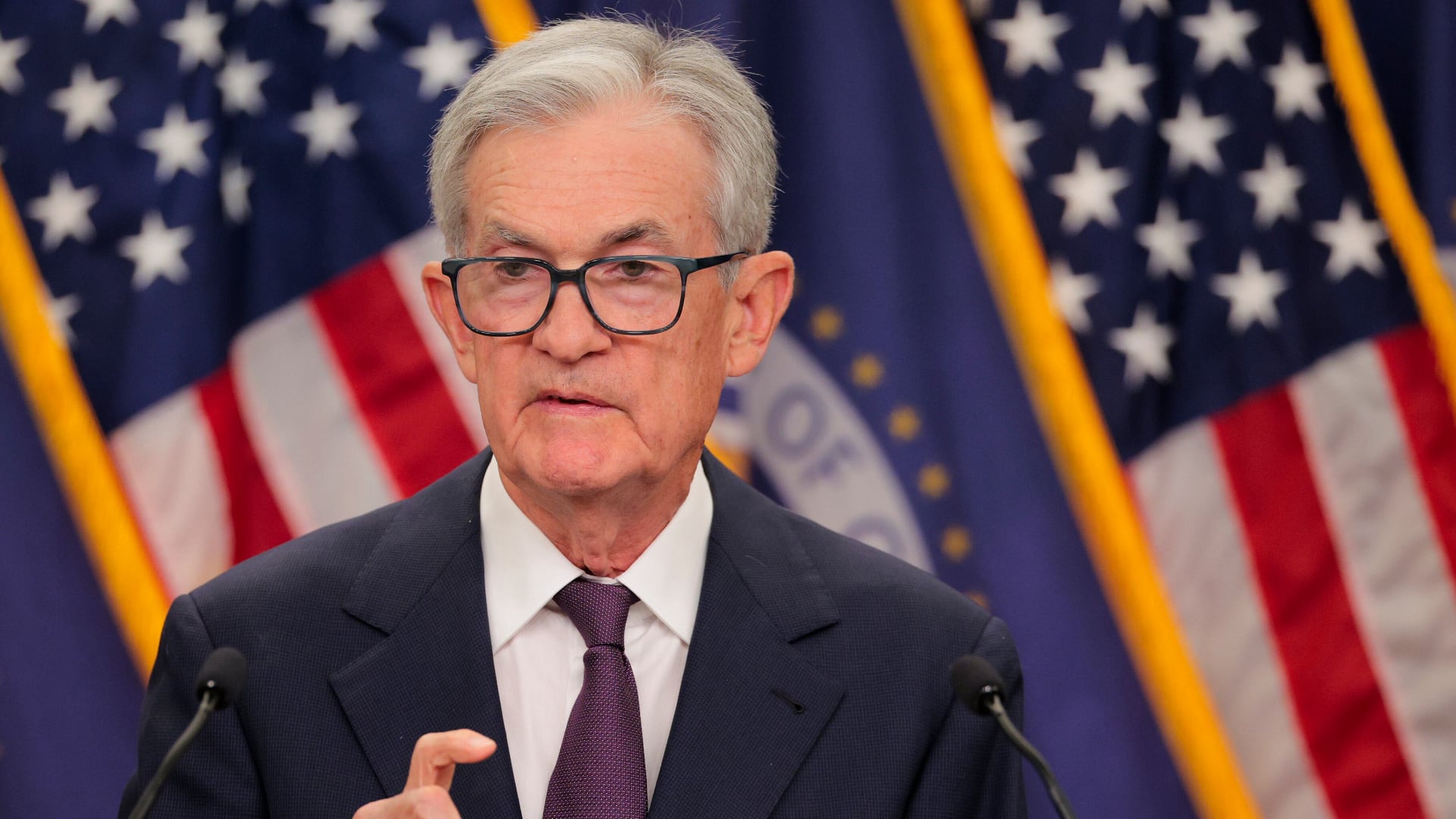
Continuing, immense support from the Federal Reserve is also calming markets, and its chair said Tuesday that the central bank will continue to use all its tools to cushion the blow of the worst recession in decades. But trading remains very skittish across markets as worsening coronavirus trends in several global hotspots raise the possibility that all the improvements could unravel.
The S&P 500 shot to an early 2.8% gain, lost nearly all of it at one point and then rallied back. By the end of Tuesday, the index was up 58.15 points at 3,124.74.
The Dow Jones Industrial Average rose 526.82, or 2%, to 26,289.98, and the Nasdaq composite climbed 169.84, or 1.7%, to 9,895.87.
"The markets have been looking forward to the economy reopening, and that's a large part of the story for the next few months," said Bruce Bittles, chief investment strategist at Baird.
"My feeling is that while reopenings and things get better, it won't be without some backsteps, and I think it'll be a rocky few months more for the markets."
Retail sales jumped 17.7% from April to May, more than double economists' expectations, to retrace some of their record-setting plunges in March and April as businesses reopened across the country. It follows earlier reports that the U.S. job market unexpectedly strengthened last month.
Economists at IHS Markit said this could be the shortest recession on record for the United States, perhaps just a couple months.
Among other encouraging signs spurring markets worldwide: Researchers in England said they have the first evidence that a drug can improve survival from COVID-19, one that is already widely available and cheap.
Underpinning all of the market's strength is continued aid coming from central banks, which have repeatedly come to the economy's rescue. The Federal Reserve helped turn markets around on Monday after it said it will buy individual corporate bonds as part of a previously announced program to support lending markets.
"The Fed has flooded the economy with liquidity," said Randy Frederick, vice president of trading and derivatives at Charles Schwab.
And with lots of cash sitting uninvested in money market accounts, the market has more potential fuel for its next leg higher, he said. "People are just waiting for any good news to jump in and drive that higher."
Still, caution continues to run through markets. A record number of fund managers in Bank of America's monthly survey say the stock market is overvalued following its nearly 40% surge since late March.
The rally has also been showing some cracks recently as investors worry that a possible resurgence of infections could push governments to reinstate lockdown measures to slow the spread of the virus.
Analysts on Tuesday cited discouraging trends in Florida, Texas, and China. And even if the stay-at-home orders don't come back, worried consumers and businesses could pull back on their spending.
Skepticism has been high about the stock market's run since it began climbing since hitting a bottom in late March, down 34% from its record. The huge backstops from the Fed and Capitol Hill helped halt the declines.
More recently, investors have been pushing up shares of companies that would benefit from a reopening economy on expectations that activity can rebound as governments relax shutdown restrictions put in place to slow the spread of the virus.
Such stocks were again leading the market on Tuesday. Smaller stocks were among the market's biggest gainers, which often happens when investors are getting more optimistic about the economy. The Russell 2000 index of small-cap stocks rose 2.3%.
Nordstrom jumped 12.9% for one of the biggest gains in the S&P 500, leading a group of retailers that stand to benefit if shoppers return to stores.
The yield on the 10-year Treasury rose to 0.74% from 0.70% late Monday. It tends to move with investors' expectations for the economy and inflation.
In Asia, Japan's Nikkei 225 jumped 4.9%, South Korea's Kospi surged 5.3% and the Hang Seng in Hong Kong rose 2.4%. In Europe, Germany's DAX returned 3.4%, France's CAC 40 rose 2.8% and the FTSE 100 in London added 2.9%.
Benchmark U.S. crude oil for July delivery rose $1.26 to settle at $38.38 a barrel Monday. Brent crude oil for August delivery rose $1.24 to $40.96 a barrel.